Getting Your Foreign Credentials Recognized: Degree and Qualification Recognition
German credential recognition requires navigating the Anabin database, ZAB statements, and trade evaluations for regulated and nonregulated professions.
Build your next chapter.
Insights on schools, language study, job searching, workplace norms, contracts, and career admin.

German credential recognition requires navigating the Anabin database, ZAB statements, and trade evaluations for regulated and nonregulated professions.

German preparatory college programs bridge the gap for international students lacking direct university admission through specialized academic tracks.
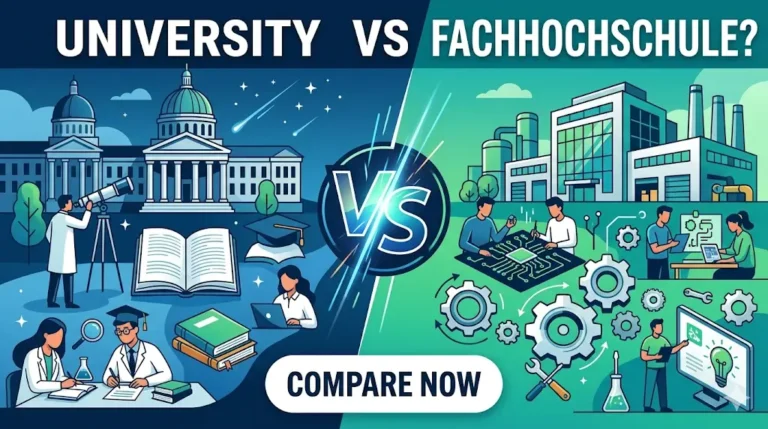
The differences between a traditional university and a Fachhochschule help international students choose the right German academic path.

Non-EU citizens can secure paid apprenticeships and residency visas through structured German vocational training programs.

The 18-month job search visa for international university graduates explains how to remain legally in Germany to find employment.

German student labor laws, visa limits, tax classes, and working student roles explained for international students navigating employment.

German student visa rules allow international students to work 140 full days annually, subject to weekly hour limits and specific job categories.

German university students navigate academic autonomy, high-stakes exams, shared housing, and subsidized cafeterias without formal freshman orientation.

German scholarships and funding programs like the DAAD and Deutschlandstipendium provide monthly stipends for international students.

German university tuition fees, semester contributions, private school costs, and blocked account requirements explained for international students.