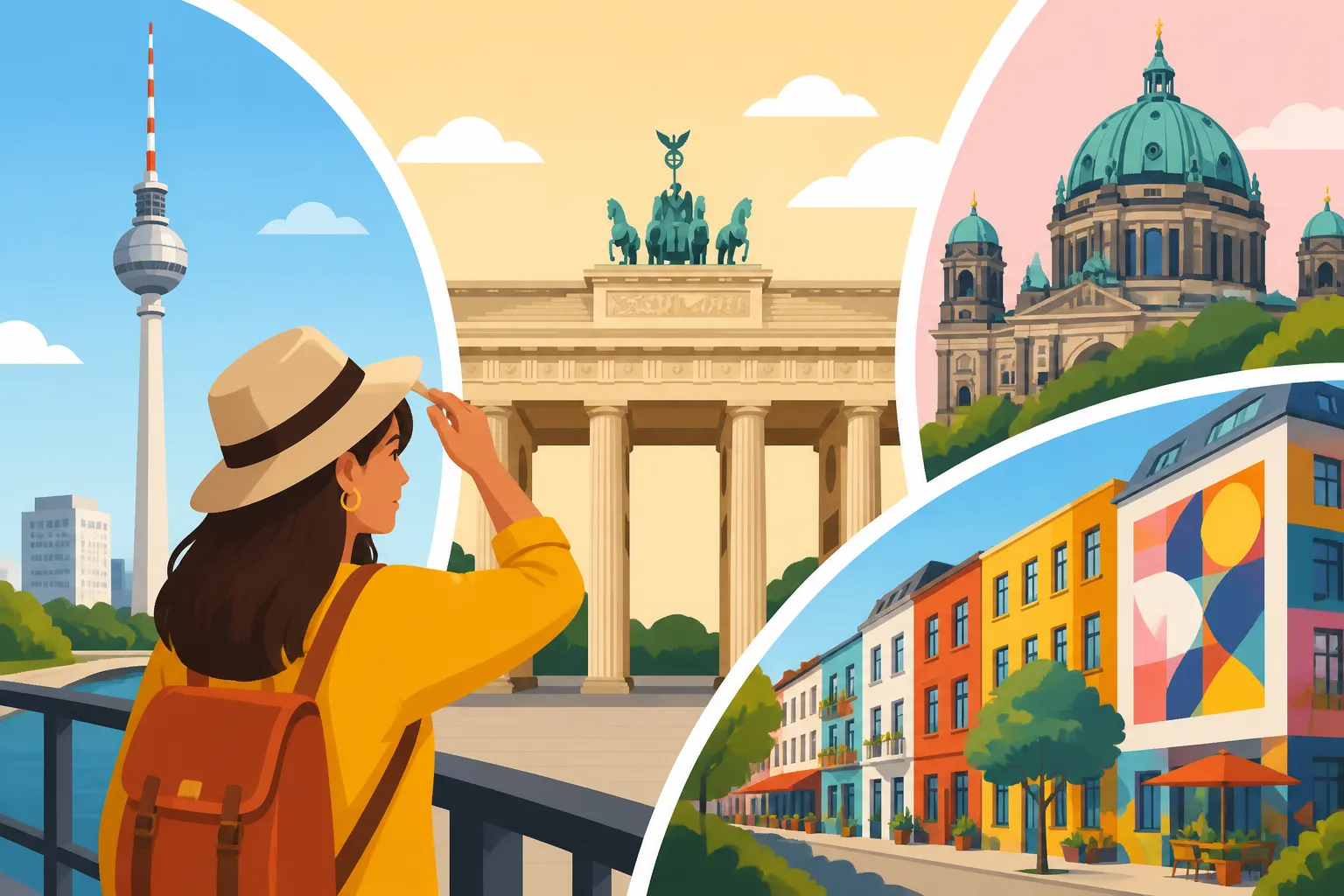
Berlin for First-Time Visitors: Neighborhoods and Highlights
Ah, Berlin. It’s a city that grabs you, pulls you in a dozen different directions, and leaves you utterly captivated – and sometimes, a little bewildered. For a first-timer, trying to get a handle on this sprawling, historically rich, and incredibly vibrant place can feel like trying to drink from a firehose. You hear about Mitte, Kreuzberg, Prenzlauer Berg, and suddenly, your head is spinning with names and expectations. This guide is here to untangle that beautiful chaos, helping you understand Berlin's diverse neighborhoods and discover the must-see highlights without feeling overwhelmed.
Disclosure: This post may contain affiliate links. We may earn a commission at no extra cost to you if you make a purchase through these links. Read full disclosure.
Getting Your Bearings: Berlin's Unique Layout and Why It Matters
One of the first things you'll realize about Berlin, if you haven't already, is that it doesn't quite fit the mold of a classic European capital with a single, clear city center. Unlike Paris with its Eiffel Tower or Rome with its Colosseum defining a central point, Berlin is a mosaic of distinct neighborhoods, each with its own character and historical significance. This decentralization is deeply rooted in its tumultuous 20th-century history, particularly the division into East and West. Understanding this fundamental aspect is key to appreciating its charm and navigating it effectively.
The East vs. West Legacy: Understanding Berlin's DNA
The most profound influence on Berlin's layout and spirit is undoubtedly its post-World War II division and the nearly three decades of the Berlin Wall. This created two distinct "centers" that still subtly shape the city today. In the former East Berlin, areas like Mitte developed around iconic landmarks such as Alexanderplatz and Unter den Linden, retaining a sense of grand, if sometimes austere, historical significance. Think monumental socialist architecture mixed with Prussian grandeur.
On the other hand, West Berlin forged its own identity around areas like Kurfürstendamm in Charlottenburg, cultivating a more Western, consumer-focused vibe with elegant shopping streets and a slightly more conventional cityscape. When the Wall fell, these two halves began to merge, but the echoes of their separate developments remain. You'll feel it in the architecture, the street art, and even the pace of life in different Kiez (neighborhoods). It means you get double the history, double the culture, and a city constantly in dialogue with its past. It can be a lot to take in, but it’s also what makes Berlin endlessly fascinating.
Public Transport: Your Best Friend for Exploration
Given Berlin's expansive and decentralized nature, attempting to navigate solely on foot would be an exercise in futility, or at least, extreme exhaustion. This is where Berlin's public transport system truly shines. The U-Bahn (subway), S-Bahn (city train), trams, and buses are an incredibly efficient, reliable, and relatively easy-to-understand network that will quickly become your best companion. Trust me, even after living here for years, I still rely on it daily.
You'll find that distances between major sights can be significant, but a quick hop on the U-Bahn can get you across town in minutes. For first-timers, getting a handle on the ticket system is crucial. You can buy single tickets, 24-hour passes, or even weekly passes depending on your stay. If you’re planning extensive travel throughout Germany, you might even consider the Deutschland-Ticket, which covers all local and regional public transport nationwide. For planning your journeys, apps like the BVG Fahrinfo or even Google Maps are incredibly helpful, offering real-time schedules and connections. Plus, for longer trips around Germany, you can easily compare train and bus options through platforms like Omio, which can be super handy for knowing your options beyond just the local Berlin network.
Iconic Central Neighborhoods: History and Grandeur
When you first arrive, chances are you'll gravitate towards the historical heart of Berlin, and rightly so. These central districts are packed with the landmarks you've seen in postcards and history books, offering a powerful introduction to the city's complex narrative.
Mitte: The Heart of History and Power
"Mitte" literally means "middle," and this district truly lives up to its name, serving as the historical and governmental core of Berlin. This is where much of Germany's significant history, both glorious and tragic, unfolded. Prepare for a lot of walking, but every step is worth it.
You absolutely can't miss the iconic Brandenburg Gate, a symbol of division and reunification, standing majestically at the end of the grand boulevard, Unter den Linden. Just a stone's throw away is the Reichstag Building, Germany's parliament, with its stunning glass dome offering panoramic views of the city (book your visit well in advance!). Nearby, the solemnity of the Memorial to the Murdered Jews of Europe, with its undulating concrete stelae, offers a powerful and moving experience. For art and history buffs, Museum Island is a UNESCO World Heritage site housing five world-class museums, including the Pergamon Museum and the Altes Museum. It’s easy to spend an entire day here, just know your limits – trying to see everything will give you museum fatigue! Remember, the best way to immerse yourself is to take your time and perhaps choose one or two museums that truly pique your interest rather than rushing through all five.
Tiergarten: Green Oasis and Cultural Hub
Directly adjacent to Mitte, the vast expanse of Tiergarten park offers a much-needed green lung in the bustling city. It's not just a park; it's an enormous historical landscape, perfect for leisurely strolls, cycling, or simply finding a quiet spot to reflect. Dominating its center is the Siegessäule, or Victory Column, which you can climb for impressive views (though perhaps not as comprehensive as the Reichstag or TV Tower).
Beyond its natural beauty, Tiergarten is also home to some significant cultural institutions. The Kulturforum, a complex of modern buildings, houses architectural gems like the Philharmonie (home to the Berlin Philharmonic) and the New National Gallery, designed by Mies van der Rohe. You'll also find the picturesque Bellevue Palace, the official residence of the German President, nestled on the edge of the park. It’s a lovely contrast to Mitte's more intense historical sites, providing a space for both relaxation and continued cultural enrichment. Getting around this area is a breeze, with many U-Bahn and S-Bahn stations on its periphery.
Vibrant and Eclectic Districts: Culture and Lifestyle
Once you've absorbed the grandeur of central Berlin, it's time to dive into the neighborhoods that pulsate with contemporary culture, artistic expression, and a distinctly Berlin vibe. These areas are where the city's edgy, alternative, and creative spirit truly shines.
Kreuzberg and Friedrichshain: Counter-Culture and Nightlife
These two districts, separated by the Spree River and the iconic Oberbaumbrücke, were once symbols of West and East Berlin's alternative scenes. Today, they form a vibrant, interconnected hub of counter-culture, street art, and legendary nightlife. Friedrichshain is probably best known for the East Side Gallery, the longest surviving section of the Berlin Wall, now an open-air art gallery adorned with powerful murals. Walking along it is a poignant reminder of the city's past, creatively repurposed for its present.
Both Kreuzberg and Friedrichshain are a feast for the senses. You'll find a dizzying array of international restaurants, independent boutiques, and countless bars. Kreuzberg, especially around Oranienstraße and Bergmannkiez, is famous for its vibrant street life and diverse communities. In Friedrichshain, the area around Simon-Dach-Straße is a popular spot for evening drinks and dining. If you're into electronic music, this is often considered the epicenter of Berlin's world-renowned club scene. Just remember, some clubs have a notoriously strict door policy, so don't take it personally if you don't get in on your first try – it's part of the experience! For unique experiences or guided tours through the street art scene or even a pub crawl, GetYourGuide offers plenty of options to help you dive deeper into these areas.
Prenzlauer Berg: Charming, Chic, and Family-Friendly
Just north of Mitte, Prenzlauer Berg offers a starkly different, yet equally captivating, atmosphere. Once a hub for artists and squatters in East Berlin, it has undergone significant gentrification since reunification. Today, it's known for its beautifully restored pre-war "Altbau" buildings, tree-lined streets, and a chic, bohemian-meets-family-friendly vibe.
The Kollwitzkiez, centered around Kollwitzplatz, is a prime example, with its organic food markets, upscale cafes, and artisan shops. On Sundays, a must-do is visiting Mauerpark, especially for its famous flea market and the open-air Bearpit Karaoke, where brave (or tipsy) souls sing to hundreds of onlookers. It’s an unforgettable experience, whether you're performing or just spectating. Prenzlauer Berg is perfect for a leisurely afternoon, enjoying a coffee, browsing boutiques, or simply soaking in the charming atmosphere. It’s a testament to how Berlin reinvents itself, transforming from gritty to graceful.
Hidden Gems and Local Flavors: Beyond the Tourist Trail
While the main tourist attractions are undeniably impressive, some of Berlin's most authentic experiences lie slightly off the beaten path, offering glimpses into different facets of the city's character.
Charlottenburg: Imperial Splendor and West Berlin Elegance
Venturing west, Charlottenburg offers a taste of imperial grandeur and West Berlin's more refined side. The undisputed highlight here is the magnificent Charlottenburg Palace, a Baroque masterpiece surrounded by sprawling gardens. It's a wonderful place to spend an afternoon exploring Prussian history and opulent interiors. The area around the palace also boasts charming cafes and traditional German restaurants, a nice contrast to the more international fare you find elsewhere.
Beyond the palace, Charlottenburg is home to Kurfürstendamm, often affectionately called "Ku'damm," which was West Berlin's premier shopping boulevard during the Cold War. While perhaps not as edgy as the East, it still offers high-end boutiques, department stores like KaDeWe, and a more classic European city feel. You'll also find Zoo Berlin here, one of the oldest and most species-rich zoos in the world, perfect if you're traveling with family or just enjoy wildlife. It's a great area to experience a different side of Berlin, one that evokes a sense of timeless elegance.
Neukölln: Gritty Charm and Emerging Creativity
If you're looking for a neighborhood with a raw, authentic edge that's still very much in flux, Neukölln is your spot. Located south of Kreuzberg, Neukölln has rapidly transformed from a historically working-class district with a large immigrant population into a magnet for artists, students, and young creatives seeking more affordable rents and a vibrant, unpolished scene.
Areas like Weserstraße and Sonnenallee are buzzing with independent bars, quirky cafes, international eateries (especially Middle Eastern), and art galleries. It's a fantastic place to witness Berlin's multicultural fabric firsthand. You might stumble upon a pop-up art show, a bustling weekly market like the Maybachufer Turkish Market, or simply enjoy a craft beer in a lively bar. Neukölln offers a glimpse into the diverse, ever-evolving soul of Berlin, where different cultures and creative energies coalesce. It truly captures that unique blend of old and new that makes Berlin so special.
Practical Tips for Navigating Berlin
Getting around a new city, especially one as diverse as Berlin, comes with its own set of little quirks and practicalities. As an expat who’s fumbled through enough situations, let me share some insights.
Accommodation Strategies: Where to Lay Your Head
Choosing where to stay in Berlin can significantly impact your experience. Do you want to be right in the thick of historical sights, or are you craving a more local, bohemian vibe? Each neighborhood offers something different:
- Mitte: Ideal if you want to be close to major historical attractions, governmental buildings, and grand avenues. Expect a more formal, tourist-centric feel.
- Prenzlauer Berg: Perfect for those seeking charming streets, excellent cafes, family-friendly atmosphere, and a slightly more upscale bohemian vibe. It's well-connected but offers a quieter retreat.
- Friedrichshain/Kreuzberg: Your go-to if you're interested in nightlife, street art, alternative culture, and a younger, edgier crowd. Lots of hostels and trendy boutique hotels.
- Charlottenburg: Offers a more classic, elegant experience with high-end shopping, traditional restaurants, and proximity to Charlottenburg Palace and the Tiergarten.
No matter your preference, platforms like Booking.com offer an extensive range of accommodations, from budget-friendly hostels to luxurious hotels and apartment rentals, making it easy to filter by neighborhood and amenities. Booking well in advance, especially during peak season or major events, is always a smart move to avoid last-minute stress. Remember that sometimes the cheapest options might be a bit further out, but Berlin’s public transport will almost always connect you seamlessly.
Activities and Experiences: Making the Most of Your Trip
Berlin offers such a wealth of activities that it can feel impossible to choose. My advice is to mix the iconic with the quirky. Of course, you’ll want to see the Brandenburg Gate and the East Side Gallery, but also allow yourself time to wander, explore a weekly market, or simply sit in a café and people-watch.
Consider taking a walking tour to get a deep dive into Berlin’s history – many focus on specific themes like Cold War Berlin, street art, or Jewish history. Websites like GetYourGuide are fantastic for finding everything from river cruises and museum skip-the-line tickets to unique culinary tours or even a visit to the TV Tower. If you plan to visit multiple museums or use public transport extensively, look into a Berlin WelcomeCard or a Museum Pass, which can save you money and time. Don’t forget to check out what's on locally; there are always hidden gems like small art galleries, live music venues, or pop-up events that offer a taste of authentic Berlin life. You might also find it useful to read up on German Culture & Etiquette: A Guide to Social Life and Customs before you arrive to better understand local interactions.
Getting Around and Further Afield
Mastering Berlin's transport system is a rite of passage, and it's thankfully one of the most foreigner-friendly aspects of the city. Once you've got it down, the whole city opens up to you, and even exploring outside Berlin becomes surprisingly easy.
Master the BVG: Tickets, Apps, and Etiquette
The local public transport system, operated primarily by BVG, is your lifeline here. You’ll become intimately familiar with the U-Bahn and S-Bahn maps. Tickets are valid across all modes of transport – trains, trams, and buses. You can choose from single-ride tickets (Einzelfahrschein), 4-trip tickets (4-Fahrten-Karte), 24-hour passes (24-Stunden-Karte), or even weekly passes (7-Tage-Karte). For tourists, the 24-hour or 7-day passes are often the most economical. Always validate your ticket before getting on the train or tram using the small machines on platforms or inside the vehicle. Ticket checks are frequent, and the fines are steep, so don't risk it!
The BVG Fahrinfo app is incredibly useful for real-time journey planning and even buying tickets digitally. Learning a few basic German phrases like "Entschuldigen Sie" (excuse me) or "Danke schön" (thank you very much) can go a long way. Germans generally appreciate punctuality and directness, so if you're asking for directions, be concise. On public transport, it’s polite to give up your seat for elderly passengers or pregnant women. Also, while Berlin is generally quite relaxed, keep noise levels down, especially in residential areas or late at night. For more on this, check out German Social Etiquette for Visitors: Greetings and Punctuality. You can also learn more about Public Transport Tickets and Passes: Navigating German Transit Systems.
Day Trips from Berlin: Exploring Beyond the City Limits
Once you’ve had your fill of Berlin’s urban delights, you might be surprised at how many fantastic day trips are easily accessible. The most popular, and for good reason, is a visit to Potsdam. Just a short train ride away, Potsdam is famous for its stunning palaces and gardens, particularly Sanssouci Palace, the former summer residence of Frederick the Great. It's a UNESCO World Heritage site and offers a completely different historical perspective, showcasing Prussian grandeur away from Berlin's urban sprawl. For a more detailed plan, you might find our guide on How to Take a Day Trip to Potsdam From Berlin incredibly helpful.
Another wonderful option, especially in warmer months, is the Spreewald. This unique biosphere reserve, often called "Venice of Brandenburg," features a network of waterways where you can take traditional punt boat rides, explore picturesque villages, and sample local produce like Spreewald gherkins. It’s a tranquil escape from city life. For all these excursions and more, Omio is a great tool to compare and book train or bus tickets, giving you flexibility to explore.
Berlin Neighborhoods and Highlights at a Glance
To help you visualize and plan your visit, here’s a quick overview of Berlin’s key neighborhoods and what they offer:
| Neighborhood | Vibe & Character | Main Attractions & Activities | Best For |
|---|---|---|---|
| Mitte | Historical, monumental, governmental | Brandenburg Gate, Reichstag, Holocaust Memorial, Museum Island, Unter den Linden | History buffs, iconic sights, grand architecture |
| Tiergarten | Green, spacious, cultural | Tiergarten Park, Victory Column, Kulturforum, Bellevue Palace | Relaxation, art, green spaces, scenic walks |
| Kreuzberg | Edgy, alternative, multicultural | Street art, diverse eateries, vibrant nightlife, Bergmannkiez | Nightlife, alternative culture, foodies, people-watching |
| Friedrichshain | Youthful, artistic, vibrant | East Side Gallery, Oberbaumbrücke, Boxhagener Platz, clubbing scene | Street art, music, nightlife, young travelers |
| Prenzlauer Berg | Charming, chic, family-friendly | Kollwitzkiez, Mauerpark (flea market & karaoke), beautiful Altbau, boutiques, cafes | Families, relaxed atmosphere, boutique shopping |
| Charlottenburg | Elegant, imperial, upscale | Charlottenburg Palace, Kurfürstendamm (shopping), KaDeWe, Zoo Berlin | Luxury, classical history, shopping, traditional cafes |
| Neukölln | Gritty, diverse, emerging creative | Weserstraße bars, Sonnenallee, independent art spaces, Maybachufer Market | Authentic local life, alternative scene, diverse food |
This table is just a snapshot, of course. Each of these neighborhoods has layers of complexity and countless smaller streets and hidden courtyards waiting to be discovered. The beauty of Berlin is in exploring these nuances.
Disclaimer
Please remember that while I strive to provide accurate and up-to-date information, circumstances in a dynamic city like Berlin can change. Always cross-reference opening hours, ticket prices, and travel regulations, especially for specific attractions or events. This guide is for informational purposes and does not constitute official legal or professional advice.