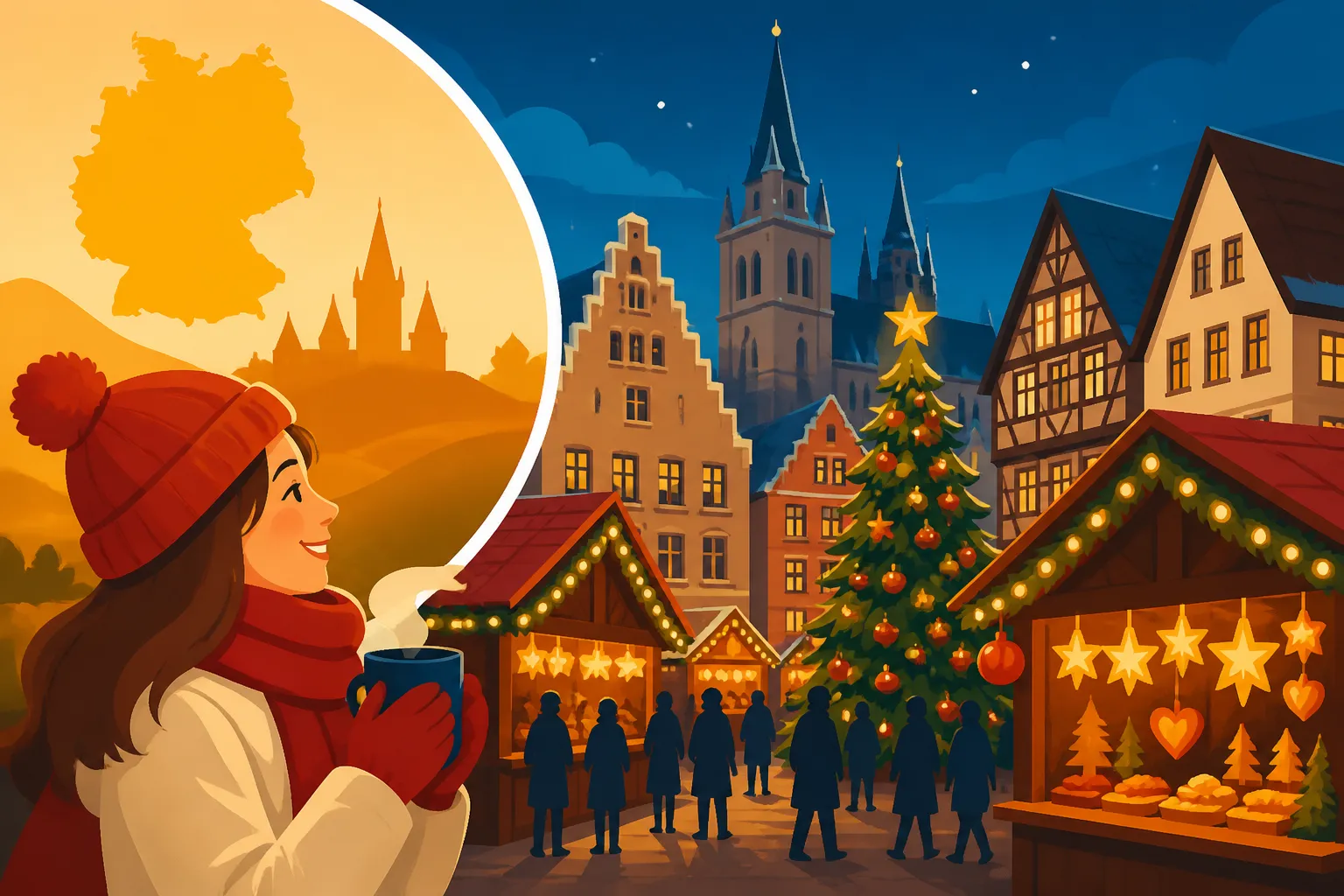
Germany’s Best Christmas Markets: Where to Go
Ah, the German Christmas Markets! If you're anything like me when I first moved here, you've heard whispers of their enchanting magic, seen those postcard-perfect images, and now you're wondering which ones are truly worth battling the crowds for. Planning your first Christmas market trip can feel a bit overwhelming, with so many incredible options scattered across the country. This guide is here to help you navigate the festive maze, pinpointing Germany's best Christmas markets and offering all the insider tips to make your visit truly unforgettable.
Disclosure: This post may contain affiliate links. We may earn a commission at no extra cost to you if you make a purchase through these links. Read full disclosure.
The Magic of German Christmas Markets: An Introduction
There's something incredibly special about the German Christmas market season, or Weihnachtsmarktzeit. It's not just a collection of stalls; it’s a full-blown sensory experience that transports you straight into a festive fairytale. As soon as late November rolls around, towns and cities across Germany transform, twinkling with thousands of lights, filling the air with the scent of cinnamon and roasted almonds, and resounding with the cheerful murmur of excited crowds. For many expats and tourists, this is the quintessential German winter experience, a tradition deeply woven into the fabric of the culture.
What Makes Them So Special?
What is it about these markets that draws millions of visitors each year? Honestly, it's a blend of tradition, atmosphere, and sheer indulgence. Imagine wooden chalets adorned with festive decorations, handcrafted ornaments glinting under soft lights, and the comforting warmth of a Glühwein mug in your hands. It's a place where time seems to slow down, allowing you to savour moments with loved ones amidst the joyful hustle and bustle. Each market has its own unique flavour, reflecting the local customs and specialties of its region, making every visit a fresh discovery. You'll find everything from traditional gingerbread in Nuremberg to charcoal-grilled sausages in Thuringia, all enjoyed in a vibrant, communal setting that feels both ancient and utterly timeless.
A Bit of History and Tradition
The roots of German Christmas markets stretch back centuries, with some claiming origins as far back as the Middle Ages. They began as simple winter markets, providing townspeople with essentials before the harsh winter months truly set in. Over time, these markets evolved, incorporating festive goods, handicrafts, and seasonal treats. The Striezelmarkt in Dresden, for example, is considered one of Germany's oldest, dating back to 1434. These markets weren't just commercial hubs; they were important social gatherings, offering a chance for communities to come together, share news, and prepare for the festive season. The name "Christmas market" itself speaks to this shift, focusing on the celebration of Advent and Christmas. Many markets still open with a grand ceremony, often featuring a "Christkind" or "angel" who officially inaugurates the festivities, connecting visitors to these age-old traditions.
Planning Your Christmas Market Adventure: Logistics and Tips
Embarking on a Christmas market tour in Germany requires a bit of planning, especially if you want to make the most of your time and avoid unnecessary stress. From picking the right dates to figuring out how to get around, a little foresight goes a long way. Trust me, showing up unprepared in a bustling city centre during peak market season is an experience you won't want to repeat!
Best Time to Visit and Avoid Crowds
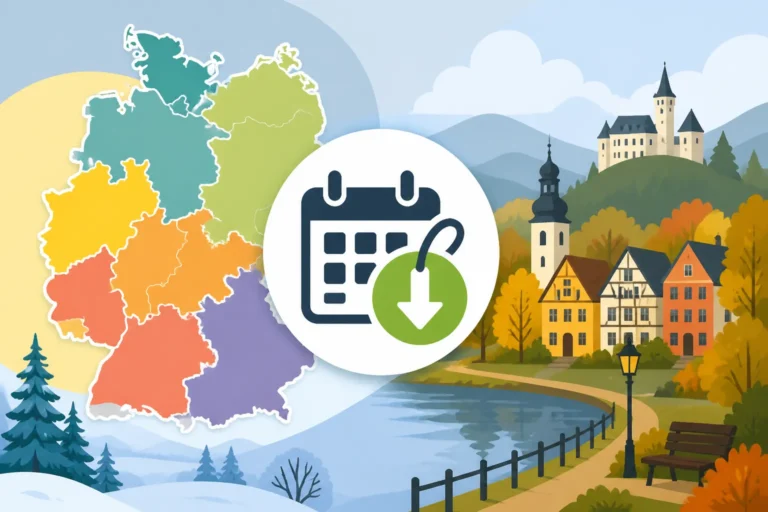
Generally, most German Christmas markets open in late November, typically the Friday before the first Advent, and run until around December 23rd or 24th, with a few extending into the New Year. The sweet spot for visiting, if you want to soak in the atmosphere without being completely overwhelmed by crowds, is usually the first week of December or early on a weekday. Weekends, especially as Christmas draws nearer, can be incredibly packed, making it hard to move, let alone properly browse the stalls.
My personal tip? Try to go mid-week (Tuesday to Thursday) and aim for late afternoon. You'll catch the transition from daylight to the magical evening glow, and you'll experience the market at its most enchanting as the lights come on, but before the after-work rush hits. Avoid the last weekend before Christmas like the plague unless you genuinely enjoy being shoulder-to-shoulder with thousands of other merrymakers. Also, be mindful of German Public Holidays, as these can drastically increase crowds, especially around the major cities.
Accommodation and Transport Advice
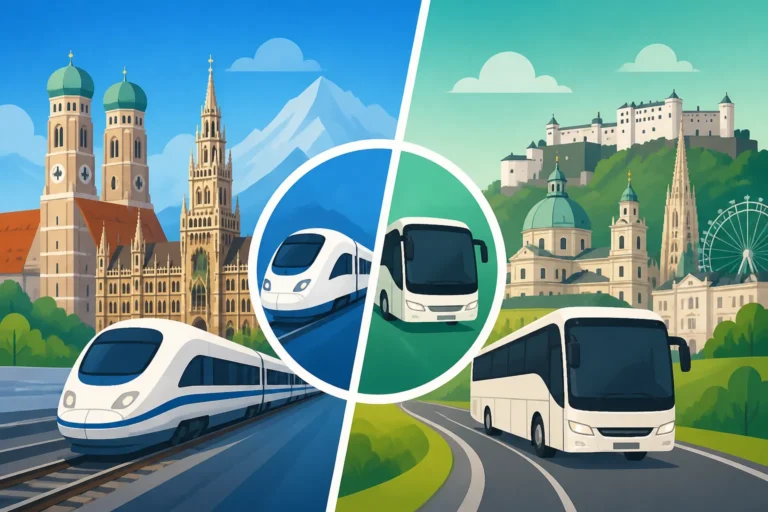
Germany's excellent public transport network makes navigating between cities and markets relatively straightforward. For long-distance travel, the Deutsche Bahn (DB) train system is your best friend. Booking your tickets in advance, especially for ICE high-speed trains, can save you a significant amount of money. For planning, you can check schedules and book tickets directly through the DB website or apps, or even use platforms like Omio, which can help you compare various transport options like buses and trains. If you're travelling around a specific region, consider a regional day ticket offered by DB, which can be very cost-effective for group travel.
When it comes to accommodation, expect prices to be higher during the Christmas market season. It's crucial to book well in advance, especially for popular cities or smaller towns with fewer options. Websites like Booking.com are invaluable for comparing hotels, guesthouses (Pensionen), and even holiday apartments. Staying near the city centre or a main train station can be a huge advantage, allowing you easy access to the markets and transport connections. Remember that parking can be a nightmare in city centres during this time, so unless you plan on Renting a Car and Driving on the Autobahn for wider regional exploration, relying on public transport is often the more sensible and less stressful choice. For those needing to stay connected, make sure you've sorted out your Mobile Data and eSIMs for Travel in Germany beforehand, so you can easily navigate and share your festive photos!
Iconic Markets You Can't Miss
When people picture a German Christmas market, chances are they're envisioning one of these legendary spots. They're popular for a reason, offering an unforgettable blend of tradition, scale, and atmosphere.
Nuremberg: The Classic Christkindlesmarkt
The Nuremberg Christkindlesmarkt is arguably the most famous Christmas market in Germany, renowned worldwide for its authentic traditional charm. Located in the heart of Nuremberg's Old Town, it draws millions of visitors annually. What truly sets it apart is its strict adherence to tradition: only handmade, local goods are allowed, ensuring an authentic experience devoid of mass-produced items. The market square, Hauptmarkt, transforms into a twinkling "small city of wood and cloth" with red-and-white striped stalls.
At the heart of the market, you'll find the stunning Frauenkirche and the Beautiful Fountain, providing a magnificent backdrop. Don't miss the opportunity to try the famous Nürnberger Rostbratwürste, small grilled sausages, and Elisenlebkuchen, a delicious type of gingerbread. The market is also home to the iconic Nuremberg Christkind, an angelic figure who opens the market with a festive prologue each year and makes regular appearances, adding a truly magical touch, especially for families. It’s a truly classic German Christmas market experience that often lives up to its grand reputation.
Dresden: Home of the Striezelmarkt
As mentioned earlier, Dresden's Striezelmarkt holds the esteemed title of Germany's oldest Christmas market, first recorded in 1434. This deep history is palpable in its atmosphere, which feels both grand and deeply rooted. The market takes its name from Striezel, an old German word for Stollen, the famous fruit bread that originated in Dresden. A highlight is the annual Stollen Festival, where a giant Stollen, weighing several tons, is paraded through the city before being ceremonially cut and sold.
The market itself is a vibrant affair, centered around the Altmarkt square. You'll find a massive step pyramid, a beautifully decorated Ferris wheel, and countless stalls selling traditional Lusatian pottery, wooden handicrafts from the Erzgebirge mountains, and other regional specialties. The proximity to Dresden's stunning Baroque architecture, like the Frauenkirche and Zwinger palace, adds an extra layer of grandeur to the festive scene. If you appreciate history and artisanal crafts, the Striezelmarkt is an absolute must-visit.
Cologne: Cathedral Backdrop and Themed Markets
Cologne offers a truly unique Christmas market experience, not just because of its magnificent Gothic cathedral looming majestically over the main market, but also because the city hosts several distinct themed markets, each with its own character. The largest and most famous is the one directly in front of the Cologne Cathedral (Kölner Dom), with its enormous Christmas tree and stage for live music. The scent of roasted almonds and mulled wine here is simply intoxicating, all beneath the stunning spire of the cathedral.
But venture a little further, and you’ll discover other gems. The "Heavenly Christmas Market" (Heinzels Wintermärchen) in the Old Town, spread across Alter Markt and Heumarkt, is a personal favourite. It's themed around the "Heinzelmännchen" (house gnomes) of Cologne legend, with charming, rustic stalls and even an ice rink. Then there's the "Harbour Christmas Market" by the Chocolate Museum, offering a maritime flair with a stunning view of the Rhine, and the "Angel's Market" (Markt der Engel) on Neumarkt, featuring beautifully lit angel figures and a sophisticated atmosphere. Each market has its own vibe, allowing you to easily hop between different festive worlds in one city.
Charming and Unique Markets Off the Beaten Path
While the grand, iconic markets are truly spectacular, some of Germany's most enchanting Christmas experiences can be found in smaller, more intimate settings or those with a truly distinctive flavour. These are the places where you can often feel a deeper connection to local traditions and find treasures away from the biggest crowds.
Rothenburg ob der Tauber: Medieval Christmas Dream
Stepping into Rothenburg ob der Tauber is like stepping into a perfectly preserved medieval fairytale, and it only becomes more magical during its "Reiterlesmarkt." The narrow cobblestone streets, half-timbered houses, and ancient city walls provide an unparalleled backdrop for a Christmas market. Unlike the larger markets, Rothenburg's charm lies in its intimacy and unwavering adherence to tradition. The "Reiterlein" (little rider) from which the market gets its name, is a mythical figure said to pass through the town during Advent, bringing good fortune.
You won't find flashy modern attractions here. Instead, expect traditional German crafts, delicious regional treats, and the palpable sense of history. It's a truly romantic setting, perfect for strolling hand-in-hand, sipping Glühwein, and soaking in the timeless festive spirit. Don't forget to visit Käthe Wohlfahrt's Christmas Village, a year-round Christmas shop that is truly a wonderland in itself. A Day Trip from Munich could easily include this gem, combining Bavarian beauty with medieval charm.
Esslingen: Step Back in Time with a Medieval Market
For a truly immersive historical experience, the Medieval & Christmas Market in Esslingen am Neckar, near Stuttgart, is unparalleled. This isn't just a market; it's a living history spectacle that transports you straight back to the Middle Ages. Vendors dress in period costumes, craftsmen demonstrate ancient trades like glassblowing, blacksmithing, and rope-making, and you can even try your hand at archery or listen to medieval troubadours.
The market sprawls through Esslingen's stunning Old Town, with its charming half-timbered houses providing an authentic setting. Instead of electric lights, many stalls are lit by torches and candles, enhancing the historical atmosphere. You'll find unique food and drink options here too, like medieval-style mead (Met) and hearty stews cooked over open fires. It's an incredible experience for families and anyone fascinated by history, offering a vibrant contrast to more conventional Christmas markets. If you're based near Frankfurt, a day trip to Esslingen could be a fantastic way to experience this unique market.
Ravennaschlucht: The Black Forest Gem
Imagine a Christmas market nestled under a dramatically illuminated railway viaduct, deep within the enchanting Black Forest. That's exactly what you get at the Christmas market in Ravennaschlucht (Ravenna Gorge). This relatively newer market, only active for a few weekends during Advent, has quickly gained fame for its breathtakingly picturesque setting. The towering arches of the Höllentalbahn railway bridge are magically lit, casting a glow over the snow-dusted forest and the quaint wooden huts below.
This market focuses on regional crafts and specialties from the Black Forest, offering a more intimate and less commercial feel than some of the larger city markets. You can find intricate cuckoo clocks, handmade wooden toys, and, of course, delicious Black Forest ham and cherry cake. Getting there often involves a scenic bus ride, adding to the sense of adventure and making it feel like a true escape into a winter wonderland. It’s a perfect option if you're looking for a truly unique and visually stunning Christmas market experience away from the urban hustle.
What to Eat, Drink, and Buy at a German Christmas Market
One of the greatest joys of visiting a German Christmas market is indulging in the vast array of festive treats and finding unique gifts. The air itself is thick with enticing aromas, drawing you from stall to stall in a delightful culinary journey. This is where you really get to experience the local flavours and craftsmanship.
Feasting on Festive Foods
Prepare your taste buds for a culinary adventure! Every Christmas market offers a delicious selection of traditional German foods. You absolutely must try a grilled sausage – whether it's the famous Bratwurst (often served in a small bun, or Brötchen) or the smaller, spicier Currywurst (sausage sliced and served with a curried ketchup sauce). Another classic is Reibekuchen, which are potato pancakes, often served with applesauce (Apfelmus).
For something sweet, keep an eye out for Lebkuchen (gingerbread), Spekulatius (spiced biscuits), and Mandelgebäck (almond cookies). Roasted almonds (gebrannte Mandeln) are ubiquitous, their sweet, caramelized scent perfuming the air. Don't forget the Dampfnudeln, a fluffy steamed dumpling often served with vanilla sauce or a fruit compote, especially if you're in Bavaria. Many markets also offer regional specialties, so keep an open mind and sample local delicacies! If you want a deeper dive, check out our guide on What to Eat and Drink at a German Christmas Market.
Here’s a quick overview of some essential market eats:
| Food Item | Description | Typical Serving |
|---|---|---|
| Bratwurst | Grilled sausage, usually pork, seasoned differently by region | In a roll |
| Currywurst | Sausage (often boiled, then fried) with curried ketchup sauce | Sliced, with fries |
| Reibekuchen | Crispy potato pancakes | With applesauce |
| Flammkuchen | Thin-crust pizza-like dish with crème fraîche, onions, and bacon | Sliced |
| Käsespätzle | German egg noodles with cheese, often topped with fried onions | Bowl |
| Langos | Fried flatbread with toppings like garlic, sour cream, and cheese | Whole |
| Gebrannte Mandeln | Roasted almonds coated in caramelized sugar | Paper cone |
| Lebkuchen | Gingerbread cookies, often heart-shaped and decorated | Individual |
| Crepes | Thin pancakes with sweet or savoury fillings | Folded |
Warming Up with Glühwein and Other Drinks
No visit to a German Christmas market is complete without a warm, comforting drink. The undisputed star is Glühwein, a spiced mulled wine, typically red, but white versions (Weißer Glühwein) are also popular in some regions. Each vendor often has their own recipe, so don't be afraid to try a few! You can also opt for a Glühwein mit Schuss, which means with an added shot of liquor, usually rum or amaretto, for an extra kick.
For those who prefer non-alcoholic options, Kinderpunsch (children's punch) is a delicious, spiced warm fruit punch that's just as festive. Many stalls also offer hot chocolate. One important thing to remember: most markets use a Pfand (deposit) system for their mugs. You pay a small deposit (usually €2-€4) when you get your drink, and you get it back when you return the mug. Or, keep it as a lovely souvenir! For more on this festive beverage, consult our detailed guide to Glühwein and Festive Drinks in Germany.
Finding Unique Gifts and Souvenirs
Beyond the culinary delights, Christmas markets are a treasure trove for unique gifts and handcrafted souvenirs. You'll find an incredible array of artisanal products that make perfect presents or mementos of your trip. Look out for:
- Hand-carved wooden ornaments and toys: Especially from the Erzgebirge region, these are beautifully intricate.
- Nutcrackers and Räuchermännchen (incense smokers): Iconic German Christmas decorations.
- Glass ornaments: Delicate and often hand-painted, they add a special touch to any tree.
- Handmade candles and beeswax products: Often beautifully scented and crafted.
- Ceramics and pottery: Often featuring traditional designs or Christmas motifs.
- Woolen hats, scarves, and gloves: Perfect for staying warm during the market visit itself.
Don't rush your browsing. Take your time to chat with the artisans (many speak English!), learn about their craft, and find truly special items that tell a story. This is a far cry from generic souvenir shops, offering genuine craftsmanship and local heritage. Our guide on Christmas Market Shopping: Crafts and Gifts can offer even more ideas for your festive haul.
Navigating the Markets Like a Local
Visiting a Christmas market is more than just showing up; it's about embracing the experience, understanding the flow, and making the most of every festive moment. A little local knowledge can transform your visit from chaotic to charming.
Cash, Cards, and Crowd Control
Germany, generally speaking, is still a cash-heavy society, and Christmas markets are no exception. While some larger stalls or those run by bigger companies might accept card payments, the vast majority of smaller, independent vendors will operate on a cash-only basis. It's always a good idea to carry enough euros in small denominations to cover your food, drinks, and small purchases. Nothing breaks the festive mood faster than having to hunt for an ATM in a dense crowd! Check out our guide on Using Cash vs Card in Germany: Is Germany Going Cashless? for more insights.
When it comes to crowds, patience is key. These markets are incredibly popular, and you'll often find yourself in dense throngs, especially in popular sections or near food stalls. Try to go with the flow, keep an eye on your belongings, and if you're travelling with children, consider a designated meeting spot in case you get separated. Some markets, particularly the ones in Cologne, can get very crowded, so be prepared for a lively atmosphere!
Etiquette and Enjoying the Atmosphere
German Christmas markets are places of joy and celebration, but a few unspoken rules can help you integrate seamlessly. Politeness goes a long way – a simple "Hallo" and "Danke" when interacting with vendors is always appreciated. Be mindful of personal space, even in crowded areas, and don't block pathways. When finished with your Glühwein, return your mug to any stall that sells Glühwein, not just the one you bought it from, to reclaim your Pfand. This helps keep the markets clean and efficient.
Embrace the cozy German concept of Gemütlichkeit – a feeling of warmth, comfort, and cheer. Linger over your Glühwein, listen to the carolers, and simply soak in the festive ambiance. It’s a place for communal enjoyment, so share a table if one is tight, and join in the general festive spirit. Remember, the true magic isn't just in the items you buy or the food you eat, but in the shared experience of celebrating centuries-old traditions.
Disclaimer
Please note that while we strive to provide the most current and accurate information, details regarding opening hours, specific attractions, and vendor participation at Christmas markets can change annually. It's always a good idea to check the official websites of the specific markets you plan to visit closer to your travel dates for the latest updates. Travel during the Christmas season can also be subject to weather conditions and unforeseen local events.