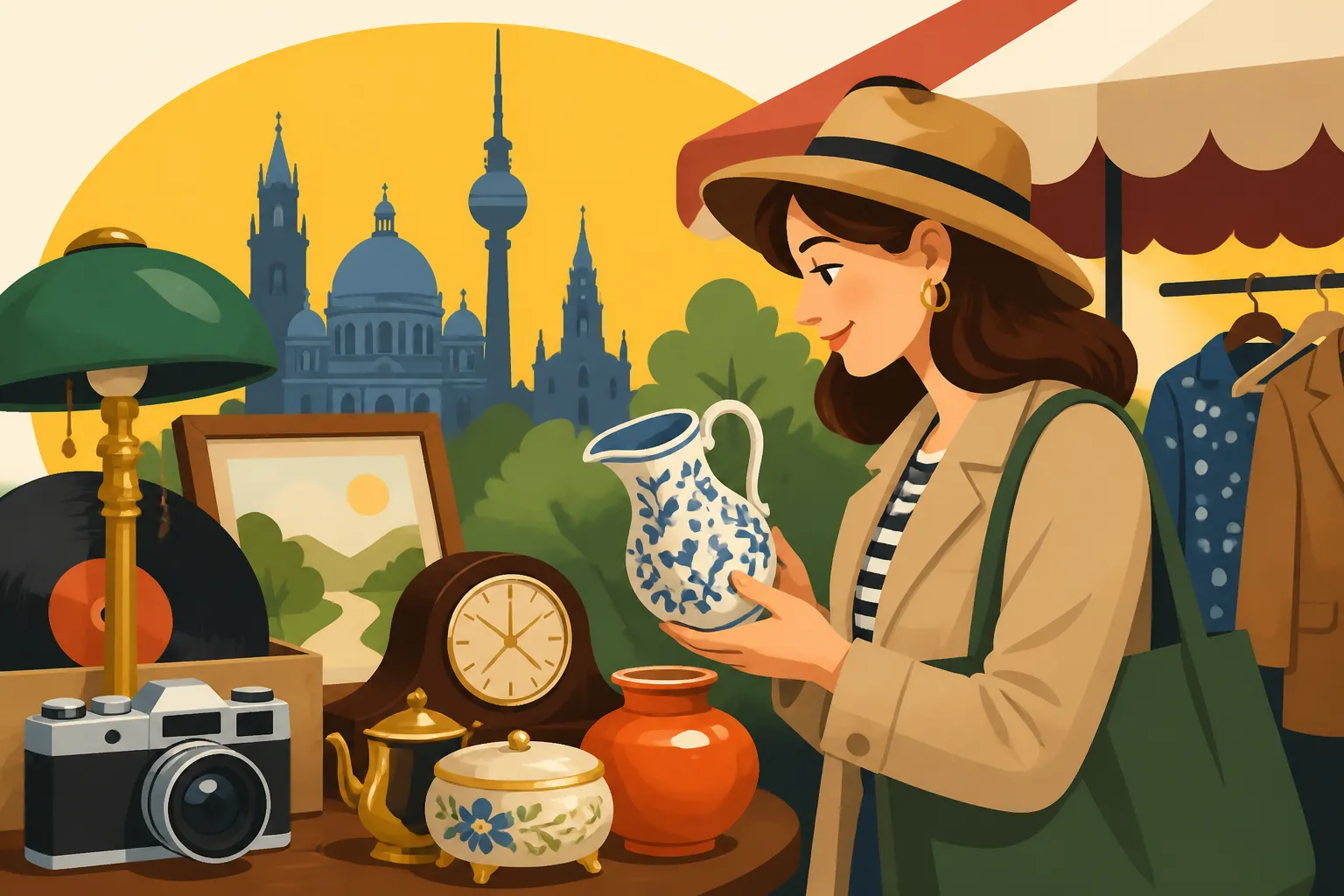
German Flea Markets (Flohmarkt) and Vintage Finds
Oh, the glorious German Flohmarkt! If you're anything like me, the sheer thought of unearthing a hidden gem among rows of quirky, pre-loved treasures makes your expat heart sing. But let's be real, navigating the world of German flea markets can feel like a whole new level of cultural immersion, especially when you're used to a different way of shopping. This guide is going to walk you through everything you need to know, from finding the best markets to mastering the art of the Feilschen (haggling), ensuring your treasure hunt in Germany is not just successful, but genuinely enjoyable.
Disclosure: This post may contain affiliate links. We may earn a commission at no extra cost to you if you make a purchase through these links. Read full disclosure.
The Allure of the German Flohmarkt: More Than Just Shopping
There's something incredibly special about a German flea market. It's not just a place to buy second-hand goods; it's a vibrant social event, a cultural experience, and often, a weekly ritual for locals. As expats, it offers a fantastic window into everyday German life, and a chance to truly connect with the community beyond the sterile aisles of a supermarket. Forget the curated perfection of modern retail; here, it's all about discovery, history, and the thrill of the unexpected.
A Treasure Hunt Experience
Stepping onto a Flohmarkt feels like entering a real-life treasure map. You never quite know what you're going to find, and that's precisely the magic of it. One stall might be overflowing with vintage porcelain teacups, while the next displays antique tools or a mountain of pre-loved clothing. It's a fantastic antidote to fast fashion and mass-produced goods, offering items with character, stories, and often, a much better build quality than modern equivalents. You might be looking for a specific piece of furniture to spruce up your new apartment, or perhaps you're just enjoying the serendipity of stumbling upon something you didn't even know you needed. It's a delightful way to spend a Saturday morning, coffee in hand, soaking up the atmosphere and letting your curiosity guide you. For those who appreciate sustainable living and giving items a second life, Flohmärkte are truly a paradise.
The Cultural Significance
Flea markets in Germany are deeply ingrained in the local culture, serving as important community hubs. They're places where generations mingle, families spend time together, and neighbors catch up. Unlike some countries where flea markets might be seen purely as a means for the less fortunate to sell items, in Germany, they are widely embraced by all social strata. You'll find everyone from students looking for affordable furniture to seasoned collectors seeking rare antiques. It's also a testament to German values of practicality, sustainability, and quality. Germans appreciate well-made items that last, and a Flohmarkt is where these items often begin their second (or third) life. It's common to see entire families selling off items they no longer need, teaching their children about commerce and recycling in a very hands-on way. Plus, let's be honest, Germans love a good deal, and the Flohmarkt is often the best place to find one!
Decoding Flohmarkt Types and Schedules
Not all flea markets are created equal in Germany. Just like you wouldn't expect a local weekly market to have the same offerings as a grand Christmas market, Flohmärkte come in various flavors and sizes. Understanding these differences can save you a lot of time and help you target your treasure hunt more effectively.
Regular Weekend Markets
These are your bread-and-butter Flohmärkte, typically held every Saturday or Sunday, sometimes bi-weekly or monthly, in city squares, parkings lots, or designated open spaces. They are the most common type and offer a broad mix of everything: household items, clothing, books, records, toys, small furniture, and various bric-a-brac. The selection can be vast, ranging from professional dealers to private individuals simply clearing out their attics. These markets are usually bustling, especially in good weather, and often include food stalls where you can grab a Bratwurst or a coffee. Each city will have its own popular regular markets; for instance, Berlin boasts the famous Flohmarkt am Mauerpark on Sundays, while in Munich, the Flohmarkt auf der Theresienwiese (where Oktoberfest is held) is a major draw, though it only runs a few times a year. Always check local listings or websites like Marktagenda.de to confirm dates and times, as they can vary.
Specialized and Theme Markets
Beyond the general weekend markets, Germany also hosts a fantastic array of specialized Flohmärkte. These are a dream come true if you're looking for something specific.
For instance, you might find Antikmärkte (antique markets) which focus purely on genuine antiques and higher-value collectibles, often with professional dealers. These might have stricter pricing, but also a guarantee of quality and authenticity. Then there are Büchermärkte (book markets), which are literary havens for bibliophiles, offering everything from rare editions to cheap paperbacks. Kindersachenmärkte (children's item markets) are perfect for parents looking for gently used clothes, toys, and baby gear at bargain prices. You'll also encounter Trödelmärkte which generally implies a market with more "junk" or general rummage, but can hide some truly fascinating finds for the patient hunter. Some cities even have dedicated Designer Flohmärkte for vintage fashion, or art markets for local artists. Keep an eye out for these, as they cater to niche interests and can offer truly unique items you won't find anywhere else. Sometimes even specific areas will have a yearly street festival that includes a Flohmarkt, which can be a wonderful way to experience a local neighborhood.
Online and Digital Flea Markets
While the physical Flohmarkt experience is irreplaceable, Germany also has a robust online second-hand market. Platforms like eBay Kleinanzeigen (now Kleinanzeigen) are incredibly popular, essentially functioning as digital flea markets where individuals sell items locally. You can find almost anything here, from large furniture pieces to electronics, and often arrange for pick-up directly with the seller. This can be particularly useful if you're looking for specific items and don't have the time to scour physical markets every weekend. Other platforms, though less common for traditional "flea market" items, include Vinted for fashion and smaller items, and specialized Facebook groups for buying and selling within local communities. While these digital options lack the immediate atmosphere and human interaction of a real Flohmarkt, they offer convenience and a broader reach, especially for those in smaller towns or with specific needs. When settling into Germany, understanding how to use these platforms can be a huge help, almost as vital as learning how to navigate public transport with your Deutschland-Ticket Explained.
Essential Tips for a Successful Flohmarkt Adventure
A Flohmarkt visit can be an overwhelming experience if you're not prepared. Rows upon rows of goods, crowds, and the occasional language barrier can turn a fun outing into a frustrating one. But with a few insider tips, you can transform your visit into a highly productive and enjoyable treasure hunt.
Preparation is Key
Before you even leave your apartment, a little bit of planning can go a long way. First, check the weather! Many Flohmärkte are outdoors, and a sudden downpour can dampen spirits (and goods). Dress comfortably in layers, as you'll be walking and standing a lot. Wear shoes that are easy to slip on and off if you plan to try on clothes.
Second, bring cash! While some professional vendors might accept card payments or PayPal, the vast majority of private sellers operate on a cash-only basis. Small denominations are best, as vendors might not have change for large bills. This is still very much a cash-heavy society in many aspects, something you'll notice in various parts of daily life, including when Using Cash vs Card in Germany. A sturdy, reusable shopping bag (or several!) is essential for carrying your finds. If you anticipate buying larger items, consider bringing a backpack or even a small trolley. Some serious Flohmarkt enthusiasts even bring measuring tape to check furniture dimensions on the spot!
Negotiation and Haggling (Feilschen)
Ah, the art of Feilschen! This is where many expats might feel a bit uncomfortable, as haggling isn't common in regular German retail. However, at a Flohmarkt, it's often expected and part of the fun. Don't be shy to ask "Was ist Ihr letzter Preis?" (What's your last price?) or "Können wir über den Preis reden?" (Can we talk about the price?).
A general rule of thumb is to offer about 10-20% less than the asking price, especially if you're buying multiple items from the same seller. Don't be aggressive or rude; a friendly smile and a polite tone go a long way. If the seller doesn't budge, thank them and move on. Sometimes, if you walk away, they might call you back with a better offer. The key is to be respectful and enjoy the interaction. Remember, it's not about driving the price down to nothing, but about finding a fair deal for both parties. You'll soon get a feel for which items and sellers are more open to negotiation.
Payment Methods and Transport
As mentioned, cash is king at Flohmärkte. Have plenty of small bills and coins readily available. While Germany is slowly becoming less cash-dependent, particularly in urban areas and for larger retailers, many small vendors and private sellers at flea markets still prefer cash transactions. You might occasionally find vendors who accept mobile payments via PayPal, but it's not the norm. So, make sure to visit an ATM beforehand.
For transport, if you're only buying small items, public transportation is your best friend. Germany has an excellent public transport network, making it easy to reach most markets. Consider getting a day ticket or using your monthly pass if you plan to travel extensively. However, if you're eyeing larger items like furniture, you'll need a plan. Some larger markets might have delivery services available (for a fee), but these are usually from professional dealers. For private sellers, you'll need to arrange your own pick-up. This could mean renting a car for a few hours (companies like Share Now or Miles are popular for short-term rentals) or asking a friend with a larger vehicle. Don't assume you can just hail a taxi for a giant wardrobe; always plan ahead for bulky purchases. Many expats leverage services like Omio to compare train and bus options for getting to larger, regional markets without a car, and then consider a local car-sharing service once there for transportation of larger items.
What to Hunt For: Popular Vintage Finds in Germany
The beauty of a Flohmarkt lies in its sheer variety. While you can find almost anything, certain categories of vintage items are particularly popular and well-represented in German markets. Knowing what to look for can help you focus your search and potentially uncover some real treasures.
Home Goods and Decor
German homes are renowned for their quality and practicality, and this extends to their home goods. You'll often find a fantastic selection of vintage crockery, glassware, and kitchenware. Think sturdy ceramic plates, elegant crystal glasses, and practical but charming enamel pots and pans. Look out for well-preserved pieces from brands like Villeroy & Boch, Rosenthal, or Melitta, which are known for their durability and classic designs.
Furniture is another big draw, though transporting it can be a challenge. Smaller pieces like bedside tables, chairs, or decorative shelves are common. If you're lucky, you might even spot a beautiful mid-century modern piece that just needs a little TLC. Vintage lamps, often with unique designs and good quality materials, are also plentiful. And don't forget the textiles – beautiful linen tablecloths, embroidered napkins, and even unique curtains can add a touch of authentic German charm to your home. It’s a wonderful way to furnish your place sustainably without breaking the bank, much like finding deals at a local Flohmarkt for Second-Hand Shopping in Germany.
Fashion and Accessories
For fashion enthusiasts, German Flohmärkte are a goldmine for unique vintage clothing and accessories. You can find everything from sturdy leather jackets and classic trench coats to quirky dresses and blouses from decades past. Keep an eye out for high-quality fabrics like wool, linen, and silk, which often hold up incredibly well over time. The prices for vintage clothing can be surprisingly low, especially if you're willing to dig a bit.
Accessories are also abundant. Scarves, belts, hats, and a plethora of costume jewelry are common finds. Vintage handbags, particularly those made of good leather, can be excellent investments. While it might take some sifting through, finding a unique, one-of-a-kind piece that expresses your style is incredibly rewarding. Just remember to inspect items carefully for damage, stains, or missing buttons before purchasing. Sometimes, a small repair is all that's needed to bring a beautiful garment back to life.
Books, Records, and Collectibles
If you're a collector of any kind, German flea markets will not disappoint. Book lovers can spend hours sifting through tables piled high with old books (Bücher). You'll find German literature, of course, but often also English-language books, art books, children's books, and sometimes even rare first editions. Prices are typically very reasonable, making it a budget-friendly way to build your personal library.
For music aficionados, the Flohmarkt is a prime spot for vinyl records (Schallplatten). You can unearth classic German rock, pop, folk, and classical music, as well as international artists. Dedicated record collectors know the thrill of finding a rare pressing or a beloved album they've been searching for. Beyond records, you might also find old CDs, cassette tapes, and even antique radios or record players.
Other popular collectibles include vintage postcards, stamps, coins, old toys, and various figurines. Many sellers specialize in these smaller, more specific items. These markets are a great place to pick up unique souvenirs or gifts that truly reflect German history and culture, far more authentic than anything you'd find in a typical tourist shop. For some, finding that perfect collectible or piece of vintage art might even be part of a broader travel itinerary curated through platforms like GetYourGuide, which often highlight local cultural experiences.
Top Flohmärkte Across Germany (and How to Get There)
Germany is dotted with fantastic flea markets, each with its own character and specialties. While it's impossible to list every single one, let's explore some of the most famous and well-regarded Flohmärkte in major cities, along with tips on how to reach them.
Berlin's Iconic Flea Markets
Berlin is arguably the capital of cool when it comes to Flohmärkte, offering an incredible variety of markets for every taste.
- Flohmarkt am Mauerpark (Sunday): This is probably Berlin's most famous and vibrant flea market. Located next to the former Berlin Wall, it’s a sprawling market famous for its vintage clothes, records, bikes, and unique street food. It's not just about shopping; the adjacent park hosts karaoke sessions and street performers, making it a full-day experience.
- How to get there: Take the U8 to Bernauer Straße or Eberswalder Straße, or the M10 tram to Friedrich-Ludwig-Jahn-Sportpark.
- Antik- und Buchmarkt am Bodemuseum (Saturday & Sunday): Situated on Museum Island, this market offers a more refined selection, focusing on antiques, art, and books. It's a quieter affair, perfect for serious collectors.
- How to get there: Easily accessible from Hackescher Markt (S-Bahn) or Friedrichstraße (S-Bahn, U-Bahn, regional trains).
- Flohmarkt Boxhagener Platz (Sunday): A popular East Berlin market, offering a mix of vintage furniture, clothing, and household items. It's smaller than Mauerpark but has a lovely neighborhood feel.
- How to get there: Take the U5 to Samariterstraße or the S-Bahn to Ostkreuz.
Getting around Berlin's extensive public transport system is relatively easy, whether you're using a single ticket or a day pass. Tools like Omio can help you plan your journey to these markets if you're traveling from another German city for a dedicated treasure hunt.
Munich's Diverse Offerings
Munich might be better known for Oktoberfest, but it also has a thriving flea market scene, albeit often less frequent than Berlin's.
- Flohmarkt auf der Theresienwiese (Several Saturdays a year): This is Munich's largest flea market, held several times a year on the same grounds as Oktoberfest. It's massive, with hundreds of vendors selling everything imaginable. Due to its size, it requires dedication to explore fully. Check the exact dates online, as they vary.
- How to get there: U4/U5 to Theresienwiese.
- Flohmarkt Daglfing (Friday & Saturday): Located near the horse racing track, this market is a year-round fixture. It's a classic Trödelmarkt (rummage market) with both indoor and outdoor sections, offering a vast array of second-hand goods.
- How to get there: S-Bahn S8 to Daglfing.
- Münchner Stoffmarkt (Various dates): Not exactly a Flohmarkt, but a popular textile market that moves through various German cities, including Munich. If you're a crafter or looking for unique fabrics, it's worth seeking out.
- How to get there: Locations vary, check their website.
Munich's U-Bahn and S-Bahn network is efficient, making it easy to reach these markets. If you're planning a trip to Munich, you might consider booking your accommodation through Booking.com to be near the markets or good transport links.
Hidden Gems in Other Cities
Beyond the big two, many other German cities boast fantastic Flohmärkte that are worth exploring.
- Flohmarkt am Rheinufer (Cologne – selected Sundays): Located along the Rhine River with stunning cathedral views, this market offers a picturesque setting for your treasure hunt. It's a popular spot for antiques and unique items.
- How to get there: Tram 7 to Severinstraße or a short walk from the city center.
- Flohmarkt am Grossmarkt (Hamburg – every Sunday morning): This early bird market starts before dawn and is known for its incredible variety, from fresh produce to antiques and everything in between. It's a bustling, authentic Hamburg experience.
- How to get there: S-Bahn to Sternschanze or a walk from the main train station.
- Flohmarkt Karlsplatz (Stuttgart – Saturday): A central market offering a mix of typical flea market finds, popular with locals clearing out their homes.
- How to get there: U-Bahn/S-Bahn to Hauptbahnhof or Stadtmitte.
- Halle 02 Flohmarkt (Heidelberg – selected dates): This indoor market is perfect for rainy days and offers a more curated selection in a cool industrial setting.
- How to get there: It’s a bit outside the city center, often reached by bus. Check local transport for specifics.
For visitors planning multi-city trips to hit several markets, remember to consult resources like Omio to compare train fares and schedules, making the most of your journey across Germany. You can often combine your market visits with other local attractions, perhaps even booking a unique walking tour through GetYourGuide in one of these historic cities.
Here's a quick overview of some common Flohmarkt types and what to expect:
| Flohmarkt Type | Typical Frequency | Best For | Key Features | Tips for Expats |
|---|---|---|---|---|
| Normaler Flohmarkt | Weekly (Sat/Sun) or Monthly | General household items, clothes, books, toys | Mix of private and professional sellers, bustling | Bring cash & bags, be ready for variety, practice Feilschen. |
| Antikmarkt | Less frequent, specific dates | Genuine antiques, high-value collectibles | Professional dealers, higher prices, curated selection | Research items beforehand, check authenticity, expect less haggle room. |
| Kindersachenflohmarkt | Seasonal (Spring/Autumn) | Children's clothes, toys, baby gear, books | Parents selling gently used items, often indoors | Great for families, good condition items, can be very busy. |
| Bücherflohmarkt | Various, sometimes daily | Books (all genres), magazines, postcards | Can be very specialized, sometimes charity-run | Perfect for bibliophiles, may find English books. |
| Trödelmarkt | Often weekly | General rummage, bric-a-brac, quirky items | More "junk" but potential for hidden gems, very mixed | Requires patience to sift through, prices often very low, good for DIY. |
| Nachtflohmarkt | Evening/Night, less frequent | Vintage fashion, unique decor, creative goods | Trendy, often with DJs/food trucks, social vibe | More curated, slightly higher prices, younger crowd. |
Navigating the Challenges: What Expats Should Know
While Flohmärkte are generally a joyous experience, it's worth acknowledging that, like anything new in an expat's life, there can be a few minor hurdles. Being prepared for these can make your outing much smoother and more enjoyable.
Language Barriers and Local Customs
One of the most common frustrations for new arrivals is the language barrier. While many Germans in larger cities, especially younger generations, speak English, at a Flohmarkt, particularly with private sellers, German is the default. Don't let this deter you! Even a few basic German phrases can make a huge difference. "Was kostet das?" (How much does that cost?), "Kann ich das anprobieren?" (Can I try this on?), "Vielen Dank!" (Many thanks!), and "Einen schönen Tag noch!" (Have a nice day!) will go a long way.
Culturally, Germans appreciate directness and honesty. If you're not interested in an item, a polite "Nein, danke" (No, thank you) is perfectly acceptable. Avoid excessive small talk if you're not genuinely interested in buying, as it can sometimes be misinterpreted. Don't touch items without asking, especially at more antique-focused stalls. A simple nod or "Guten Tag" when approaching a stall is a nice customary greeting. Understanding these small nuances can significantly improve your interaction with sellers, and will certainly make you feel more at ease than just struggling through.
Quality Expectations and Returns
It's crucial to remember that you're buying second-hand items. While Germans generally take good care of their possessions, expectations regarding quality should be realistic. Always inspect items thoroughly before purchasing. Look for stains, tears, chips, cracks, or any signs of wear and tear. If it's an electronic item, ask if you can test it (though this might not always be possible).
Unlike retail stores, there are generally no returns or warranties for items bought at a Flohmarkt, especially from private sellers. Once you've paid, the item is yours. Therefore, the "buyer beware" rule applies strongly here. If you're buying something significant, like a piece of furniture, ask about its condition in detail. If you're unsure, it's often better to walk away than to regret a purchase later. This is quite different from consumer rights you might be used to in your home country, and something you'll learn as you navigate Consumer Rights in Germany.
The Early Bird Catches the Worm (and Dealing with Crowds)
Most German Flohmärkte kick off bright and early, often by 7 or 8 AM. If you're serious about finding the best deals and the most unique items, you need to be an early bird. The best treasures are snapped up quickly by seasoned Flohmarkt veterans and professional resellers. Arriving an hour or two after opening might mean missing out on those truly special finds.
However, arriving early also means dealing with larger crowds, especially at popular markets like Berlin's Mauerpark. Be prepared for jostling, slow movement, and occasionally having to push your way through. If you prefer a more relaxed experience, consider visiting later in the day, though your selection might be more limited. The upside of a later visit is that sellers might be more willing to negotiate prices towards closing time, as they'd rather sell items than pack them up again. It's a trade-off, and you'll find your preferred rhythm after a few visits. For a smoother arrival, consider using tools like Omio to plan your trip, especially if you're traveling from a distance to get to a specific market.
Disclaimer
Please remember that while I strive to provide accurate and up-to-date information, the world of Flohmärkte in Germany is dynamic. Market dates, times, and specific offerings can change. Always check local listings, official market websites, or city event calendars before planning your visit. This guide is for informational purposes only and does not constitute professional advice.