Northern Germany and the Coast: Hamburg, the Baltic, and North Sea
It's easy to fall into the trap of thinking Germany is all about Oktoberfest, medieval castles in Bavaria, and the majestic Alps, isn't it? I totally get it; the south gets a lot of the spotlight. But let me tell you, dismissing Northern Germany and its stunning coastlines would be a huge disservice to your expat or travel experience. For years, I heard only whispers of the "real Germany" being down south, but once I ventured north, I discovered a totally different, equally captivating side of this incredible country that I now adore. This guide is going to take you on a deep dive into the unique charm, history, and natural beauty of Northern Germany, from the bustling port city of Hamburg to the serene shores of the Baltic and the rugged wildness of the North Sea.
Disclosure: This post may contain affiliate links. We may earn a commission at no extra cost to you if you make a purchase through these links. Read full disclosure.
Hamburg: Germany's Port City Gem
Hamburg, often hailed as Germany's "Gateway to the World," is a city that defies easy categorization. It's a vibrant metropolis with a rich maritime history, stunning architecture, and a dynamic cultural scene that rivals Berlin's in many ways, just with more water. If you've ever felt a longing for a city that blends old-world charm with modern innovation, Hamburg will capture your heart immediately. It’s a place where massive container ships glide past historic merchant houses, and the salty air carries tales of distant lands.
The Vibrant Cityscape and Alster Lakes
Stepping into Hamburg, you'll immediately notice the profound influence of water on its urban landscape. The city is crisscrossed by more canals than Amsterdam and Venice combined, giving it a unique, almost Nordic feel. At its heart lie the two Alster Lakes, the Binnenalster and Aussenalster, which are truly the city's lungs. These sprawling bodies of water aren't just pretty to look at; they're central to Hamburg's recreational life. On a sunny day, you'll see countless sailboats, kayaks, and stand-up paddleboarders gliding across the surface, while the promenades lining the shores are perfect for a leisurely stroll or a jog. The surrounding architecture, with its grand office buildings and elegant hotels, reflects the city's past as a wealthy Hanseatic trading power. You can even take a scenic boat tour from the Jungfernstieg promenade to get a different perspective of the city, passing stately homes and lush parks along the way. The atmosphere around the Alster is always buzzing, especially in summer when locals gather for picnics or enjoy a drink at one of the many lakeside cafes.
Historic Speicherstadt and Modern HafenCity
No visit to Hamburg is complete without immersing yourself in the architectural marvels of Speicherstadt and the futuristic vision of HafenCity. Speicherstadt, a UNESCO World Heritage site, is the world's largest historic warehouse district, a labyrinth of red-brick Gothic warehouses built on timber-pile foundations. These buildings, with their intricate gables and turrets, were once used to store valuable goods like coffee, tea, and oriental carpets. Today, they house trendy offices, cafes, museums, and even the Miniature Wonderland, a truly delightful model railway exhibition that's a must-see for all ages. Walking through these narrow cobblestone streets, especially at dusk when the lights reflect off the canals, feels like stepping back in time.
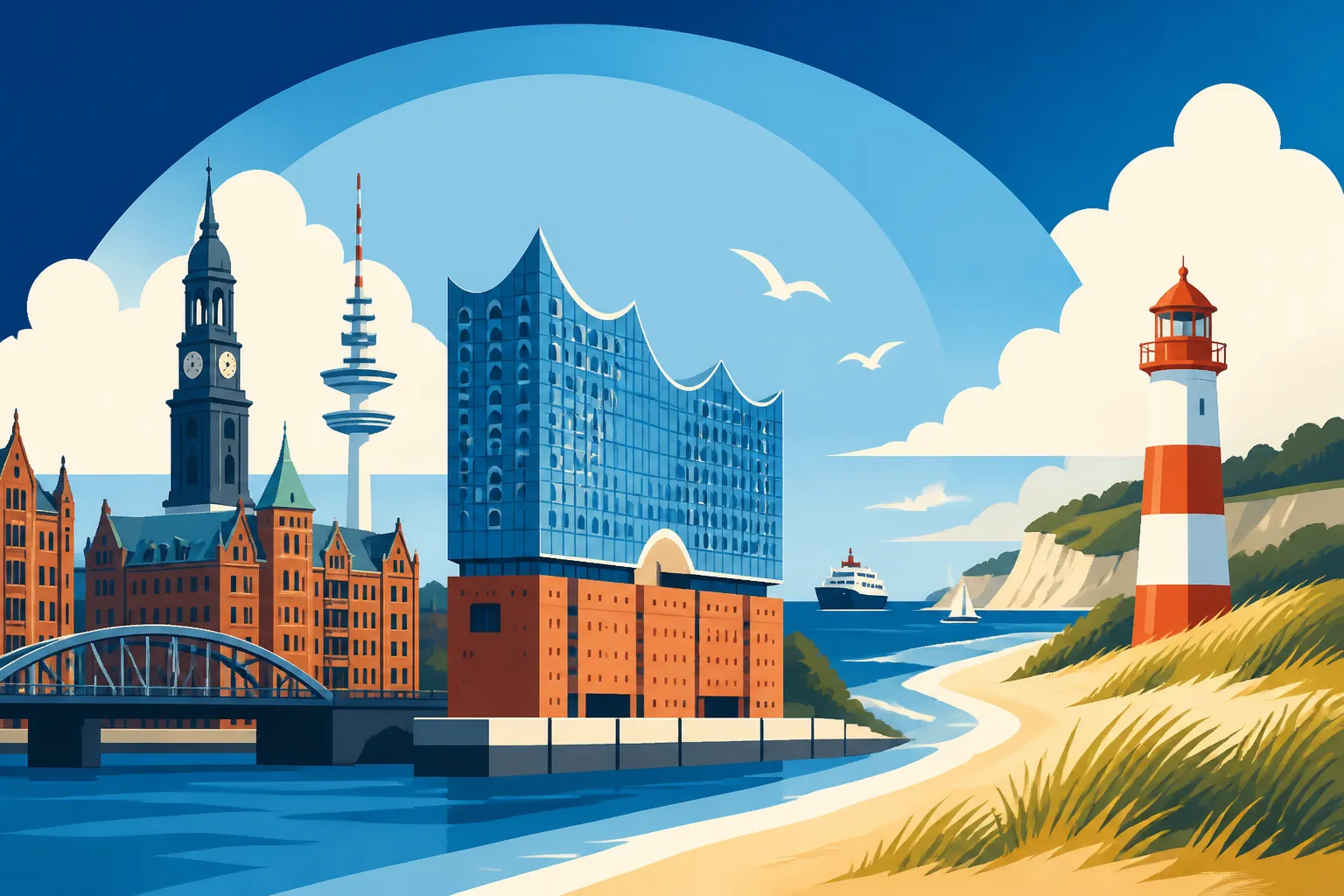
Right next door, and in stark contrast, is HafenCity, one of Europe's most ambitious urban development projects. This former port area has been transformed into a sleek, modern district boasting cutting-edge architecture, residential buildings, and the iconic Elbphilharmonie concert hall. The Elbphilharmonie, affectionately known as "Elphi," is a masterpiece of contemporary design, its glass façade resembling a shimmering wave, perched atop an old warehouse. Even if you don't attend a concert, its public viewing platform offers breathtaking panoramic views of the city and harbor. The juxtaposition of Speicherstadt's historic charm and HafenCity's modern grandeur creates a fascinating dialogue between past and future, making this area a captivating exploration of Hamburg's evolving identity. As you explore, consider using a platform like GetYourGuide to discover walking tours that delve into the fascinating history and future of these districts.
Culinary Delights and Nightlife
Hamburg's culinary scene is as diverse as its population, offering everything from traditional northern German fare to innovative international cuisine. Given its port city status, it's no surprise that seafood plays a starring role. You absolutely have to try a Fischbrötchen, a simple yet delicious fish sandwich, often with pickled herring or fried fish, available at countless stands around the harbor. For a more substantial meal, a classic Labskaus (a hearty dish of corned beef, potatoes, and pickled beetroot) offers a true taste of maritime tradition, though it's not for everyone! Beyond seafood, you'll find an abundance of trendy cafes, upscale restaurants, and vibrant food markets showcasing global flavors.
When the sun sets, Hamburg truly comes alive. The Reeperbahn in the St. Pauli district is legendary for its vibrant, sometimes raucous, nightlife. While it has a reputation as a red-light district, it's also packed with theaters, music clubs, bars, and restaurants, drawing a diverse crowd. For a more sophisticated evening, explore the smaller, chic bars in areas like Sternschanze or Karolinenviertel, where you'll find craft cocktails and a more relaxed atmosphere. The city also boasts a thriving live music scene, from intimate jazz clubs to large concert venues. Whether you're after a quiet drink or a night of dancing, Hamburg has something to offer every night owl.
The Baltic Sea Coast (Ostsee): Relaxed Shores and Charming Islands
Switching gears entirely, Germany's Baltic Sea (Ostsee) coast offers a serene escape with its long sandy beaches, picturesque seaside resorts, and a laid-back atmosphere. It’s a world away from the hustle and bustle of Hamburg, perfect for those seeking relaxation, natural beauty, and a touch of old-world elegance. The coastline, particularly in the states of Mecklenburg-Vorpommern and Schleswig-Holstein, is dotted with charming towns that have retained their classic spa town architecture and a slower pace of life.
Island Escapes: Rügen and Usedom
The Baltic Sea is home to some of Germany's most beautiful islands, with Rügen and Usedom standing out as premier destinations. Rügen, Germany's largest island, is famous for its dramatic white chalk cliffs (Königsstuhl) in Jasmund National Park, which plunge dramatically into the turquoise sea. These cliffs, immortalized by Caspar David Friedrich's paintings, are a spectacular sight, best viewed from a boat tour or from the Skywalk Königsstuhl. The island also boasts long, sandy beaches perfect for sunbathing, charming seaside resorts like Binz and Sellin with their elegant piers and historic "Bäderarchitektur" (spa architecture), and dense forests. You can spend days exploring the UNESCO World Heritage beech forests, cycling along scenic paths, or simply enjoying the tranquil atmosphere.
Usedom, often called the "Sunshine Island" due to its high number of sunny days, is shared between Germany and Poland. It’s a popular destination for families and those looking for a more relaxed beach holiday. Its wide, fine-sand beaches stretch for miles, inviting long walks and building sandcastles. Resorts like Ahlbeck, Heringsdorf, and Bansin are connected by a continuous promenade, allowing you to stroll between them and admire the stunning villas. The island also offers beautiful nature reserves, perfect for birdwatching or quiet hikes. Both Rügen and Usedom offer a distinct island charm, a blend of natural wonders and refined coastal living. When planning your island hopping, you might want to check Omio for ferry schedules and train connections to reach these beautiful destinations.
Coastal Resorts and Seaside Towns
Beyond the islands, the Baltic Sea coastline is peppered with delightful seaside resorts and historic towns, each with its own character. Places like Kühlungsborn, Warnemünde (near Rostock), and Timmendorfer Strand are renowned for their traditional charm. Warnemünde, with its iconic lighthouse and broad sandy beach, is a popular port of call for cruise ships and offers a lively promenade. Kühlungsborn boasts the longest beach promenade in Germany and a historic narrow-gauge steam train, the "Molli," which connects it to other charming towns.
These towns are characterized by their elegant architecture, often featuring grand hotels and villas with intricate balconies and decorative elements. Many have traditional piers extending into the sea, perfect for a sunset stroll or even a restaurant experience right above the waves. Visitors can indulge in spa treatments, enjoy fresh seafood, or simply unwind on the beach. The slower pace of life here is truly contagious, making it an ideal spot to de-stress and reconnect with nature. You'll find plenty of opportunities for water sports, cycling, and exploring the quaint town centers.
Activities and Natural Beauty
The Baltic Sea coast is a haven for outdoor enthusiasts and nature lovers. The calm waters are perfect for swimming, stand-up paddleboarding, and sailing. Numerous cycling paths crisscross the region, taking you through coastal forests, past amber-strewn beaches, and into charming fishing villages. Birdwatching is a popular pastime, especially in the national parks and nature reserves like the Darß-Zingst peninsula, a vital resting place for thousands of cranes during migration.
The diverse landscape, from the white sandy beaches to the dense beech forests and rugged cliffs, provides a stunning backdrop for any activity. You can go horseback riding along the beach, explore ancient lighthouses, or even try your hand at collecting amber, which often washes ashore after storms. The region's natural beauty is carefully preserved, with many areas designated as national parks or biosphere reserves, ensuring that its unique ecosystems thrive.
The North Sea Coast (Nordsee): Wild Winds and Wadden Sea Wonders
In stark contrast to the gentle Baltic, Germany's North Sea (Nordsee) coast is a wilder, more rugged affair, shaped by powerful tides and strong winds. It offers a completely different kind of coastal experience, characterized by vast mudflats, dramatic dunes, and a unique maritime culture. The North Sea climate is invigorating, and the landscape, though seemingly desolate at first glance, holds a profound, raw beauty.
The Frisian Islands and Their Unique Charm
Off the North Sea coast lie the East Frisian and North Frisian Islands, a string of unique insular worlds, each with its own distinct character. Islands like Sylt, Norderney, Amrum, and Föhr are popular destinations. Sylt, often dubbed the "St. Tropez of the North," is known for its upscale resorts, gourmet restaurants, and a vibrant celebrity scene, but also for its stunning, windswept beaches and dramatic dune landscapes. It offers a blend of luxury and raw nature.
Other islands, like Langeoog or Juist, are car-free havens, where the primary mode of transport is bicycle or horse-drawn carriage. This creates an incredibly peaceful and relaxed atmosphere, perfect for truly unplugging. These islands are characterized by their vast sandy beaches, picturesque lighthouses, and a strong sense of local tradition. Life here revolves around the rhythm of the tides, and the islanders' hospitality is legendary. Staying on one of these islands provides a truly immersive experience in North Sea culture. You can often book ferry tickets and accommodation together through platforms like Booking.com, making your island adventure seamless.
The UNESCO Wadden Sea National Park
One of the most remarkable features of the North Sea coast is the Wadden Sea (Wattenmeer), a UNESCO World Heritage site and one of the largest unbroken systems of intertidal sand and mudflats in the world. This unique ecosystem, shared by Germany, Denmark, and the Netherlands, is a vital habitat for millions of migratory birds, seals, and a vast array of marine life. It’s an area of breathtaking natural beauty and immense ecological importance.
Exploring the Wadden Sea is an unforgettable experience, often done through guided mudflat walks (Wattwanderungen) at low tide. These walks allow you to literally walk on the seabed, discovering lugworms, crabs, and other fascinating creatures that call this dynamic environment home. It’s crucial to go with an experienced guide, as the tides can change rapidly and unpredictably. The Wadden Sea offers incredible opportunities for birdwatching, seal spotting, and simply appreciating the raw power of nature. The ever-changing landscape, sculpted by the ebb and flow of the tides, provides a truly unique and humbling experience.
Climate and Activities
The North Sea climate is known for being invigorating, with fresh winds and often rapidly changing weather patterns. While it might not always be warm enough for sunbathing in a bikini, it's perfect for long walks along the beach, kite flying, and invigorating dips in the sea. The strong winds also make it a popular spot for windsurfing and kitesurfing. Beyond water sports, visitors can explore picturesque fishing villages, climb lighthouses for panoramic views, or enjoy cycling along the well-maintained coastal paths.
The North Sea coast embraces its wild side, offering robust outdoor activities rather than purely leisurely ones. Horse riding on the beach is a common sight, and many towns offer wellness centers where you can enjoy thalassotherapy treatments using the beneficial properties of seawater and mud. The vibrant local culture, influenced by its maritime history, means you’ll find plenty of opportunities to sample fresh seafood and experience traditional Frisian hospitality.
| Feature | Baltic Sea (Ostsee) | North Sea (Nordsee) |
|---|---|---|
| Atmosphere | Generally calmer, more serene, classic spa towns | Wild, rugged, windswept, raw nature |
| Beaches | Wide, fine sand, often backed by forests | Vast sand and mudflats (Wadden Sea), dynamic dunes |
| Water | Calmer, less tidal, good for swimming | Strong tides, dynamic, excellent for water sports |
| Key Islands | Rügen, Usedom, Fehmarn | Sylt, Norderney, Amrum, Föhr, Helgoland |
| Main Attraction | Elegant spa architecture, chalk cliffs, relaxation | UNESCO Wadden Sea mudflats, car-free islands, bracing air |
| Typical Activities | Swimming, cycling, leisurely strolls, spa visits | Mudflat hiking, windsurfing, kitesurfing, birdwatching |
| Water Color | Often a serene blue or green | Can be murkier due to sediment, reflects dramatic skies |
Beyond the Coasts: Inland Northern Germany
While the coastlines are undeniably captivating, Northern Germany offers plenty of cultural and historical gems just a short distance inland. These cities and landscapes tell tales of medieval trade, powerful Hanseatic leagues, and unique regional identities. Don’t limit your Northern Germany adventure just to the beach!
Bremen: Historic City and Science Hub
Often overlooked in favor of its larger neighbor Hamburg, Bremen is a city brimming with history, charm, and a surprising contemporary edge. It's most famous for the "Town Musicians of Bremen" fairy tale by the Brothers Grimm, and you’ll find statues and references to these beloved characters throughout the city. The market square (Marktplatz) is a UNESCO World Heritage site and truly the heart of Bremen. Here you'll find the stunning Roland statue, symbolizing civic freedom, and the magnificent Gothic Rathaus (City Hall), a masterpiece of Weser Renaissance architecture.
Beyond its fairy-tale facade, Bremen is also a significant science and aerospace hub, home to institutions like the German Aerospace Center (DLR) and a major Airbus facility. This creates an interesting contrast between its ancient heritage and its forward-thinking industries. Explore the charming Schnoor Quarter, a labyrinth of narrow alleys with tiny, well-preserved medieval houses, now home to artisan shops, cafes, and restaurants. For a taste of the sea, visit the Schlachte Embankment along the Weser River, where you can enjoy riverside dining and lively pubs. Bremen offers a delightful mix of historical significance and modern vitality, making it a rewarding stop on any Northern German itinerary.
Lübeck: UNESCO Hanseatic City of Marzipan
Lübeck, another UNESCO World Heritage site, is famously known as the "City of Seven Spires" and the "Queen of the Hanseatic League." Its perfectly preserved medieval Old Town, enclosed by the Trave River, is a testament to its powerful trading past. The iconic Holstentor gate, with its two massive round towers, is the symbol of the city and one of the most recognizable landmarks in Germany. Walking through Lübeck feels like stepping back into the Hanseatic era, with its narrow cobbled streets, red-brick Gothic churches, and grand merchants' houses.
But Lübeck isn't just about history; it's also synonymous with marzipan. The city has been producing this sweet almond paste for centuries, and you'll find countless shops, most famously Niederegger, offering a dazzling array of marzipan delights. A visit to the Niederegger Marzipan Salon for a coffee and a slice of marzipan cake is an absolute must! Beyond its confectionery fame, Lübeck offers charming courtyards (Höfe), impressive churches like the Marienkirche, and excellent museums. It's a city that effortlessly blends rich history with sensory pleasures, making it an incredibly rewarding cultural experience.
Natural Parks and Countryside
Beyond the bustling cities and coastal stretches, the interior of Northern Germany offers a tranquil escape into nature. Regions like the Lüneburg Heath (Lüneburger Heide) in Lower Saxony are particularly beautiful, especially in late summer when the heather blooms in a breathtaking sea of purple. This vast natural park is perfect for hiking, cycling, and horseback riding, offering a peaceful contrast to urban life. You can even take a horse-drawn carriage ride through the picturesque landscape.
Other natural areas, like the Mecklenburg Lake District (Mecklenburgische Seenplatte), provide a network of interconnected lakes and waterways, ideal for boating, kayaking, and fishing. It’s a region of pristine forests, hidden lakes, and abundant wildlife, perfect for those seeking an active outdoor holiday or simply a quiet retreat. These inland regions showcase a different side of Northern German beauty, characterized by rolling hills, dense woodlands, and charming rural villages.
Getting Around Northern Germany: Transport & Logistics
Navigating Northern Germany is generally straightforward, thanks to the country's excellent infrastructure. However, understanding the various transport options will help you plan your trip effectively, whether you're sticking to the cities or venturing out to the islands.
Train Travel: Deutsche Bahn and Regional Connections
Germany's national railway company, Deutsche Bahn (DB), operates an extensive and efficient network connecting major cities and smaller towns across Northern Germany. The high-speed ICE trains will whisk you between cities like Hamburg, Bremen, and Berlin in no time, offering a comfortable and scenic way to travel. For more localized journeys to coastal towns or within regions, you'll rely on regional trains (RE, RB, S-Bahn). Buying tickets in advance, especially for ICE services, can often save you money, and checking schedules via the DB Navigator app or the Deutsche Bahn website is always a good idea. Consider looking into passes like the Deutschland-Ticket if you plan extensive regional travel, as it offers unlimited travel on regional and local public transport across Germany for a fixed monthly price. This can be a game-changer for budget-conscious travelers keen on exploring multiple areas.
Driving and Car Rentals
For ultimate flexibility, especially if you plan to explore the more remote coastal areas, drive the scenic routes, or visit multiple islands (where some allow cars), renting a car is an excellent option. Germany has a superb network of Autobahns and well-maintained roads. Remember that while some sections of the Autobahn famously have no speed limit, many do, and residential areas always have strict limits. Be sure to familiarize yourself with German road signs and traffic rules before you hit the road. Renting a car also gives you the freedom to stop at charming villages or scenic viewpoints that might be less accessible by public transport. When comparing car rental options, Booking.com often provides competitive deals and a wide selection of vehicles, allowing you to choose the perfect ride for your Northern German adventure.
Ferries and Island Hopping
A unique aspect of travel in Northern Germany, particularly to the North and Baltic Sea islands, involves ferries. Many of the Frisian Islands, for instance, are only accessible by ferry. Schedules vary by season and tide, so it’s essential to plan ahead and book your tickets, especially during peak summer months. Some ferries are passenger-only, while others allow vehicles. For islands like Sylt, you might even take a car train. Ferry journeys themselves are part of the experience, offering stunning views of the coast and a chance to feel the sea breeze. Websites for specific ferry operators or broader travel platforms like Omio can help you sort out your sea connections and make island hopping a breeze.
Planning Your Northern Germany Adventure
Before you pack your bags and head north, a little planning can go a long way in ensuring a smooth and enjoyable trip. Northern Germany offers diverse experiences, so tailoring your visit to the season and packing appropriately is key.
Best Time to Visit and Weather
Northern Germany experiences distinct seasons, and the "best" time to visit really depends on what you're looking for.
- Summer (June – August): This is peak season, especially for the coastlines. Expect pleasant temperatures (though not usually scorching hot), long daylight hours, and the most reliable weather for beach activities and outdoor exploration. However, it's also when resorts are busiest and accommodation prices are highest. If you're planning to visit during this time, consider booking hotels and ferry tickets well in advance.
- Spring (April – May) and Autumn (September – October): These shoulder seasons can be wonderful. The weather is milder, the crowds are thinner, and prices are generally lower. Spring brings blooming flowers to the countryside, while autumn offers beautiful foliage, especially in inland areas like the Lüneburg Heath. It's often still warm enough for coastal walks, though swimming might be too chilly for some.
- Winter (November – March): Winters can be cold, windy, and damp, particularly along the coasts. However, if you enjoy dramatic, empty beaches, crisp air, and the cozy atmosphere of a warm cafe, it can be a magical time. Many coastal towns are quieter, offering a peaceful retreat. Hamburg also boasts fantastic Christmas markets from late November to December, providing a festive experience.
Regardless of the season, packing layers is always a good idea, as the weather can change quickly, especially by the sea.
Accommodation Options
Northern Germany offers a wide array of accommodation, catering to all budgets and preferences.
- Hotels: From luxurious five-star establishments in Hamburg to charming boutique hotels in seaside resorts, you'll find plenty of options. Major international hotel chains are present in larger cities, while smaller, family-run hotels offer a more personal touch in towns.
- Guesthouses (Pensionen): These are often more affordable and provide a cozy, home-like atmosphere, particularly popular in smaller towns and rural areas.
- Holiday Apartments (Ferienwohnungen): For longer stays or family trips, self-catering apartments are a fantastic choice, offering flexibility and space. You can often find these in coastal towns and on the islands.
- Camping: Northern Germany has many well-equipped campsites, both by the coast and inland, perfect for those who enjoy being close to nature. Some even offer glamping options.
- Unique Stays: On the islands, you might find charming thatched-roof houses or historic villas available for rent. In cities, hostels offer budget-friendly options, especially popular with younger travelers.
Platforms like Booking.com are invaluable for finding and comparing accommodation, offering a vast selection across all categories. Always check reviews and location carefully to ensure it meets your specific needs.
Essential Packing Tips
Given the diverse climate and activities, here's a packing checklist to help you prepare for your Northern German adventure:
- Layers: Seriously, pack layers! T-shirts, long-sleeved tops, sweaters or fleeces, and a waterproof/windproof jacket are essential, even in summer. The weather by the sea can be unpredictable.
- Comfortable Walking Shoes: You'll be doing a lot of exploring, whether it's city streets, beach walks, or mudflat hikes. Waterproof shoes are a bonus, especially for the Wadden Sea.
- Swimwear: If visiting in summer, don't forget your bathing suit for the Baltic Sea or lake dips.
- Sun Protection: Sunscreen, sunglasses, and a hat are important, even on cloudy days, as the coastal winds can be deceiving.
- Small Backpack: Handy for day trips to carry water, snacks, an extra layer, and any souvenirs.
- Reusable Water Bottle: Stay hydrated and reduce plastic waste. Germany has excellent tap water.
- Adapter: If you're coming from outside Europe, you'll need a Type F (Schuko) adapter for your electronics.
- Camera: The landscapes and cityscapes are incredibly photogenic!
- Reusable Shopping Bag: Many shops charge for plastic bags, and Germany is very eco-conscious.
- Basic German Phrases: While English is widely spoken in tourist areas and larger cities, knowing a few German phrases like "Guten Tag," "Danke," and "Bitte" will always be appreciated. Find out more in our guide on German Language and Everyday Communication for Visitors.
Disclaimer
The information provided in this guide is intended for general informational purposes only and does not constitute professional advice. While we strive to keep the information up-to-date and accurate, details such as prices, opening hours, and regulations can change. We recommend verifying any critical information with official sources or local authorities before making travel plans or decisions. Travel involves inherent risks, and readers should exercise their own judgment and discretion.