The Black Forest: Villages, Trails, and Cuckoo Clocks
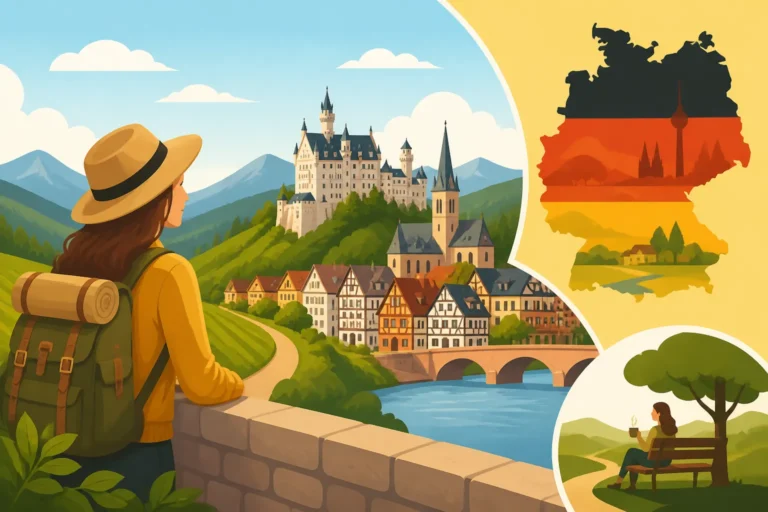
It’s easy to feel overwhelmed when you first consider visiting Germany’s Black Forest. Spanning a truly enormous area with countless tiny villages, dense forests, and winding roads, it’s not always obvious where to begin, or how to truly soak in the unique charm of this iconic region. Believe me, I’ve been there, staring at maps trying to figure out how to piece together an itinerary that didn't feel like a mad dash. This guide is here to walk you through the essential experiences, from the picture-postcard villages and exhilarating trails to the mesmerising workshops producing those famous cuckoo clocks, ensuring your trip is as enchanting as the region itself.
Disclosure: This post may contain affiliate links. We may earn a commission at no extra cost to you if you make a purchase through these links. Read full disclosure.
Discovering the Mystical Heart of the Black Forest (Schwarzwald)
The Black Forest, or Schwarzwald as it's known in German, isn't just a geographical area; it's a feeling, a deep breath of pine-scented air, and a journey into a landscape steeped in tradition and folklore. This sprawling, mountainous region in southwest Germany, bordering France and Switzerland, is famous for its evergreen forests and picturesque villages, all topped off with an air of enchanting mystery that has inspired countless fairy tales. Its very name, "Black Forest," comes from the dense canopy of conifers that gives the forests a dark, almost forbidding appearance. But don't let that fool you; beneath the shadows lies a vibrant tapestry of culture, delicious food, and outdoor adventure just waiting to be explored.
Geographical Grandeur and Historic Roots
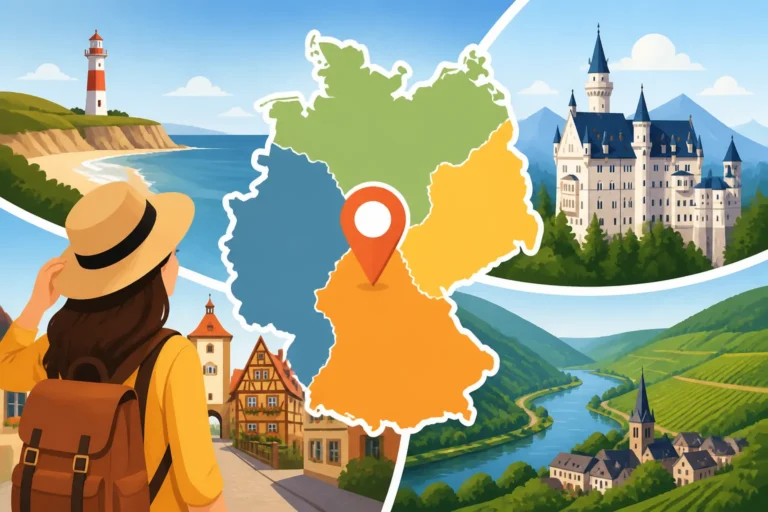
Geographically, the Black Forest stretches approximately 160 kilometers (100 miles) from north to south and up to 50 kilometers (30 miles) east to west, encompassing a diverse range of elevations and landscapes. The northern parts are generally lower, with rolling hills and wide valleys, while the southern Black Forest boasts the highest peaks, including the Feldberg, which stands at an impressive 1,493 meters (4,898 feet) above sea level. This natural diversity means you can find everything from gentle riverside strolls to challenging mountain hikes, often within a short driving distance. Historically, the region has been inhabited for centuries, with evidence of Roman settlements and, later, a significant impact from monastic orders who cleared parts of the forest for agriculture. The unique architecture, characterised by large, low-slung farmhouses with sweeping hipped roofs, is a testament to the region’s long agricultural past and its need to withstand harsh winters.
Cultural Identity and Enduring Traditions
The Black Forest’s cultural identity is incredibly rich and resilient, largely preserved thanks to its relative isolation in earlier centuries. This is a place where traditions aren't just remembered; they're lived. Think of the Bollenhut, the iconic straw hat with red pompoms worn by women in specific valleys, or the intricate woodworking and clock-making skills passed down through generations. The region has also given the world the beloved Black Forest cherry cake, or Schwarzwälder Kirschtorte, a culinary masterpiece that perfectly encapsulates the region's love for good food and meticulous craftsmanship. These traditions contribute to a palpable sense of community and pride, making a visit here feel less like a tourist trip and more like stepping into a living storybook.
Idyllic Villages and Towns Straight Out of a Fairy Tale
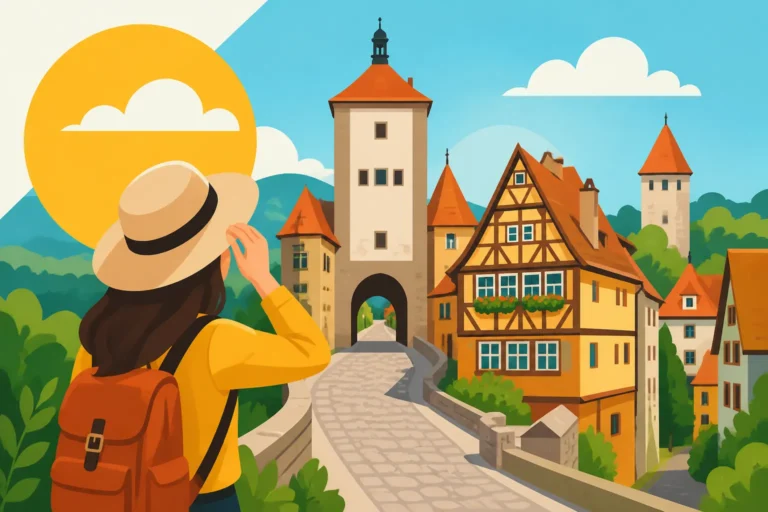
One of the greatest joys of exploring the Black Forest is stumbling upon its charming villages and towns, each with its own character and stories to tell. These aren't just pretty faces; they're bustling communities where local life unfolds against a backdrop of historic timber-framed houses, cobblestone streets, and often, a gentle river flowing through. You'll find yourself wanting to linger, sip coffee in a local café, and simply watch the world go by.
Triberg im Schwarzwald: Home of the Cuckoo Clocks
No visit to the Black Forest would be complete without a stop in Triberg im Schwarzwald. This town is practically synonymous with cuckoo clocks, boasting some of the largest and most elaborate examples in the world. You can visit shops where master craftsmen still create these intricate timepieces by hand, witnessing the dedication and precision that goes into each one. Beyond the clocks, Triberg also offers Germany's highest waterfalls, the Triberg Waterfalls (actually a series of cascades), which are a spectacular sight, especially after heavy rains. The path leading up to them is a lovely walk, often dotted with friendly squirrels that will happily pose for a photo in exchange for a nut. The blend of natural beauty and unique craftsmanship makes Triberg a truly memorable destination.
Gengenbach: A Medieval Gem
Often described as one of Germany's most beautiful towns, Gengenbach is a medieval marvel nestled in the Kinzig valley. With its perfectly preserved Old Town, vibrant half-timbered houses, and an ancient city wall, it feels like stepping back in time. The historic marketplace, dominated by the impressive town hall, is a fantastic spot for people-watching. If you visit during Advent, the town hall transforms into the world's largest Advent calendar, with each window revealing a new picture daily – a truly magical experience. Gengenbach offers a quieter, more authentic Black Forest experience than some of the busier tourist hubs, making it an ideal place to simply wander and soak in the atmosphere. The town has even served as a filming location for Hollywood movies, further cementing its storybook charm.
Freiburg im Breisgau: The Sunny Gateway
While not a tiny village, Freiburg im Breisgau serves as an excellent gateway to the southern Black Forest and is a must-visit in its own right. Known for its exceptionally sunny climate and vibrant university scene, Freiburg offers a delightful mix of historic architecture and modern, eco-friendly living. The Münster, a stunning Gothic cathedral with an intricate spire, dominates the city skyline, and its surrounding market is a feast for the senses. Don't miss the Bächle, tiny water-filled gutters that run alongside the pavements throughout the Old Town – legend has it that if you accidentally step into one, you'll marry a Freiburger! Freiburg provides a wonderful contrast to the smaller villages, offering excellent dining, cultural events, and easy access to both the Black Forest and the nearby Kaiserstuhl wine region.
Embarking on Black Forest Trails: Hiking and Nature Immersion
The Black Forest is a hiker's paradise, offering an unparalleled network of well-marked trails that cater to all fitness levels. From leisurely strolls through sun-dappled meadows to challenging multi-day treks across mountain ridges, the opportunities to immerse yourself in nature are endless. This is where the magic of the "Black Forest" truly comes alive, as you wander beneath towering fir trees, listen to the whisper of the wind, and discover hidden waterfalls and breathtaking viewpoints.
Iconic Long-Distance Hiking Routes
For the serious trekkers, the Black Forest boasts several renowned long-distance hiking trails. The most famous is arguably the Westweg, one of Germany's oldest long-distance paths, stretching 285 kilometers from Pforzheim in the north to Basel on the Swiss border. This iconic trail takes you through varied landscapes, past majestic peaks, and offers spectacular panoramic views. Another fantastic option is the Schluchtensteig, a roughly 119-kilometer circular trail in the southern Black Forest that lives up to its name ("Gorge Trail") by leading hikers through dramatic gorges and along wild rivers. These trails are meticulously maintained and clearly signposted, often with little "huts" (Hütten) along the way where you can rest, seek shelter, and sometimes even grab a snack. Planning for such extensive hikes requires careful consideration of Accommodation in Germany: Hotels, Pensionen, and Hostels and using platforms like Booking.com can be incredibly helpful for securing stays along your route, especially in popular seasons.
Family-Friendly Walks and Nature Paths
If a multi-day trek isn't quite your speed, don't worry! The Black Forest is brimming with shorter, equally rewarding walks perfect for families or those seeking a more relaxed pace. Many villages offer themed nature trails, like the Wutachschlucht (Wutach Gorge) area, which has various routes ranging from easy riverside paths to more challenging cliffside trails. The Mummelsee, a mystical glacial lake high in the northern Black Forest, offers a charming circular walk, complete with boat rentals and traditional Black Forest taverns. Often, these paths are designed to be interactive, with information boards about local flora and fauna, making them engaging for children and adults alike. Remember to wear comfortable shoes, bring water, and always check local weather conditions before heading out.
The Art of Cuckoo Clocks and Regional Crafts
Beyond its natural beauty, the Black Forest is renowned for its deep-rooted artisan traditions, with cuckoo clock making standing as its most famous craft. But it's not just clocks; the region's industrious spirit has fostered a variety of intricate skills, from glassblowing to traditional costume making, all reflecting the meticulous attention to detail and enduring cultural pride of the Schwarzwälder.
The Enduring Legacy of Cuckoo Clocks
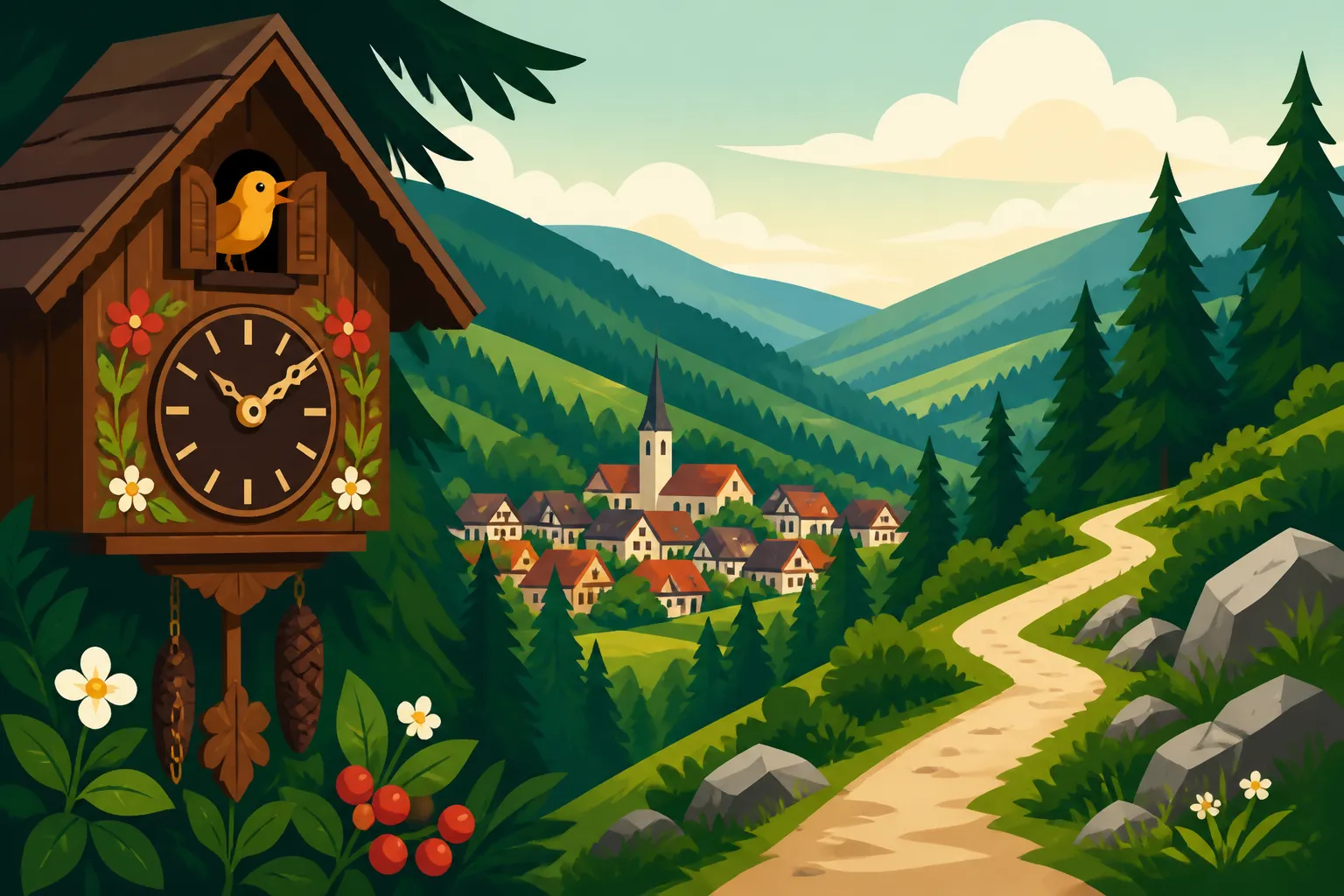
The cuckoo clock, or Kuckucksuhr, is more than just a timepiece; it's an emblem of the Black Forest. Originating in the region in the 18th century, these clocks are famed for their elaborate carvings, often depicting hunting scenes, nature motifs, or traditional Black Forest houses, and of course, the charming little bird that emerges to announce the hour. While mass production exists, many workshops in towns like Triberg, Schonach, and Titisee-Neustadt still produce handmade, mechanical cuckoo clocks following centuries-old methods. Visiting a workshop, such as the famous Hofgut Sternen, allows you to see artisans at work, learn about the history, and appreciate the incredible skill involved. It’s truly a fascinating experience to watch the gears, bellows, and intricate carvings come together to create a living piece of art.
Other Local Handicrafts and Souvenirs
While cuckoo clocks might steal the show, the Black Forest offers a treasure trove of other local crafts. You'll find exquisite hand-blown glass, particularly around the towns of Wolfach and Gutach, where you can often visit glassworks and watch the mesmerising process. Wood carving, another long-standing tradition, manifests in everything from decorative figures to functional household items. The Bollenhut, the iconic red-pomponed hat, is also meticulously handmade and a symbol of pride, though primarily worn for traditional occasions. Beyond these, look for locally produced honeys, berry jams, and the famous Black Forest cherry schnapps (Kirschwasser), which makes a fantastic culinary souvenir. These crafts aren't just trinkets; they represent generations of expertise and a commitment to preserving the region's unique heritage.
Savoring the Black Forest: Culinary Delights
No trip to any region of Germany is complete without diving headfirst into its culinary offerings, and the Black Forest is no exception. This region knows how to eat, and it knows how to do it well. From hearty, traditional meals that will warm you from the inside out to delicate pastries that are world-renowned, the local cuisine is a delicious journey in itself. If you're keen to explore general German culinary experiences, you might also enjoy reading our guide on German Food Culture: Eating and Drinking as a Visitor.
The Icon: Schwarzwälder Kirschtorte
Let's start with the undisputed queen: Schwarzwälder Kirschtorte, or Black Forest cherry cake. This isn't just any chocolate cake; it's a sublime combination of chocolate sponge layers, fresh cream, cherries, and a generous splash of Kirschwasser (cherry schnapps). Each component plays a crucial role, creating a balanced and incredibly satisfying dessert. While you can find variations across Germany, tasting it in its homeland, often in a cozy café with a view of the forest, is an absolute must. Many bakeries pride themselves on their secret recipes, and comparing a few slices from different establishments can be a delightful, albeit calorific, adventure. It pairs perfectly with a coffee, much like the cherished tradition of Kaffee und Kuchen, which you can learn more about in our article on German Cafés and Kaffee und Kuchen Culture.
Hearty Regional Specialties
Beyond the sweet treats, the Black Forest serves up robust and comforting savory dishes, perfect after a long day of hiking. Smoked ham, or Schwarzwälder Schinken, is a geographical indication protected specialty, renowned for its intense flavour achieved through traditional smoking over fir wood. You’ll find it served thinly sliced as a starter or alongside hearty farmer’s bread. Another local staple is Maultaschen, a type of large, savoury dumpling filled with spiced meat, spinach, and bread, often served in a clear broth or pan-fried with onions. Then there’s Spätzle, soft egg noodles that often accompany various meat dishes, absorbing all the delicious sauces. Don't shy away from trying local game dishes, especially venison or wild boar, which are often prepared with forest berries and root vegetables, reflecting the region's rich hunting tradition. For those interested in more specific local fare, our piece on German Regional Dishes Every Visitor Should Try has further insights.
Planning Your Black Forest Adventure
Getting to and around the Black Forest, and finding the perfect place to rest your head, can seem like a puzzle at first. But with a little foresight, you can ensure your journey is smooth and your stay is comfortable, allowing you to focus on the stunning scenery and unique experiences.
Navigating the Region: Transport Options
The Black Forest is a large area, so understanding your transport options is key. If you're coming from further afield, flying into airports like Stuttgart (STR), Baden-Baden (FKB), or EuroAirport Basel-Mulhouse-Freiburg (BSL/MLH/EAP) will get you close. From there, trains are an excellent way to reach the larger towns like Freiburg, Offenburg, or Triberg. Deutsche Bahn, Germany's national railway, offers reliable services, and using platforms like Omio can help you easily compare train and bus options to find the best routes and deals. For exploring the smaller, more remote villages and trailheads, however, a car is often your best bet. Renting a car gives you the freedom to explore at your own pace, stopping wherever a scenic view or charming village catches your eye. Make sure to check out our guide on Renting a Car and Driving on the Autobahn for tips on driving in Germany. Keep in mind that many areas, particularly in the Hochschwarzwald (High Black Forest), offer a KONUS guest card to visitors staying overnight, which provides free use of public transport (buses and regional trains) within the region, a fantastic benefit! For a broader overview, you might want to consult Getting Around Germany: Trains, Buses, Flights, and Car Hire.
Accommodation Choices and Booking Tips
The Black Forest offers a huge range of accommodation, from luxurious spa hotels to cozy guesthouses (Gasthöfe) and traditional farm stays (Ferienwohnungen). For a truly authentic experience, consider staying in a family-run Pension or Gasthof in one of the smaller villages; these often come with incredible hospitality and delicious home-cooked meals. If you prefer more options and amenities, larger towns like Freiburg or Baden-Baden have a wider selection of hotels. To find and book the perfect stay, websites like Booking.com are invaluable. They offer a vast selection, user reviews, and often flexible booking options, which can be a lifesaver when planning a trip with multiple stops. For activity planning, GetYourGuide is a great resource for finding local tours, experiences, and attractions, from cuckoo clock making workshops to guided hikes. Always try to book well in advance, especially if you’re traveling during peak season (summer, Christmas markets, or major holidays), as popular spots fill up quickly.
| Village/Town | Best Known For | Key Attractions | Travel Style |
|---|---|---|---|
| Triberg | Cuckoo clocks, waterfalls | Triberg Waterfalls, World's Largest Cuckoo Clock | Classic Tourist, Families |
| Gengenbach | Medieval Old Town, half-timbered houses | Historic Market Square, Advent Calendar House | Romantic, Culture Seekers |
| Freiburg | University city, sunny climate, gateway to south | Münster, Bächle, vibrant atmosphere | City Break, Base for day trips |
| Baden-Baden | Luxury spas, casino | Roman Baths, Kurhaus, Lichtentaler Allee | Wellness, Luxury |
| Titisee-Neustadt | Lake Titisee, water sports, recreation | Lake cruises, Badeparadies Schwarzwald (water park) | Active Families, Nature Lovers |
| Schiltach | Picturesque Old Town, timber-framed architecture | Market Square, Museum am Bach | Photography, History Buffs |
Embracing Local Culture and Etiquette
When you visit a place like the Black Forest, it’s not just about seeing the sights; it's about connecting with the local way of life. Understanding a bit of German culture and etiquette can greatly enhance your experience, making interactions smoother and ensuring you feel more at home. Germans appreciate politeness and order, and a little effort on your part goes a long way.
Social Norms and Respecting Quiet Hours
One thing you'll quickly notice in Germany is a general appreciation for quiet and order, especially during designated "quiet hours" (Ruhezeiten). These typically include midday (often 1 PM to 3 PM), evenings after 10 PM, and all day on Sundays and public holidays. During these times, loud activities like vacuuming, mowing the lawn, or even overly boisterous conversations in apartment buildings are generally avoided. This extends to public spaces too; while you can certainly enjoy yourself, being mindful of noise levels, especially in residential areas, is a sign of respect. When interacting with locals, a polite "Guten Tag" (good day) or "Grüß Gott" (especially in the south) goes a long way. Punctuality is also highly valued, so if you have an appointment or reservation, aim to be on time. You can delve deeper into these nuances with our guide on German Social Etiquette for Visitors: Greetings and Punctuality.
Tipping, Shopping, and General Courtesies
Tipping in Germany is a little different than in some other countries. While service charges are usually included in the price, it’s customary to round up the bill or add a small amount (typically 5-10%) for good service. For instance, if your bill is €18.50, you might say "Machen Sie 20" (make it 20) when paying. When shopping, especially in smaller, independent stores, a friendly greeting upon entering and a "Auf Wiedersehen" (goodbye) upon leaving are appreciated. Remember that most shops are closed on Sundays, so plan your grocery shopping or souvenir hunting accordingly! Always keep an eye out for waste sorting bins; Germany takes its recycling very seriously, and you’ll find different bins for paper, plastic, organic waste, and glass. For more detailed advice on gratuities, be sure to read our guide on Tipping in Germany: When, Where, and How Much. Lastly, while you might feel tempted to just grab a bottle of water before heading out on a strenuous trail, always consider purchasing proper Travel Insurance for Trips to and Within Germany to cover unforeseen events, especially if you plan on adventurous activities.
Disclaimer
Please note that while we strive to provide accurate and up-to-date information, circumstances such as regulations, opening hours, and service availability can change rapidly. Always cross-reference critical information with official sources before making travel plans. This guide offers general advice and personal insights based on typical expat and tourist experiences in Germany.