German Cafés and Kaffee und Kuchen Culture
Ah, the German Kaffee und Kuchen ritual! When I first moved here, I thought it was just… coffee and cake. Simple, right? Oh, how wrong I was. It's a fundamental pillar of German social life, a delightful, sometimes baffling, institution that can feel impenetrable if you don't know the unwritten rules. This guide will peel back the layers of this beloved tradition, helping you navigate the bustling Konditoreien and serene Kaffeehäuser like a seasoned local.
Disclosure: This post may contain affiliate links. We may earn a commission at no extra cost to you if you make a purchase through these links. Read full disclosure.
The Heart of German Social Life: Understanding "Kaffee und Kuchen"
For many expats, adjusting to German social rhythms can be a real trip. You learn about the importance of being punctual, the directness in communication, and the sacrosanct nature of quiet hours. But then there's Kaffee und Kuchen, a wonderfully warm and inviting tradition that offers a glimpse into the softer side of German life. It's not merely about indulging in a sweet treat; it's a dedicated slot in the afternoon, often on weekends, for slowing down, connecting with loved ones, and savoring the moment. It’s a genuine social institution, much like the British afternoon tea, but distinctly German in its meticulous execution and the sheer variety of baked goods on offer.
More Than Just Coffee and Cake: A Cultural Ritual
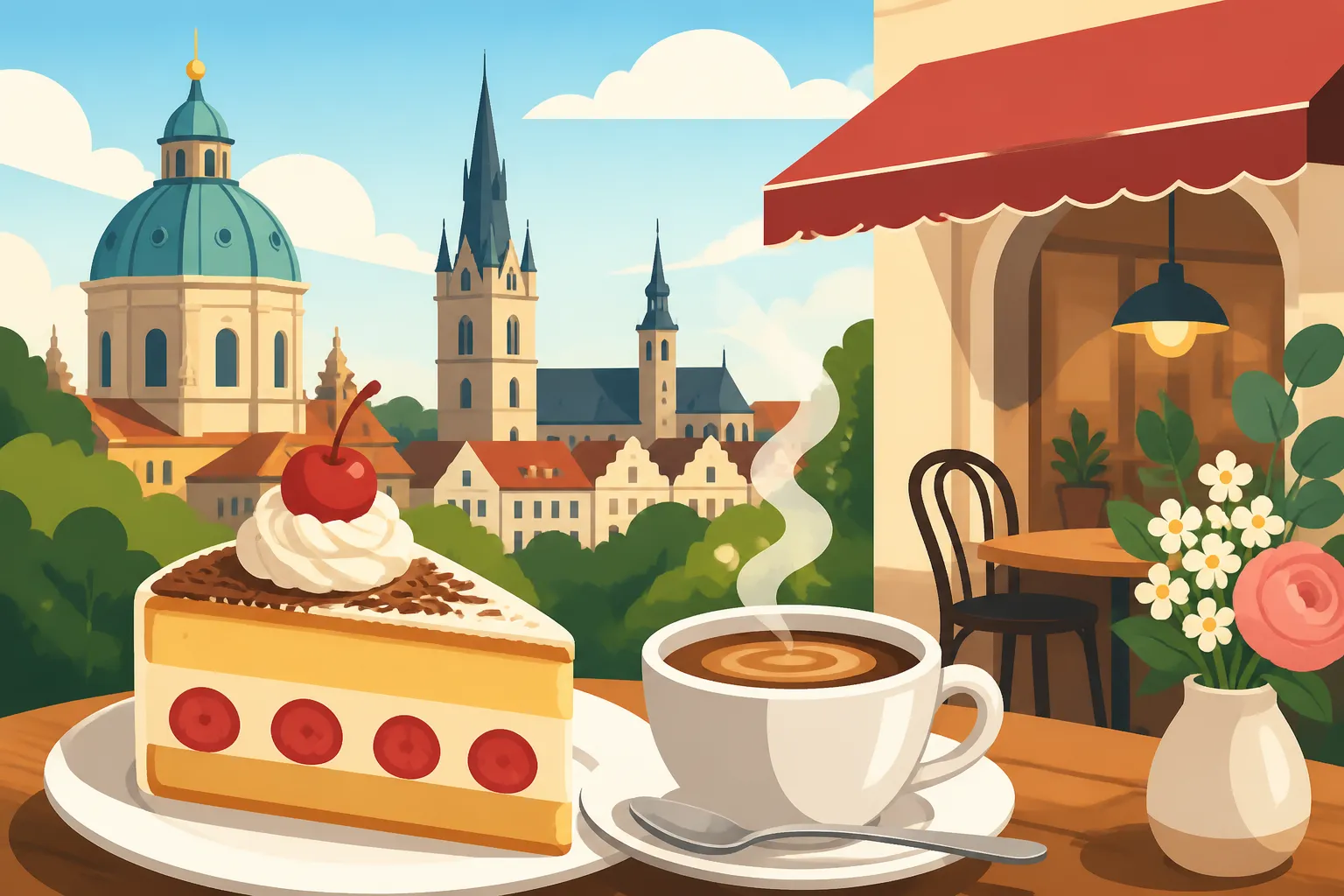
Imagine this: a crisp Sunday afternoon, families gathering around a beautifully set table, the aroma of freshly brewed coffee mingling with the sweet scent of a homemade Apfelkuchen or a decadent Schwarzwälder Kirschtorte. That’s the essence of Kaffee und Kuchen. It’s a specific event, usually occurring between 2 PM and 4 PM, where coffee is brewed (often Filterkaffee, but more on that later), and a selection of cakes and pastries is served. This isn't just a quick snack; it's an extended period of leisurely conversation, catching up, and enjoying each other’s company. It's a moment to pause from the hustle and bustle, a deliberate act of slowing down, which can be a welcome change of pace from the otherwise highly efficient German daily routine. It's also a fantastic way to bond with new acquaintances or deepen existing friendships, offering a relaxed environment devoid of the usual pressures of a dinner party or a night out.
The Ideal Time and Occasion
While Kaffee und Kuchen can happen any day, it truly comes into its own on weekends, especially Sundays. Sundays are traditionally quiet days in Germany; most shops are closed, and it's a time for family, reflection, and relaxation. This makes it the perfect window for the Kaffee und Kuchen ritual. You'll find cafés bustling, and if you're invited to a German home on a Sunday afternoon, you can almost guarantee this delightful tradition awaits you. It’s also common for birthdays, anniversaries, or other celebrations, turning a simple gathering into a festive occasion with an impressive spread of baked goods. Even during the work week, a quick Kaffee und Kuchen can serve as a much-needed break in the afternoon, though it might be a slightly more hurried affair compared to the leisurely weekend indulgence.
Where Does it Fit in the Day?
This afternoon delight typically slots in after a lighter lunch and well before dinner. Germans often have their main warm meal at lunchtime, or a more substantial breakfast, meaning that by mid-afternoon, a sweet pick-me-up is very much in order. The timing is crucial; it's too late for breakfast pastries and too early for dinner, perfectly occupying that mid-afternoon hunger gap. It serves as a gentle bridge between the day's more structured activities and the evening's unwinding. For those of us used to continuous snacking, the defined period of Kaffee und Kuchen can feel a bit rigid at first, but you quickly come to appreciate the ritualistic quality of it. It’s a designated time for enjoyment, a pause button on the day, which helps create a better work-life balance, a concept that Germans generally excel at.
Types of German Cafés (Konditorei, Bäckerei-Café, Kaffeehaus)
Germany boasts a rich tapestry of establishments where you can partake in Kaffee und Kuchen. Each type offers a slightly different ambiance and selection, catering to various moods and preferences. Understanding these distinctions will help you choose the perfect spot, whether you're looking for an opulent indulgence or a quick, comforting treat.
The Grand Konditorei: A Feast for the Eyes and Palate
The Konditorei is the quintessential German cake shop and café, often steeped in tradition and exuding an air of elegance. These establishments are true artisanal havens, where master confectioners craft exquisite cakes, tarts, and pastries. Walking into a reputable Konditorei is like stepping into a wonderland of edible art – glass display cases gleam with meticulously decorated Torten, each a testament to skill and patience. Think layers of fluffy cream, fresh fruits, rich chocolates, and delicate glazes. The focus here is firmly on the quality and presentation of the cakes. You'll find classic German specialties like Frankfurter Kranz, Donauwelle, and various fruit tarts. The service is often more formal, and the atmosphere can range from cozy traditional to subtly sophisticated. Many Konditoreien also offer a selection of small savory items, but the cakes are undoubtedly the stars of the show.
They're perfect for a special occasion or when you simply want to treat yourself to something truly spectacular. You'll often find older generations enjoying their afternoon here, savoring their cake slowly and chatting quietly. The prices might be a little higher than other cafés, but the experience and quality are usually well worth it. These places are often locally famous, with queues forming out the door on busy weekend afternoons, a testament to their enduring popularity.
Bäckerei-Cafés: Your Daily Dose of Freshness
A Bäckerei-Café is a more casual, everyday affair, combining a traditional German bakery (Bäckerei) with a small seating area. These are ubiquitous throughout Germany and are often the first stop for many Germans in the morning for fresh bread rolls (Brötchen) and coffee. In the afternoon, they transform into popular spots for a more informal Kaffee und Kuchen. While the cakes might not be as elaborately decorated as those in a Konditorei, they are always fresh, wholesome, and delicious, often made on-site. You'll find a good selection of sheet cakes (Blechkuchen), fruit tarts, and simple but satisfying sweet breads.
They are ideal for a quick coffee and cake break, perhaps after doing some errands or just for a casual get-together. The atmosphere is generally lively and unpretentious, with the comforting aroma of fresh bread always lingering in the air. Many offer outdoor seating in warmer months, perfect for people-watching. If you're looking for a reliable, no-frills option to satisfy your sweet tooth, a Bäckerei-Café is an excellent choice. They also tend to be more budget-friendly than a full-blown Konditorei.
Modern Coffee Shops and International Chains
In larger cities and more cosmopolitan areas, you’ll also find a growing number of modern coffee shops and international chains that have embraced, or at least adapted to, the Kaffee und Kuchen concept. Places like Starbucks or local specialty coffee roasters now often offer a selection of cakes and pastries alongside their extensive coffee menus. While they might not offer the traditional German cakes you'd find in a Konditorei or Bäckerei-Café, they provide a familiar environment for many expats and often have English-speaking staff, which can be a relief when you're still grappling with the language.
These modern establishments often have a more contemporary vibe, free Wi-Fi, and a wider range of coffee preparations, from lattes to cold brews. They cater to a younger crowd, students, and digital nomads, providing a different kind of communal space. While they might lack the old-world charm, they offer convenience and a comfortable setting, especially if you're looking to work while enjoying your treat. You can easily find these spots using apps or online maps, which can be a godsend when you're new in town and trying to find your bearings. For visitors looking to explore local food tours that might include modern twists on Kaffee und Kuchen, checking out platforms like GetYourGuide could offer interesting options.
What to Expect: Navigating the Café Experience
Stepping into a German café, whether it's a grand Konditorei or a cozy Bäckerei-Café, comes with its own set of expectations and subtle rules. Don't worry, it's not a minefield, but knowing a few things upfront can make your experience much smoother and more enjoyable. From understanding the menu to mastering the art of paying, a little preparation goes a long way.
Ordering Etiquette and Menu Nuances
When you first enter a Konditorei, your eyes will likely be drawn to the dazzling display of cakes in the counter. The first step is often to pick your desired slice from this display. Don't be shy; point to what you want. In many traditional places, you'll order your cake at the counter and then be seated, or simply pick your cake and then sit down and a server will come to take your drink order. In Bäckerei-Cafés, you generally order both food and drinks at the counter before finding a seat. In larger, full-service Kaffeehäuser, you'll typically be seated first and given a menu.
The menus will, of course, feature a vast array of coffee options (which we'll delve into shortly) and sometimes a list of cakes, though the daily selection is usually best viewed at the counter. Don't be afraid to ask for recommendations or clarification if you don't understand a cake's name. "Was empfehlen Sie?" (What do you recommend?) is a good phrase to have in your pocket. Also, keep in mind that portion sizes for cake can be generous, so come hungry!
The Glorious World of German Cakes (Kuchen) and Pastries (Gebäck)
Oh, the cakes! This is truly where Germany shines. Forget everything you thought you knew about cake; German Kuchen is in a league of its own. It's an incredibly diverse world, offering something for every palate.
Here’s a small taste of what you might encounter:
| Cake Name | Description | Typical Ingredients | Best Time to Enjoy |
|---|---|---|---|
| Schwarzwälder Kirschtorte | The famous Black Forest cherry cake. Layers of chocolate sponge, whipped cream, cherries, and Kirschwasser (cherry brandy). A true classic and often a centerpiece of celebrations. | Chocolate sponge, whipped cream, cherries, cherry brandy (Kirschwasser), chocolate shavings. | Weekend Kaffee und Kuchen, special occasions. |
| Käsekuchen | German cheesecake, typically made with Quark (a fresh dairy product), which gives it a lighter, tangier texture than American cheesecake. Often topped with fruit. | Quark, eggs, sugar, flour/cornstarch, lemon zest. Sometimes with a shortcrust base. | Anytime, a popular everyday choice. |
| Apfelkuchen | Apple cake, a beloved staple. Can come in many forms: covered with a streusel topping (crumb cake), as a lattice pie, or a simple sheet cake. | Apples, cinnamon, sugar, butter, flour. Often with streusel (crumb) topping. | Autumn, or any time for a comforting classic. |
| Frankfurter Kranz | A ring-shaped cake symbolizing a crown (Kranz) for Frankfurt. Consists of layers of sponge cake, buttercream, and krokant (caramelized nut brittle). | Sponge cake, rich buttercream, krokant (nut brittle), candied cherries for decoration. | Celebrations, elegant Kaffee und Kuchen. |
| Donauwelle | "Danube wave" cake, a marble cake with cherries, topped with buttercream and chocolate glaze, creating a wavy pattern. | Vanilla and chocolate sponge, sour cherries, buttercream, chocolate glaze. | Popular for birthdays and family gatherings. |
| Bienenstich | "Bee sting" cake. A sweet yeast cake with a baked-on topping of caramelized almonds and filled with vanilla cream or custard. | Yeast dough, honey, almonds, vanilla cream/custard. | A classic, comforting cake for any Kaffee und Kuchen. |
| Zwetschgenkuchen | Plum cake, especially popular in late summer and autumn. A yeast dough base topped with fresh plums, often with a streusel topping. | Yeast dough, fresh plums (Zwetschgen), sugar, cinnamon, sometimes streusel. | Late summer/early autumn, when plums are in season. |
Beyond these, you'll find an endless array of Gebäck (pastries) like Mohnkuchen (poppy seed cake), Streuselkuchen (crumb cake), and various Torten (layered cakes). Don't be afraid to try something new each time! The variety is part of the fun.
Coffee Culture: From Filterkaffee to Spezialitäten
While the cakes are spectacular, let's not forget the "Kaffee" part of the equation! Historically, Filterkaffee (filter coffee) has been the reigning champion in German homes and many traditional cafés. It’s a milder, often larger cup of coffee, perfect for sipping throughout an extended Kaffee und Kuchen session. It's often served with a small jug of milk or cream (Milch or Sahne) and sugar cubes. Don't knock it until you try it; a good Filterkaffee can be surprisingly delightful.
However, modern German coffee culture has, of course, embraced a wider range of specialty coffees. You’ll easily find Cappuccino, Latte Macchiato, Espresso, and Café Crème (which is similar to an Americano, a strong black coffee with a crema on top) in most cafés. Many places will also offer Milchkaffee, a larger milky coffee similar to a café latte. If you're particular about your coffee, don't hesitate to ask for your preferred style. Some places are even starting to offer plant-based milk alternatives, though it's not as widespread as in some other countries.
Payment and Tipping Customs
When it comes to paying, remember that Germany is still a country where cash is king in many smaller establishments, especially independent cafés and bakeries. While credit and debit cards are becoming more widely accepted, it's always a good idea to have some euros on hand, especially for smaller purchases. For example, some popular Bäckerei-Cafés might only accept Girocard (German debit card) or cash. It’s always best to ask beforehand if you’re unsure, or just keep an eye out for payment method signs. Using Cash vs Card in Germany: Is Germany Going Cashless? delves deeper into this topic.
As for tipping, it's customary to round up the bill or add a small amount, usually 5-10% for good service. For instance, if your bill is €9.50, you might say "Machen Sie zehn Euro, bitte" (Make it ten euros, please) when paying. You typically tell the server the total amount you wish to pay, including the tip, when they come to collect payment. Unlike in some other countries, you usually don't leave money on the table after paying. You can find more detailed information on this in German Dining Etiquette: Eating Out, Tipping, and Table Manners.
Beyond the Cake: Special Café Experiences and Traditions
The world of German cafés extends far beyond just delicious cakes and coffee. It encompasses a rich history, seasonal delights, and a deeply ingrained sense of Gemütlichkeit that makes these spots truly special. Exploring these facets will give you an even deeper appreciation for Germany's unique café culture.
Historic Kaffeehäuser: Stepping Back in Time
In cities like Berlin, Munich, or Vienna (though technically Austria, the Kaffeehaus culture deeply influenced Germany), you'll find historic Kaffeehäuser that are living museums of elegance and tradition. These are often grand establishments with ornate decor, crystal chandeliers, and a palpable sense of history. They were once the gathering places for intellectuals, artists, and writers, buzzing with lively discussions and creative energy. Today, they offer a chance to step back in time and enjoy your Kaffee und Kuchen in a truly magnificent setting.
A visit to such a Kaffeehaus is an experience in itself, often accompanied by classical music or a more formal atmosphere. While the prices might reflect the grandeur, it's worth it for the sheer ambiance and historical significance. Think less about a quick snack and more about a cultural outing. Many offer breakfast, lunch, and dinner, but their heart truly beats strongest during Kaffee und Kuchen time. This is also where you might find unique regional specialties that have been perfected over centuries.
Seasonal Delights: What to Look for Year-Round
German café culture is wonderfully seasonal. Depending on the time of year, you'll find different fruits and ingredients taking center stage. In spring, expect lighter fruit tarts with strawberries (Erdbeerkuchen) and rhubarb (Rhabarberkuchen). Summer brings forth berries of all kinds, making appearances in creamy Torten and refreshing Kuchen. As autumn rolls around, plums (Zwetschgenkuchen), apples (Apfelkuchen), and nuts become prominent.
And then, of course, there's Christmas. During Advent, the cafés transform with festive offerings. Expect Stollen (a fruit bread with marzipan), gingerbread (Lebkuchen), and a myriad of spiced cookies. The aroma of cinnamon and cloves fills the air, and hot spiced wine (Glühwein) often makes an appearance, even in some cafés. Exploring these seasonal variations adds an exciting layer to your Kaffee und Kuchen adventures throughout the year. If you plan to visit different cities for their unique seasonal treats, checking travel options on Omio might be helpful for train or bus tickets.
The Art of Gemütlichkeit: Embracing German Coziness
Perhaps the most important, yet intangible, aspect of German café culture is Gemütlichkeit. This untranslatable German word encompasses a feeling of coziness, comfort, warmth, and good cheer. It's the feeling of being in a snug, welcoming place, surrounded by pleasant company, with a delicious treat and a warm drink in hand. German cafés, especially the traditional ones, are designed to foster this feeling. The decor is often warm, with wooden furnishings, soft lighting, and perhaps even a crackling fireplace in winter.
When you settle into a café for Kaffee und Kuchen, you're not just consuming food; you're participating in an act of Gemütlichkeit. It's about taking your time, enjoying the quiet hum of conversation, and feeling at ease. Don't rush your experience. Embrace the slowness, savor each bite, and let the warmth of the coffee and the atmosphere envelop you. It’s a truly restorative experience, a small refuge from the outside world.
Finding Your Perfect Spot: Tips for Expats
As an expat, discovering your favorite Kaffee und Kuchen spot can feel like a personal triumph. It’s not just about finding good cake; it’s about finding a place where you feel comfortable, where you can relax, and perhaps even meet new people. Here are a few tips to help you on your delicious journey.
Language Barriers and English-Friendly Options
One of the initial hurdles for many newcomers in Germany is the language. While many younger Germans and those in tourist-heavy areas speak excellent English, don't always expect it, especially in smaller, traditional cafés or in less urban areas. However, pointing at the cake display is universally understood! For your coffee order, learning a few key phrases like "Ein Kaffee, bitte" (A coffee, please), "Ein Cappuccino" (A cappuccino), or "Mit Milch und Zucker, bitte" (With milk and sugar, please) will go a long way.
If you're feeling particularly shy about the language, look for cafés in more international neighborhoods or those explicitly advertising English menus. Online reviews (Google Maps, Yelp, etc.) often mention if a place is "English-friendly." Don't let a potential language barrier deter you from exploring, though. Most Germans appreciate the effort, and a smile and a little patience can bridge many gaps. Remember, even with basic German, you can have a wonderfully authentic experience. Resources like German Language and Everyday Communication for Visitors can provide helpful phrases.
Local Gems vs. Tourist Hotspots
Every city has its well-known, often tourist-packed, cafés that are famous for a reason (usually good cake!). But if you want to truly experience Kaffee und Kuchen like a local, venture off the main streets. Explore side alleys, residential areas, and neighborhood bakeries. These local gems often have a more authentic atmosphere, perhaps a more loyal local clientele, and sometimes even better prices. Ask local colleagues, neighbors, or expat friends for their personal recommendations. Word-of-mouth is still a powerful tool here.
While it's fun to tick off the famous spots, don't overlook the charm of a small, unassuming Bäckerei-Café that has been serving the community for decades. These are the places where you might find the most comforting, traditional Kuchen – the kind that tastes like homemade. Websites and apps can help you discover hidden gems, but a simple walk around a new neighborhood can also reveal delightful surprises. If you're exploring different cities, platforms like Booking.com could help you find accommodations near such local spots, giving you ample time to discover them.
Making it a Regular Habit
The best way to truly embrace Kaffee und Kuchen culture is to make it a regular part of your routine. Find a local café near your home or work that you enjoy, and visit it regularly. Over time, the staff will start to recognize you, you'll become more comfortable with the ordering process, and you'll get to know the different seasonal offerings. This regularity not only enhances your personal enjoyment but also helps you feel more integrated into the local community. It’s a wonderful way to practice your German in a low-pressure environment and observe daily German life unfold around you.
Consider inviting friends or new acquaintances for Kaffee und Kuchen. It’s a perfect, low-key social activity that fosters connection without the intensity of a formal meal. This simple act of sharing coffee and cake can be a surprisingly effective way to build your social circle here, as suggested in guides like Making Friends in Germany: Social Tips for Expats. So go ahead, find your favorite slice of Kuchen, order your preferred Kaffee, and settle in. You're now officially part of a cherished German tradition.
Disclaimer
Please note that while this guide provides general information about German café and Kaffee und Kuchen culture, customs and offerings can vary significantly by region, city, and individual establishment. Information regarding payment methods, specific cake availability, and opening hours should always be verified with the respective café. Enjoy your culinary adventures!