Accommodation in Germany: Hotels, Pensionen, and Hostels
Ah, the quest for the perfect place to rest your head in Germany! It’s a journey many of us expats have embarked on, often navigating a landscape that looks a little different from what we're used to back home. Whether you're here for a short visit, a long-term stay, or just passing through, understanding the nuances of German accommodation is key to a comfortable and enjoyable experience. This guide will take you through the various options, from bustling city hotels to charming rural Pensionen and vibrant hostels, helping you figure out what’s what and how to secure your ideal temporary home.
Disclosure: This post may contain affiliate links. We may earn a commission at no extra cost to you if you make a purchase through these links. Read full disclosure.
Navigating the German Accommodation Landscape
When you first start looking for a place to stay in Germany, you might find yourself a little overwhelmed by the sheer variety, or perhaps even confused by terms that don't quite translate. It's not just "hotels" here; there's a whole spectrum of options, each with its own character and charm.
Beyond Just Hotels: Understanding Your Options
Germany truly offers a diverse range of places to stay, far beyond the standard hotel chains you might recognize internationally. These options often cater to different needs, budgets, and desired experiences, and understanding them can significantly improve your trip.
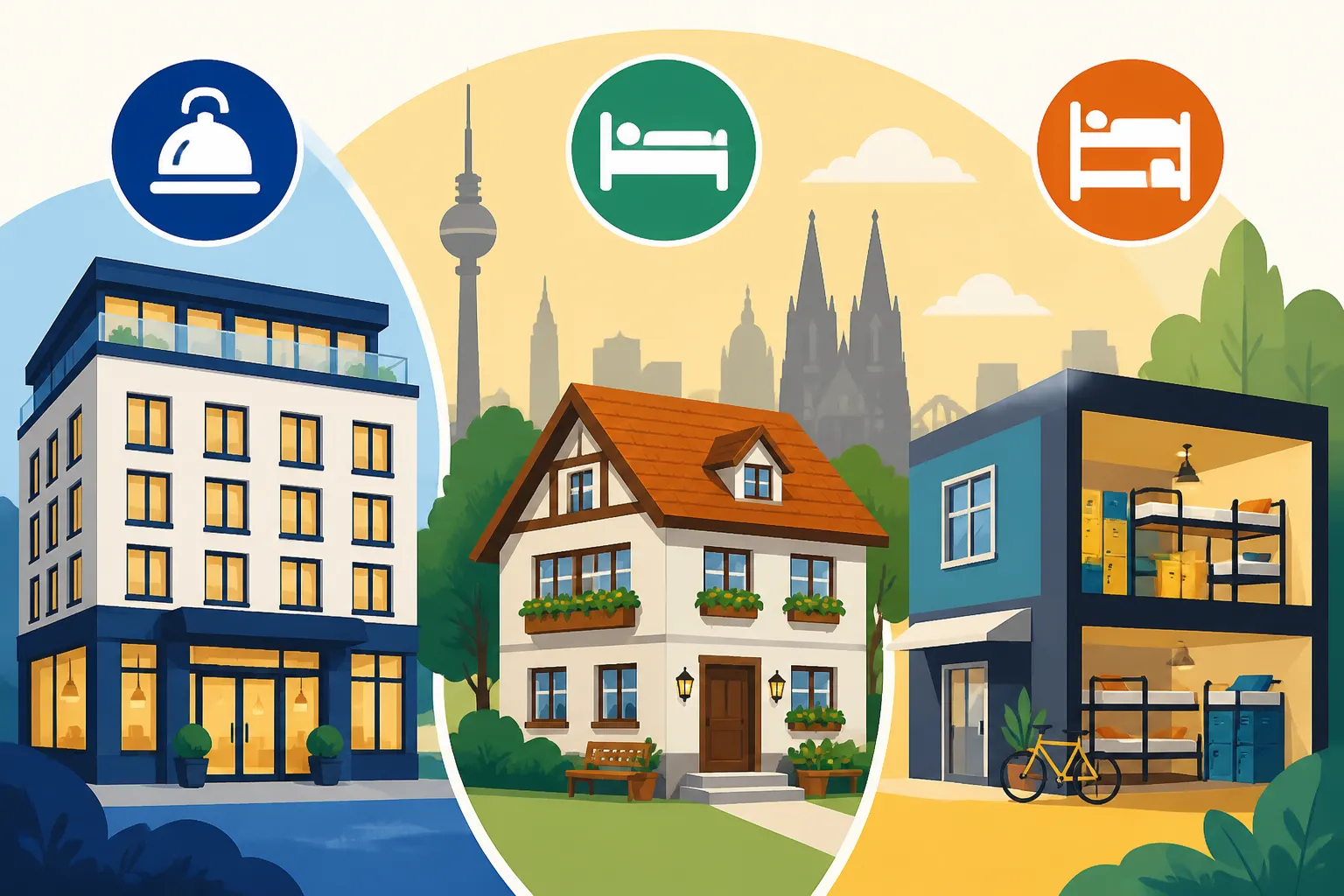
First, there are the traditional hotels (Hotels), which largely operate like hotels worldwide, offering a range of services from basic to luxurious. They are generally categorized by star ratings, much like elsewhere, indicating the level of comfort and amenities. You'll find them in every city, from major metropolitan hubs like Berlin and Munich to smaller towns and even rural areas. Some are part of large international chains, while others are independently owned and operated, often with a unique local flair. These are typically the go-to for business travelers or those seeking predictable service and a full suite of amenities, including reception, room service, and often a restaurant.
Then you have the Pensionen (plural of Pension), which are probably the most distinctly German type of accommodation you’ll encounter. Think of a Pension as a guesthouse, often family-run, smaller, and more personal than a typical hotel. They usually offer rooms with breakfast included (Frühstückspension), and while the amenities might be more modest than a large hotel, the atmosphere is often much warmer and more intimate. They are particularly popular in scenic regions and smaller towns, offering a glimpse into local life. For those seeking a quieter, more authentic German experience, especially outside the major cities, a Pension can be an absolute delight.
And let's not forget hostels (Hostels), which have undergone a massive transformation in recent years. Gone are the days when hostels were exclusively for young, hardcore backpackers. While they still offer budget-friendly dormitory beds, many modern German hostels now boast private rooms with en-suite bathrooms, stylish common areas, and a range of facilities that rival some mid-range hotels. They are fantastic for solo travelers looking to meet people, groups on a budget, or even families who appreciate the communal vibe and often central locations. The social aspect is a huge draw, often including organized events or shared kitchens.
Finally, there are Ferienwohnungen (holiday apartments) and Ferienhäuser (holiday homes). These are self-catering accommodations, offering kitchens and more living space, perfect for longer stays, families, or groups who prefer to cook their own meals. They are widely available, especially in holiday regions, and can range from simple studios to elaborate multi-bedroom houses. Services vary greatly; some might offer linen and cleaning, while others are more self-service. If you're looking for something that feels more like a temporary home than a hotel room, these are excellent choices.
The Importance of Location and Budget
Choosing where to stay in Germany really boils down to two main factors: where you want to be and how much you're willing to spend. These two elements are intrinsically linked and will dictate the type of accommodation that best suits your needs.
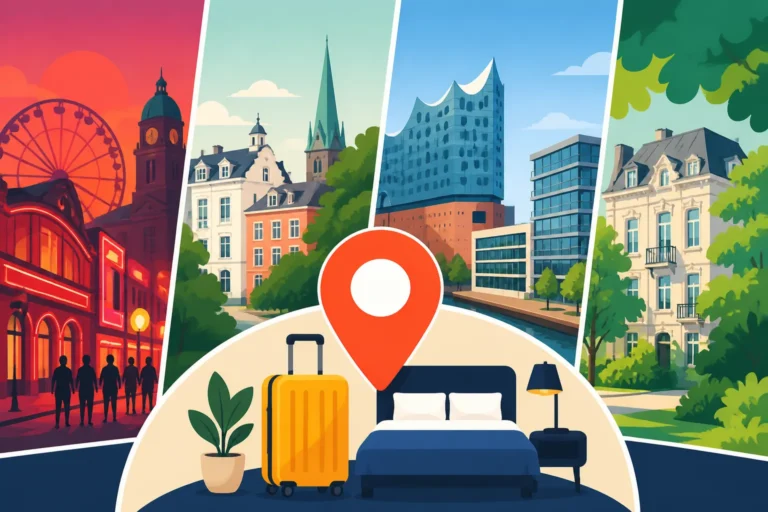
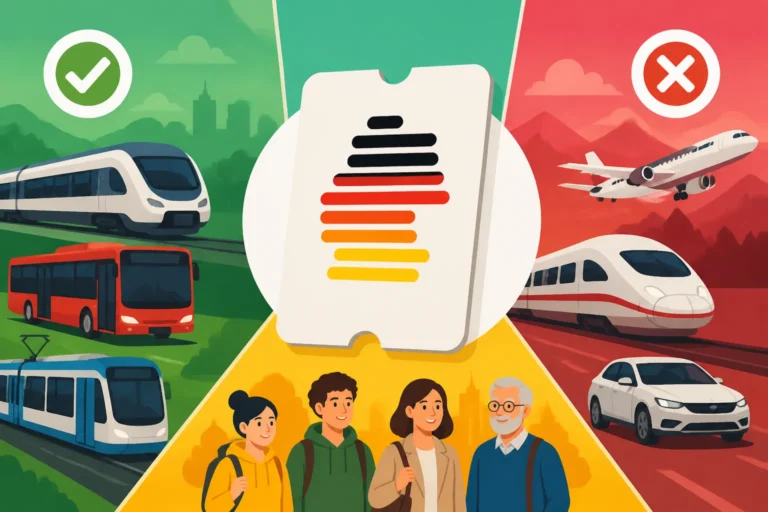
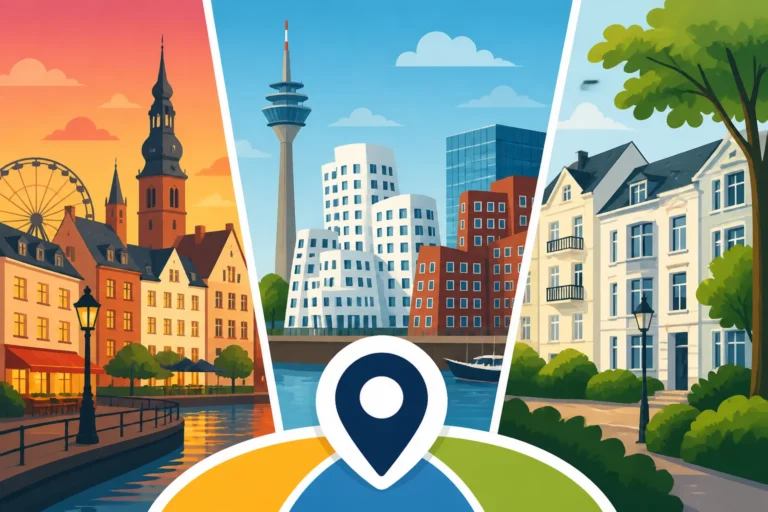
When considering location, think about the purpose of your trip. Are you visiting a bustling city like Hamburg for its vibrant nightlife and cultural attractions, or are you seeking the tranquility of the Black Forest for hiking and relaxation? In major cities, staying in the city center often means higher prices but unparalleled convenience, with easy access to public transport, attractions, and dining. Areas slightly outside the core might offer better value, especially if you're comfortable using Germany's efficient public transport system. For those interested in day trips and exploring various areas, a well-connected location near a train station can be incredibly beneficial. For example, if you're using the Deutschland-Ticket, staying near a regional train hub can maximize its value for exploring the country.
In contrast, if your goal is to immerse yourself in nature or experience a specific region, a Pension or Ferienwohnung in a smaller town or village might be ideal. Here, the charm comes from the rural setting, proximity to hiking trails, or local vineyards, rather than immediate access to major museums. The Cost of Living in Germany: Budgeting Guide for Expats often highlights that smaller towns generally offer more affordable rates for accommodation and daily expenses.
Budget, naturally, is a significant driver. Germany offers options for every price point, but you need to set realistic expectations. Hotels in prime city locations, especially in Munich or Frankfurt, can be quite expensive, particularly during peak seasons or major trade fairs. Booking well in advance, especially through platforms like Booking.com, can sometimes secure better deals. Hostels offer the most budget-friendly options, with dormitory beds being the cheapest. However, even within hostels, private rooms can vary significantly in price. Pensionen often sit in a comfortable mid-range, offering good value with a personal touch, especially when breakfast is included. Ferienwohnungen can be cost-effective for groups or longer stays, as the per-night cost often decreases with extended bookings and you save money by cooking some of your own meals. Always factor in potential additional costs like city tourist taxes (Kurtaxe), parking fees, or even charges for things like Wi-Fi at older establishments.
Hotels in Germany: From Boutique to Business
Hotels in Germany are as diverse as the country itself, ranging from quaint, historic establishments to sleek, modern business hotels and charming boutique stays. Understanding this variety can help you pick the perfect place for your travel style and needs.
Types of Hotels and What to Expect
German hotels generally follow a star-rating system, from one to five stars, which gives you a good indication of the level of comfort, service, and amenities you can expect. A one-star hotel will be basic but clean, often family-run, focusing on functionality. Two and three-star hotels offer more amenities like a reception desk, en-suite bathrooms, and often a breakfast buffet, which is typically quite extensive and a highlight of German stays. Many mid-range hotels also include a restaurant or bar. Four-star hotels usually provide a higher standard of service, more spacious rooms, additional facilities like fitness centers or saunas, and perhaps concierge services. Five-star hotels, as you'd imagine, are at the top end, offering luxury, exquisite dining, extensive wellness facilities, and impeccable service.
Beyond the star ratings, hotels can be categorized by their focus. Business hotels, often found in city centers or near exhibition grounds, cater to corporate travelers with amenities like conference rooms, high-speed internet, and sometimes even 24-hour business centers. They prioritize efficiency and connectivity. Boutique hotels, on the other hand, are known for their unique design, personalized service, and often a focus on a specific theme or aesthetic. They offer a more curated and intimate experience. You also have design hotels, often modern and minimalist, and historic hotels, which might be housed in beautiful old buildings, offering a sense of tradition and grandeur.
When you book a hotel, especially through a platform like Booking.com, always check what's included. Breakfast is often an extra charge in higher-end hotels, though sometimes it's part of a package. Wi-Fi is usually standard, but it's worth confirming. You might also find differences in room sizes compared to what you're used to, particularly in older, central city hotels where space is at a premium. Don't be surprised if some hotels, especially in more traditional areas, don't have air conditioning, as it's not as universally expected in Germany as it is in some other parts of the world.
Booking Hotels: Platforms and Strategies
Booking your hotel in Germany is relatively straightforward thanks to a multitude of online platforms and direct booking options. The strategy you employ can significantly impact both the price and your overall experience.
Most international travelers gravitate towards large online travel agencies (OTAs) like Booking.com. These platforms offer a vast selection of hotels across Germany, allowing you to filter by price, location, star rating, and specific amenities. They are excellent for comparing prices and reading reviews from other travelers. Often, they also provide free cancellation options, which can be a lifesaver if your travel plans are still a bit fluid. However, always double-check the fine print on cancellation policies and what's included in the price, especially regarding breakfast or city taxes.
While OTAs are convenient, sometimes booking directly with the hotel can offer advantages. Many hotels, especially independent ones, offer perks for direct bookings, such as a complimentary breakfast, a discount code, or a room upgrade. They might also have more flexibility with special requests or offer better rates if you call them directly, bypassing the commission fees they pay to OTAs. If you’re traveling for business or anticipate frequent stays with a particular chain, joining their loyalty program is a smart move, as it can lead to discounts, free nights, and other benefits.
Timing your booking is another crucial strategy. For popular cities like Berlin, Munich, or Cologne, especially during major events like Oktoberfest, Christmas markets, or trade fairs, rooms can book up months in advance and prices can skyrocket. Booking early is almost always advisable in these scenarios. On the other hand, if you're traveling during the off-season or to less touristy areas, you might find last-minute deals. Flexibility with your travel dates, even by a day or two, can also lead to significant savings. Remember, Germany's transport network is excellent, so sometimes staying a bit further out and taking a train or bus, which you can easily plan with services like Omio, can also be a cost-effective solution.
Pensionen: The Quintessential German Guesthouse Experience
Stepping into a Pension often feels like stepping into a different era of hospitality. These establishments offer a charm and personal touch that larger hotels sometimes lack, making them a beloved choice for many visitors to Germany.
What is a Pension and How Does it Differ from a Hotel?
As mentioned earlier, a Pension is essentially a guesthouse. The key difference from a hotel lies in its scale and operational style. Pensionen are typically much smaller, often run by families, and have fewer rooms than a standard hotel. This smaller size usually translates into a more intimate, personalized experience. You might interact directly with the owners, who can often offer local tips and recommendations that you wouldn't get from a larger, more anonymous hotel staff. The atmosphere is generally more homely and less formal.
One of the defining features of a Pension is the emphasis on breakfast. Many are explicitly called Frühstückspensionen because breakfast is almost always included in the room rate and is often a highlight. Expect a hearty German breakfast, typically featuring a selection of fresh bread rolls, cold cuts, cheeses, jams, yogurt, and sometimes eggs. This isn't just a quick bite; it's a leisurely meal, often served in a cozy dining room, setting you up perfectly for a day of exploring.
In terms of amenities, Pensionen are usually simpler than hotels. While most will offer comfortable beds and private bathrooms, you might not find a 24-hour reception, a gym, a spa, or extensive room service. They focus on providing a clean, comfortable, and welcoming place to sleep and eat breakfast. This simplicity is part of their charm – a less fuss, more authentic experience. They are perfect for travelers who value character and personal connection over luxurious facilities. If you're looking for a quiet, authentic base to explore a region, a Pension can be far more rewarding than a generic hotel.
Finding and Choosing a Charming Pension
Finding the perfect Pension often requires a slightly different approach than booking a hotel, especially if you're looking for those hidden gems that aren't widely advertised on global platforms.
While major booking sites like Booking.com do list many Pensionen, especially the larger ones, some of the most charming, smaller establishments might only have their own websites (often in German) or rely on local tourism boards. If you have a specific region or town in mind, a good strategy is to search for "Pension [town name]" or "Frühstückspension [region name]". Regional tourism websites are also invaluable resources; for instance, if you're visiting Bavaria, the local tourism office website might list dozens of small Pensionen that don't appear on international sites. This is where getting a bit deeper into local research really pays off.
When choosing a Pension, pay close attention to reviews, but also manage your expectations regarding amenities. What one person considers "basic" another might find "charming and authentic." Look for comments about the friendliness of the hosts, the quality of the breakfast, and the cleanliness of the rooms. If you don't speak German, check if previous guests mention English-speaking staff. While many people in the tourism industry speak English, a smaller, family-run Pension might have limited English capabilities, which could be an issue for some. However, don't let a slight language barrier deter you entirely; a friendly smile and a few basic German phrases can go a long way in these settings. You can also use services like GetYourGuide to find local experiences which might highlight specific regions where charming Pensionen are abundant, thus giving you a good starting point for your search.
Hostels in Germany: Budget-Friendly and Social Stays
Hostels in Germany have come a long way from the stereotypical image of bunk beds and shared showers. Today, they offer a vibrant and diverse range of experiences, catering to much more than just the shoestring backpacker.
Modern Hostels: Not Just for Backpackers Anymore
The modern German hostel scene is dynamic and innovative. While the core concept of affordability and shared spaces remains, many establishments have significantly upped their game in terms of design, facilities, and target audience. You'll find sleek, design-focused hostels in city centers, offering not just dormitory beds but also private rooms that rival those in mid-range hotels. These private rooms often come with en-suite bathrooms, comfortable beds, and even desks, making them suitable for remote workers or couples who want privacy without the hotel price tag.
The social aspect is still a huge draw. Hostels often have inviting common areas – lounges, bars, cafes, and sometimes even rooftops – where travelers can easily meet and mingle. Many organize events, such as walking tours, pub crawls, or movie nights, fostering a strong sense of community. This is a huge advantage for solo travelers or anyone looking to make new friends on their journey. Some hostels even have shared kitchens, allowing guests to prepare their own meals, which is not only a great way to save money but also a chance to bond with fellow travelers over cooking.
Families are also increasingly discovering the benefits of modern hostels. Many now offer family rooms or even small apartments within the hostel complex, providing a cost-effective alternative to hotels while still offering access to communal facilities and a lively atmosphere. Kids often love the shared spaces and the chance to meet other young travelers. The vibrant social environment and the value for money make them an appealing choice for a wider demographic than ever before.
Who are Hostels Best Suited For?
Hostels are a fantastic option for a variety of travelers, far beyond the traditional young backpacker image. If you're a solo adventurer looking to meet people, they are arguably the best choice. The communal nature of hostels naturally encourages interaction, whether it's in the common lounge, over a shared meal, or on an organized activity. It's a built-in social network, which can be invaluable when exploring a new country.
Budget-conscious travelers, of course, remain a primary audience. Dormitory beds offer significant savings compared to hotels, allowing your travel budget to stretch further, perhaps enabling you to see more sights, try more local food, or take more exciting day trips. Many hostels are strategically located near public transport hubs, making it easy to get around without incurring high taxi fares. When you're planning your journey between cities, tools like Omio can help you find affordable train or bus tickets, complementing your budget accommodation choice perfectly.
Groups of friends or even families can also find hostels to be an excellent fit. Booking a private dormitory or several private rooms can be much cheaper than individual hotel rooms, and the shared facilities provide space to hang out together. The relaxed atmosphere and often kid-friendly amenities in newer hostels make them a comfortable choice for families traveling on a budget. Even if you're a business traveler who doesn't mind a less formal setting, a private room in a well-located hostel can offer good value and a change of pace from standard hotels. Ultimately, if you value social interaction, affordability, and a relaxed environment, a German hostel could be your perfect temporary home.
Alternative Accommodation Options in Germany
Beyond the mainstays of hotels, Pensionen, and hostels, Germany offers a wealth of other lodging choices that cater to specific preferences, longer stays, or those looking for a truly unique experience.
Ferienwohnungen and Holiday Homes: Self-Catering Freedom
Ferienwohnungen (holiday apartments) and Ferienhäuser (holiday homes) are immensely popular in Germany, especially for families, groups, or individuals planning extended stays. The biggest draw here is the freedom and flexibility they offer. With a fully equipped kitchen, you can prepare your own meals, which is a significant cost-saver compared to eating out for every meal. This is particularly appealing if you have dietary restrictions or simply enjoy the ritual of cooking. You can explore the local supermarkets – a great way to experience everyday German life – and stock up on fresh produce, local cheeses, and delicious German bread.
These self-catering options also provide more space and privacy than a typical hotel room. A Ferienwohnung might have separate living and sleeping areas, and a Ferienhaus could offer multiple bedrooms, a garden, and even a barbecue area. This makes them ideal for families with children who need room to play, or for groups of friends who want to share a common living space. For those who are staying for more than a few nights, the feeling of having your own temporary home can be incredibly comforting. If you're here for a more extended period, such as during your first few weeks of moving to Germany, a Ferienwohnung could serve as excellent Short-Term Accommodation in Germany: Options for Your First Weeks before you find your permanent place by understanding how to navigate Finding an Apartment in Germany: Best Websites and Tips for Expats.
You'll find Ferienwohnungen and Ferienhäuser listed on major booking platforms, but also on specialized German websites or through local tourism offices. Options range from simple, rustic cottages in the countryside to luxurious, modern apartments in urban areas. Some might offer services similar to hotels, like linen changes and cleaning, while others are more strictly self-service, requiring guests to bring their own towels or clean up before departure. Always check the details carefully when booking to understand what's included and what's expected of you.
Unique Stays: Castles, Farms, and More
For travelers seeking something truly memorable, Germany also boasts a fascinating array of unique accommodation options that go far beyond the conventional. Imagine waking up in a historic castle or spending a night on a working farm!
Germany's rich history is reflected in its numerous castle hotels (Burghotels). These aren't just hotels near castles; they are often housed within the walls of beautifully restored fortresses and palaces. Staying in a Burghotel offers a chance to immerse yourself in centuries of history, often with elegant rooms, fine dining, and stunning views. While they tend to be on the pricier side, the experience is unparalleled, transporting you back to medieval times, albeit with modern comforts. Many of these unique places are often highlighted in travel blogs or special interest sites rather than mainstream booking platforms, though some will be on Booking.com. For instance, if you're exploring the Rhine Valley with its abundance of castles, you might find some unique stays there.
Another charming option, particularly for families or those looking for a rural escape, are farm stays (Urlaub auf dem Bauernhof). These accommodations allow guests to experience life on a German farm, often involving interaction with animals, farm-fresh meals, and a peaceful, natural environment. It's an excellent way to disconnect from city life and enjoy the German countryside, especially in regions like Bavaria or the Black Forest. These are primarily found through specialized German websites focusing on farm tourism.
For an even more unusual stay, you might stumble upon treehouses, converted lighthouses, or even former monasteries offering guest rooms. These unique options cater to niche interests and often require more specific searching, sometimes through experience-based platforms like GetYourGuide which might feature bundled tours that include such accommodation, or dedicated websites specializing in "unusual accommodation Germany." These off-the-beaten-path choices promise not just a place to sleep, but an integral part of your German adventure.
Practical Tips for Booking and Staying in Germany
Navigating the practicalities of accommodation in Germany can save you stress and ensure a smoother trip. From understanding payment norms to appreciating local customs, a little preparation goes a long way.
Understanding Check-in/Check-out and Payment
German hotels and Pensionen typically have standard check-in and check-out times, usually around 3 PM for check-in and 11 AM or 12 PM for check-out. It's always best to confirm these times with your specific accommodation, especially if you anticipate arriving very early or late. While many larger hotels have 24-hour reception, smaller Pensionen or hostels might have limited reception hours. If you expect to arrive outside of these hours, inform them in advance to arrange for key pick-up or late check-in. Sometimes, a small fee might apply for very early check-in or late check-out, so it's good to clarify this beforehand.
Payment methods can vary. While major credit cards (Visa, MasterCard) are widely accepted in most hotels and larger establishments, Germany still has a strong preference for debit cards (EC-Karte or Girocard) and cash, particularly in smaller Pensionen or independent businesses. It's always a good idea to carry some cash, especially if you're staying in more rural areas or at smaller, family-run places. Some places might have a minimum spend for card payments. Many online bookings through platforms like Booking.com allow you to pay upon arrival, but confirm this beforehand. For general money matters, understanding Using Cash vs Card in Germany: Is Germany Going Cashless? can be very helpful.
Another important point is the city tourist tax, often called Kurtaxe or Bettensteuer. This is a small fee per person per night levied by many cities and municipalities, typically for the maintenance of local tourist infrastructure. It's usually not included in the room rate displayed online and is paid separately at check-out. The amount varies by location and often ranges from €1 to €4 per person per night. Ensure you factor this into your budget.
Language, Accessibility, and Local Etiquette
While English is widely spoken in major tourist areas, international hotels, and among younger generations, you might encounter situations where German is preferred, especially in smaller towns, Pensionen, or older establishments. Don't assume everyone will speak fluent English. Learning a few basic German phrases like "Guten Tag" (Good day), "Danke schön" (Thank you very much), and "Sprechen Sie Englisch?" (Do you speak English?) will go a long way in making a good impression and easing communication. Most staff in tourist-facing roles will have at least some English, but a little effort on your part is always appreciated.
Accessibility for people with disabilities is improving in Germany, especially in newer buildings and major transport hubs. However, older buildings, particularly historic hotels or Pensionen, might not have ramps, elevators, or accessible bathrooms. If you have specific accessibility needs, it is crucial to communicate these directly with the accommodation before booking to ensure they can adequately cater to you. Always confirm details rather than assuming.
When it comes to local etiquette, Germany values quiet and order. Be mindful of Ruhezeit (quiet hours), which are typically enforced from 10 PM to 6 AM on weekdays, and often throughout Sunday. This means keeping noise levels down in your room and common areas, especially in apartment buildings or Pensionen where guests are living in close proximity. This also extends to loud conversations in hallways or slamming doors. Understanding German Culture & Etiquette: A Guide to Social Life and Customs, including topics like Respecting Quiet Hours: How to Keep Good Relations with Neighbors, will ensure you have a harmonious stay. Germans also appreciate directness and honesty in communication, so clear and polite requests are usually well-received.
| Accommodation Type | Typical Price Range (per night) | Privacy Level | Social Aspect | Amenities Often Included | Best Suited For |
|---|---|---|---|---|---|
| Hotels | Mid-range to Luxury | High | Low-Medium | Private bathroom, TV, desk, room service (in larger hotels), breakfast (often extra) | Business travelers, couples, those seeking full services & convenience |
| Pensionen | Budget to Mid-range | Medium-High | Low-Medium | Private bathroom, often breakfast included, more personal service | Budget-conscious travelers, those seeking local charm, rural stays |
| Hostels | Budget to Low Mid-range | Low (dorm) to High (private) | High | Shared or private bathroom, common lounge, often shared kitchen, organized activities | Solo travelers, groups, budget backpackers, social butterflies, some families |
| Ferienwohnungen / Ferienhäuser | Mid-range to Luxury (per unit) | High | Low | Full kitchen, living area, multiple bedrooms, laundry (sometimes) | Families, groups, longer stays, self-catering preference |
Disclaimer
Please note that while this guide provides comprehensive information based on common practices and current knowledge, specific details regarding prices, availability, and policies can change. It is always advisable to check directly with accommodation providers, booking platforms, and relevant local tourism offices for the most up-to-date and accurate information before making any travel plans or bookings. Travel safely and enjoy your stay in Germany!