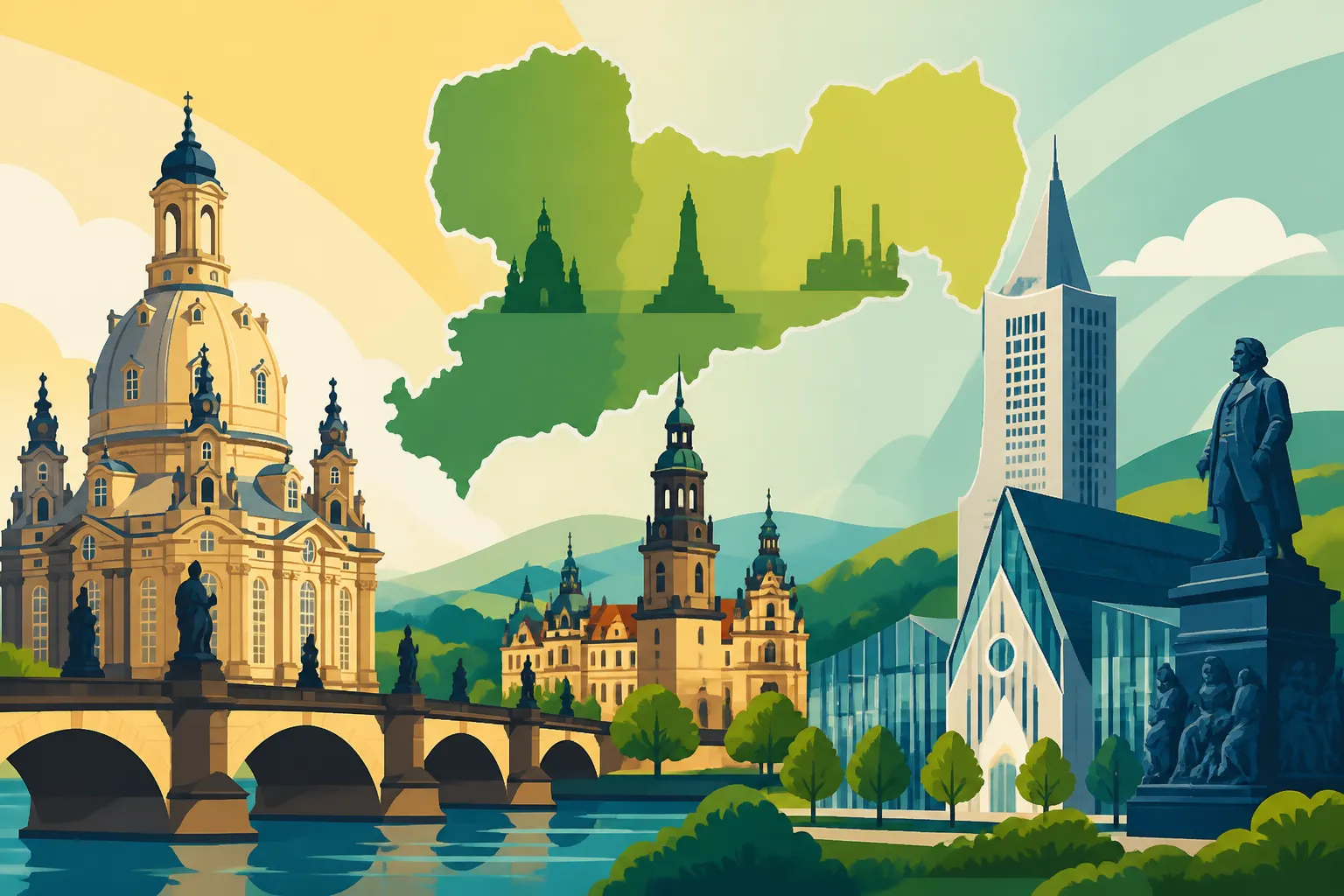
Saxony and the East: Dresden, Leipzig, and Beyond
Oh, Eastern Germany. For many of us expats, our initial thoughts might drift to Berlin and its undeniable cool factor, or perhaps the traditional charm of Bavaria. But let me tell you, if you haven't ventured into the east, particularly the region of Saxony, you're truly missing out on a treasure trove of history, breathtaking landscapes, and cities that hum with a unique blend of old-world elegance and vibrant modernity. I remember my first trip there, somewhat skeptical, only to be completely captivated by its resilience and beauty. This guide is going to take you on a deep dive into Dresden, Leipzig, and the incredible areas surrounding them, helping you uncover the wonders of Germany's captivating east.
Disclosure: This post may contain affiliate links. We may earn a commission at no extra cost to you if you make a purchase through these links. Read full disclosure.
A Glimpse into Eastern Germany's Rich History and Culture
Eastern Germany, often simply referred to as "the East" by locals, carries a history unlike any other part of the country. For over four decades, it existed as a separate state, the German Democratic Republic (GDR), and this period left an indelible mark that you can still feel today. It's not just about political history; it's woven into the architecture, the local dialects, and even the subtle cultural nuances that make this region so distinct.
The Enduring Legacy of the Former GDR
When you arrive in Eastern German cities, you'll sometimes notice a particular architectural style that stands in stark contrast to the baroque palaces or medieval Fachwerkhäuser of the west. This is the Plattenbau, the prefabricated concrete slab buildings that characterized much of the GDR's urban development. While some might see them as stark, they tell a powerful story of a distinct economic and social system, and many are now being renovated, blending into the modern cityscape. It's a visible reminder of a different era, often sparking conversation and curiosity among newcomers.
Beyond the concrete, the cultural memory of the GDR permeates daily life in subtle ways. You might encounter an Ampelmännchen, the iconic little traffic light man, still proudly standing guard at pedestrian crossings, especially in Berlin and Dresden. This charming figure, a beloved symbol of East German identity, has been embraced nationwide as a quirky piece of German heritage. For expats new to Germany, understanding this historical context helps to appreciate the regional differences and the ongoing process of integration and identity-building that continues to shape modern Germany.
Resurgence and Modern Identity
However, Eastern Germany is far from stuck in the past; it's a region that has undergone a phenomenal transformation since reunification in 1990. Cities like Leipzig and Dresden, once scarred by war and decades of socialist rule, have been meticulously rebuilt and revitalized, emerging as dynamic cultural and economic powerhouses. This resurgence is palpable in the vibrant arts scenes, innovative startup hubs, and beautifully restored historical centers. It's a testament to the perseverance and foresight of the people here, who have managed to preserve their unique heritage while embracing the future with open arms.
The spirit of innovation and community is particularly strong, often fueled by a younger generation drawn to the more affordable living costs and burgeoning creative opportunities. You'll find a distinct blend of historical pride and forward-thinking energy, where traditional crafts sit alongside cutting-edge technology. This blend makes exploring Eastern Germany a truly enriching experience, offering insights into a complex past while showcasing a bright and confident present. It’s a Germany that many might not expect, full of surprises and a deep sense of identity.
Dresden: The Florence on the Elbe
Dresden, often affectionately called the "Florence on the Elbe," is a city that rises majestically from the ashes of its devastating wartime destruction. It’s a city that embodies resilience, where magnificent Baroque architecture has been lovingly reconstructed, creating a skyline that is nothing short of breathtaking. If you’re looking for a dose of grandeur and cultural richness, Dresden is absolutely essential.
Baroque Splendor and Architectural Wonders
The heart of Dresden's architectural rebirth lies in its historic city center, where structures like the Frauenkirche (Church of Our Lady) stand as powerful symbols of hope and reconciliation. This stunning Lutheran church, painstakingly rebuilt from mere rubble, is an emotional and architectural marvel. Stepping inside, you're enveloped by its bright, welcoming interior, and if you have the chance, ascending to its dome offers panoramic views across the city and the winding Elbe River. It's a view that, for me, always brings a lump to the throat, thinking of what it once was and what it has become.
Just a stone's throw away, you'll find the majestic Zwinger Palace, a dazzling example of Baroque architecture and home to world-class museums. Its ornate galleries, vibrant gardens, and graceful fountains make it an ideal spot for a leisurely stroll, or simply to sit and absorb the sheer artistry of its design. And of course, no visit to Dresden is complete without admiring the Semperoper, the city's opera house, renowned for its exquisite architecture and rich musical history. Even if you don't catch a performance, a guided tour offers a fascinating glimpse into its opulent interiors and storied past. The dedication to rebuilding these monuments exactly as they were is truly remarkable.
Cultural Hubs and Artistic Delights
Beyond its iconic landmarks, Dresden thrives as a vibrant cultural hub, boasting an impressive array of museums and galleries. The Staatliche Kunstsammlungen Dresden (Dresden State Art Collections) are a treasure trove, housing an astonishing collection that spans centuries. From the Old Masters Gallery with its Raphael masterpiece, the Sistine Madonna, to the New Green Vault, shimmering with precious jewels and intricate artworks, there’s enough here to keep art enthusiasts enthralled for days. It’s not just about classical art either; Dresden embraces contemporary creativity with galleries showcasing modern works and experimental installations.
As you cross the Augustus Bridge, you enter the Neustadt, Dresden's younger, more bohemian district. This area offers a refreshing contrast to the historic Altstadt, with its colorful Gründerzeit buildings, quirky boutiques, independent cafes, and lively bars. It’s the perfect place to experience Dresden’s alternative scene, explore street art, and enjoy a relaxed evening out. The "Kunsthofpassage" is a particularly charming spot, a series of courtyards transformed into whimsical art installations with singing drainpipes and vibrant murals. It’s places like this that reveal the true diversity of Dresden’s cultural heartbeat, appealing to all tastes.
Exploring Beyond the City Center
Dresden’s charm extends far beyond its immediate urban core. The city is nestled within a beautiful landscape, making it an excellent base for exploring the surrounding region. The Elbe meadows, stretching along the riverbanks, offer wonderful opportunities for cycling, walking, or simply enjoying a picnic with views of the historic skyline. It's a peaceful retreat, easily accessible from the bustling city center, and a favorite spot for locals to unwind.
For those yearning for more dramatic natural beauty, the stunning Saxon Switzerland National Park (Sächsische Schweiz) is just a short journey away. You can hike through incredible rock formations, cross the famous Bastei Bridge, and take in panoramic vistas that will leave you speechless. It’s a true outdoor playground and a fantastic counterpoint to Dresden's urban elegance. You can find more information on planning your day trips and weekend getaways across Germany.
Leipzig: City of Music, Trade, and Transformation
Often overshadowed by its "Florence" neighbor, Leipzig is a city that pulses with youthful energy, a rich musical legacy, and a fascinating history of trade and peaceful revolution. It's a place that continually reinvents itself, offering a dynamic and engaging experience for any visitor or resident. If you’re a history buff, a music lover, or just someone who appreciates a city on the rise, Leipzig absolutely deserves your attention.
Tracing Leipzig's Musical Heritage
Leipzig boasts an extraordinary musical lineage, having been home to some of history's most revered composers. Johann Sebastian Bach spent 27 years here as the Thomaskantor, and his presence is still deeply felt. You can visit the St. Thomas Church (Thomaskirche), where Bach worked and is now buried, and perhaps even catch a performance by the famous St. Thomas Boys Choir, continuing a tradition that dates back centuries. It’s a truly moving experience to stand in the very place where such monumental music was created.
The city also celebrates the legacies of Felix Mendelssohn Bartholdy and Richard Wagner, both of whom contributed significantly to Leipzig’s musical tapestry. The Gewandhaus Orchestra, one of the world’s oldest and most prestigious orchestras, continues to uphold this tradition of excellence, offering a diverse program of classical music. For a deeper dive into these musical giants, the Bach Museum and Mendelssohn House provide intimate glimpses into their lives and works. Exploring Leipzig’s musical heritage feels like walking through a living symphony, with echoes of greatness around every corner.
Dynamic Art and Innovation Scene
Leipzig has garnered a reputation as a burgeoning hub for arts and innovation, often dubbed "Hypezig" for its youthful, creative atmosphere. This energy is perhaps best exemplified by the Spinnerei, a former cotton mill that has been transformed into a sprawling complex of art galleries, artist studios, and creative businesses. It's a fantastic place to spend an afternoon exploring contemporary art, discovering emerging talents, and perhaps even picking up a unique piece of artwork. The sheer scale and variety of artistic expression found here are truly inspiring.
Beyond the Spinnerei, the city's streets themselves are often canvases, adorned with impressive street art and murals that reflect its progressive spirit. Leipzig's universities and colleges attract a large student population, contributing to a vibrant intellectual and cultural scene that fosters innovation across various sectors, from tech startups to sustainable design. This blend of historical significance and cutting-edge creativity makes Leipzig an exciting place to explore, always offering something new and unexpected. It's a city that continuously challenges expectations and surprises you with its depth.
Green Spaces and Relaxing Retreats
Despite its urban dynamism, Leipzig is also remarkably green, offering numerous parks, gardens, and waterways that provide peaceful escapes from city life. The Clara-Zetkin-Park, one of the largest and most beloved parks, is perfect for a leisurely stroll, a bike ride, or simply enjoying the sunshine. Its expansive lawns, mature trees, and winding paths create a tranquil oasis in the heart of the city. During warmer months, you'll find locals picnicking, playing sports, and simply enjoying the open air.
The city is also famous for its extensive network of canals and waterways, earning it the nickname "Little Venice." You can rent a kayak or canoe and paddle through the city, exploring it from a unique perspective, or take a guided boat tour. Furthermore, just outside the city lies the Leipziger Neuseenland (New Lake District), a massive recreational area formed from former open-cast mines. These sparkling lakes offer a plethora of water sports, swimming, and lakeside relaxation, making them ideal for weekend getaways. Whether you prefer a quiet park bench or an active day on the water, Leipzig has plenty of options for unwinding.
Beyond the Big Cities: Hidden Gems and Natural Beauty in Saxony
While Dresden and Leipzig are undoubtedly the crown jewels of Saxony, venturing beyond these metropolitan centers reveals a region brimming with picturesque towns, ancient castles, and some of Germany's most dramatic natural landscapes. Don’t make the mistake of sticking only to the main attractions; the real magic of Saxony often lies off the beaten path.
Saxon Switzerland National Park: A Hiker's Paradise
Just a short trip from Dresden, the Saxon Switzerland National Park (Sächsische Schweiz) is an absolute must-see for anyone who loves the outdoors. This unique national park, part of the Elbe Sandstone Mountains, offers a geological wonderland unlike anywhere else in Germany. Picture towering rock pinnacles, deep canyons, and lush forests – it truly feels like stepping into a fantasy novel. The iconic Bastei Bridge, a sandstone bridge perched high above the Elbe River, offers breathtaking panoramic views and is a fantastic starting point for exploring the area.
Beyond the Bastei, countless hiking trails cater to all fitness levels, from gentle riverside walks to challenging climbs that reward you with incredible vistas. You can explore medieval fortresses like Königstein Fortress, which offers both historical insight and stunning views, or simply get lost among the intricate rock formations. Remember to wear sturdy shoes and bring plenty of water, especially if you plan a longer trek. It’s truly an unforgettable landscape that will make you feel a million miles away from city life, even though it’s so easily accessible.
Meissen: Cradle of European Porcelain
A charming town perched above the Elbe, Meissen holds a special place in European history as the birthplace of European hard-paste porcelain. Since 1710, the world-renowned Meissen Porcelain Manufactory has been crafting exquisite pieces, and a visit here is a fascinating journey into artisanal craftsmanship and luxury. You can take a guided tour to watch master artisans at work, learn about the intricate process of porcelain creation, and admire stunning historical and contemporary collections in the museum. Even if you're not a porcelain aficionado, the skill and dedication on display are truly captivating.
Beyond the porcelain, Meissen itself is a delight to explore. Its well-preserved medieval old town, with cobbled streets and charming squares, is dominated by the majestic Albrechtsburg Castle and Meissen Cathedral, both perched atop a hill overlooking the river. The castle, considered Germany's oldest castle, offers a glimpse into Gothic architecture and princely life. A leisurely stroll through the town, perhaps with a stop at a local cafe to enjoy some regional cake, is a wonderful way to spend an afternoon immersing yourself in centuries of history.
Görlitz: A Timeless Beauty on the Neisse
Way out on Germany’s easternmost border, where the Neisse River separates it from Poland, lies Görlitz, a city often hailed as one of Germany's most beautiful. What makes Görlitz so special is its incredible architectural preservation; it miraculously survived World War II largely unscathed, leaving behind a treasure trove of Gothic, Renaissance, and Baroque buildings. Walking through its historic center feels like stepping back in time, which is why it has become a popular filming location for Hollywood blockbusters.
The sheer variety of architectural styles, all beautifully maintained, is astounding. You can explore the old town's winding alleys, admire the richly decorated merchant houses, and cross the pedestrian bridge to the Polish side of Zgorzelec for a truly cross-cultural experience. The city also offers a unique blend of German and Eastern European influences, particularly in its culinary offerings. Görlitz is a place where history whispers from every cobblestone, inviting you to wander and discover its quiet charm. It’s a truly rewarding detour for those seeking authentic historical ambiance.
Practicalities for Exploring Eastern Germany
Embarking on an adventure through Eastern Germany, especially to places like Dresden and Leipzig and the hidden gems beyond, requires a bit of practical planning. But don't worry, navigating this region is quite straightforward, and with a few tips, you'll be zipping around like a seasoned local in no time. I've found that a little preparation goes a long way in making your trip smooth and enjoyable.
Getting Around: Trains, Buses, and Cars
Germany’s public transportation network is famously efficient, and Eastern Germany is no exception. The Deutsche Bahn (DB) is your best friend for intercity travel, connecting Dresden and Leipzig frequently with high-speed ICE trains, as well as regional services to smaller towns like Meissen and into Saxon Switzerland. Booking tickets in advance, especially for ICE trains, can often save you money, and checking schedules on the DB Navigator app is super convenient. For longer distances or if you're on a tighter budget, long-distance buses like FlixBus offer an affordable alternative, with comfortable coaches and extensive routes. You can easily compare options and book your tickets through platforms like Omio.
If you plan to explore the more remote areas, especially parts of Saxon Switzerland, or simply prefer the flexibility of stopping wherever you please, renting a car is an excellent option. Germany's Autobahns are legendary for their lack of general speed limits (though many sections do have them), making driving efficient. Just be mindful of local parking rules and environmental zones in cities. Understanding the nuances of renting a car and driving on the Autobahn can enhance your travel experience significantly.
Accommodation: Finding Your Perfect Stay
Eastern Germany offers a diverse range of accommodation options to suit every budget and travel style. In the larger cities like Dresden and Leipzig, you'll find everything from luxurious hotels in historic buildings to modern boutique hotels, comfortable guesthouses (Pensionen), and plenty of budget-friendly hostels. Many expats also find that self-catering apartments are a fantastic option, especially for longer stays or for families, offering a taste of local living. These often come with fully equipped kitchens, allowing you to save money on dining out.
For those venturing into smaller towns or the national parks, you might discover charming family-run guesthouses or traditional hotels that offer a more authentic regional experience. Booking your accommodation in advance, especially during peak travel seasons or for popular events like Christmas markets, is highly recommended to secure the best spots and prices. Platforms like Booking.com are invaluable for comparing different options, reading reviews from fellow travelers, and securing reservations with ease. This helps reduce stress, knowing you have a comfy place to rest after a day of exploring.
Guided Tours and Experiences
While exploring independently is fantastic, sometimes a guided tour can unlock deeper insights and take you to places you might not discover on your own. Eastern Germany, with its rich history and complex stories, is particularly well-suited for guided experiences. In Dresden and Leipzig, you'll find walking tours that delve into the Baroque past, the musical heritage, or the revolutionary history. Some specialized tours even focus on the specific legacy of the GDR, offering unique perspectives from locals who lived through that era.
For outdoor adventures in Saxon Switzerland, a guided hiking tour can be a real asset, especially if you're not confident navigating the trails or want to learn more about the geology and ecology of the park. These tours often provide transportation and ensure you see the most spectacular viewpoints. Websites like GetYourGuide offer a wide selection of tours and activities, allowing you to book unique experiences, from city explorations to culinary journeys or adrenaline-pumping outdoor excursions, ensuring you make the most of your visit to this incredible region.
Embracing the Eastern German Experience
Traveling through Saxony and Eastern Germany is more than just sightseeing; it's an opportunity to immerse yourself in a unique facet of German culture. It's about savoring regional flavors, understanding local customs, and perhaps even picking up a few German phrases to connect more deeply with the people you meet. For those of us who've lived in Germany for a while, we know that embracing these local differences is where the true joy of expat life lies.
Local Cuisine and Delights
Eastern Germany, and Saxony in particular, boasts its own delightful culinary traditions that are a must-try for any food lover. Forget your preconceived notions of German food being all about Wurst and Kartoffeln; here, you'll find some truly unique regional specialties. One absolute classic you have to try is the Sächsische Eierschecke, a delectable three-layered cake that's a staple in Dresden's cafes. It's rich, creamy, and utterly comforting – perfect with a cup of coffee.
In Leipzig, keep an eye out for Leipziger Lerchen, small, sweet pastries with an almond and jam filling, a charming nod to an old tradition. The region also prides itself on its hearty, traditional cooking, often featuring local produce and game. Don't shy away from trying some of the regional beers or local wines from the Elbe Valley, which boast a surprisingly long and rich history. Exploring German regional dishes every visitor should try will certainly make your culinary journey richer. These local treats are more than just food; they’re a taste of history and community.
Language and Cultural Nuances
While you'll find English speakers in tourist-heavy areas and larger cities, particularly among younger generations, making an effort to learn a few basic German phrases will always be appreciated. A simple "Guten Tag," "Danke," and "Bitte" goes a long way in making connections and showing respect for the local culture. The Saxon dialect can be quite distinct, with its soft 'g's and unique pronunciations, but don't let that deter you; most locals will understand standard German. You can find excellent resources for learning German to help you prepare.
Culturally, you might find that people in Eastern Germany, like many Germans, value punctuality and directness. However, once you break through any initial reserve, you'll often discover a genuine warmth and hospitality. Locals are generally proud of their region and its transformation, and many are eager to share their stories and recommendations. Being open, respectful, and a little curious will allow you to forge deeper connections and truly understand the unique spirit of this fascinating part of Germany. It's a journey of discovery not just of places, but of people and their enduring character.
| Feature | Dresden (Florence on the Elbe) | Leipzig (City of Music, Trade, and Transformation) |
|---|---|---|
| Vibe | Elegant, historic, rebuilt Baroque grandeur | Dynamic, youthful, creative, intellectual, revolutionary past |
| Key Landmarks | Frauenkirche, Zwinger Palace, Semperoper, Brühl's Terrace | St. Thomas Church, Old Town Hall, Völkerschlachtdenkmal, Spinnerei |
| Musical Heritage | Strong opera and classical tradition | Bach, Mendelssohn, Wagner; St. Thomas Boys Choir, Gewandhaus Orchestra |
| Arts & Culture | World-class art collections (Old Masters, Green Vault), Neustadt alternative scene | Contemporary art (Spinnerei), street art, vibrant music scene |
| Green Spaces | Elbe Meadows, Großer Garten | Clara-Zetkin-Park, Leipzig's waterways, Leipziger Neuseenland |
| Regional Food | Sächsische Eierschecke, Dresdner Stollen | Leipziger Lerchen, Gose beer |
| Notable Day Trips | Saxon Switzerland National Park, Meissen, Moritzburg Castle | Wörlitz Garden Realm, Halle (Saale) |
| Best For | Architecture lovers, classical art and music, romantic getaways | History buffs, contemporary art, music enthusiasts, students, nightlife |
Eastern Germany, and particularly the region of Saxony, offers an incredibly rich and diverse experience that truly sets it apart. From the stunning, resurrected beauty of Dresden to the vibrant, forward-looking energy of Leipzig, and the dramatic natural landscapes that lie between, there’s a depth of history, culture, and transformation waiting to be explored. Don't let your German adventure end without experiencing the captivating allure of the east – it’s a journey that promises to surprise, educate, and inspire in equal measure.
Disclaimer
The information provided in this guide is intended for general informational purposes only. While we strive to keep the information up-to-date and correct, travel conditions, opening hours, prices, and regulations can change. We recommend verifying details with official sources before making any travel plans. Opinions expressed are personal and reflect individual experiences.