How to Find a Good Bakery (Bäckerei) in Germany
Finding yourself standing in front of a wall of lukewarm, plastic-wrapped rolls at a train station "Backshop" is a rite of passage for every newcomer in Germany, but it is also a heartbreak. You moved here for the world-class bread culture, not industrial dough. This guide solves the mystery of the "real" German bakery, teaching you how to spot authentic craft, avoid industrial chains, and order your morning Brötchen with the confidence of a local.
Disclosure: This post may contain affiliate links. We may earn a commission at no extra cost to you if you make a purchase through these links. Read full disclosure.
The Battle Between Tradition and Industrialization: Understanding the German Bakery Landscape
When you first arrive in Germany, you might think that every shop with a pretzel on the sign is a bastion of tradition. Unfortunately, that is far from the truth. In the last few decades, the German bakery landscape has been split between the "Handwerksbäcker" (the craft baker) and the "Backshop" or industrial chain. The former is where the magic happens—where flour, water, salt, and time are treated with respect. The latter is often just a terminal for frozen dough balls shipped in from a central factory, baked quickly to give off a fleeting aroma that lures in unsuspecting commuters.
As someone who spent my first six months in Munich eating cardboard-like rolls from the local supermarket kiosk, I understand the frustration. You want that thick, crunchy crust and the dense, sourdough interior that keeps you full until dinner. To find this, you have to look past the neon signs. A real craft bakery often looks a bit more "lived-in." The selection might be smaller because they only bake what they can handle by hand. If you see a sign that says "Eigene Herstellung" (own production) or "Natursauerteig" (natural sourdough), you are likely in the right place. These bakers often belong to local guilds and take immense pride in their German Food Culture: Eating and Drinking as a Visitor.
The rise of industrial chains like Kamps, BackWerk, or Steinecke has made it harder for the little guys to survive. While these chains are convenient—especially when you are booking a quick trip on Omio and need a snack before your train leaves—they rarely represent the soul of German baking. Industrial bread often uses "Backmittel" (baking agents) to speed up the process, which can lead to bloating and a lack of flavor. If the bread feels suspiciously light for its size, it’s filled with air and chemicals. A real loaf of "Graubrot" should feel like a brick; it is dense, nutritious, and a central pillar of the Bread, Bakeries, and the German Breakfast.
To truly experience the regional diversity, you must keep an eye out for local specialties. In the north, you’ll find heavier rye breads, while in the south, the Brezel (pretzel) reigns supreme. If you are traveling through different states, perhaps using Booking.com to find a cozy guesthouse in a small village, always ask the host where the "Dorfbäcker" is. Every region has a secret—a specific type of roll or a fruit-laden "Streuselkuchen" that hasn’t changed recipes in a hundred years. Exploring these nuances is just as important as knowing about Sausages and Street Food in Germany (Currywurst and More) when it comes to understanding the local palate.
Practical Tips for Finding and Navigating Your Local Bäckerei
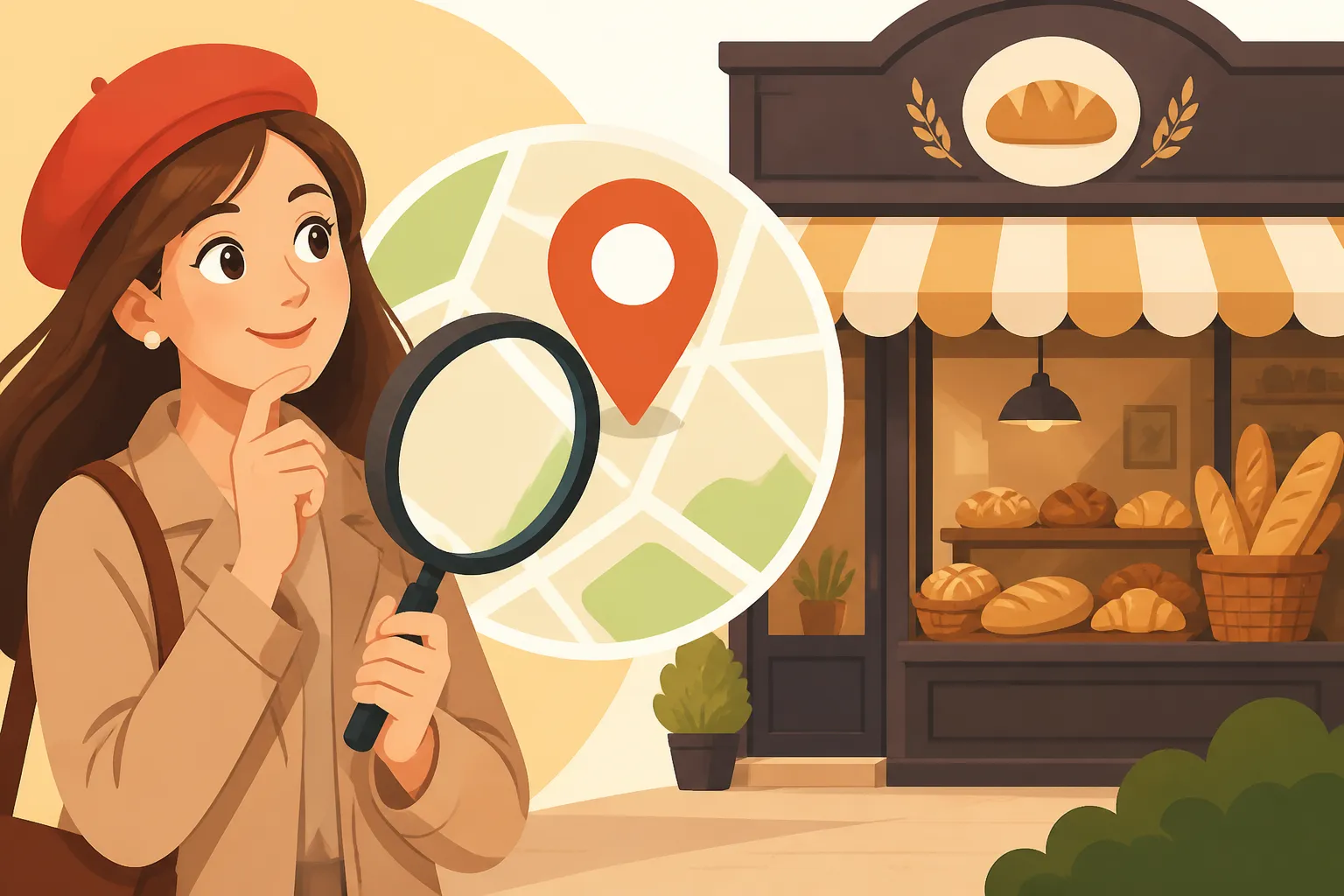
Finding a good bakery often requires a bit of detective work and a willingness to wake up early. The best "Handwerksbäckereien" often have queues out the door by 7:00 AM on a Saturday. This is a good sign. If you see locals in their pajamas or tracksuits waiting patiently in the cold, you’ve found the gold mine. I usually suggest checking Google Maps for keywords like "Traditionsbäckerei" or "Bio-Bäcker." Don't just settle for the one inside the Edeka or Rewe supermarket; while some of those are okay, they are rarely the "Hero" bakeries of the neighborhood.
Timing is everything in the world of German dough. Most traditional bakeries open as early as 5:30 or 6:00 AM. By noon, the best sourdough loaves and the most coveted "belegte Brötchen" (sandwiches) are often gone. If you arrive at 3:00 PM, you will likely be met with empty wooden bins and a few lonely cookies. However, this is also when the German Cafés and Kaffee und Kuchen Culture kicks in. While the bread might be sold out, the afternoon is for "Kuchen" (cake). A good bakery will transition from savory to sweet as the day progresses, offering slices of "Bienenstich" or "Käsekuchen" that pair perfectly with a strong coffee.
Decoding the display case can be overwhelming for an expat. You’ll see dozens of different rolls, all with names that change depending on which city you are in. In Berlin, a plain roll is a "Schrippe," in Munich it’s a "Semmel," and in other places, it’s a "Rundstück." If you are feeling lost, you can always look for "English-friendly" food tours on GetYourGuide to get a local's perspective on the best spots. But part of the fun is the trial and error. Try a "Kürbiskernbrötchen" (pumpkin seed roll) one day and a "Weltmeisterbrötchen" (world champion roll, loaded with seeds) the next. Each has a different texture and "Biss" (bite).
When it comes to ordering, speed is valued. German bakery staff are famously efficient—sometimes to the point of being perceived as "unfriendly" by newcomers. Don't take it personally; they just have a line of thirty hungry people behind you. Know what you want before it’s your turn. If you want three of a certain roll, say "Drei von den Weltmeisterbrötchen, bitte." If you aren't sure of the name, pointing is acceptable, but try to use the specific name if you can. This interaction is a great way to practice your Ordering Food and Drinks in German: A Practical Phrasebook in a low-stakes environment.
Essential Vocabulary and Etiquette for the Perfect Bakery Experience
To navigate the Bäckerei like a pro, you need to understand the unwritten rules of the counter. First, the "Zange" (tongs). In most traditional bakeries, the staff will use tongs or a small piece of paper to grab your bread. You should never, ever reach over the glass to touch anything yourself. It is a major hygiene faux pas. Secondly, be prepared for the "Sonntagsbäcker" (Sunday baker) rules. Many bakeries have limited hours on Sundays, and some might only open for a few hours in the morning to sell fresh rolls for family brunch. This is part of the Quiet Hours and Sundays in Germany (Ruhezeit) culture that defines the German weekend.
Payment is another hurdle that catches expats off guard. While things are slowly changing, many small, high-quality bakeries are still "Nur Bar" (cash only). If you try to pay for a €0.40 roll with a credit card, you might get a frustrated sigh or a flat "Nein." Always carry a few Euro coins. Understanding Cash vs Card in Germany: What Visitors Should Know is vital here; the more "authentic" the bakery, the more likely they are to prefer physical coins. Also, keep in mind that tipping is not expected for a simple over-the-counter purchase, though rounding up to the nearest ten or twenty cents is a nice gesture, as detailed in our guide on Tipping in Germany: When, Where, and How Much.
Comparing Bakery Types: Where Should You Go?
| Feature | Handwerksbäckerei (Craft) | Kette (Industrial Chain) | Backshop / Discounter |
|---|---|---|---|
| Dough Quality | Freshly made, long fermentation | Mass-produced, frozen | Industrial, high additives |
| Flavor Profile | Complex, nutty, sour | Consistent, slightly sweet | Bland, salty |
| Shelf Life | Lasts 3-5 days | Goes stale in 24 hours | Hardens in hours |
| Price | Mid to High | Low to Mid | Very Low |
| Typical Sign | Family name or "Bio" | Bright colors, logo | Inside supermarkets/trains |
Using the table above, you can see why searching for a family-owned shop is worth the extra five-minute walk. If you are staying in a city center, perhaps in a hotel you found on Booking.com, the temptation to go to the chain bakery downstairs is high. But if you want a loaf that actually tastes like the rye fields of Brandenburg, look for the shop that looks like it hasn't been renovated since 1985. That is where the real "Meister" is working.
Finally, don't forget the "belegtes Brötchen." These are pre-made sandwiches, usually featuring ham, cheese, or salami with a single leaf of lettuce and a slice of egg. They are the ultimate German breakfast-on-the-go. When you order one, the clerk might ask "Mit alles?" (with everything) or if you want it "frisch geschmiert" (freshly buttered). This is a staple of German Meal Times and Restaurant Basics for Visitors, providing a cheap and filling lunch option that beats any fast-food burger.
Expanding Your Culinary Horizons Across Germany
Once you have mastered your local neighborhood bakery, it’s time to look at the "Konditorei." While a Bäckerei focuses on bread and rolls, a Konditorei is a pastry shop focusing on cakes, pralines, and tarts. Often, these two businesses are combined into a "Bäcker-Konditorei." This is where you go for the serious stuff—"Schwarzwälder Kirschtorte" (Black Forest Cake) or "Frankfurter Kranz." If you are planning a trip to the Black Forest, you might use Omio to book your train and then look for a historic Konditorei in Freiburg to try the authentic version of the cake.
The etiquette in a Konditorei is slightly more formal. If there are tables, you usually don't just grab a coffee and leave. You are expected to sit, enjoy your "Kaffee und Kuchen," and take part in the slow pace of German social life. This is a great place to observe Polite German: Du vs Sie for Visitors, as the service is typically more traditional. If you're traveling with children, the bakery/café environment is very welcoming.
Don't be afraid to ask the baker what their favorite loaf is. Many "Bäckermeister" love to talk about their "Sauerteig" (sourdough) or the specific grain they source from a local mill. If your German isn't perfect, don't worry. Most bakers are happy to help as long as you are enthusiastic about their craft. If you are still worried about the language barrier, check out our tips on Seeing a Doctor Who Doesn’t Speak English: Tips for Overcoming Language Barriers, as many of the same communication strategies apply to any bureaucratic or service-based interaction in Germany.
As you become a regular at your local shop, you'll start to notice the seasonal changes. In December, the shelves will be dominated by "Stollen" and "Plätzchen" (Christmas cookies). In spring, you might see "Rhabarberkuchen" (rhubarb cake). Each season brings a new reason to visit. Whether you are a tourist just passing through or an expat trying to build a new life, the local Bäckerei is the heartbeat of the community. It’s where you get your news, your fuel, and a little piece of German history, one slice of bread at a time.
Disclaimer
The information provided in this guide is for informational purposes only. While we strive to provide accurate and up-to-date advice regarding German culture and administrative processes, local laws, business hours, and customs may change. Always check with local authorities or individual businesses for the most current information. Content regarding health or legal matters should not be taken as professional advice.