How to Get Into Berghain and Berlin Clubs
Oh, the infamous Berlin club scene, and Berghain in particular. If you've ever dreamt of experiencing it, you've probably also heard the terrifying tales of rejection at the door, leaving you wondering if it's even worth the effort. It’s a rite of passage, a bewildering gauntlet for many, but this guide is here to demystify the process, offer realistic advice, and help you navigate Berlin's unique nightlife, whether your ultimate goal is Berghain or just an unforgettable night out.
Disclosure: This post may contain affiliate links. We may earn a commission at no extra cost to you if you make a purchase through these links. Read full disclosure.
The Myth and Reality of Berlin Club Culture
Let's be brutally honest: Berlin's club culture isn't like anywhere else. It’s not just about dancing; it's a whole ethos, a philosophy, and for many, a way of life. When you arrive, especially if you're coming from a country with a more commercialized or mainstream club scene, the first thing that hits you is the sheer lack of outward glamour. There are no flashy signs, no red carpets, no VIP ropes draped in velvet. The clubs themselves are often repurposed industrial buildings, nondescript from the outside, hiding worlds of sound and experience within. This understated exterior is your first clue: it’s not about appearances in the traditional sense.
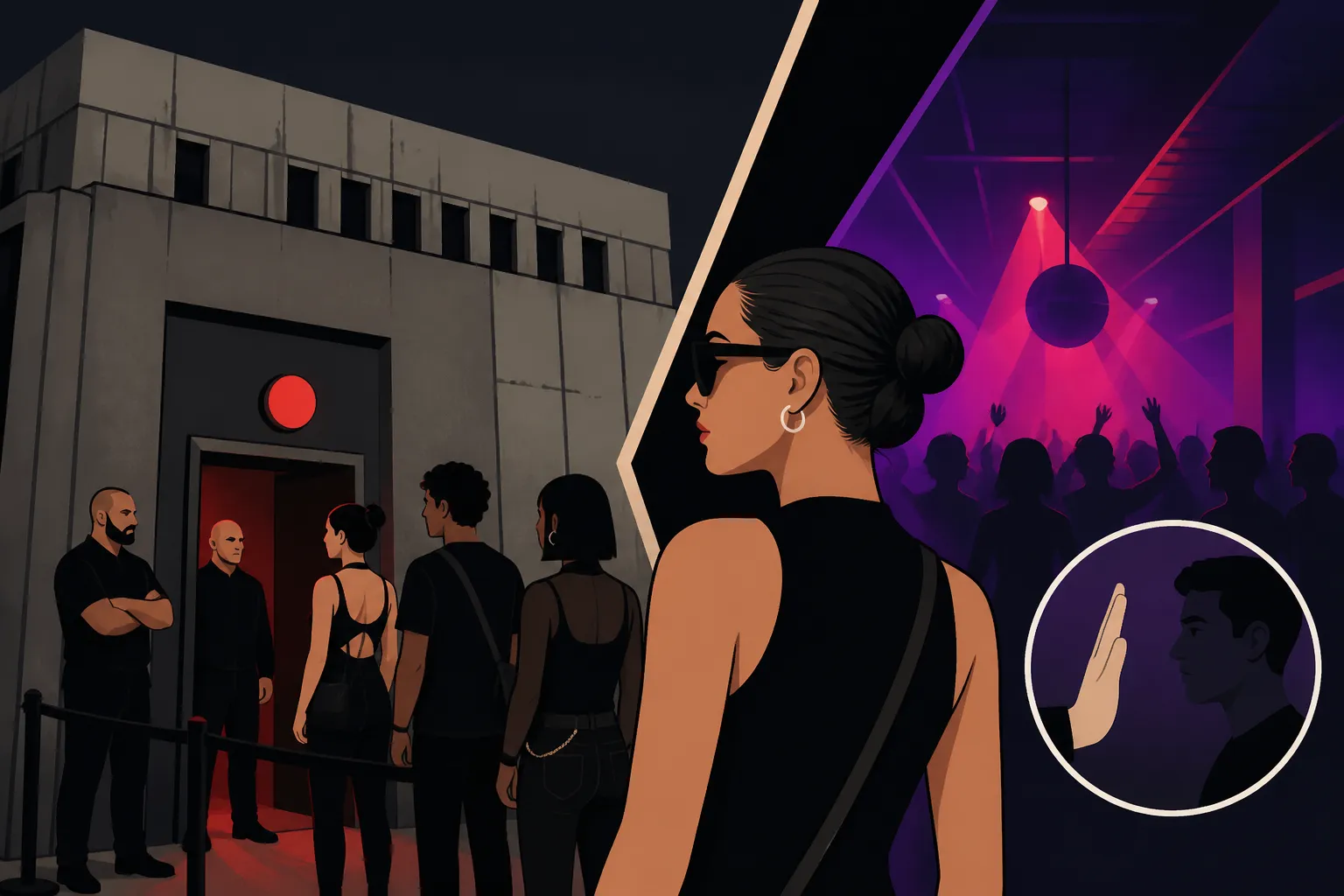
The bouncers, or Türsteher as they're known here, are not simply security guards. They are the gatekeepers of this culture, the guardians of the vibe. And believe me, their job isn't just to check IDs. Their decisions often feel arbitrary, unfair, and deeply personal, which can be incredibly frustrating for foreigners who aren't used to such an opaque system. You might have traveled thousands of miles, spent a fortune, and still find yourself politely (or not-so-politely) turned away. This isn't a personal attack, even though it feels like one; it's a reflection of Berlin's dedication to preserving a specific atmosphere. They are trying to ensure that the crowd inside contributes positively to the overall experience, rather than detracting from it.
Understanding the Berlin Vibe: It's More Than Just a Party
So, what exactly is this "vibe" that everyone talks about? It’s complex, ever-evolving, and often intangible, but at its core, it champions authenticity, respect for the music, and a sense of freedom. Berlin club culture grew out of a post-Wall landscape of abandoned spaces, cheap rent, and a counter-cultural spirit that embraced experimentation and inclusivity (within its own parameters). It's a place where you can truly let go, be yourself, and lose yourself in the music without judgment – provided you've passed the initial judgment at the door.
This means showing up as a large, loud, boisterous group of tourists eager for a wild night of selfies and yelling over the music is almost always a guaranteed way to get rejected. The Türsteher are looking for individuals who appear relaxed, respectful, and genuinely interested in the electronic music experience, not just ticking off a bucket list item. They want people who will add to the energy, not just consume it. Think of it as an immersive art installation where you are also part of the performance; if you don't fit the aesthetic or understand the subtle cues, you might be asked to observe from afar. It’s about being present, not just present on social media. This cultural nuance can be a real headache for newcomers, but once you grasp it, you’ll appreciate the effort that goes into maintaining it.
The Legend of Berghain: Why It's So Exclusive
Now, let’s talk about the elephant in the room: Berghain. This former power plant in Friedrichshain has achieved near-mythical status, not just in Berlin, but globally. It's famous for its uncompromising techno music, marathon parties that often last from Saturday night until Monday morning, a liberal attitude towards personal expression, and, of course, its legendary door policy. Berghain is, for many, the pinnacle of the Berlin club experience, a place where the lines between art, music, and hedonism blur. Its exclusivity isn't just a marketing ploy; it's deeply ingrained in its identity and the experience it offers.
The club actively enforces a "no photos" policy inside, a rare and refreshing rule that allows people to fully immerse themselves without the pressure of documenting every moment for social media. This contributes to its mystique and helps maintain a unique atmosphere of freedom and intimacy. The bouncers, particularly the most famous one, Sven Marquardt, are tasked with curating the crowd to maintain this specific ethos. They're looking for a diverse, open-minded, and respectful mix of people who will enhance the environment rather than disrupt it. It's not about being beautiful or rich; it's about fitting into a very specific, intangible vision. The long queues, the whispered tips, the shared anxiety among hopeful clubbers – it all adds to the legend. People travel from all over the world just for a chance to get past that notorious entrance, making the rejection sting even more.
Decoding the Door Policy: Tips and Tricks for Entry
Getting into a Berlin club, especially Berghain, isn't an exact science. It's more of an art form, a subtle dance of presentation, attitude, and a little bit of luck. There's no secret handshake or magic password, but there are definite factors that can increase or decrease your chances. The goal is to appear as if you belong, that you understand and appreciate the environment you're trying to enter, without trying too hard. It's a fine line to walk, and it’s why so many expats find themselves confused or frustrated.
Remember, the Türsteher see thousands of faces every weekend. They're looking for subtle cues. Your appearance, your interactions, and even your group dynamics all play a role. Don't go in with the expectation that you deserve to get in; approach it with humility and a genuine desire to experience the culture. This mindset alone can shift your demeanor in a positive way.
Dress Code: Less Is Often More, and Authenticity Reigns
Forget your flashy designer clothes, your sparkly dresses, or your pristine white sneakers. The Berlin club scene, especially at Berghain, values an understated, raw, and often minimalist aesthetic. Think "effortlessly cool" rather than "dressed to impress." Dark colors, functional and comfortable clothing, and a hint of individuality are usually a good bet. Black is always a safe choice, but not exclusively. People often wear unique, avant-garde, or even slightly provocative outfits, but they always look authentic to the person wearing them.
For men, a simple t-shirt or tank top, dark jeans or cargo pants, and comfortable, worn-in sneakers or boots are common. For women, similar attire, perhaps a unique top, dark skirt or trousers, and comfortable shoes are typical. The key is to avoid looking like you're heading to a mainstream discotheque or a tourist trap. Avoid anything too "corporate" or "preppy." Don't wear obvious brand names or anything that screams "I just flew in for the weekend and need to experience this famous club." Your outfit should suggest you're a regular, or at least familiar with the vibe. It also helps if your clothes look like they can withstand a long night of dancing. This is less about high fashion and more about a certain kind of anti-fashion. If you're struggling with what to pack, err on the side of dark and comfortable, with maybe one unique accessory that expresses your personality.
The Language Barrier and Your Demeanor
This is where many non-German speakers feel a surge of anxiety, and it's completely valid. While many bouncers at Berlin clubs speak some English, addressing them in German, even just a simple "Guten Abend" (good evening) or "Wie geht's?" (how are you?), can go a long way. It shows effort and respect for the local culture. If they ask you a question in German, try to respond in German if you can, even if it's broken. If not, politely state in English that you don't speak much German. The important thing is to be polite, brief, and confident. Don’t stammer, don’t over-explain, and definitely don't try to charm them with a lengthy speech. A simple "Hi, just two of us, hoping to catch the DJ tonight" is usually sufficient in English.
Your demeanor is perhaps even more critical than your outfit or language skills. Project calm confidence. Don't be visibly nervous or anxious. Don't look around frantically at other people or try to assess their chances. Don't stare at the bouncer's face; make eye contact when spoken to, but then look straight ahead or slightly past them. Most importantly, be sober, or at least appear perfectly sober. Showing up visibly intoxicated is a surefire way to be turned away. Don't chat loudly with your friends in line, don't take photos of the facade, and put your phone away. The impression you give in those few seconds at the front of the queue is everything. Think cool, collected, and respectful.
Timing and Group Size: Strategic Planning for the Best Chance
When you go and who you go with can significantly impact your chances. For Berghain, the peak times are usually Saturday night, extending into Sunday morning and afternoon. Going at 2 AM on a Saturday with a massive queue can be particularly challenging. Many seasoned clubbers suggest aiming for Sunday morning (around 8-10 AM) or even Sunday afternoon/evening, when the initial rush has died down and the crowd inside is already established. This "second wave" approach can sometimes work better, though it’s never a guarantee. Fridays, for their Panorama Bar night, can also be a good option as the crowd is slightly different, often a bit more relaxed.
As for group size, this is a major one. Large groups are almost universally frowned upon. The ideal size is usually two people, maybe three. A solo entry can sometimes work well, suggesting you're confident and self-sufficient. If you're in a group, try to split up into pairs or individuals as you approach the door, even if you’re planning to meet up inside. The bouncers are trying to prevent large, rowdy groups from disrupting the vibe. They want individuals who integrate into the existing flow, not those who form an insular clique. Remember, the atmosphere they're curating is intimate, not a stadium concert. If you are traveling to Berlin for this specific experience, planning your route and even booking accommodation via Booking.com that is walking distance or a short ride away from the club can save you a lot of stress on the night.
Beyond Berghain: Exploring Other Iconic Berlin Club Experiences
It’s easy to get fixated on Berghain, but Berlin's nightlife is so much more diverse and incredible than just one club. If Berghain isn’t your scene, or if the door policy feels too daunting, please don’t despair! There are countless other venues offering fantastic music, unique atmospheres, and often a much more welcoming entrance. In fact, many locals find the Berghain hype a bit tiresome and prefer other spots that are equally, if not more, enjoyable for their specific tastes. Embracing this broader landscape is key to truly experiencing Berlin's legendary party scene.
Don't let one bouncer's judgment define your entire trip or night out. Berlin has carved out its reputation as a global nightlife capital for a reason, and that reason extends far beyond just one establishment. Think of it as an adventure of discovery; sometimes the best experiences are found off the beaten path, away from the longest queues. Getting around German cities like Berlin is incredibly efficient, so you have the freedom to explore different areas and clubs easily. Public transport tickets and passes make hopping between venues or different neighborhoods a breeze.
Alternatives to Berghain: Still Great, Less Stress
If Berghain's door proves impenetrable, or you simply want to broaden your horizons, Berlin offers a wealth of incredible clubs. Here are a few notable alternatives, each with its own distinct flavor:
- Sisyphos: Located in Rummelsburg, this massive outdoor/indoor wonderland is like a mini-festival grounds. It features multiple dance floors, chill-out areas, a sandy beach, and often hosts parties that last for days. The music tends to be house and techno, and the vibe is much more playful and less intense than Berghain. The door policy is generally more relaxed, though they still prefer smaller groups and a chill attitude.
- Watergate: Nestled directly on the Spree river in Kreuzberg, Watergate is famous for its stunning views, especially from its glass-fronted main floor, and its focus on house and techno. The sound system is top-notch, and they host international DJs regularly. The door is selective but generally less intimidating than Berghain. Dress stylishly but still in line with Berlin's understated cool.
- Tresor: A true techno institution, Tresor is one of Berlin's oldest and most influential techno clubs, located in the Kraftwerk (another former power plant) building near Alexanderplatz. It's dark, gritty, and raw, with a focus on uncompromising, hard-hitting techno. The door policy is often described as "easier" than Berghain, but still prefers a genuine interest in the music and a non-touristy vibe.
- About Blank: Situated in Friedrichshain, About Blank has a fantastic outdoor garden area for warmer months and multiple indoor floors. It often hosts queer-friendly parties and features diverse electronic music from house to techno. The door is selective but typically more welcoming to diverse crowds.
- Kater Blau: Also on the Spree in Friedrichshain, Kater Blau is the successor to the legendary Bar25 and Sisyphos's "sister" club. It has a whimsical, circus-like aesthetic, often featuring eclectic music, live acts, and long parties. The vibe is creative and bohemian, and the door prefers individuals who fit into this artistic, free-spirited atmosphere.
Finding Your Niche: Different Genres and Scenes
Berlin isn’t just a techno city. While techno and house are dominant, the nightlife scene is incredibly diverse. You can find clubs catering to almost any taste:
- House Music: Besides Watergate and parts of Sisyphos, clubs like Renate often lean heavily into house, disco, and funk, especially in their smaller rooms.
- Experimental/Avant-Garde: Venues like Loophole in Neukölln or arkaoda in Wedding offer more experimental sounds, live performances, and often a more intimate, local feel.
- Queer Scene: Berlin is a global hub for LGBTQ+ nightlife, with numerous clubs like SchwuZ, Berghain's own Panorama Bar (often seen as queer-friendly), and specific party series offering vibrant, inclusive spaces. These venues often have their own unique dress codes and vibes that might lean towards more expressive or fetish-inspired attire.
- Live Music: If electronic isn't your thing, countless bars and smaller venues host live bands, jazz nights, and open mic sessions. Check out specific neighborhoods like Kreuzberg or Neukölln for a more rock, punk, or indie scene.
To help you navigate this rich landscape, consider exploring resources beyond just word-of-mouth. While not for direct club entry, platforms like GetYourGuide offer various alternative nightlife tours and experiences that can help you get acquainted with Berlin’s diverse party districts and discover venues that might be a better fit for your interests. This can be a fantastic way to ease into the city's unique nocturnal rhythm without the high-pressure situation of a Berghain queue.
Practical Preparations for Your Berlin Clubbing Adventure
Once you’ve got your outfit picked out and your mindset calibrated, it’s time to think about the nitty-gritty logistics. A successful Berlin clubbing experience isn't just about getting in; it's also about staying safe, comfortable, and ensuring you have a smooth journey to and from your chosen venue. Expats quickly learn that German efficiency extends to urban planning, including public transport, which is a godsend for a night out. However, a little planning goes a long way, especially if you’re unfamiliar with the city or the local customs.
Understanding things like local etiquette around quiet hours (Ruhezeit) and common German medical terms for emergencies can also be surprisingly useful, especially if your night out takes an unexpected turn. And for those planning a bigger trip, knowing how to get around Germany and even using services like Omio to plan your journey to Berlin can make the entire adventure seamless.
Logistics: Getting There and Getting Home Safely
Berlin's public transport system, operated by BVG, is excellent and runs 24/7 on weekends, offering U-Bahn (subway), S-Bahn (city train), trams, and buses. This makes getting around incredibly easy, even in the wee hours. Before you head out, make sure you have a valid ticket. A single fare ticket is valid for two hours in one direction, or consider a 24-hour pass if you plan to travel extensively. Fines for riding without a ticket (Schwarzfahren) are steep (€60-plus) and strictly enforced.
Taxis are also readily available, and ride-sharing apps like Uber are operational, though you'll often find that taxis are equally convenient and sometimes preferred by locals. After a long night, especially if you've been drinking, do not hesitate to take a taxi or ride-share home. Your safety is paramount. Make sure your phone is charged so you can call for a ride or navigate. If you're coming from another German city or even a neighboring country for the legendary Berlin nightlife, planning your journey with Omio can help you find the best train or bus connections to get you to the city center efficiently.
Staying Hydrated and Energized (and Safe)
Berlin club nights are notorious for being long – sometimes stretching for 24, 36, or even 48 hours. This means prioritizing your health and safety is crucial. Drink plenty of water! Most clubs have water taps in the restrooms, or you can buy bottled water. Alcohol and other substances can dehydrate you quickly, so keep sipping water throughout the night.
It’s also wise to eat a substantial meal before you head out. Dancing for hours on an empty stomach is not a good idea. Know your limits with alcohol and other substances. Berlin's club scene is very open, but that doesn't mean it's without risks. Never accept drinks from strangers, and always keep an eye on your own drink. If you feel unwell or unsafe, seek help from club staff or a trusted friend. In case of an emergency, remember the general European emergency number, 112. For non-life-threatening medical issues when you’re sick in Germany and need a doctor, you can also dial 116117 to reach the medical on-call service.
Accommodation Strategy for Clubbing Weekends
Where you stay can make a huge difference to your overall clubbing experience. If your main goal is hitting the famous clubs, look for accommodation in areas like Friedrichshain, Kreuzberg, or even Neukölln. These neighborhoods are home to many of the major clubs and have excellent public transport connections. Staying nearby means less travel time at the end of a long night and more time to recover.
Consider a hostel if you're on a budget and don't mind a social atmosphere, as many also cater to a younger, party-oriented crowd. Hotels offer more privacy and comfort. When planning your clubbing weekend, consider booking your accommodation via Booking.com to compare options and find a place that suits your budget and preferred location. Choosing a hotel or hostel near a major U-Bahn or S-Bahn station will simplify your commute to any club, regardless of its location. For those really committed to the full experience, some clubs are even within walking distance of specific hotels, letting you tumble straight into bed after an epic night.
| Club Name | Primary Vibe & Music | Door Policy (General Guidance) | Notable Features | Typical Duration of Parties |
|---|---|---|---|---|
| Berghain / Pano | Hard techno, house, dark, liberal, no photos | Highly selective, strict, authentic, sober, small groups | Former power plant, legendary sound, darkrooms, art installations | Friday/Saturday night to Monday morning |
| Sisyphos | Playful house/techno, outdoor festival feel | Relaxed, prefers chill attitude, casual attire, smaller groups | Multiple outdoor/indoor stages, beach, maze-like layout, art | Weekends (often Friday to Monday) |
| Watergate | Melodic house/techno, international DJs | Selective but less intimidating, stylish yet understated | Glass-fronted dance floor on river, two levels, high-quality sound | Friday/Saturday nights |
| Tresor | Raw, industrial techno, underground history | Selective, focused on music interest, dark attire | Historic club, dungeon-like main floor, cement aesthetic | Wednesday, Friday, Saturday nights |
| About Blank | Diverse electronic, queer-friendly, indoor/outdoor | Selective, prefers open-minded and respectful diverse crowd | Large garden, multiple floors, progressive programming | Friday/Saturday nights |
| Kater Blau | Eclectic electronic, bohemian, artistic, circus-like | Selective, prefers creative, free-spirited vibe | Whimsical design, river views, stage for live acts | Weekends (often Friday to Sunday) |
Disclaimer
Please note that club entry policies, opening hours, and specific events can change without notice. While this guide provides general advice based on common experiences and observations in Berlin's nightlife scene, there is never a 100% guarantee of entry into any club, especially Berghain. Always check official club websites or social media for the most up-to-date information before you go. This content is for informational purposes only and does not endorse illegal activities or irresponsible behavior. Enjoy Berlin's vibrant nightlife safely and respectfully.