Where to Stay in Frankfurt: Bahnhofsviertel, Sachsenhausen, and Westend
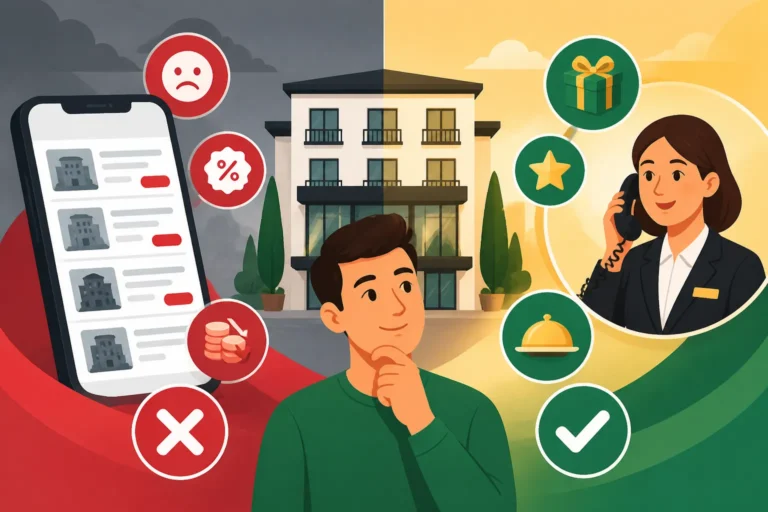
Picture this: you book a “central” Frankfurt hotel for a great price, step out of the main station at night, and walk straight into a street scene that the listing photos never showed. Or you pick a quiet room and discover it is a long tram ride from everything you came for. This guide breaks down Bahnhofsviertel, Sachsenhausen, and Westend so you can book with confidence.
Disclosure: This post may contain affiliate links. We may earn a commission at no extra cost to you if you make a purchase through these links. Read full disclosure.
Choosing a Frankfurt Neighbourhood Before You Book
I have lived in and around Frankfurt long enough to have made every accommodation mistake there is. I have stayed in a room above a bar that only closed when the bakery next door opened. I have had friends land at the airport, take my “it’s very central” advice too literally, and then text me, slightly shaken, from a hotel lobby in the station district. So let me say this upfront: choosing where to stay in Frankfurt is genuinely tricky. This city does not reveal itself on a map.
Why Frankfurt Is Harder to Book Than It Looks
On paper, Frankfurt is compact. You can walk from the main station to the Römer and on to the river in well under an hour, and the U-Bahn, S-Bahn, and tram network stitches everything together. The problem is that neighbourhood character changes block by block. A hotel described as “next to the Hauptbahnhof” might sit on a calm side street near the Westend border, or it might face the most intense corner of the red-light area. Both are technically central. They feel like two different cities.
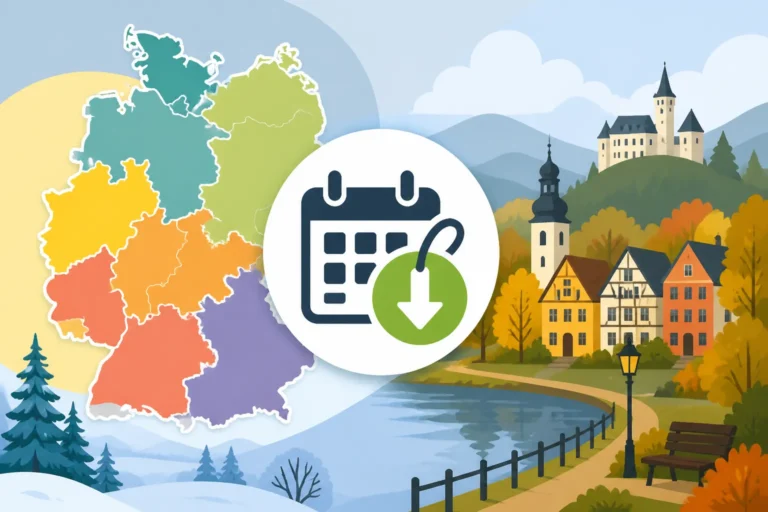
The second complication is the trade fair calendar. Frankfurt hosts some of the largest exhibitions in the world at the Messe, and when a big fair is on, hotel availability collapses and prices behave unpredictably. Visitors who have never experienced this often search the week before a trip, see almost nothing available, and assume something is broken. It is not broken. It is just Messe week. If you want the deeper explanation, read Trade Fair Bookings: Why Messe Weeks Triple Hotel Rates and How to Plan before you lock in your dates.
The third issue is expectation. Frankfurt is a financial and business hub first, a tourist city second. Many hotels are designed around weekday business travellers, which means weekends can be surprisingly good value while Tuesday to Thursday can feel expensive. Knowing that rhythm, and knowing which district matches your trip style, is the real key to a good stay.
How the Three Districts Compare at a Glance
Before we dig into each area, here is the summary I wish someone had handed me when I first arrived. Price levels below are relative to each other rather than fixed figures, because rates in Frankfurt swing hard with the fair calendar and season.
| Factor | Bahnhofsviertel | Sachsenhausen | Westend |
|---|---|---|---|
| Overall vibe | Gritty, lively, multicultural, very urban | Relaxed, traditional, riverside, residential | Elegant, leafy, quiet, upscale |
| Relative price level | Often the cheapest central option | Mid-range with good-value pockets | Mid to high, especially in fair weeks |
| Transport access | Excellent, right at the main station | Good via tram, S-Bahn, and walking bridges | Good via U-Bahn, close to the Messe |
| Nightlife and food | Excellent bars and international food | Apple wine taverns and neighbourhood bars | Restaurants and refined bars, quieter nights |
| Noise at night | Can be high depending on the street | Variable, loud in Alt-Sachsenhausen | Generally low |
| Best for | Short stays, rail travellers, budget-minded urban explorers | Couples, museum lovers, slower trips | Business travellers, families, trade fair visitors |
| Main drawback | Visible drug scene and street issues on some blocks | Some areas less convenient for the Messe | Fewer budget rooms and less late-night energy |
If you want a broader picture of what to actually see once you have picked your base, our Frankfurt City Guide: Skyline, Museums, and Old Town covers the sights district by district.
Staying in the Bahnhofsviertel
The Bahnhofsviertel is the neighbourhood people argue about most. Some travellers love it and would never stay anywhere else. Others check out early. Both reactions are reasonable, and which camp you fall into depends on your tolerance for raw city life.
The Honest Picture of the Station District
Let me be blunt, because the hotel listings often are not. The Bahnhofsviertel, the grid of streets between the Hauptbahnhof and the banking towers, has a long-standing red-light area and a visible open drug scene. The area around Taunusstraße and Niddastraße, and parts of the Taunusanlage park nearby, can be uncomfortable, particularly late at night. You may see people using drugs openly, and you will see a heavy police presence. Most visitors are never bothered, but it is not a scene everyone wants on their way back from dinner.
And yet this is also one of the most exciting places to eat and drink in Germany. Münchener Straße is lined with Turkish, Vietnamese, Ethiopian, Syrian, Korean, and Portuguese kitchens. Kaiserstraße has handsome old facades, cafés, and some of the city’s best-known bars. Over the years, design hotels, coffee roasters, and cocktail spots have moved in alongside the old businesses, giving the area a genuinely cosmopolitan edge that the more polished parts of Frankfurt lack.
Here is a scenario I see constantly. A friend of a friend, let us call her Priya, arrives by ICE late on a Friday with a heavy suitcase. She has booked a room on Münchener Straße because it is a few minutes’ walk from her platform. She is tired, she does not want to deal with taxis, and she is thrilled to find a late-night falafel place downstairs. For her, the Bahnhofsviertel was perfect. Her colleague, who booked a room on a different block near the Taunusstraße end, spent the evening uneasy and switched hotels the next morning. Same district, different streets, completely different experiences.
Who the Bahnhofsviertel Actually Suits
This district works brilliantly for rail travellers. If you are doing a multi-city trip by train, staying steps from the Hauptbahnhof means early departures are painless and you are never hauling luggage across town. It is also ideal for short stays, layovers, and anyone who arrives late and leaves early. The airport S-Bahn lines stop right at the main station, so you can be in your room very quickly after landing.
It also suits solo travellers who are city-savvy, younger travellers on a budget, food lovers, and people who enjoy nightlife and do not mind some grit. If you have lived in a big city with rougher edges, the Bahnhofsviertel will probably feel familiar rather than alarming.
It is less ideal for families with small children, for travellers who are nervous walking alone at night, and for anyone who wants a postcard version of Germany outside their front door. That is not a moral judgement on the neighbourhood. It is simply about matching your expectations to reality so you are not disappointed.
Booking Smart in the Bahnhofsviertel
The trick here is choosing your exact street rather than the district as a whole. As a rule of thumb, I tell people to look closely at the stretches of Kaiserstraße toward the Willy-Brandt-Platz end, the side streets toward the Westend border, and the area around Wiesenhüttenplatz nearer the river. These tend to feel calmer than the blocks closest to the Taunusstraße and Elbestraße intersection.
This is exactly where Booking.com earns its place in my trip-planning routine. The map view lets you see precisely where a property sits, rather than relying on a vague “city centre” label. I zoom right in, check the street name, then open the guest reviews and search for terms like “safe”, “night”, “noise”, and “area”. Recent reviewers in this district are usually very honest about the walk back from the station, and that firsthand feedback is far more useful than a glossy description.
I also recommend filtering for properties with a 24-hour front desk. In this district, having someone at reception late at night makes a real difference to how secure you feel, and it is one of the filters on Booking.com that I use for almost every Bahnhofsviertel search.
Staying in Sachsenhausen
Cross any of the bridges over the Main from the centre and you arrive in Sachsenhausen, which feels like Frankfurt’s softer, more sociable side. This is where I send friends who want to feel like they are staying somewhere rather than just sleeping somewhere.
Apple Wine, the Museum Embankment, and Village Calm
Sachsenhausen is famous for two things: Apfelwein and museums. The Museumsufer, the museum embankment along the Schaumainkai, holds a remarkable cluster of institutions, including the Städel Museum, the Liebieghaus sculpture collection, and the Museum Angewandte Kunst. On a sunny weekend, the riverbank fills with joggers, families, and the long-running Saturday flea market along the embankment. Strolling across the Eiserner Steg footbridge at sunset, with the skyline lit up across the water, is one of those moments that makes Frankfurt click.
Then there is the apple wine culture. Traditional taverns serve Ebbelwoi from grey-blue stoneware jugs called Bembel, alongside hearty dishes like Grüne Soße with potatoes and eggs, or Handkäs mit Musik, a tangy cheese marinated with onions. You share long wooden tables with strangers, and within an hour you are usually chatting with them. If you come from a culture where restaurant tables are private territory, this can feel odd at first. Lean into it. It is one of the warmest experiences in the city.
Away from the taverns, Schweizer Straße is a lovely residential high street with bakeries, delis, wine shops, and cafés. Brückenstraße has independent boutiques and design shops. This is the Frankfurt that locals actually live in, and staying here gives you a very different texture from the business-hotel corridors north of the river.
North Sachsenhausen vs Alt-Sachsenhausen Noise
Here is the catch that catches people out. Sachsenhausen is not uniformly quiet. The old quarter, Alt-Sachsenhausen, around streets like Klappergasse and Kleine Rittergasse, is the classic tavern and bar area. On weekend nights it can be loud, with groups spilling out of pubs and music drifting late into the evening. It is charming, but not if your window faces it and you have an early meeting.
Imagine Tom and Marie, a couple visiting from Lyon for a long weekend. They book a guesthouse in the heart of Alt-Sachsenhausen because the photos show cobblestones and half-timbered houses. Saturday night, they barely sleep. Had they booked a few streets south, near Schweizer Straße or toward Südbahnhof, they would have had the same easy walk to the taverns and a peaceful night. The district name was right; the micro-location was wrong.
So the rule I give friends is this: Alt-Sachsenhausen for atmosphere, the quieter streets around Schweizer Straße and Südbahnhof for sleep. The riverside stretch near the Museumsufer is often a good middle ground, with beautiful walks and less late-night noise.
Finding the Right Sachsenhausen Room
Sachsenhausen has a mix of mid-range hotels, small guesthouses, and serviced apartments, which makes it a great fit for slower trips. If you are staying a week, an apartment with a kitchen lets you shop at the local markets and eat like a resident. On Booking.com, I filter by property type and look specifically for apartments or guesthouses, then sort by guest review score. Reviews here often mention whether the property is in the tavern zone or on a calmer street, which is exactly the detail you need.
Transport is good but not quite as seamless as the station district. Trams run along Schweizer Straße, the S-Bahn stops at Südbahnhof and Lokalbahnhof, and the U-Bahn connects too. Most importantly, you can simply walk across a bridge into the old town in minutes. If you are attending a fair at the Messe, factor in a transfer, but for sightseeing, Sachsenhausen is beautifully placed.
If you want to understand the public transport system before you choose, our guide to Getting Around German Cities: U-Bahn, S-Bahn, Trams, and Buses explains how tickets and lines work across German cities, including Frankfurt.
Staying in the Westend
North of the centre, the Westend is the Frankfurt that appears in property magazines. Wide streets, grand Gründerzeit villas, mature chestnut trees, and the hum of quiet money. It is where I put business colleagues and families who value calm above everything else.
Leafy Streets Next to the Skyline
The Westend sits right beside the banking district, so you get the striking contrast of glass towers rising behind nineteenth-century facades. It is home to the Palmengarten, a superb botanical garden that is a genuine joy on a grey day, and the Grüneburgpark, a sprawling green space where locals picnic and jog. The Goethe University’s Westend campus, with its imposing IG-Farben building, sits on the edge of the park and gives the area a lively academic undercurrent during term time.
On the southern edge, the Alte Oper anchors the area, and the nearby Fressgass, the Große Bockenheimer Straße, is lined with restaurants, delis, and terraces. Bockenheimer Landstraße runs through the heart of the district and connects you easily to the shopping streets around the Hauptwache. In short, the Westend gives you central convenience without the chaos.
The trade-off is nightlife. If you want to stumble from bar to bar until the early hours, the Westend is not your district. Evenings here are about a good dinner, a glass of wine, and a quiet walk back. For many travellers, especially those with children or a packed work schedule, that is exactly the point.
The Trade Fair Factor
The Westend’s biggest practical advantage is proximity to the Messe. The southern and western edges of the district are within walking distance of the fairgrounds, and the U4 and S-Bahn lines make the hop very quick. If you are attending an exhibition, staying here means you can return to your room between sessions, change for an evening event, and avoid the crush of fair-day crowds on the trains.
That convenience comes at a cost in demand. During major fairs, Westend rooms are among the first to disappear. A colleague of mine, Andreas, once left his booking for a large autumn fair until a few weeks beforehand. He ended up in a hotel well outside the city, commuting in on packed trains each morning. The next year he booked as soon as the dates were confirmed, chose a refundable rate, and walked to the Messe every day. Same fair, same budget, completely different week.
I cannot stress this enough: if your trip coincides with a fair, the neighbourhood question becomes secondary to the timing question. Book early, keep flexibility, and adjust later if you need to.
What to Filter for in the Westend
Because the Westend skews upscale, you will find more four- and five-star hotels and elegant boutique properties than budget options. That said, there are good-value apartments and smaller hotels, especially toward the Bockenheim border, which is a lively student-friendly neighbourhood next door. Searching Booking.com with the map view open and dragging the search area slightly west or north often reveals properties that are just as quiet but less expensive.
Families should filter for family rooms or apartments with separate bedrooms, and check whether a cot is available on request. Many German hotels have strict occupancy limits per room, so make sure your exact group size is accepted before you pay. Business travellers should look for reliable Wi-Fi in recent reviews and check whether the property offers invoices with company details, which matters for expense claims.
One more practical note for summer visits: air conditioning is far from standard in German hotels, including some quite expensive ones in elegant older buildings. If you are travelling during a hot spell, read Air Conditioning in German Hotels: Why It’s Rarer Than You Expect and filter for it explicitly rather than assuming.
Using Booking.com to Lock in the Right Frankfurt Stay
I have tried most ways of booking accommodation in Germany: calling hotels directly, using apartment rental apps, and relying on recommendations from colleagues. For Frankfurt specifically, I keep coming back to Booking.com, and not out of habit. The combination of a precise map view, a huge inventory across all three districts, detailed filters, and a deep pool of verified guest reviews solves exactly the problems that make this city tricky to book.
A Step-by-Step Booking Routine
This is the exact routine I follow, and the one I hand to every friend who asks me where to stay.
- Check the Messe calendar for your travel dates before you search anything. If a major fair overlaps, prioritise booking speed and flexible rates.
- Decide on your district using the comparison table above, based on your trip purpose rather than price alone.
- Open Booking.com, enter Frankfurt and your dates, and switch straight to the map view.
- Zoom into your chosen district and look at the precise street of each property, not just the neighbourhood label.
- Apply filters that matter for your trip: free cancellation, 24-hour front desk, family rooms, kitchen, air conditioning, or parking.
- Sort by guest review score and open the reviews for your shortlist. Search within reviews for “noise”, “area”, “night”, “safe”, and “Messe”.
- Compare the final price with any city tourism contribution and taxes shown at checkout, so there are no surprises on arrival.
- Book a refundable rate if your plans are uncertain, then set a reminder to re-check prices closer to your trip.
- Save the confirmation and the property’s check-in instructions to your phone for offline access.
Reading Reviews Like a Frankfurt Local
Review scores alone can mislead you in Frankfurt. A Bahnhofsviertel hotel can have a high score because the rooms are excellent, while a few reviewers mention a difficult walk from the station. A Sachsenhausen guesthouse can score well overall but repeatedly mention weekend tavern noise. You need to read the content, not just the number.
I look for three patterns. First, recency: neighbourhoods evolve, and reviews from the last few months tell you more than older ones. Second, traveller type: Booking.com lets you filter reviews by solo travellers, couples, families, and business guests, which is incredibly useful. A family’s take on a Bahnhofsviertel hotel is a very different data point from a solo backpacker’s. Third, repeated specifics: if several people mention thin walls, a broken lift, or a street-facing room, believe them.
It also helps to compare platforms if you are considering a private apartment. Registration rules and cancellation norms differ, and our guide Booking.com vs Airbnb in Germany: Registration Rules, Fees, and Cancellation walks through those differences in detail.
Timing, Cancellation, and the Messe Calendar
Flexibility is your best friend in Frankfurt. Prices can move sharply depending on fairs, conferences, football matches, and seasonal events like the Christmas market on the Römerberg. Booking a refundable rate early gives you a safety net: you lock in availability, and if a better option appears later, you can switch. The non-refundable discount can be worth it for fixed, low-demand dates, but in fair weeks I almost always pay for flexibility. If you are weighing that choice, read Refundable vs Non-Refundable Rates in Germany: When the Discount Is Worth It.
Booking.com also has a loyalty programme called Genius that unlocks discounts and perks at participating properties once you have completed a few stays. The exact benefits vary by property and level, so check what is shown on each listing rather than assuming. For frequent Frankfurt visitors, such as anyone who returns for the same fair each year, these perks can add up.
For people relocating rather than visiting, Frankfurt’s serviced apartments and longer-stay hotels can bridge the gap until your rental is ready. Our guide Bridge Accommodation: Where to Stay Between Landing and Getting Keys covers that situation, and if you are planning a longer future here, Living in Frankfurt: Navigating Life in Germany’s Finance Hub explains how the neighbourhoods feel for residents rather than tourists.
If you are ready to choose, my honest advice is simple: open Booking.com, pick your district from this guide, use the map view to check the exact street, and reserve a refundable room now while availability is still good. You can always refine later, but you cannot book a room that is already gone.
Practical Arrival Tips for Each District
Choosing the right neighbourhood is half the battle. The other half is arriving smoothly and knowing what to expect at check-in.
Getting In From the Airport
Frankfurt Airport is one of the best-connected airports in Europe. The regional train station sits beneath Terminal 1, and S-Bahn lines run directly to the Hauptbahnhof, making the Bahnhofsviertel the easiest district to reach with luggage. For Westend, you can continue from the main station by U-Bahn or take a short taxi ride. For Sachsenhausen, change in the city tunnel to the S3, S4, S5 or S6 for Lokalbahnhof and Südbahnhof, which puts you within walking distance of many guesthouses.
Long-distance trains also leave from the separate airport long-distance station, which is useful if you are heading straight on to Cologne, Heidelberg, or beyond. Our full walkthrough of tickets and routes is in How to Get From Frankfurt Airport to the City Center, and it is worth reading before you land so you are not puzzling over ticket machines after a long flight.
If you arrive very late, a taxi is a perfectly sensible choice, especially if you are heading into the Bahnhofsviertel after midnight and would rather skip the walk. There is no shame in prioritising a calm arrival after a long journey.
Check-In Paperwork and City Tax
Do not be surprised when reception asks for your passport or ID and hands you a registration form. German hotels are required to register guests, and foreign visitors usually need to show identification. It is routine, not suspicion. Our explainer Why German Hotels Ask for Your Passport: Meldeschein Registration Explained covers what is recorded and why.
Frankfurt also charges a per-night tourism contribution on overnight stays, which may be included in your total or collected at the property. Check the price breakdown on your booking confirmation so you know which applies. For a wider view of how these local charges work across the country, see Germany’s City Tax by Region: Kurtaxe, Bettensteuer, and What You Pay.
Finally, give yourself a day to explore beyond your district. The Rhine Valley, Heidelberg, Wiesbaden, and the Taunus hills are all within easy reach, and our guide to the Best Day Trips From Frankfurt will help you make the most of a well-placed base. Whichever district you choose, Frankfurt rewards travellers who look past the skyline and the station and discover the neighbourhoods that make it feel like home.
Disclaimer
This article is for general informational purposes only and does not constitute professional advice. Laws, prices and regulations vary by location and change over time. Consult a qualified professional for guidance on your specific situation.