Western Germany: Cologne, the Ruhr, and the Rhineland
Oh, Western Germany! If you're anything like I was when I first arrived, the sheer thought of navigating its diverse landscape – from the ancient spires of Cologne to the industrial behemoths of the Ruhr – can feel a bit overwhelming, a jumble of history, modern industry, and picturesque river valleys. Trust me, I've spent enough time crisscrossing these regions to know the hidden gems and the unique quirks. This guide is here to unravel that wonderfully complex tapestry for you, offering an insider's look at Cologne, the historic Rhineland, and the surprisingly vibrant Ruhr area, so you can truly immerse yourself without feeling lost in translation or geography.
Disclosure: This post may contain affiliate links. We may earn a commission at no extra cost to you if you make a purchase through these links. Read full disclosure.
Cologne: The Enduring Spirit by the Rhine
Cologne, or Köln as the locals call it, isn't just a city; it's an experience. It’s got a history that dates back to Roman times, a buzzing modern energy, and a resilience that’s truly admirable. Walking through its streets, you can feel the layers of time, the echoes of centuries, all blended with a contemporary pulse. It’s a city that grabs you with its unapologetic charm and vibrant character.
The Iconic Kölner Dom and Old Town Charm
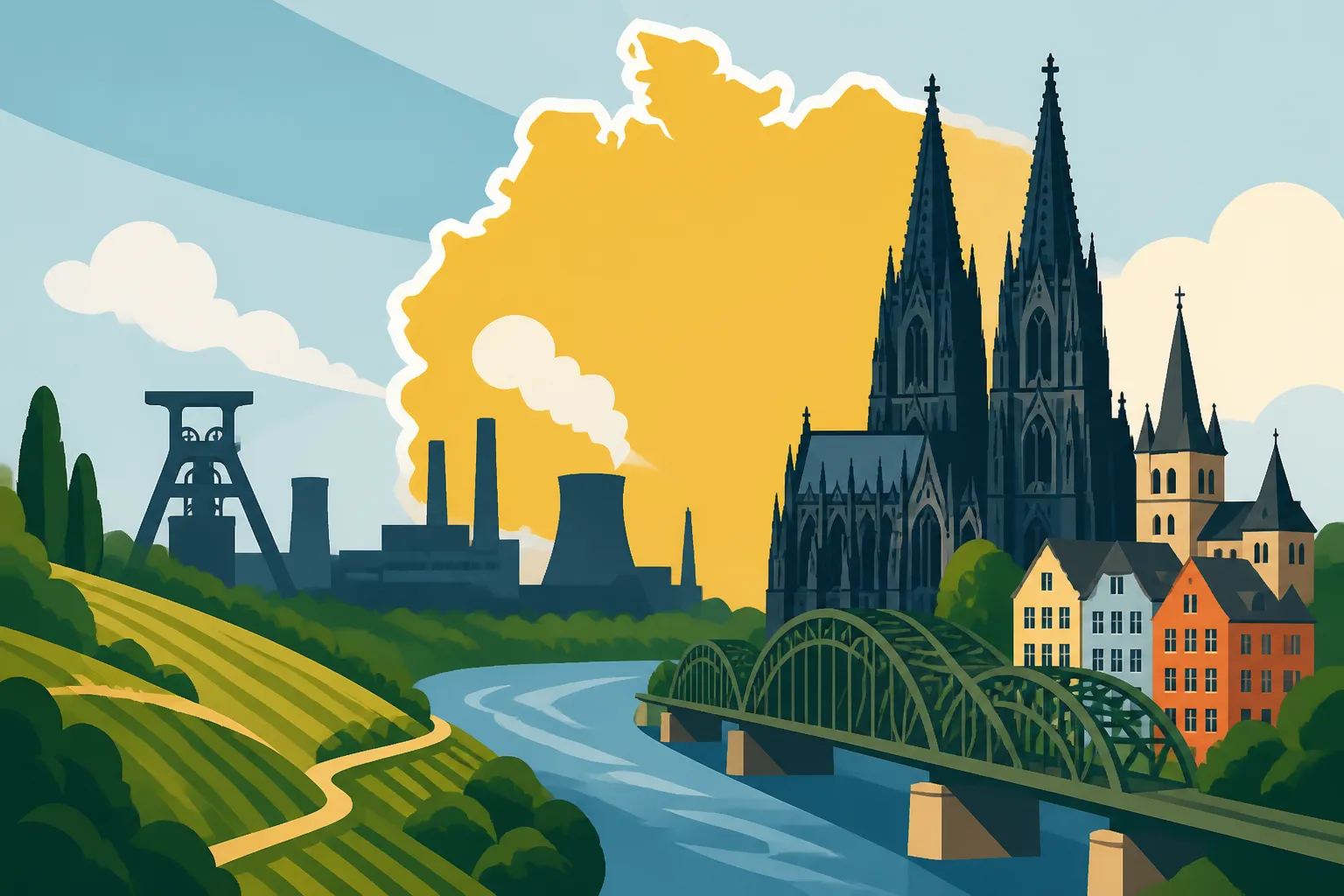
You simply cannot talk about Cologne without immediately picturing the magnificent Kölner Dom (Cologne Cathedral). This Gothic masterpiece dominates the skyline, a testament to human endeavor and architectural prowess that took over 600 years to complete. When I first saw it, I just stood there, jaw-dropped, trying to take in its sheer scale and intricate details. It's a UNESCO World Heritage site, and rightly so. Make sure you climb the South Tower – it's a leg-burner, yes, but the panoramic views of the city and the Rhine are absolutely breathtaking. You’ll see the modern city sprawling out, framed by the river, with snippets of the old town nestled at the cathedral's feet.
Right next to the Dom, you'll find Cologne’s Altstadt (Old Town). It's a labyrinth of narrow, cobbled streets, colourful houses, and lively squares. This area was almost completely destroyed during WWII, but it’s been painstakingly rebuilt to capture its historic essence. Strolling here, you’ll discover charming breweries, traditional German restaurants, and quirky shops. It's the perfect place to grab a Kölsch, people-watch, and soak in the atmosphere. Don't be shy about exploring the smaller alleys; they often lead to hidden courtyards or picturesque views of the river. It’s a place that’s always bustling, always inviting, and somehow, always feels just a little bit magical.
Cologne's Vibrant Culture and Nightlife
Cologne has a reputation for being one of Germany's most liberal and open-minded cities, and its cultural scene and nightlife certainly reflect that. There’s always something happening here, from world-class museums to impromptu street performances. If you're into art, the Museum Ludwig is a must-visit, housing an impressive collection of modern art, including a significant Pop Art collection and the third-largest Picasso collection in the world. For history buffs, the Roman-Germanic Museum offers a fascinating glimpse into the city's Roman past. The city’s cultural pulse extends into countless galleries, independent cinemas, and live music venues.
When the sun sets, Cologne truly comes alive. The city boasts an incredibly diverse nightlife, catering to every taste. From cozy pubs in the Old Town where you can enjoy local brews, to trendy cocktail bars in the Belgisches Viertel (Belgian Quarter), and pulsating clubs in Ehrenfeld, there’s no shortage of places to unwind. During Karneval and Fasching in Germany: Cologne and the Rhineland, the city transforms into one giant street party, a spectacle of costumes, music, and unbridled joy. It’s an experience that really showcases the effervescent spirit of the locals, known for their love of celebration and their infectious enthusiasm. Seriously, if you're here during Karneval, prepare to have your socks knocked off!
Food, Drink, and Kölsch Etiquette
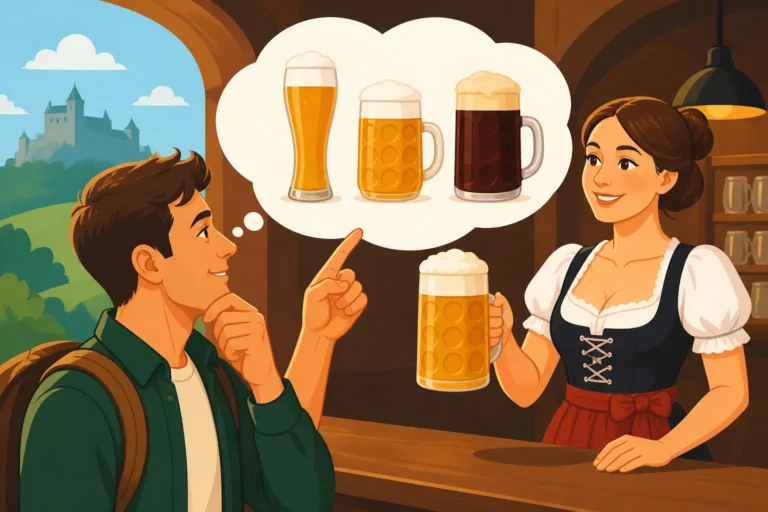
Ah, Kölsch! This light, refreshing beer is more than just a beverage in Cologne; it's a cultural institution. It’s brewed only in Cologne and its immediate surroundings, and locals are fiercely proud of it. When you order a Kölsch in a traditional Brauhaus (brewery pub), you'll be served a small, cylindrical glass (a Stange) by a Köbes (waiter). They’ll keep bringing fresh ones without you even asking, marking your coaster each time, until you place your coaster on top of your glass to signal you've had enough. This is truly part of the unique German Food Culture: Eating and Drinking as a Visitor and a quintessential Cologne experience. Don't be surprised if the Köbes is a bit gruff – it’s part of their charm!
Beyond Kölsch, Cologne offers a hearty and satisfying culinary scene. Traditional dishes are often meat-heavy and comforting. Try a "Himmel un Ääd" (Heaven and Earth), a local specialty made with mashed potatoes, applesauce, fried onions, and blood sausage. Or perhaps "Halve Hahn," which confusingly isn't half a chicken but rather a rye roll with cheese, butter, and mustard. For something a bit more substantial, a "Sauerbraten" (marinated roast beef) is always a good bet. Of course, modern Cologne is also full of international restaurants, trendy cafes, and fantastic bakeries. Exploring the local cuisine is a huge part of immersing yourself in any culture, and Cologne's offerings are truly delightful. You'll find that Germans appreciate fresh, quality ingredients, and Cologne's eateries are no exception.
Beyond Cologne: The Picturesque Rhineland
While Cologne is a fantastic starting point, the wider Rhineland region unfurls like a picturesque scroll, boasting charming cities, ancient castles, and stunning river landscapes. This is where you really get to see the romantic Germany that so many dream of. From historical political hubs to fashion capitals, and idyllic small towns, the region offers a varied palette for exploration.
Bonn: Germany's Former Capital and Beethoven's Birthplace
Just a short train ride south of Cologne lies Bonn, a city with a surprisingly rich history. It served as the capital of West Germany from 1949 to 1990, and you can still feel the echoes of its political past in its elegant architecture and tranquil atmosphere. But long before it was a capital, Bonn was the birthplace of none other than Ludwig van Beethoven. His birth house, the Beethoven-Haus, is a museum that offers a fascinating insight into the composer's life and work. It's a pilgrimage site for music lovers, but even if you're not a classical music aficionado, it's a beautifully preserved piece of history.
Bonn today is a vibrant university town with a relaxed feel. The Museum Mile boasts world-class institutions like the Bundeskunsthalle (Art and Exhibition Hall of the Federal Republic of Germany) and the Haus der Geschichte der Bundesrepublik Deutschland (House of the History of the Federal Republic of Germany), which provides an engaging look at post-war German history. When the cherry blossoms bloom in spring, the famous Heerstraße becomes a breathtaking tunnel of pink, drawing crowds from all over. It’s a city that blends historical gravitas with a youthful, academic energy, making it a wonderfully pleasant place to explore for a day or two.
Düsseldorf: Fashion, Art, and the Altstadt
Head north from Cologne, and you'll arrive in Düsseldorf, often seen as Cologne's sophisticated, fashion-forward cousin. While there's a playful rivalry between the two cities, Düsseldorf stands out with its sleek modernity, high-end shopping, and thriving art scene. The Königsallee (often simply called "Kö") is Germany's most elegant shopping boulevard, lined with designer boutiques, luxury brands, and shimmering canals. It's perfect for a bit of window shopping, or if your budget allows, some serious retail therapy.
Düsseldorf's Altstadt (Old Town) is famously known as the "longest bar in the world" – and for good reason! It packs over 250 pubs and breweries into less than half a square mile. Here, you'll find traditional Hausbrauereien (house breweries) serving up Altbier, a dark, top-fermented beer that's distinct from Cologne's Kölsch. The atmosphere is always lively, especially in the evenings. Beyond the beer, Düsseldorf has a strong artistic vein, with numerous galleries and the cutting-edge K20 and K21 art museums. It's a city that effortlessly blends historic charm with contemporary chic, making it a fascinating contrast to other Rhineland cities.
Charming Towns and Castles Along the River
The Rhine Valley is synonymous with romanticism, and for good reason. Between Koblenz and Bingen, specifically, the river carves its way through steep vineyards, passing countless medieval castles, ruins, and picturesque villages. This stretch, known as the Upper Middle Rhine Valley, is another UNESCO World Heritage site and offers some of the most scenic views in Germany. Imagine cruising down the river, a glass of local Riesling in hand, with a new castle appearing around every bend. It's truly like stepping into a fairy tale.
Towns like Bacharach, Boppard, and Rüdesheim am Rhein offer perfect stops for exploration. You can wander through half-timbered houses, sample regional wines, and even take a cable car up to monuments like the Niederwalddenkmal for panoramic views. Many of these castles, such as Marksburg Castle (one of the few never destroyed), offer tours that transport you back to medieval times. For those who love a bit of history paired with stunning natural beauty, a trip along the Rhine is an absolute must. You can take a boat tour, or if you prefer to be on land, many walking and cycling paths run alongside the river. This region truly embodies the beauty of Day Trips and Weekend Getaways Across Germany. If you're looking to book a boat tour or a guided castle visit, platforms like GetYourGuide offer a range of options to enhance your experience.
The Ruhrgebiet: From Industrial Might to Cultural Hub
Often misunderstood, the Ruhrgebiet (Ruhr region) is a sprawling urban area that was once the industrial heartland of Germany. For a long time, its image was defined by coal mines, steel mills, and smokestacks. However, in recent decades, this region has undergone a remarkable transformation, shedding its purely industrial skin to emerge as a vibrant cultural landscape, a testament to regeneration and innovation. It’s a place of surprising contrasts, where towering industrial monuments now stand as cultural venues and green spaces.
Discovering the Industrial Heritage
The Ruhrgebiet's industrial past is undeniably fascinating, and the region has done an incredible job of preserving and repurposing its historical sites. The Zollverein Coal Mine Industrial Complex in Essen is a prime example. Once the largest and most modern coal mine in the world, it is now a UNESCO World Heritage site and a sprawling cultural complex. You can take guided tours that delve into the harsh realities of mining, visit museums housed in former industrial buildings, or explore art installations. It's a powerful and evocative place that truly brings history to life.
Another incredible site is the Landschaftspark Duisburg-Nord, a former ironworks that has been transformed into a public park and a unique adventure playground. You can climb blast furnaces, dive in an old gasometer (now an artificial diving center), or simply enjoy the illuminated industrial architecture at night. These sites aren't just relics; they're living monuments to the region's past, offering a stark yet beautiful reminder of its heritage. For anyone interested in industrial history, urban regeneration, or simply seeking unique photo opportunities, these sites are absolutely unmissable. They challenge conventional ideas of beauty and history, showing how industry can be re-imagined.
Green Spaces and Urban Transformation
The story of the Ruhrgebiet isn't just about preserving the past; it's also about a dramatic shift towards green spaces and urban renewal. What were once slag heaps are now rolling hills and parks, offering stunning views over the urban landscape. The region boasts numerous nature parks and recreational areas that provide a welcome contrast to its industrial monuments. Cities like Dortmund, once synonymous with coal and steel, are now increasingly known for their green initiatives and modern infrastructure.
One of my favourite transformations is the emergence of countless cultural events and festivals that take place in and around these industrial monuments and new green spaces. From music festivals to art exhibitions, these events breathe new life into old structures, drawing visitors and locals alike. It’s a testament to the region’s ability to reinvent itself, proving that even a heavily industrialized area can become a hub for nature and culture. This vibrant re-imagining is a huge part of the Ruhrgebiet’s charm and makes it a rewarding place to explore. You'll find a surprising amount of natural beauty intertwined with the industrial aesthetic, making for unique landscapes.
Cultural Festivals and Modern Attractions
Beyond its industrial heritage, the Ruhrgebiet has cultivated a thriving contemporary cultural scene. Essen, for instance, was designated a European Capital of Culture in 2010, showcasing the region's artistic prowess. There are numerous theatres, concert halls, and art galleries scattered throughout the various cities. The Folkwang Museum in Essen, for example, has an impressive collection of 19th and 20th-century art.
The region is also home to major sporting events and large-scale festivals that draw international crowds. Football (soccer) is practically a religion here, with passionate fan bases for teams like Borussia Dortmund, whose stadium, the Signal Iduna Park, is an experience in itself on match day. These modern attractions, combined with a calendar full of cultural festivals, demonstrate the Ruhrgebiet's dynamic and forward-looking spirit. It's a region that embraces its past while constantly evolving, offering a rich tapestry of experiences for any visitor. Check local listings, or perhaps use platforms like GetYourGuide to find out what events or guided tours might be happening during your visit.
Navigating Western Germany: Getting Around Like a Local
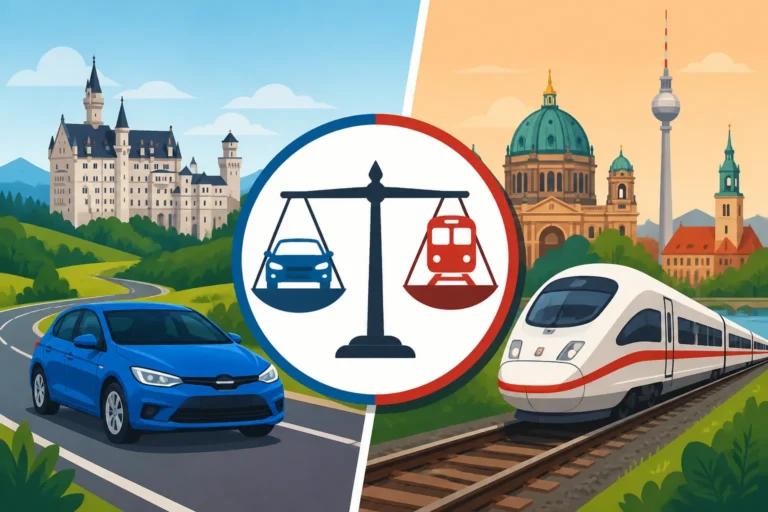
One of the great joys of exploring Germany is its incredibly efficient and comprehensive public transportation system. Western Germany, with its dense network of cities and towns, is particularly well-served, making it incredibly easy to get around without a car.
Efficient Train Travel and Public Transport Networks
When it comes to inter-city travel in Germany, the Deutsche Bahn (DB) is your best friend. Their high-speed ICE trains connect major cities like Cologne, Düsseldorf, and Essen quickly and comfortably. Regional trains (RE, RB) fill in the gaps, linking smaller towns and ensuring you can reach almost anywhere. I've spent countless hours on DB trains, and they are generally reliable, clean, and offer a fantastic way to see the landscape whizz by. For longer journeys or if you're planning multiple stops, booking in advance can save you a fair bit of money. You can find schedules and book tickets directly on the DB website or through apps like Omio, which can sometimes offer competitive deals across different operators.
Within cities, public transport networks are equally excellent, consisting of U-Bahns (subways), S-Bahns (suburban trains), trams, and buses. A single ticket usually covers all modes of transport within a specific zone. For extensive city exploration, consider day tickets or multi-day passes, which often provide better value. For instance, in Cologne, the KVB network is extensive and user-friendly. Understanding Getting Around Germany: Trains, Buses, Flights, and Car Hire is key to a smooth journey.
Driving the Autobahn and Scenic Routes
While public transport is superb, sometimes the freedom of having your own wheels is appealing, especially if you plan to explore the smaller villages, vineyard routes along the Rhine, or delve deeper into the countryside. Germany’s famous Autobahn network is legendary for its stretches with no speed limit, though many sections, especially around urban areas, do have restrictions. Driving here requires attentiveness and respect for the rules, particularly staying in the right lane except when overtaking.
Beyond the Autobahn, Western Germany is crisscrossed with numerous scenic routes. The German Wine Route isn't far, for example, and offers stunning drives through vineyards and charming wine-producing villages. The Lower Rhine region, with its flat landscapes and windmills, also offers pleasant drives. Just remember that parking in city centers can be challenging and expensive, so weigh the pros and cons of renting a car versus relying on public transport for your specific itinerary. If you do rent, make sure you understand your Car Insurance in Germany: Types of Coverage and Costs.
Planning Your Itinerary: Time and Distance
Western Germany is densely populated, and while cities might appear close on a map, it's wise to factor in travel time, even by fast train. Here's a quick reference for approximate travel times between major cities by high-speed train:
| From | To | Approximate Travel Time (ICE) |
|---|---|---|
| Cologne | Düsseldorf | 25-35 minutes |
| Cologne | Bonn | 20-30 minutes |
| Cologne | Essen | 40-50 minutes |
| Düsseldorf | Essen | 20-30 minutes |
| Bonn | Koblenz | 30-45 minutes |
When planning your trip, consider focusing on one or two regions to avoid rushing. For example, you could spend 3-4 days exploring Cologne and the Middle Rhine Valley, and then another 2-3 days in Düsseldorf and the Ruhr. This allows for deeper immersion rather than a frantic tick-box exercise. Also, be mindful of German Public Holidays: How They Affect Life and Work, as travel services and attractions might have altered schedules or higher demand.
Embracing Western German Culture: Beyond the Stereotypes
Germany is often stereotyped as being serious and efficient, but Western Germany, particularly the Rhineland, breaks many of these molds. The people here are known for their openness, friendliness, and a particular zest for life, especially when it comes to their beloved Karneval.
Carnival: A Celebration Like No Other
If you have the chance to visit Western Germany during February or March, you absolutely must experience Karneval. Centered in cities like Cologne, Düsseldorf, and Mainz, it’s a pre-Lenten festival unlike any other. Think Mardi Gras, but with a distinctly German flair. The streets erupt in parades, music, dancing, and elaborate costumes. The atmosphere is electric, joyful, and completely immersive. The famous "Rose Monday" (Rosenmontag) parades are the highlight, with huge floats satirizing politics and society, and tons of sweets ("Kamelle") thrown to the cheering crowds.
For an expat, it can be a delightful and sometimes bewildering cultural immersion. Locals will welcome you to join in, often offering you a shot of schnapps or a piece of candy. It's a time when many of the usual German reservedness melts away, replaced by uninhibited celebration. Just remember the famous cry "Alaaf!" in Cologne or "Helau!" in Düsseldorf, and you'll be fine. Truly, it’s a cultural experience that transcends language barriers and leaves you with unforgettable memories, showing a side of Germany that is wonderfully playful and expressive.
Local Hospitality and Dialects
The people of the Rhineland are often considered more outwardly friendly and jovial than in some other parts of Germany. They have a reputation for being gesellig, meaning sociable and fond of company. You'll likely find it easier to strike up conversations in a pub or a café here. While High German is, of course, universally spoken, many locals also speak their regional dialects, such as Kölsch in Cologne or Platt in the Lower Rhine. Don't worry, they won't expect you to understand it, but it's an interesting aspect of the local identity.
Learning a few basic German phrases will always be appreciated, even if it's just "Guten Tag" (Good day) and "Danke schön" (Thank you very much). The effort goes a long way. For more comprehensive learning, consider resources mentioned in German Language and Everyday Communication for Visitors. The hospitality often extends to locals eagerly sharing tips on their favorite hidden spots or local specialties, so don’t be afraid to ask for recommendations – you might just discover your new favourite German experience.
The Art of "Gemütlichkeit" in the West
"Gemütlichkeit" is a German word that doesn't have a direct English translation, but it encapsulates a feeling of coziness, comfort, warmth, and cheerfulness. It's about a pleasant atmosphere, good company, and a sense of belonging. In Western Germany, you'll find this concept deeply embedded in daily life, whether it's in a snug Brauhaus, a charming café, or a lively Christmas market. It's about enjoying the moment, often with good food and drink, in a relaxed setting.
This sense of Gemütlichkeit is particularly evident in the way locals unwind. After a day of work, you'll see people gathering at their local pubs, chatting with friends and neighbours over a Kölsch or Altbier. It’s a slower pace than some other urban centers, emphasizing quality time and enjoyment. Embracing this aspect of Western German culture means allowing yourself to slow down, savor the atmosphere, and connect with the convivial spirit of the region. It's a truly wonderful way to experience life here, far removed from any stiff German stereotypes.
Practicalities for Your Western Germany Adventure
Planning a trip to a new region, especially as an expat or tourist, always comes with a few logistical considerations. From where you lay your head at night to how you experience the sights, a little planning goes a long way.
Finding Your Perfect Stay: Accommodation Tips
Western Germany offers a wide array of accommodation options to suit every budget and style. In larger cities like Cologne, Düsseldorf, and Essen, you’ll find everything from international hotel chains to charming boutique hotels and budget-friendly hostels. For a more authentic experience, consider staying in a Pension or a guesthouse, particularly in smaller towns along the Rhine. These often provide a more personal touch and local insight.
If you prefer self-catering or longer stays, apartment rentals are also widely available. Platforms like Booking.com are excellent resources for finding a place that fits your needs, allowing you to filter by location, price, amenities, and guest reviews. I always recommend booking well in advance, especially if you're traveling during peak season, major trade fairs, or during Karneval, as popular places fill up quickly. For those looking for a more immersive or unique stay, consider checking out smaller, independent hotels that are often located in historic buildings or offer unique local flair.
Tours and Experiences for Every Interest
To truly enhance your visit, consider booking a few tours or experiences. This can range from a guided walking tour of Cologne's Old Town, to a Rhine river cruise, or a historical tour of a Ruhr industrial site. These often provide valuable context and local insights that you might miss on your own. Platforms like GetYourGuide offer a fantastic selection of activities and excursions, from beer tastings in Düsseldorf to segway tours in Bonn.
Choosing a tour can be a great way to delve deeper into specific interests, whether it's art history, culinary delights, or the region's industrial past. Many tours are available in English, making them accessible even if your German isn’t quite fluent yet. I find that guided tours, especially at the beginning of a trip, can help you get your bearings and discover things you wouldn't otherwise. Plus, they often connect you with other travellers, which is always a bonus when exploring new places.
Essential Travel Tips and What to Pack
When preparing for your trip to Western Germany, consider the weather. Summers are generally warm but can have occasional rain, while winters are cold, often with grey skies and sometimes snow. Layering is always a good idea, regardless of the season. Comfortable walking shoes are a must, as you’ll likely be doing a lot of exploring on foot, especially in the historic city centers and along the river promenades.
Cash is still widely used and accepted in Germany, particularly in smaller shops, traditional pubs, and for smaller transactions. While card payments are becoming more common, it’s always wise to carry some euros with you. You can read more about Using Cash vs Card in Germany: Is Germany Going Cashless? to prepare. A universal travel adapter is also essential for your electronics. And of course, don’t forget your camera – Western Germany is incredibly photogenic! Remember, staying connected is also important, so check out Travel Logistics in Germany: Money, Safety, and Connectivity before you go.
Disclaimer
Please note that while this guide is based on extensive research and personal experience, travel information, prices, and regulations can change. Always check the latest official sources for the most up-to-date details before planning your trip. The information provided is for general guidance and informational purposes only.