The Moselle and German Wine Country
Oh, the Moselle Valley! It's one of those places in Germany that can feel a bit like stepping into a postcard, but don't let the idyllic charm fool you – planning a trip through this winding wine country can still bring a healthy dose of expat bewilderment. I remember my first time trying to figure out the train connections and which tiny village would be the best base; it felt like I needed a dedicated translator just for the travel logistics. This guide is here to cut through the confusion and help you navigate the stunning Moselle (Mosel in German) region, ensuring your visit is filled with more Riesling and less travel woes.
Disclosure: This post may contain affiliate links. We may earn a commission at no extra cost to you if you make a purchase through these links. Read full disclosure.
A Sip of History: Why the Moselle is Germany's Wine Heartland
The Moselle isn't just a river; it's a testament to centuries of winemaking tradition, a landscape sculpted by both nature and human dedication. This region lays claim to being Germany's oldest wine region, with a viticultural history that stretches back to the Romans. They were the ones who first recognized the immense potential of these steep, sun-drenched slate slopes for growing grapes. Imagine, over two millennia ago, soldiers and settlers were already cultivating vines here, establishing a legacy that continues to thrive today.
The Roman Roots and Steep Slopes
When the Romans marched into what is now Germany, they brought with them not just roads and bathhouses, but also a passion for viticulture. They quickly identified the Moselle's unique microclimate, characterized by its winding river, protective hillsides, and, most importantly, the slate soils that absorb and radiate heat, creating perfect conditions for grape ripening. The sheer gradients of these vineyards are astounding, sometimes reaching angles of up to 70 degrees. This extreme incline means that nearly all work, from pruning to harvesting, must be done by hand, a labor of love that speaks volumes about the commitment of the winemakers.
This ancient heritage isn't just for show; it's deeply embedded in the character of the wines produced here. The Romans understood that the mineral-rich slate soils impart a distinct flavor profile to the grapes, particularly Riesling, giving it that characteristic flintiness and vibrant acidity. Walking through towns like Trier, you can still see remnants of Roman architecture, seamlessly blending with the medieval and modern, reminding you that every bottle of Moselle wine carries a whisper of this profound history. It's a connection to the past that few other wine regions in the world can boast, making each sip a historical journey.
A River's Journey: The Moselle's Path and Its Winemaking Regions
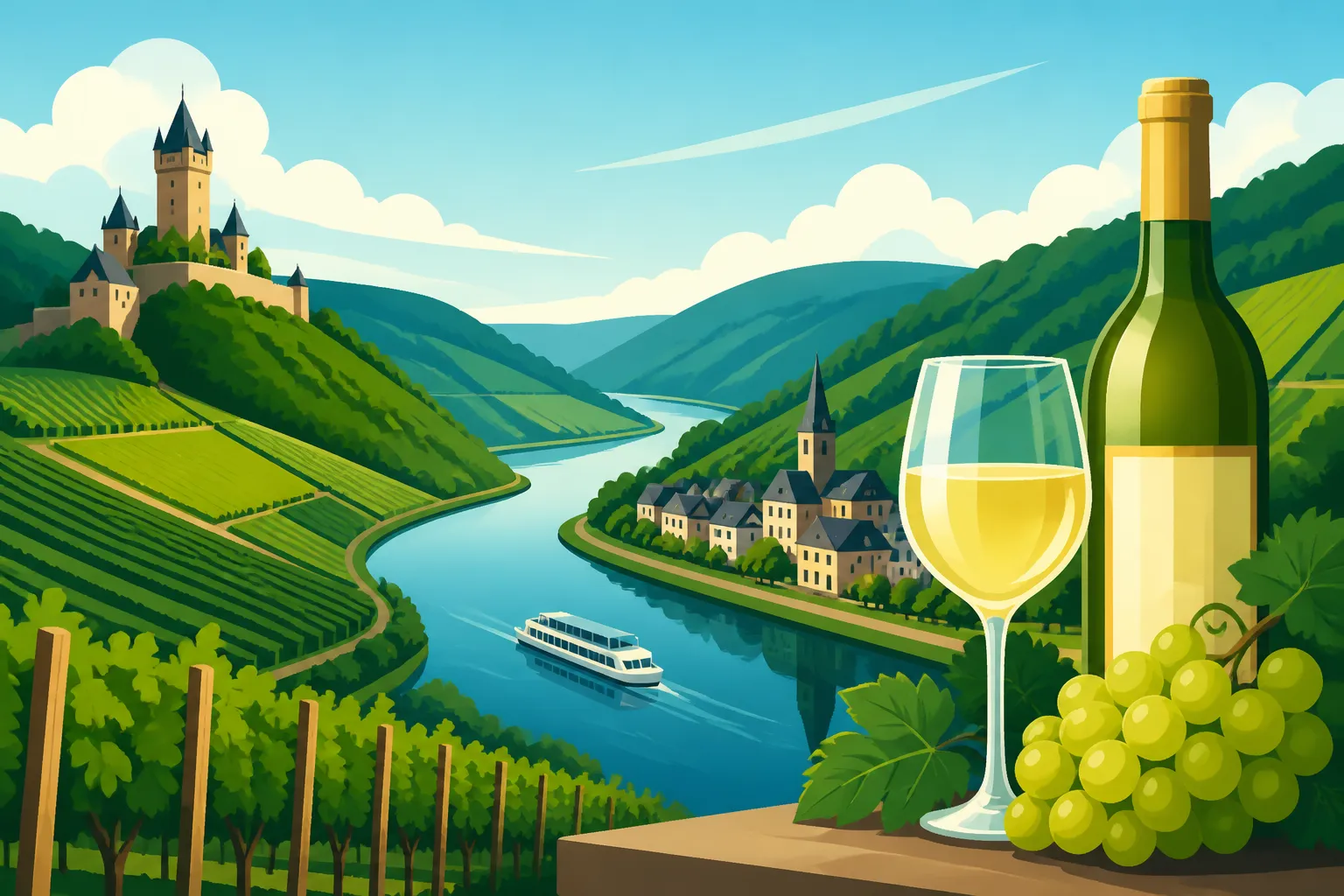
The Moselle River winds its way through Germany for over 200 kilometers, from its confluence with the Saar and Ruwer rivers near Trier, all the way to where it joins the Rhine at Deutsches Eck in Koblenz. Along this picturesque journey, the valley carves out distinct winemaking sub-regions, each with its own nuances in terroir and tradition. The river itself creates countless loops and bends, orienting the vineyards to maximize sun exposure, which is crucial in a northern latitude like Germany.
The main sections you'll hear about are the Upper Moselle, the Middle Moselle, and the Lower Moselle (or Terrassenmosel). The Middle Moselle, stretching roughly from Bernkastel-Kues to Zell, is arguably the most famous, home to iconic vineyards and producing some of the world's finest Rieslings. Here, the steep, south-facing slopes are legendary, forcing vines to dig deep into the slate for nutrients. The Lower Moselle, closer to Koblenz, is known for its dramatic terraced vineyards, which are incredibly challenging to cultivate but yield wines of intense concentration. Exploring these different stretches offers a fascinating insight into how subtly the landscape can influence the wine in your glass.
Decoding Mosel Wines: From Riesling to Elbling
The Moselle wine region is predominantly white wine territory, and one grape variety reigns supreme: Riesling. However, to truly appreciate the breadth of Moselle's offerings, it's worth delving into its flagship grape and then exploring some of the lesser-known, yet equally fascinating, varieties. Understanding these wines will elevate your tasting experience from simply enjoying a drink to truly appreciating the craftsmanship and regional identity behind it.
The Reign of Riesling: Characteristics, Styles, and Food Pairings
Ah, Riesling! If you know one German wine, it's likely Riesling, and the Moselle Valley is its undisputed kingdom. Moselle Rieslings are renowned for their delicate, aromatic profiles, typically showcasing bright acidity, a pronounced minerality from the slate soils, and flavors that can range from crisp green apple and citrus in younger wines to honey, apricot, and even petrol notes as they age. What's truly remarkable is the spectrum of sweetness levels produced here, from bone-dry (Trocken) to intensely sweet (Beerenauslese and Trockenbeerenauslese).
For many expats, the idea of German wine can sometimes be unfairly associated with overly sweet, simple wines. Moselle Riesling shatters that stereotype. A dry Moselle Riesling is a revelation – incredibly refreshing, with a zesty finish that makes it perfect as an aperitif or alongside lighter dishes. The off-dry (Feinherb or Halbtrocken) and Kabinett styles strike a beautiful balance, offering a hint of sweetness that complements spicy Asian cuisine or delicate fish. Spätlese and Auslese, with their richer sweetness, are fantastic with desserts or robust cheeses, demonstrating Riesling's incredible versatility. Don't be afraid to ask for recommendations from local winemakers; they love sharing the nuances of their craft.
Beyond Riesling: Exploring Elbling and Müller-Thurgau
While Riesling might wear the crown, the Moselle region cultivates other grape varieties that offer delightful alternatives and historical connections. One of the oldest is Elbling, a grape that was likely grown by the Romans themselves. It's almost exclusively found in the Upper Moselle and Luxembourg, and it produces a very crisp, light-bodied, and often tart white wine. It's a fantastic, unpretentious thirst-quencher, often enjoyed as a local house wine or as the base for regional sparkling wine, known as Winzersekt. If you're looking for something truly authentic and refreshing on a warm day, an Elbling is a must-try.
Another common grape you'll encounter is Müller-Thurgau, also known as Rivaner. This cross-breed grape was once much more prevalent across Germany but still has a strong presence in the Moselle, particularly in areas less suited for Riesling. Müller-Thurgau wines tend to be lighter, less acidic, and softer in flavor than Riesling, often displaying floral or muscat-like notes. While it might not have the same complexity or aging potential as a fine Riesling, it provides an accessible and enjoyable drinking experience, particularly for those who prefer a less intense wine. When you're exploring smaller, family-run wineries, you'll often find these varieties offered, providing a fuller picture of the region's winemaking diversity.
Planning Your Moselle Adventure: Towns, Trails, and Tastings
Embarking on a journey through the Moselle Valley is about more than just wine; it's about soaking in the history, marveling at the scenery, and experiencing the unique blend of German and Roman culture. Whether you prefer quaint villages, bustling towns, or serene natural escapes, the Moselle has something to offer every traveler. Getting your bearings and deciding where to focus your exploration can make all the difference in crafting a memorable trip.
Charming Towns to Visit: Cochem, Bernkastel-Kues, Trier
The Moselle is dotted with picturesque towns, each vying for your affection with their half-timbered houses, ancient castles, and inviting wine taverns. Choosing which ones to visit often comes down to personal preference and how much time you have.
Cochem is perhaps the most iconic, dominated by the majestic Reichsburg Cochem castle perched high above the river. It's a bustling tourist hub, especially in peak season, offering river cruises, chairlift rides for panoramic views, and a charming Altstadt (Old Town) perfect for strolling and enjoying a glass of local wine. It can feel a bit crowded, but the sheer beauty of the castle and its setting is undeniable. For accommodation, you might find a good selection of quaint hotels and guesthouses on Booking.com.
Bernkastel-Kues, often referred to as the "Pearl of the Moselle," boasts one of Germany's most beautifully preserved medieval market squares. Its narrow streets are lined with historic half-timbered houses, many dating back to the 17th century. It feels a bit more refined and less overtly touristy than Cochem, with excellent opportunities for wine tasting and a relaxed atmosphere. The ruins of Landshut Castle offer another stunning viewpoint.
Trier, Germany's oldest city, lies slightly further upstream and offers a completely different experience. As a former Roman imperial residence, it's packed with UNESCO World Heritage sites, including the Porta Nigra gate, the Imperial Baths, and the Roman Amphitheater. It's a larger city with more diverse dining and shopping options, making it an excellent base if you want to combine historical sightseeing with your wine exploration. While not directly in the heart of the vineyards, many wineries are just a short drive or bus ride away.
Scenic Routes and Activities: River Cruises, Cycling Paths, Hiking (Moselsteig)
The best way to appreciate the Moselle's breathtaking scenery is to immerse yourself in it, and there are countless ways to do just that.
River cruises are a classic choice, allowing you to relax and watch the vine-clad hills, castles, and charming villages glide by. Many companies offer various routes, from short one-hour trips to longer day excursions between towns. It’s a fantastic way to cover a lot of ground without the hassle of driving, and you can often enjoy a glass of local wine on board. You can often find and book these excursions through platforms like GetYourGuide, which offer a range of options.
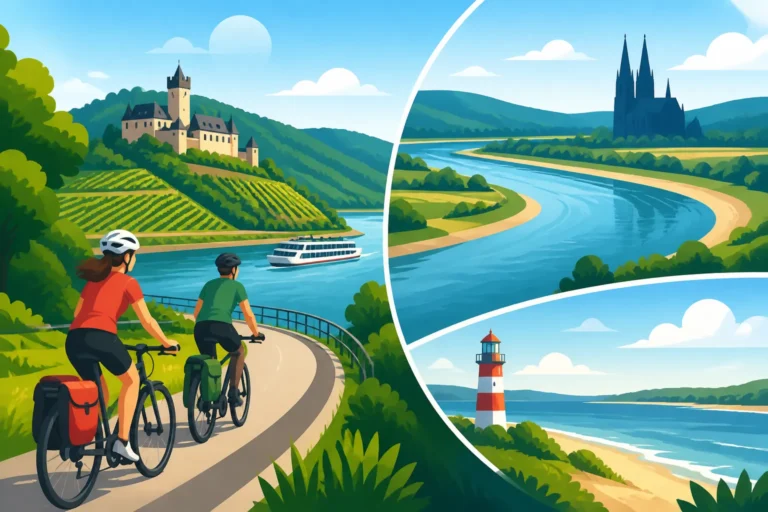
For the more active traveler, the Moselradweg (Moselle Cycle Path) is a dream. This well-maintained, mostly flat path runs alongside the river for over 200 km, making it suitable for cyclists of all levels. You can rent bikes in most towns and cycle at your own pace, stopping at wineries, cafes, or viewpoints as you please. It's a wonderful way to experience the landscape up close, feeling the breeze and smelling the grapes as you pass by the vineyards.
If hiking is your passion, the Moselsteig is an absolute must. This long-distance hiking trail spans 365 km from Perl to Koblenz, leading through forests, past castles, and directly through the steepest vineyards. It's divided into 24 stages, each offering spectacular views and unique insights into the region. Even if you're not up for the full trek, many towns offer shorter, well-marked circular hiking trails that connect to parts of the Moselsteig, providing an opportunity for an invigorating walk combined with stunning panoramas. Exploring these trails is a fantastic way to combine physical activity with the enjoyment of nature. You can find more information about Germany's incredible hiking opportunities in our guide on Hiking in Germany: The Black Forest, Alps, and Beyond.
Immersive Wine Experiences: Cellar Tours, Wine Festivals, Straußwirtschaften
No trip to the Moselle is complete without getting up close and personal with the wine itself. The region offers a variety of ways to do this, catering to different tastes and interests.
Many wineries offer cellar tours and guided tastings, providing a fascinating insight into the winemaking process, from grape to bottle. These often include a walk through the vineyards, an explanation of the local terroir, and a tasting session where you can sample different Riesling styles and other local wines. It's a chance to meet the winemakers, hear their stories, and understand the passion that goes into every bottle. Smaller, family-run establishments often provide the most personal and memorable experiences.
Throughout the year, but especially during late summer and autumn (harvest season), the Moselle Valley comes alive with numerous wine festivals (Weinfeste). These local celebrations are a fantastic way to experience German culture, enjoy live music, traditional food, and, of course, abundant wine. From small village festivals to larger regional events, they offer a lively atmosphere and a chance to mingle with locals and fellow wine enthusiasts. Keep an eye on local tourism websites for dates and locations during your visit.
For a truly authentic and seasonal experience, seek out a Straußwirtschaft or a Besenwirtschaft. These are temporary wine taverns, often run by winemakers themselves, where they serve their own new wine (often Federweißer, partially fermented grape must) alongside simple, hearty regional dishes like Zwiebelkuchen (onion tart) or Vesperplatten (cold cuts and bread). They are typically open only for a few weeks a year, usually identified by a bunch of flowers (Strauß) or a broom (Besen) hanging outside the entrance, indicating that they are currently serving. This tradition offers a wonderfully rustic and social way to enjoy fresh local wine and food.
Practicalities for Your Trip: Getting There and Staying Awhile
Getting to the Moselle Valley and finding a place to rest your head can be straightforward with a little planning. As an expat, you might already be familiar with Germany's excellent infrastructure, but understanding the specifics for this region will enhance your journey. The journey itself can be part of the adventure, especially when traveling through such scenic landscapes.
Navigating the Moselle Valley: Transport Options
The Moselle Valley is well-connected, making it accessible whether you prefer public transport or driving.
By Car: Driving offers the most flexibility, allowing you to explore the small villages, stop at viewpoints, and visit out-of-the-way wineries at your leisure. The scenic B53 road traces the river, offering breathtaking views. Just be prepared for narrow, winding roads in some areas, especially when venturing into the vineyards themselves. If you need to rent a car, remember to check out our comprehensive guide on Renting a Car and Driving on the Autobahn for tips on rules and regulations.
By Train: While there isn't a direct train line running the entire length of the Moselle, you can reach key towns like Trier and Koblenz easily by Deutsche Bahn. From these larger hubs, regional trains run along parts of the river (e.g., between Koblenz and Cochem, or Trier and Bullay), offering stunning views of the valley. Buses then connect the train stations to smaller villages. Planning your train journey can be efficiently done via platforms like Omio, which allows you to compare different routes and book tickets for trains and buses, streamlining your travel logistics. You can learn more about Germany's rail network in our Deutsche Bahn Guide: Using Trains for City and Long-Distance Travel.
By Bus: Local bus networks fill in the gaps where trains don't go, connecting many of the smaller wine villages. These are particularly useful if you plan to do some wine tasting and prefer not to drive. Be sure to check timetables in advance, especially on weekends and public holidays, as services can be less frequent.
By Boat: As mentioned earlier, river cruises are not just an activity but also a mode of transport between some towns. While slower, they offer unparalleled views and a relaxing way to get around. You could, for example, take a train to Cochem, then a boat further downriver, and a bus back, combining modes for a varied experience.
Accommodation Choices: Hotels, Guesthouses, and Ferienwohnungen
The Moselle Valley offers a wide range of accommodation options to suit every budget and travel style.
Hotels are plentiful, from modern establishments in larger towns to charming, family-run hotels in smaller villages. Many of these have their own restaurants serving regional specialties and, of course, local wines. For a comfortable and hassle-free stay, a hotel is a great choice. You can find many options on platforms like Booking.com, allowing you to filter by location, amenities, and price.
Guesthouses (Pensionen) offer a more intimate and often more affordable experience. These are typically smaller, privately run establishments, often including breakfast. Staying in a guesthouse can provide a wonderful opportunity to interact with local hosts and get insider tips on the best wineries and attractions. They often exude a cozy, traditional German charm.
Ferienwohnungen (Holiday Apartments) are a fantastic option, especially for longer stays, families, or groups. These self-catering apartments provide a home-away-from-home feel, often equipped with a kitchen, allowing you to prepare some of your own meals – perhaps with ingredients bought from local markets. Many winemakers also offer "Winzerzimmer" (winemaker's rooms) or apartments directly at their vineyard, which can include tastings and direct sales. This can be a very authentic way to experience the region. For a deeper dive into finding suitable lodging, check out our guide on Accommodation in Germany: Hotels, Pensionen, and Hostels.
Beyond the Grape: Other Delights of the Moselle Region
While wine is undoubtedly the star of the Moselle Valley, the region offers a treasure trove of other attractions that extend its appeal far beyond viticulture. From ancient fortresses to delectable local cuisine, there's plenty to explore when you need a break from swirling and sipping. These additional experiences provide a richer, more diverse understanding of the region's cultural and historical tapestry.
Castles and Roman Ruins: Eltz Castle, Reichsburg Cochem, Porta Nigra
The Moselle is a land steeped in history, where medieval castles stand guard over the winding river and Roman legacies are etched into the very fabric of its cities.
One of Germany's most enchanting castles, and arguably its most famous fairy-tale castle not named Neuschwanstein, is Eltz Castle (Burg Eltz). This stunning medieval fortress has remained in the possession of the same family for over 850 years and is impeccably preserved. Tucked away in a secluded valley, surrounded by lush forest, it offers a magical experience. While not directly on the Moselle, it's a popular and highly recommended detour, often accessible by a scenic hike from the nearest parking areas or by a short shuttle bus ride. The castle's interiors are magnificent, showcasing centuries of aristocratic life.
Standing proudly above the town of Cochem, the Reichsburg Cochem is another iconic sight. This imperial castle, originally built around 1000 AD, was largely destroyed in the 17th century but beautifully reconstructed in the neo-Gothic style in the 19th century. Its striking appearance, complete with turrets and battlements, offers a quintessential German castle experience. Guided tours delve into its history and architecture, and the views of the Moselle Valley from its ramparts are simply spectacular.
Further upstream, in Trier, you'll encounter a wealth of Roman ruins that highlight the city's profound ancient past. The Porta Nigra, a massive Roman city gate built from dark sandstone, is remarkably well-preserved and stands as an imposing symbol of Trier's imperial status. Walking through its arches, you can almost hear the echoes of Roman legions. Nearby, the Imperial Baths (Kaiserthermen) and the Roman Amphitheater provide further glimpses into daily life in a Roman provincial capital. These sites are not just piles of old stones; they are impressive monuments that truly transport you back in time, offering a compelling narrative of conquest, culture, and ancient engineering.
Local Cuisine and Regional Specialties: What to Eat Alongside Your Wine
The Moselle Valley's culinary scene is a delicious complement to its wines, featuring hearty, traditional German fare with a regional twist. After a day of exploring vineyards and castles, you'll find plenty of comforting dishes to satisfy your appetite. Our general guide on German Food Culture: Eating and Drinking as a Visitor can give you a broader overview, but here are some regional highlights.
One of the most characteristic dishes is Himmel und Ääd (Heaven and Earth), a simple yet satisfying meal of mashed potatoes (earth) and apple sauce (heaven), often served with fried black pudding (Blutwurst) and crispy fried onions. It’s a testament to the region’s agricultural roots and offers a comforting, savory-sweet balance.
Given the river, fresh fish dishes are also popular, particularly trout (Forelle) from local rivers and streams, often pan-fried with herbs and served with boiled potatoes. The light, delicate flavor of the fish pairs beautifully with a crisp, dry Moselle Riesling. Don't be surprised to find restaurants that specialize in freshwater fish, showcasing the bounty of the Moselle and its tributaries.
You’ll also find plenty of robust meat dishes, such as Sauerbraten (marinated roast beef), often served with potato dumplings (Knödel) and red cabbage. While not exclusive to the Moselle, many local restaurants offer their own variations, often slow-cooked to perfection. And, of course, like elsewhere in Germany, you'll find a wide variety of Wurst (sausage), often served with mustard and crusty bread, perfect for a quick bite at a market or a snack in a cozy wine tavern. For a deep dive into what savory delights await you, check out German Regional Dishes Every Visitor Should Try. Make sure to try some Zwiebelkuchen when the Federweißer is flowing – it's an experience in itself!
| Town / City | Key Attractions | Main Focus | Best For |
|---|---|---|---|
| Cochem | Reichsburg Cochem, Chairlift, River Cruises | Iconic castle, tourist hub | First-time visitors, scenic views, family |
| Bernkastel-Kues | Medieval market square, Landshut Castle ruins, Altstadt | Historic charm, wine culture | Relaxed atmosphere, serious wine tasting |
| Trier | Porta Nigra, Imperial Baths, Roman Amphitheater | Roman history, city life | History buffs, broader dining/shopping options |
| Beilstein | Picturesque village, steep vineyards, half-timbered houses | Authenticity, tranquility | Quaint village experience, hiking |
| Zell (Mosel) | "Zeller Schwarze Katz" (Black Cat) vineyard, riverside promenade | Wine lore, cycling | Cycling base, famous wine label |
Disclaimer
Please remember that information regarding travel, local regulations, and business hours can change. While I strive to provide the most accurate and up-to-date details, it is always advisable to check current guidelines, opening times, and booking requirements directly with providers or local tourism offices before your trip. Enjoy your Moselle adventure!