Moving to Germany from South Africa: Routes, Costs, and Expectations
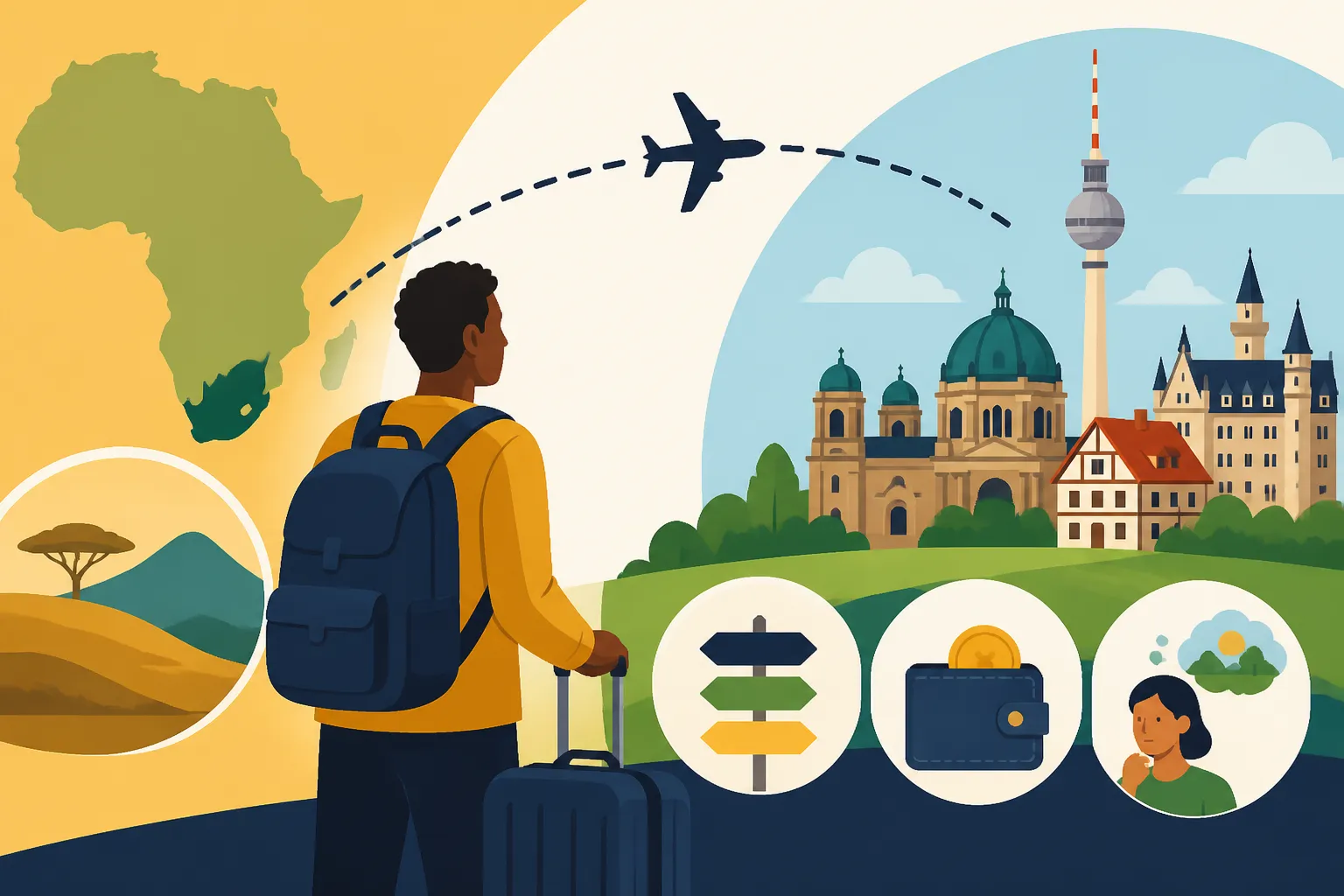
Moving your entire life from the vibrant landscapes of South Africa to the ordered efficiency of Germany can feel like trying to solve a Rubik's Cube blindfolded. The sheer volume of paperwork, the cultural differences, and the daunting logistics of moving everything you own across continents are enough to make anyone's head spin. This guide is designed to be your steadfast companion through this intricate journey, offering realistic insights into the immigration pathways, the true costs involved, and how to navigate the inevitable culture shocks, all while helping you find the right support for a smoother transition, especially with the monumental task of relocating your belongings.
Disclosure: This post may contain affiliate links. We may earn a commission at no extra cost to you if you make a purchase through these links. Read full disclosure.
The Initial Leap: Understanding Your Immigration Routes from South Africa to Germany
The first hurdle, and often the most intimidating, for South Africans looking to move to Germany is understanding the immigration system. It’s not a one-size-fits-all scenario; your route largely depends on your skills, education, and purpose for coming here. Forget what you think you know about easy immigration; Germany demands meticulous preparation and often a good dose of patience.
Common Visa Pathways for South Africans
Germany has specific visa categories tailored to different needs, and it's crucial to identify which one applies to you. For many South Africans, the most common routes are employment-based or related to education.
If you're a skilled professional with a university degree, the EU Blue Card Germany is often the gold standard. It’s designed to attract highly qualified non-EU citizens by offering a fast-track to residency and more straightforward family reunification. You'll need a German university degree or a foreign degree recognized in Germany, and a binding job offer meeting a specific minimum salary threshold (which updates annually, so always check the latest figures!). The salary requirements for the Blue Card are often a big concern for people, but if you meet them, it really smooths out the path. On the other hand, if your qualifications aren't quite at the Blue Card level but you still have a recognized degree or vocational training and a job offer, the Skilled Worker Visa (Fachkräfte) is your go-to. This visa category was significantly revamped recently to make it easier for qualified individuals to come to Germany. It's a fantastic pathway for many South Africans with solid professional backgrounds. For those still on the hunt for a job, the new Opportunity Card (Chancenkarte) is designed to allow individuals to come to Germany for a year to seek employment, based on a points system that considers qualifications, language skills, and age. This could be a game-changer if you want to secure a job offer once you're already on German soil.
Students, you're looking at the German Student Visa route. This requires acceptance into a German university or a Studienkolleg (preparatory college). You'll also need to prove sufficient financial means, often through a blocked account (Sperrkonto), which can feel like a significant upfront investment but is a necessary step. Once you're here studying, there are also options for part-time work, which helps with living costs. You might find our guide on Studying in Germany: Comprehensive Guide for International Students particularly helpful for delving deeper into this. If your partner or family wants to join you, you'll be looking into the Spouse Visa for Germany or Family Reunification in Germany pathways, which often come with their own set of language requirements and financial proofs. These can be particularly tricky, and it’s important to gather all necessary documents well in advance.
The German Language Hurdle: B1 and Beyond
Let’s be honest, the German language requirement can feel like a mountain, especially if you’re coming from a predominantly English-speaking environment like South Africa. While some highly specialized jobs, particularly in IT or research, might accept English, a basic proficiency in German (usually A1 or A2) is often a prerequisite for visa applications, especially for family reunification, and a B1 level is usually expected for integration courses and certain visa types.
Beyond the official requirements, embracing the German language is absolutely vital for actually living here, not just existing. Imagine trying to sort your waste without understanding the labels or going to a doctor without being able to explain your symptoms! While many Germans, especially younger generations in larger cities, speak excellent English, relying solely on it will isolate you and make daily bureaucracy a nightmare. Finding a doctor who doesn’t speak English is a common frustration, so putting in the effort now will save you headaches later. I’ve seen countless expats struggle simply because they put off learning German, only to find themselves completely overwhelmed by simple tasks. Start with an intensive course or language exchange meetups as soon as possible. There are tons of resources out there to help you learn German, from online platforms to local Volkshochschulen, and diving into it will make your transition infinitely smoother.
Document Recognition and Validation
Coming from South Africa, you'll quickly realize Germany loves its paperwork, and it loves it just so. A critical step often overlooked is getting your foreign qualifications recognized in Germany. This is particularly important for skilled workers and those applying for Blue Cards. You can use platforms like Anabin to check if your university and degree are already listed and recognized. If not, you might need to go through a formal recognition process via institutions like the Zentralstelle für ausländisches Bildungswesen (ZAB).
Don't forget that many documents will need to be officially translated into German by a sworn translator (vereidigter Übersetzer) and potentially apostilled in South Africa before you even apply for your visa. This includes birth certificates, marriage certificates, university degrees, and even a police clearance certificate. The process can be time-consuming and costly, so factor this into your relocation timeline and budget. Getting these certifications and translations wrong can lead to significant delays at the German embassy or the local Ausländerbehörde (foreigner’s office) once you arrive, causing a fresh wave of frustration.
The Practicalities of Moving Your Life: Logistics and Costs from South Africa
Once the initial immigration hurdles are somewhat clearer, the very real, very physical task of moving your life from South Africa to Germany looms large. This isn't just about packing a suitcase; it's about shipping your household, understanding the financial implications, and preparing for life in a new economic landscape.
The True Cost of Moving: Beyond the Shipping Container
Relocating internationally is a significant financial undertaking, and moving from South Africa to Germany is no exception. It’s not just the cost of flights and a shipping container; there are layers of expenses that can quickly add up and catch you by surprise if you haven't budgeted meticulously.
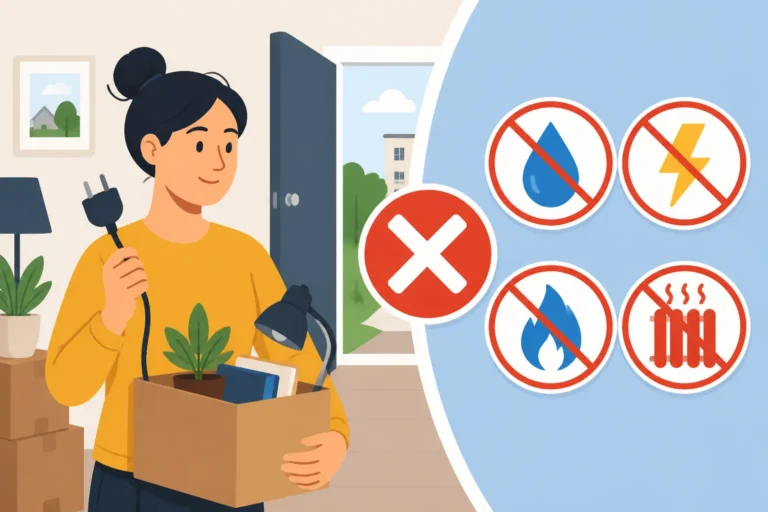
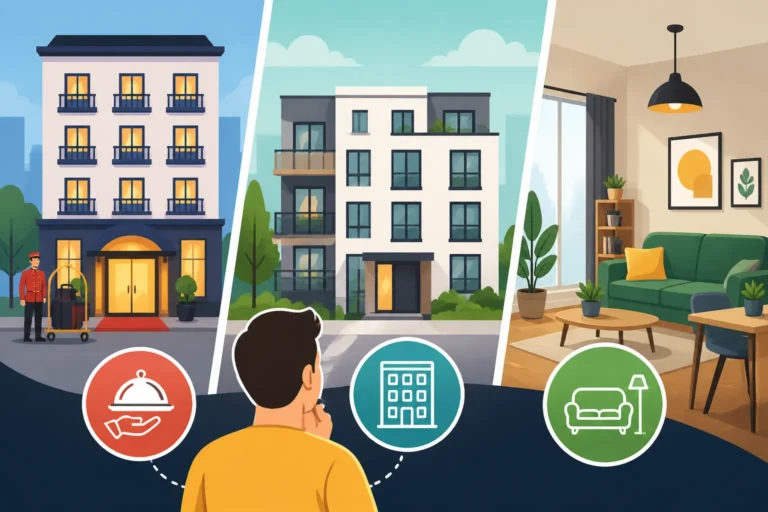
Your biggest chunk of cost, after flights, will likely be international moving services. This varies wildly based on the volume of goods you're shipping (a few boxes vs. a 3-bedroom house) and the service type (sea freight is slower but cheaper than air freight). Then there are packaging materials, insurance for your belongings, customs duties, and potential storage fees. Don't forget the visa application fees, which can range from a few hundred to over a thousand Euros depending on the type and any expedited services. Once you arrive, you’ll have immediate expenses like temporary accommodation, securing a rental deposit (Kaution, which is typically 2-3 months' rent!), furnishing an unfurnished apartment (many German rentals come without kitchens or light fixtures, truly a shock for some!), and initial groceries.
Utility setup costs, public transport passes, and even the mandatory Rundfunkbeitrag (TV and radio license fee) will start hitting your bank account immediately. It's truly a cascade of expenses. I recommend having at least three to six months' worth of living expenses saved up for Germany, in addition to your moving costs, to give yourself a comfortable buffer. You don't want to arrive already stressed about every single Euro. Understanding your German payslip and the social security contributions that come off your salary will also be crucial for managing your finances effectively once you start working.
Finding Your Shipping Solution: Why Expert Help Matters
This is where the rubber meets the road. Getting your worldly possessions from South Africa to Germany is arguably one of the most stressful parts of the entire move. You're dealing with vast distances, customs regulations, and the fundamental question of trust. You need a moving company that understands international logistics, especially between these two specific countries, and that won't leave you in the lurch. This is precisely why a platform like Sirelo can be your absolute best friend.
Instead of spending weeks trawling through countless moving company websites, making endless calls, and trying to decipher quotes that might not be transparent, Sirelo simplifies the entire process. It acts as an unbiased middleman, connecting you with multiple reputable international moving companies that specifically handle routes from South Africa to Germany. You simply input your moving details, and Sirelo gathers competitive quotes for you. This means you save precious time, get transparent breakdowns of services and costs, and can compare options side-by-side. Think about the peace of mind knowing that the companies quoting on Sirelo are vetted and experienced in handling customs clearance and the nuances of international shipping. This service makes finding a reliable and affordable mover so much less daunting. I truly wish I had known about a resource like Sirelo when I first moved; it would have saved me so many headaches and frantic phone calls. Using Sirelo allows you to focus on other crucial aspects of your move, confident that your belongings are in good hands and that you're getting a fair price. It's about empowering you to make an informed decision without the typical stress associated with finding international movers. Don't underestimate the value of comparing offers efficiently through a service like Sirelo; it can significantly impact both your budget and your sanity.
Banking, Finances, and Initial Settling In
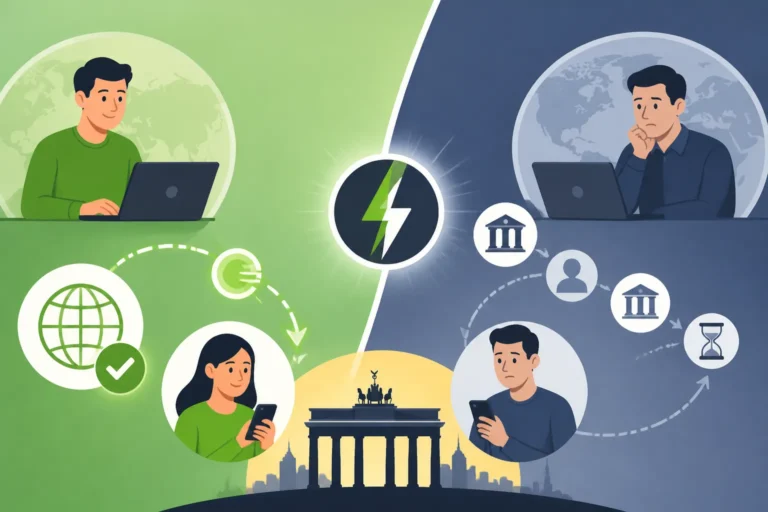
Setting up your finances in Germany is one of the very first things you'll need to do. While you might keep your South African bank account for a while, you'll need a German one for salary payments, rent, and utility bills. Many expats opt for modern online banks like N26 or Revolut initially, as they often have English-speaking support and a more straightforward opening process compared to traditional German banks like Sparkasse or Deutsche Bank, which can be a bit more bureaucratic. However, even with online banks, you’ll still need your Anmeldung (address registration) and potentially your Steuer-ID (tax ID) to fully set up.
Understanding the German banking system, including concepts like IBAN and SEPA direct debits, is crucial for managing your bills and rent. Most landlords and utility providers will expect you to set up direct debits (Lastschriften) for recurring payments. You'll also encounter the SCHUFA credit score system, which is paramount for renting apartments and obtaining credit cards or loans. Building a good SCHUFA score takes time, so patience is key. For sending money back to South Africa or bringing your savings over, services like Wise (formerly TransferWise) are popular among expats for their competitive exchange rates and transparent fees. When considering the full financial picture, it’s worth reviewing our article on Money Matters in Germany: Complete Financial Guide for Expats.
Settling Down in Germany: Expectations and Navigating Daily Life
The visas are sorted, your belongings are en route (hopefully thanks to Sirelo!), and you've arrived. Now the real adventure begins: making Germany your home. This involves more than just finding a place to sleep; it’s about integrating into a new culture and building a support network.
Housing Woes: Finding Your German Home
Finding an apartment in Germany, especially in popular cities like Berlin, Munich, or Frankfurt, can be a challenge. It's a competitive market, and landlords often have strict requirements. You'll need to prepare a "Bewerbungsmappe" (application folder) with documents like your SCHUFA report, proof of income, a copy of your visa/residence permit, and possibly a letter from your previous landlord.
Many apartments are rented unfurnished, which in Germany often means really unfurnished – no kitchen cabinets, no appliances, sometimes even no light fixtures! This can be a huge shock if you're expecting something move-in ready. Budget for buying a kitchen (Einbauküche – EBK) and other essential appliances. Finding an apartment can be a full-time job in itself, with viewings (Besichtigungen) often crowded with dozens of applicants. Don’t be disheartened if it takes time; persistence is key. Online portals like Immobilienscout24 and WG-Gesucht (for shared flats) are good starting points. Understanding your German Rental Contracts: Key Terms and Conditions is paramount, as they can be long and legally dense.
Culture Shock and Daily Life Adjustments
Moving from South Africa to Germany will undoubtedly bring some culture shock. Germans are often perceived as direct, punctual, and sticklers for rules. While this can seem intimidating at first, it often translates into efficiency and clarity once you understand the system. Expect shops to be closed on Sundays, embrace the meticulous waste sorting (Mülltrennung) system, and learn to appreciate the concept of Ruhezeit (quiet hours).
You might find social interactions more reserved than what you're used to, particularly with new acquaintances. Germans value personal space and can be direct in communication, which might feel blunt but is usually not intended to be rude. Punctuality is highly valued, whether for a work meeting or a social gathering. Public transportation is incredibly efficient, but can also be quite expensive if you don't get a monthly pass like the Deutschland-Ticket. The weather in Germany, especially the long, grey winters, can also be an adjustment for those used to the sunny climes of South Africa. Be prepared to invest in good winter clothing and embrace indoor activities, or even consider remedies for Dealing with Seasonal Affective Disorder: Coping with Dark Winters in Germany.
Building a New Life: Community and Support
One of the most important aspects of settling in is building a new community. It's easy to feel isolated as an expat, so actively seek out connections. Look for expat groups on social media, attend meetups, join sports clubs, or enroll in a German language course – these are all fantastic ways to meet people. Don't just stick to other South Africans or English speakers; push yourself to interact with locals.
Volunteering can be a great way to meet people and contribute to your new community, while also gaining local experience. Many cities have a Volkshochschule, which offers not just language courses but also a wide range of other classes (cooking, arts, fitness) where you can meet people with shared interests. Remember, while the initial administrative steps and finding movers (like through the efficient service of Sirelo) are crucial, nurturing your social and emotional well-being is equally important for a successful long-term expat experience. You'll find that Germans, once they open up, are incredibly loyal and warm friends. Be patient, be open, and give yourself grace as you navigate this exciting new chapter.
In conclusion, moving from South Africa to Germany is a journey of significant transitions, from bureaucratic hurdles to cultural shifts and the practical challenges of relocating your entire life. By understanding the visa processes, preparing for the costs, leveraging services like Sirelo for efficient and reliable international moving, and embracing the cultural adjustments, you can navigate this complex process with greater confidence. Germany offers incredible opportunities and a high quality of life, but it demands preparation, patience, and a willingness to adapt. Welcome to your new adventure!
Disclaimer
The information provided in this guide is for general informational purposes only and does not constitute legal, financial, or immigration advice. While we strive to provide accurate and up-to-date information, regulations and circumstances can change. It is strongly recommended to consult with qualified legal, immigration, and financial professionals for advice tailored to your specific situation before making any decisions related to your move to Germany.