Dealing with Seasonal Affective Disorder: Coping with Dark Winters in Germany
Germany’s long, dark winters can take a significant toll on mental health, often leading to Seasonal Affective Disorder (SAD). This guide explores effective coping strategies, from light therapy to professional medical support, ensuring you stay resilient throughout the season.
Disclosure: This post may contain affiliate links. We may earn a commission at no extra cost to you if you make a purchase through these links. Read full disclosure.
Understanding Seasonal Affective Disorder in the German Context
What is SAD and How Does It Differ from the Winter Blues
Seasonal Affective Disorder, or SAD, is more than just a passing case of the “winter blues.” While many people feel a bit more sluggish or less social as the days get shorter, SAD is a recognized clinical subtype of major depression that follows a seasonal pattern. In Germany, symptoms typically emerge in late October and persist until the first signs of spring in March. These symptoms often include a heavy feeling in the arms and legs, an increased need for sleep, social withdrawal, and a significant craving for carbohydrates, leading to winter weight gain.
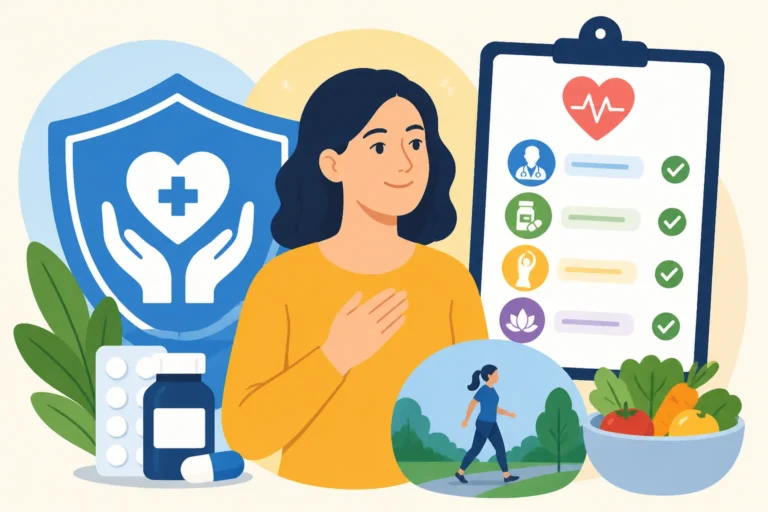
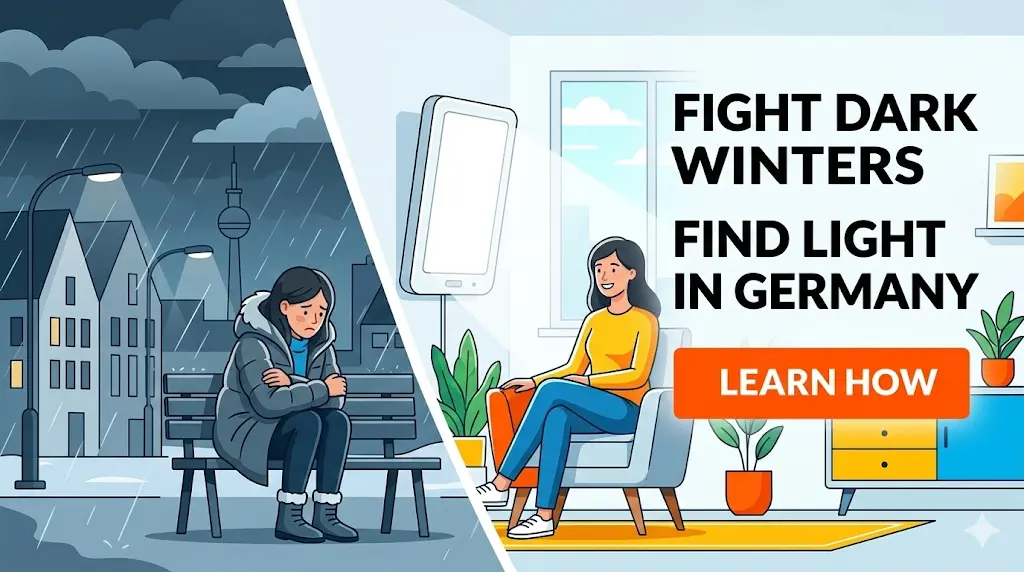
Seasonal Affective Disorder (SAD) can affect many people during Germany’s long, dark winters. Reduced daylight may cause fatigue, low mood, and decreased motivation. Experts often recommend light therapy, regular physical activity, and maintaining consistent sleep routines to manage symptoms. Spending time outdoors during daylight hours and staying socially connected can also help improve mood. If symptoms persist or worsen, consulting a healthcare professional for proper evaluation and treatment is advisable.
Distinguishing between the two is vital for seeking the right level of care. The winter blues are usually manageable through minor lifestyle adjustments, whereas SAD can severely interfere with your ability to work or maintain relationships. If you find that your low mood is persistent and debilitating, it is important to treat it with the same clinical gravity as any other illness. Understanding your healthcare rights in this regard is a foundational step, which you can explore in Healthcare in Germany: A Comprehensive Guide for Expats.
Prevalence and Risk Factors for Expats in Germany
Germany’s northern latitude means that in mid-winter, the sun can set as early as 4:00 PM, and the country often experiences weeks of “Grau in Grau” (grey on grey) weather with very little direct sunlight. According to studies, approximately 2.5% of the population in German-speaking countries suffers from clinical SAD, but the risk can be significantly higher for immigrants and expats. Those moving from sunnier climates—such as Southern Europe, Africa, or Latin America—often experience a more profound physiological shock as their circadian rhythms struggle to adapt to the sudden lack of Vitamin D and light.
Expat life itself can act as a catalyst for SAD. The combination of social isolation, the stress of a new job, and the absence of a familiar support network can amplify the seasonal drop in serotonin. If you are feeling overwhelmed, it is helpful to recognize that these feelings have a physiological basis and are not simply a personal failure to adjust. Proactively building a health-conscious routine is essential, a concept deeply integrated into our Healthy Living in Germany: Wellness, Fitness, and Mental Health Guide.
The Biological Mechanism: Melatonin and Serotonin
The science behind SAD in Germany is largely tied to the disruption of two key chemicals in the brain: melatonin and serotonin. During the dark German winter, the body tends to produce too much melatonin, the hormone that regulates sleep, which accounts for the persistent lethargy many feel. Conversely, the lack of sunlight leads to a drop in serotonin, the neurotransmitter responsible for mood stabilization. This chemical imbalance is what drives the depressive symptoms characteristic of the disorder.
Because your skin cannot produce Vitamin D during the German winter months (October through March), many residents fall into a deficiency that further exacerbates mood drops. Monitoring these levels through regular blood tests is a smart preventative measure. If you are currently Finding a Doctor (Hausarzt) in Germany: How to Choose and Register, you should explicitly mention your concerns about seasonal mood changes during your first consultation to establish a baseline for your metabolic health.
Proactive Lifestyle and Nutritional Strategies
The Critical Role of Vitamin D3 Supplementation
The Robert Koch Institute (RKI) notes that a significant portion of the German population has sub-optimal Vitamin D levels during the winter. For expats, supplementing is often a necessity rather than an option. Experts generally recommend a daily intake of 800 to 2,000 IU of Vitamin D3, often paired with Vitamin K2 for better absorption. Because the German Apotheke system can be expensive for high-potency supplements, many expats prefer to source their wellness kits through global platforms like iHerb, which offers a vast range of trusted international brands at competitive prices.
It is important to remember that Vitamin D is fat-soluble, meaning it should be taken with a meal containing healthy fats for maximum efficacy. Alongside supplementation, incorporating “mood foods” like fatty fish, walnuts, and leafy greens into your diet can provide a secondary boost. For a deeper look at managing your nutrition locally, refer to our guide on Diet and Nutrition: German Foods and Staying Healthy as an Expat.
Light Therapy: The Gold Standard for SAD
Light therapy, or Lichttherapie, is the most widely recommended non-drug treatment for SAD in Germany. It involves sitting in front of a specialized light box that emits at least 10,000 lux of light, mimicking natural outdoor light. Spending just 20 to 30 minutes in front of such a lamp every morning can help reset your internal clock and suppress the overproduction of melatonin. Many Germans integrate this into their breakfast routine or while catching up on emails.
While you can purchase these lamps privately, some high-end Private Health Insurance in Germany: Benefits, Costs, and Eligibility plans may offer subsidies for medical-grade light therapy devices if prescribed by a specialist. If you are navigating the public system, you will likely need to fund the device yourself, but the long-term benefit for your mental health often outweighs the initial cost. When managing these types of out-of-pocket health investments, using a transparent financial tool like Wise can help you keep track of your health-related spending without hidden fees.
Physical Activity and the “Winterspaziergang”
In Germany, the tradition of the Winterspaziergang (winter walk) is a cultural institution for a reason. Even on a cloudy day, the lux levels outdoors are significantly higher than indoors. Exposure to natural light, combined with the endorphin release from physical activity, is a powerful antidote to seasonal depression. Many expats find success by joining local groups to stay motivated. Whether it’s a running club or a weekend hiking group, the social aspect helps combat the isolation that often accompanies the dark months.
If the outdoor cold is too much, indoor fitness centers provide a reliable alternative. Most German cities have a high density of gyms and public pools that are excellent for maintaining a routine. For tips on how to find the right facility for you, see our article on Staying Fit in Germany: Joining Gyms, Pools, and Sports Clubs. Staying active is not just about physical fitness; it is a core component of maintaining mental resilience against the “grey” season.
Navigating the German Medical System for SAD
When to Visit your Hausarzt
Your first port of call for SAD symptoms should always be your Hausarzt (general practitioner). They can conduct a thorough physical check-up to rule out other causes of fatigue, such as thyroid issues or anemia, which are common and can mimic the symptoms of depression. Your doctor can also order a Vitamin D blood test, though you may need to pay a small “IGeL” fee for this if you are in the public system.
A good GP will take your seasonal symptoms seriously and may provide a referral (Überweisung) to a psychiatrist or therapist if the symptoms are severe. Having this relationship established early is key to navigating the broader system, as explained in Specialists and Referrals: How to See a Specialist Doctor in Germany. If you are using a digital-first provider like Ottonova, you can often use their concierge service to find an English-speaking doctor who specializes in mood disorders.
Accessing Psychotherapy and Counseling
Germany has a robust system for mental health, and psychotherapy is a fully covered benefit under Public Health Insurance (gesetzliche Krankenkasse): What It Covers and Costs. Cognitive Behavioral Therapy (CBT) has been shown to be particularly effective for SAD, as it helps you identify and change the negative thought patterns that thrive in isolation and darkness. The challenge for many expats is the long waiting lists for public therapists.
To bridge this gap, many turn to specialized expat insurance brokers like Feather Insurance, who can guide you toward providers that offer faster access or English-speaking support. If you are in a crisis, you should never wait for a standard appointment; instead, utilize the emergency resources outlined in Mental Health Care in Germany: Finding Therapists and Psychologists or visit a hospital emergency room if you feel in immediate danger.
Medication and Integrated Care
In some cases, lifestyle changes and light therapy are not enough. Your psychiatrist may recommend a short course of antidepressants to help you through the most difficult months. In Germany, these are strictly verschreibungspflichtig (prescription-only), and you will need to pick them up at a local Apotheke (Pharmacy). The pharmacist can provide advice on side effects and ensure there are no interactions with other supplements you might be taking.
Integrated care, which combines medication with light therapy and psychotherapy, is often the most successful approach for chronic SAD sufferers. Managing these various appointments and prescriptions requires an organized approach to your health documentation. For those who travel frequently or are still finalizing their residency, ensuring you have the right Travel Health Insurance: What Expats Need for Schengen Visa & Short Trips is also a vital safety net while you establish your long-term care plan.
Creating a Resilient Home and Work Environment
Optimizing your Indoor Lighting
Since you will likely spend 90% of your time indoors during a German winter, your home lighting matters. “Warm” yellow lights are cozy for the evening, but “cool” blue-white lights are better for daytime productivity and keeping your brain in “awake” mode. Consider replacing standard bulbs in your office or kitchen with high-CRI (Color Rendering Index) LED bulbs that more closely mimic natural daylight.
Creating a “hygge” or “gemütlich” environment with candles and soft textiles can help make the indoors feel like a sanctuary rather than a prison. However, be careful not to fall into the trap of over-hibernating. Balancing coziness with active light exposure is a skill every expat must learn. If you are struggling with the transition, reading our Healthcare in Germany: A Comprehensive Guide for Expats can provide more context on how the environment impacts your overall well-being.
Social Integration and Beating Isolation
Isolation is the silent partner of Seasonal Affective Disorder. In Germany, where social circles can sometimes feel hard to penetrate, expats must be extra proactive. Attending local events, even when you feel like staying in bed, is essential. The German tradition of the Stammtisch or joining a Verein (club) can provide a consistent social rhythm that keeps you connected.
For many, the Christmas markets (Weihnachtsmärkte) provide a much-needed social boost in December. The lights, social atmosphere, and warm drinks can temporarily lift your spirits. However, January and February are often the hardest months as the festivities end but the cold remains. During this time, scheduling regular video calls with family or planning small weekend trips within the EU using your European Health Insurance Card (EHIC): Using It in Germany and Abroad can provide something to look forward to.
Workplace Adjustments and Mental Health Days
If you are employed in Germany, you are protected by strong labor laws regarding health. If SAD is impacting your productivity, it is worth discussing ergonomic adjustments with your employer, such as moving your desk closer to a window. In some cases, a doctor may issue a Krankschreibung (sick note) for mental health reasons, allowing you to take the time needed to stabilize.
Using high-quality nutritional support from iHerb and maintaining a solid insurance policy through Ottonova or Feather Insurance ensures that if you do need to take time off, you are financially and medically supported.
Comparison of SAD Management Options
| Strategy | Primary Benefit | Typical Cost in Germany | Insurance Coverage |
| Light Therapy | Resets circadian rhythm | €60 – €200 (device) | Rarely (Public) / Varies (Private) |
| Vitamin D3 | Corrects deficiency | €10 – €30 per bottle | Self-pay (IGeL) |
| Psychotherapy | Changes thought patterns | €0 (with public insurance) | 100% (GKV/PKV) |
| Medication | Balances brain chemistry | €5 – €10 (co-pay) | 100% (minus co-pay) |
| Physical Activity | Boosts endorphins | €20 – €60 (gym sub) | Often subsidized (Bonus programs) |
Emergency Resources and Support
Crisis Hotlines and Immediate Help
If you or someone you know is in a mental health crisis, Germany offers immediate, free support. The TelefonSeelsorge can be reached at 0800 111 0 111 and often has English-speaking volunteers.
Remember that SAD is a clinical condition, and there is no shame in seeking immediate help. Having these numbers saved in your phone is a vital part of your emergency preparedness, as detailed in Emergency Numbers in Germany: Calling 112, Poison Control, and More. If you need to pay for any urgent private counseling, using Wise can help you manage the payment instantly across different currencies.
Specialized Expat Mental Health Services
Many major German cities now have dedicated clinics for expats that offer counseling in multiple languages. These services understand the specific stressors of migration and can provide more tailored advice than a standard German clinic. Organizations like “It’s Complicated” or “Middle-Path” are popular resources for finding therapists who speak your language and understand your cultural background.
Leveraging the digital support provided by modern insurers is also a great option. Apps provided by Ottonova and Feather Insurance often include 24/7 telemedicine, allowing you to speak to a professional from the comfort of your home when the weather makes it impossible to leave. This level of accessibility is a game-changer for those suffering from the heavy lethargy of SAD.
Conclusion
Dealing with Seasonal Affective Disorder in Germany is a challenge that requires a multi-faceted approach. By combining clinical treatments like light therapy and psychotherapy with proactive lifestyle choices and high-quality supplementation, you can effectively manage your symptoms and enjoy your life in Germany year-round.
Don’t wait for the “grey” to set in—start building your resilience today by establishing a relationship with a local doctor and ensuring your insurance coverage is robust. With the right tools and a supportive community, you can turn the long German winter into a season of growth and reflection.
References
Primary sources (official)
- Robert Koch Institute (RKI) – Vitamin D Fact Sheet: https://www.rki.de/EN/Content/Health_Monitoring/Health_Reporting/GBE_node.html
- German Nutrition Society (DGE) – Vitamin D Guidelines: https://www.dge.de/en/
Other helpful sources
- Make it in Germany – Healthcare Overview: https://www.make-it-in-germany.com/en/living-in-germany/money-insurance/healthcare
- Deutsche Depressionshilfe – Information on SAD: https://www.deutsche-depressionshilfe.de/depression-infos-und-hilfe/formen-der-depression/saisonale-depression
Disclaimer
The information provided in this article is for general informational and educational purposes only and does not constitute professional medical, legal, or financial advice. Seasonal Affective Disorder is a clinical condition that should be diagnosed and treated by a qualified healthcare professional. If you are experiencing suicidal thoughts or severe depression, please contact emergency services (112) or a crisis hotline immediately. German healthcare regulations and insurance policies are subject to change.