Finding English-Speaking Doctors: Resources and Tips for Expats
Navigating the German healthcare system is daunting when you face a language barrier. This comprehensive guide provides expats with actionable strategies, digital resources, and practical tips to successfully locate and book appointments with English-speaking doctors across Germany.
Disclosure: This post may contain affiliate links. We may earn a commission at no extra cost to you if you make a purchase through these links. Read full disclosure.
Utilizing Digital Booking Platforms and Search Engines
Navigating Doctolib and Jameda
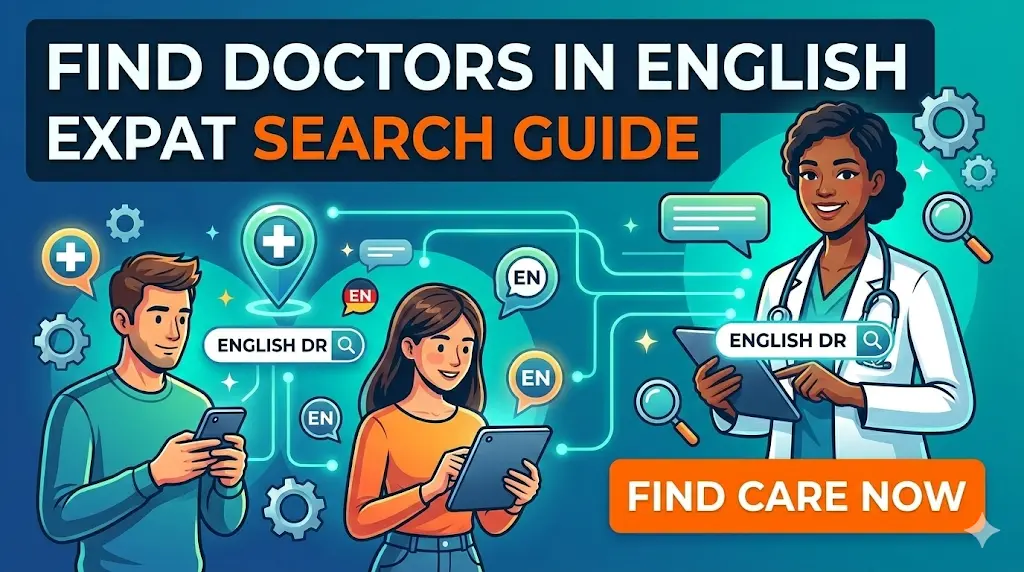
The digitization of the German medical sector has drastically improved the expat experience, primarily through the rise of online booking platforms. The most prominent and widely used tool is Doctolib. This platform allows you to search for specific medical professionals—from a general practitioner (Hausarzt) to highly specialized fields like dermatology or orthopedics—directly in your postal code.
The greatest advantage of Doctolib for internationals is its filtering capability. You can specifically filter search results to only display doctors who speak English, Spanish, French, or other languages. The platform allows you to view the doctor’s real-time calendar and book an appointment instantly without ever needing to navigate a phone call in broken German. Jameda is another highly popular German platform that operates similarly, offering extensive patient reviews alongside language filters and digital booking options.
While these digital platforms are incredibly convenient, it is important to note that not every clinic in Germany uses them. Many older, established practices rely entirely on traditional telephone bookings. Therefore, while Doctolib is the best starting point for Finding a Doctor in Germany: How to Choose a Hausarzt, relying on it exclusively means you might miss out on excellent local clinics just around the corner.
The Association of Statutory Health Insurance Physicians Portal
If commercial booking apps do not yield the results you need, you should turn to the official government-backed resources. The Association of Statutory Health Insurance Physicians (Kassenärztliche Bundesvereinigung or KBV) maintains a comprehensive, nationwide database of all doctors approved to treat publicly insured patients.
Through their central patient portal (accessible via 116117.de), you can access the Arztsuche (physician search) tool. Similar to the commercial apps, this official database allows you to filter doctors by foreign language skills (Fremdsprachen). Because this is the official registry, it is vastly more comprehensive than Doctolib and includes every practicing public doctor in your region, ensuring you have the widest possible pool of English-speaking candidates.
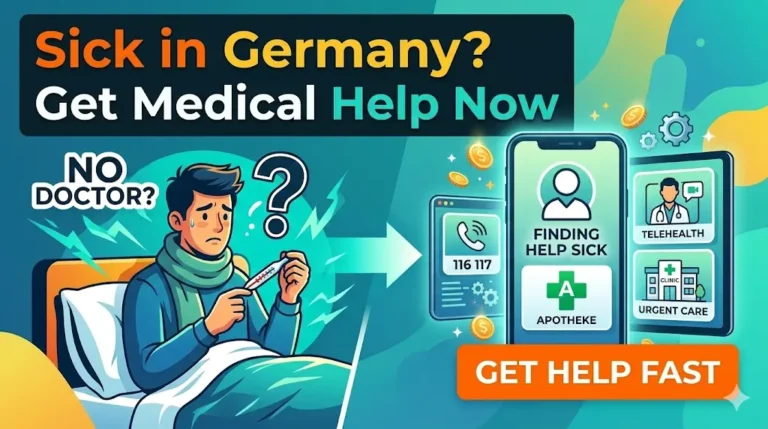
If you are struggling to find a specialist for an urgent issue, you can also call the 116117 hotline directly. While the operators primarily speak German, they are legally mandated to assist you in securing a timely medical appointment.
Leveraging Your Health Insurance Provider
Public Health Insurance Concierge Services
If you are insured under the statutory public health insurance system (Gesetzliche Krankenversicherung or GKV), your provider is an excellent resource for overcoming language barriers. Major public funds like Techniker Krankenkasse (TK), Barmer, and AOK have recognized the massive influx of international workers and have established dedicated English-speaking customer service hotlines.
You can call your public insurance provider directly and request assistance in finding an English-speaking doctor in your specific neighborhood. Their service representatives have access to internal networks and can often provide you with a curated list of local clinics that cater to expats. Some progressive public insurers even offer an appointment booking service (Terminservice), where their staff will call the clinic and secure the time slot on your behalf. To fully maximize the resources available to you, read up on Public Health Insurance gesetzliche Krankenkasse: What It Covers and Costs.
If your current public provider does not offer adequate English support, switching to an expat-friendly fund is highly recommended. Digital brokers like Feather Insurance specialize in helping internationals transition between German health insurance providers effortlessly, ensuring you are paired with a company that speaks your language and understands your unique needs as an expat navigating Healthcare in Germany: A Comprehensive Guide for Expats.
The Private Insurance Advantage
Possessing private health insurance (Private Krankenversicherung or PKV) fundamentally alters your medical experience in Germany, particularly regarding language accessibility. Because private patients generate uncapped, fee-for-service revenue for medical clinics, doctors are highly incentivized to accommodate them. When you call a clinic and state that you are privately insured, you will often find that the staff is suddenly much more willing to accommodate English communication and offer expedited appointment slots.
Furthermore, choosing an expat-focused private insurance provider drastically reduces administrative friction. Digital-first providers like Ottonova are designed explicitly for the international demographic. They offer intuitive, fully English-language mobile apps and maintain dedicated concierge teams. If you need an English-speaking cardiologist or an English-speaking therapist, the Ottonova concierge team will literally find the doctor, call the clinic, and book the appointment for you.
For expats deciding between the statutory and private systems, understanding these concierge benefits is a critical factor. You can explore the income thresholds and eligibility requirements for these premium services in Private Health Insurance in Germany: Benefits, Costs, and Eligibility, or review the structural differences in our master guide on Public vs Private Health Insurance: Which One Should You Choose?.
Alternative Solutions for Medical Consultations
Telemedicine and Virtual Doctors
If you are suffering from a minor illness, a highly contagious cold, or simply need a routine prescription renewal, hunting down a local English-speaking clinic might be an unnecessary hassle. Germany has heavily embraced telemedicine in recent years, making virtual consultations a fully legal and highly efficient alternative.
Telemedicine platforms like TeleClinic, Zava, or Kry operate seamlessly within the German healthcare system. Through these smartphone applications, you can specifically request an English-speaking general practitioner or specialist. You can conduct a secure video call from your apartment, receive expert medical advice, and have a digital prescription routed directly to your local pharmacy.
Crucially, these virtual doctors are fully authorized to issue official digital sick notes (elektronische Arbeitsunfähigkeitsbescheinigung or eAU) to your employer, ensuring your salary is protected while you recover. This completely eliminates the stress of sitting in a German waiting room when you are unwell. To understand your labor rights regarding illness, review Sick Leave in Germany: How to Get a Sick Note Krankmeldung and Your Rights.
Managing Health While Overcoming Barriers
If you absolutely must visit a local doctor who does not speak English, thorough preparation is your best defense. Translating your symptoms, medical history, and current medications into a concise, bulleted German document before you arrive allows the doctor to absorb the necessary information instantly. For a complete blueprint on managing these challenging interactions, explore Seeing a Doctor Who Doesn’t Speak English: Tips for Overcoming Language Barriers.
Often, your first line of medical defense in Germany is not a doctor, but the local pharmacy (Apotheke). German pharmacists are highly trained clinicians who can provide expert advice on minor ailments and dispense powerful, pharmacy-only over-the-counter medications. In major cities, you will almost always find a pharmacist working the counter who speaks excellent English. Understanding how to utilize their expertise is detailed in Pharmacies in Germany: Apotheke vs Drogerie Explained.
For expats who prefer to manage their baseline wellness with specific international supplements, herbal remedies, or specialized vitamins that are either unavailable or prohibitively expensive in local German pharmacies, ordering online is a highly popular workaround. Platforms like iHerb provide an English-language interface and ship a massive catalog of global health products directly to your German address, allowing you to maintain your wellness routine without navigating local retail barriers.
Finally, if you are utilizing private medical services or visiting a specialist as a “self-payer” (Selbstzahler) to secure a faster appointment, you will be issued a private invoice to pay out of pocket. If you are funding these medical expenses using savings from your home country, transferring money via traditional banks will trigger terrible exchange rates and high hidden fees. Utilizing a borderless financial platform like Wise allows you to pay your German medical bills at the real mid-market exchange rate, protecting your wealth from legacy banking markups.
| Booking Method | Language Flexibility | Speed of Securing Appointment | Best Use Case |
| Doctolib / Jameda | High (Language Filters) | Moderate | Finding a permanent local Hausarzt or routine specialist. |
| KBV 116117 Portal | High (Language Filters) | Moderate to Fast | Accessing the official, comprehensive nationwide registry. |
| Insurance Concierge | Very High | Fast | Privately insured expats (e.g., Ottonova) needing expedited care. |
| Telemedicine Apps | Very High | Immediate (Same-day) | Minor illnesses, digital sick notes, and quick prescriptions. |
References
Primary sources (official)
- Kassenärztliche Bundesvereinigung (KBV): The official portal for the National Association of Statutory Health Insurance Physicians, providing the nationwide physician search tool and the 116117 appointment service. https://www.116117.de/de/arztsuche.php
- Federal Ministry of Health (BMG): Official governmental guidelines on statutory health insurance, telemedicine regulations, and patient rights in Germany. https://www.bundesgesundheitsministerium.de/en/en/health-system
Other helpful sources
- Make it in Germany: The official German government platform for international professionals, offering specific, practical checklists for navigating healthcare and finding doctors as an expat. https://www.make-it-in-germany.com/en/living-in-germany/health-healthcare
- Weisse Liste: An independent, non-profit portal operating in cooperation with consumer protection agencies to help patients find quality-checked doctors and hospitals in Germany. https://www.weisse-liste.de/
Disclaimer
The information provided in this article is for general informational and educational purposes only and does not constitute professional medical, financial, or legal advice. Healthcare regulations, insurance coverage rules, and appointment booking procedures in Germany are highly complex and subject to continuous legislative updates. The availability of English-speaking medical staff will vary significantly based on your geographic location (urban versus rural) and specific medical specialty.