Moving to Germany from the UAE and Gulf States: Container Options
Moving your entire life from a vibrant, often tax-free environment like the UAE or other Gulf States to a new chapter in Germany can feel like an Everest-sized task, especially when you start thinking about all your cherished belongings. The sheer logistics of international shipping, dealing with different regulations, and the fear of your possessions getting lost or damaged can be genuinely overwhelming. This guide is here to cut through the confusion and help you understand your container options for a smooth transition, highlighting how a service like Sirelo can simplify this complex journey by connecting you with trusted moving companies.
Disclosure: This post may contain affiliate links. We may earn a commission at no extra cost to you if you make a purchase through these links. Read full disclosure.
Understanding Your Shipping Options from the Gulf to Germany
When you're packing up your life in places like Dubai, Abu Dhabi, Doha, or Riyadh to start anew in Germany, the biggest hurdle often comes down to figuring out how to get your physical possessions across continents. It’s not just about getting them from Point A to Point B; it's about doing it efficiently, safely, and without breaking the bank. Choosing the right container option is the first crucial step in this grand adventure.
Full Container Load (FCL): When You're Moving Everything
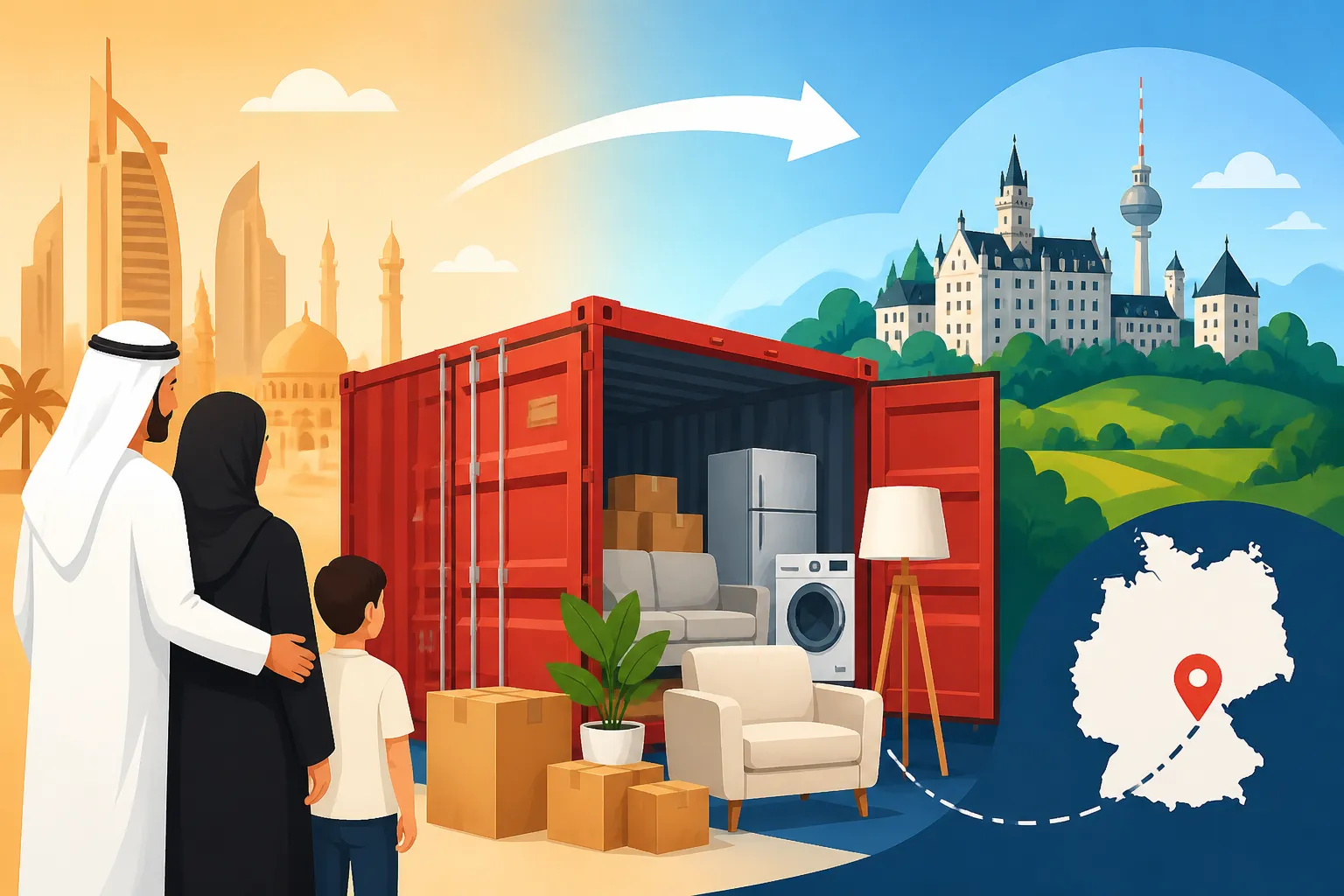
If you’re planning to bring most of your household with you – furniture, appliances, an extensive wardrobe, sentimental items collected over years – then a Full Container Load (FCL) is likely your best bet. With FCL, you get exclusive use of a 20-foot or 40-foot shipping container. This means your belongings are the only ones in that container, sealed at your residence in the Gulf and not opened again until it reaches your new home in Germany (or a customs facility).
The primary advantage of FCL is security and speed. Since it's solely your shipment, there's no need for consolidation or de-consolidation with other people's goods, which significantly reduces the risk of damage or misplacement. It also typically means a faster transit time once the container is loaded onto the vessel, as it doesn't wait for other shipments to fill it up. Imagine not having to worry about your grandmother's antique dresser sharing space with someone else's surfboard! However, this exclusivity comes with a higher price tag. You're paying for the entire container, regardless of whether you fill every cubic meter. For a large family home or someone who has truly accumulated a lot during their time in the Gulf, the cost often justifies the peace of mind and streamlined process. It’s perfect for those who want a dedicated, direct route for their entire home.
Less Than Container Load (LCL): A Smart Choice for Smaller Shipments
Now, if your move is more minimalist – perhaps you’re moving into a furnished apartment in Munich, or you’ve decided to sell off most of your larger items and only bring essentials and cherished smaller pieces – then Less Than Container Load (LCL) shipping could be your saviour. With LCL, your belongings share space within a container with other shipments heading to the same destination region in Germany. Think of it as a shared ride for your goods.
The most appealing aspect of LCL is its cost-effectiveness. You only pay for the volume or weight your items occupy within the container, making it a much more budget-friendly option for smaller loads. This can be a huge relief if you're trying to save some money during your big move. However, there are trade-offs. LCL shipments require more logistical coordination; your goods will be consolidated at a warehouse in the departure port (e.g., Jebel Ali in Dubai) and then de-consolidated at the arrival port in Germany (like Hamburg or Bremerhaven). This extra handling means a slightly higher risk of minor damage, though reputable movers take great care. It also means longer transit times, as the container won't depart until it's full, and once it arrives, your goods need to be separated from others before final delivery. For many expats starting a new life, especially if downsizing, LCL offers a practical and economical solution, proving that you don't always need a whole container to move what matters.
Air Freight vs. Sea Freight: Speed vs. Cost Considerations
Once you've decided on FCL or LCL, the next big choice is how your container will travel: by air or by sea. This decision hinges almost entirely on your priorities: speed or cost. For most international moves from the Gulf to Germany, sea freight is the default, economical option. Shipping a container by sea is significantly cheaper, especially for bulky items and large volumes, purely due to the massive capacity of cargo ships. However, it's a slow journey. Depending on the specific ports and routes, sea freight from the UAE could take anywhere from 3 to 6 weeks, or even longer with customs clearance and transport to your final destination in Germany. If you're okay with living without your possessions for a month or two, this is the way to go.
Air freight, on the other hand, is the sprinter of international shipping. If you need your belongings to arrive quickly – perhaps a critical work tool, specialized equipment, or essential baby items – air freight can get them to Germany in a matter of days. This speed, however, comes at a premium. Air freight is considerably more expensive per kilogram compared to sea freight, making it impractical for an entire household move unless budget is no object. Most expats opt for a hybrid approach: sending the bulk of their goods via sea freight and selecting a small, crucial consignment for air freight if they need it quickly. Understanding this trade-off is key to budgeting and planning your arrival in Germany effectively.
The Logistics of International Container Shipping: What to Expect
Let's be honest, the bureaucratic maze of moving internationally can be daunting. From figuring out what you can even bring into Germany to ensuring it all passes through customs without a hitch, it’s a lot to wrap your head around. But with the right approach and the right partners, it’s entirely manageable. This is where using a platform like Sirelo becomes incredibly valuable, connecting you with experienced movers who handle these complexities daily.
Packing and Preparation: Beyond Just Taping Boxes
Packing for an international move isn't like packing for a local one. It requires meticulous planning and adherence to strict regulations. First and foremost, you need to be acutely aware of customs rules for both your departure country in the Gulf (e.g., UAE, Saudi Arabia) and your destination, Germany. There are lists of prohibited and restricted items that vary by country. For instance, certain electronics, animal products, or even types of wood might have specific import restrictions or require special permits. Moving to Germany from a non-EU country means you'll typically be exempt from import duties on your personal effects, provided you can prove you’ve lived outside the EU for at least 12 months and the items have been in your possession for at least 6 months. Crucially, these goods must be for your continued personal use and cannot be sold or transferred within the first 12 months of import.
Professional packing services are almost a non-negotiable for moves of this scale. Imagine attempting to properly crate a delicate piece of art or secure heavy furniture for a multi-week journey across the ocean. Professional movers use specialized materials and techniques to protect your items from the rigours of transit. They're also expert at creating detailed inventories, which are absolutely vital for customs declarations and insurance claims. Companies found through platforms like Sirelo will guide you through this, ensuring everything is packed to international standards and meticulously documented. Don't underestimate the importance of robust packing; it's the first line of defense for your precious belongings.
Customs Clearance: Navigating Bureaucracy at Both Ends
This is often where many expats feel the most anxiety. Customs clearance can be a black box of paperwork, potential delays, and unexpected costs if not handled correctly. When moving your personal effects to Germany, you’ll typically need documents such as your passport, residence permit for Germany, proof of registration (Anmeldung) once you're there, a detailed packing list (inventory), and forms proving you're relocating and that the goods are indeed personal effects you've owned for a while. You might also need to demonstrate proof of residence in your Gulf country for the preceding year.
The moving company you choose will prepare much of this documentation, but you are ultimately responsible for providing accurate information and signing off on the declarations. Any discrepancies, undeclared items, or missing paperwork can lead to significant delays, storage fees, and even fines. A reputable international mover will act as your intermediary, submitting all necessary forms to German customs (Zoll) and guiding you through any requirements for items like vehicles or valuable art. They’ll clarify which German forms, like the "Antrag auf Steuerbefreiung für Übersiedlungsgut," you’ll need to sign. It’s a process, and patience is key, but with expert help, you can navigate the system much more smoothly.
Delivery and Unpacking in Germany: The Final Mile
Congratulations! Your container has arrived in Germany. But the journey isn’t over yet. The "final mile" delivery can present its own set of challenges, especially if you’re moving into a typical German apartment. Many apartments, especially in older buildings, lack elevators, have narrow stairwells, or specific rules about delivery times. You’ll need to confirm with your building management or landlord any restrictions on large item deliveries.
Most international moving companies offer different levels of service for this stage. "Curbside delivery" means your container or packed boxes are dropped off at the street level of your building, and you're responsible for getting them inside. This is usually the most economical option. "White-glove service," on the other hand, includes bringing boxes into your apartment, placing furniture, unpacking, and even removal of packing debris. This convenience is a godsend after a long, stressful move, but it comes at an additional cost. When comparing quotes on a platform like Sirelo, make sure to clarify exactly what the delivery service includes. Knowing what to expect when your container arrives will prevent last-minute surprises and ensure your carefully moved possessions find their place in your new German home.
Choosing the Right Moving Partner: Why Sirelo Stands Out
Finding a trustworthy international moving company is arguably the most critical decision you'll make in this entire process. You're entrusting them with your entire life's possessions, often worth thousands, if not tens of thousands, of Euros. The horror stories of damaged goods, hidden fees, or vanished containers are enough to keep any expat awake at night. This is precisely why a service like Sirelo exists – to connect you with reliable, vetted movers and give you peace of mind.
Comparing Quotes and Services: More Than Just the Price Tag
When you're gathering quotes for your move from the Gulf to Germany, it's tempting to simply go for the cheapest option. Resist this urge! The lowest price often hides critical exclusions, like insurance, customs duties (which, again, you're usually exempt from for personal effects, but always double-check), or even adequate packing materials. A good quote should be transparent, breaking down costs for packing, transportation, customs handling, and delivery. Look out for fuel surcharges, port fees, and any potential storage costs if there are delays.
On Sirelo, you can easily compare multiple quotes from different movers. This isn't just about comparing numbers; it's about comparing the scope of services offered. Does one company offer comprehensive insurance where another only provides basic liability? Does one include full unpacking service in Germany, while another only offers curbside delivery? Take the time to meticulously review each offer and ask clarifying questions. A reputable mover will be happy to explain every line item. Using a comparison platform helps you avoid those nasty surprises that can turn a seemingly cheap move into a very expensive headache down the line.
Vetted and Reliable Movers: Peace of Mind for Your Valuables
The internet is a vast place, and it's easy to stumble upon unscrupulous movers. How do you know if the company you’re considering is legitimate and trustworthy? This is where platforms like Sirelo become an invaluable asset. Sirelo doesn't just list any moving company; they work with a network of pre-vetted, professional international movers who specialize in routes like the Gulf to Germany. These companies often have years of experience navigating the specific customs regulations and logistical challenges involved.
Beyond pre-vetting, looking at customer reviews and ratings is crucial. Past customer experiences can tell you a lot about a company's reliability, communication, and problem-solving skills. Did they stick to their timeline? Were their staff professional? How did they handle unexpected issues? These insights are invaluable. Entrusting your precious items to a well-reviewed company found through Sirelo means you’re not just hoping for the best; you're making an informed decision based on proven reliability. It's an investment in the safety of your belongings and, frankly, your sanity during this stressful transition. Take the stress out of finding a mover and get your free quotes through Sirelo today.
Costs, Timelines, and Saving Strategies for Your International Move
Moving internationally is a significant financial undertaking, and understanding the various components of the cost and the realistic timelines involved is crucial for effective planning. Getting your financial ducks in a row for your arrival in Germany is just as important as the move itself, so consider reading up on topics like Money Matters in Germany: Complete Financial Guide for Expats and Understanding Taxes in Germany: An Expat’s Guide to the German Tax System to prepare yourself.
Breakdown of Shipping Costs: What You're Really Paying For
The total cost of your container move from the Gulf to Germany isn't just one simple figure. It’s a mosaic of various services and fees. Here's a typical breakdown:
- Volume/Weight: This is the primary driver. As discussed, LCL is based on the space your goods occupy, while FCL is a fixed cost for the entire container.
- Packing Services: The cost of professional packers, materials, and specialized crating for fragile items.
- Transportation (Origin): Moving your packed goods from your home in the Gulf to the departure port.
- Ocean Freight: The actual cost of shipping the container across the sea. This fluctuates based on fuel prices, season, and global shipping demand.
- Port Charges: Fees at both the origin and destination ports for handling, loading, and unloading.
- Customs Clearance Fees: While your personal effects are likely duty-free, there are administrative fees for customs brokerage and processing.
- Insurance: Absolutely essential. This covers loss or damage during transit. It's usually a percentage of the declared value of your goods.
- Transportation (Destination): Moving your container from the German arrival port (e.g., Hamburg, Bremerhaven) to your new home.
- Delivery & Unpacking: As mentioned, this varies from curbside to full white-glove service.
- Storage: If there are delays or you can’t receive your goods immediately, storage fees can quickly add up.
The final cost will depend heavily on the volume of your items, the type of container service (FCL vs. LCL), and the specific services you opt for. Getting comprehensive quotes through Sirelo allows you to compare these breakdowns clearly.
Realistic Timelines: Patience is a Virtue
Moving from the Gulf states to Germany by sea freight is a marathon, not a sprint. While the actual transit time on the water might be 3-4 weeks, you need to factor in a whole lot more:
- Pre-Move Survey & Quoting: 1-2 weeks
- Packing & Loading: 1-3 days (depending on volume)
- Transport to Port & Customs Clearance (Origin): 1 week
- Waiting for Vessel Departure: 1-2 weeks (especially for LCL)
- Ocean Transit: 3-6 weeks
- Arrival at German Port & Customs Clearance: 1-2 weeks (longer if documents are incomplete)
- Transport to Your Home & Delivery: 3-7 days
Realistically, you should expect your goods to arrive at your German doorstep anywhere from 6 to 10 weeks after they've been picked up from your old home. For LCL shipments, add another 1-2 weeks due to consolidation and de-consolidation. Air freight, of course, drastically cuts down transit time to a few days, but the overall door-to-door process including packing and customs might still take 1-2 weeks. Planning for these longer timelines is crucial, so don't expect your entire household to be waiting for you the day you arrive.
Tips for Budgeting Your International Move
Moving can be expensive, but there are ways to manage the costs:
- Declutter Ruthlessly: The less you ship, the less you pay. This is the golden rule. Go through everything and ask yourself: "Do I truly love this? Is it essential? Can I easily replace it in Germany?" Consider selling or donating items that aren't worth the shipping cost.
- DIY for Non-Fragile Items: While professional packing is recommended for most things, you might save a bit by packing non-fragile items like clothes, books, and linens yourself. Ensure you still use high-quality boxes and materials.
- Compare Multiple Quotes: Use platforms like Sirelo to get at least 3-5 different quotes. This isn’t just about price, but about finding the best value and service fit for your specific needs.
- Be Flexible with Dates: If possible, avoid peak moving seasons (e.g., summer holidays). Shipping rates can be lower during off-peak times.
- Understand Insurance Options: Don't skimp on insurance, but understand what kind of coverage you're getting. Is it based on depreciated value or replacement cost?
- Factor in "First Weeks" Costs: Budget for essentials you'll need in Germany before your shipment arrives. Think about short-term accommodation, basic kitchenware, and temporary furniture. If you’re unsure about getting set up, our guide on Settling in Quickly: A Newcomer’s Checklist for Your First Weeks in Germany can help.
- Research German Import Rules for Personal Effects: Confirming your eligibility for duty-free import of "Übersiedlungsgut" (household effects) will prevent unexpected tax bills. Our article on Moving Your Belongings to Germany: Customs Duties and Tax-Free Imports for New Residents delves deeper into this.
By carefully planning, budgeting, and leveraging reliable resources like Sirelo, you can ensure your move from the Gulf to Germany is as smooth and stress-free as possible.
Disclaimer
Please remember that while this guide aims to provide comprehensive and up-to-date information, immigration laws, customs regulations, and service offerings can change. Always consult with official German government sources (like the Federal Ministry of Finance or the German customs office – Zoll), your specific moving company, and potentially a legal advisor for the most current and personalized advice relevant to your situation. This guide is for informational purposes only and does not constitute legal or professional advice.