Quiet Hours and Sundays in Germany (Ruhezeit)
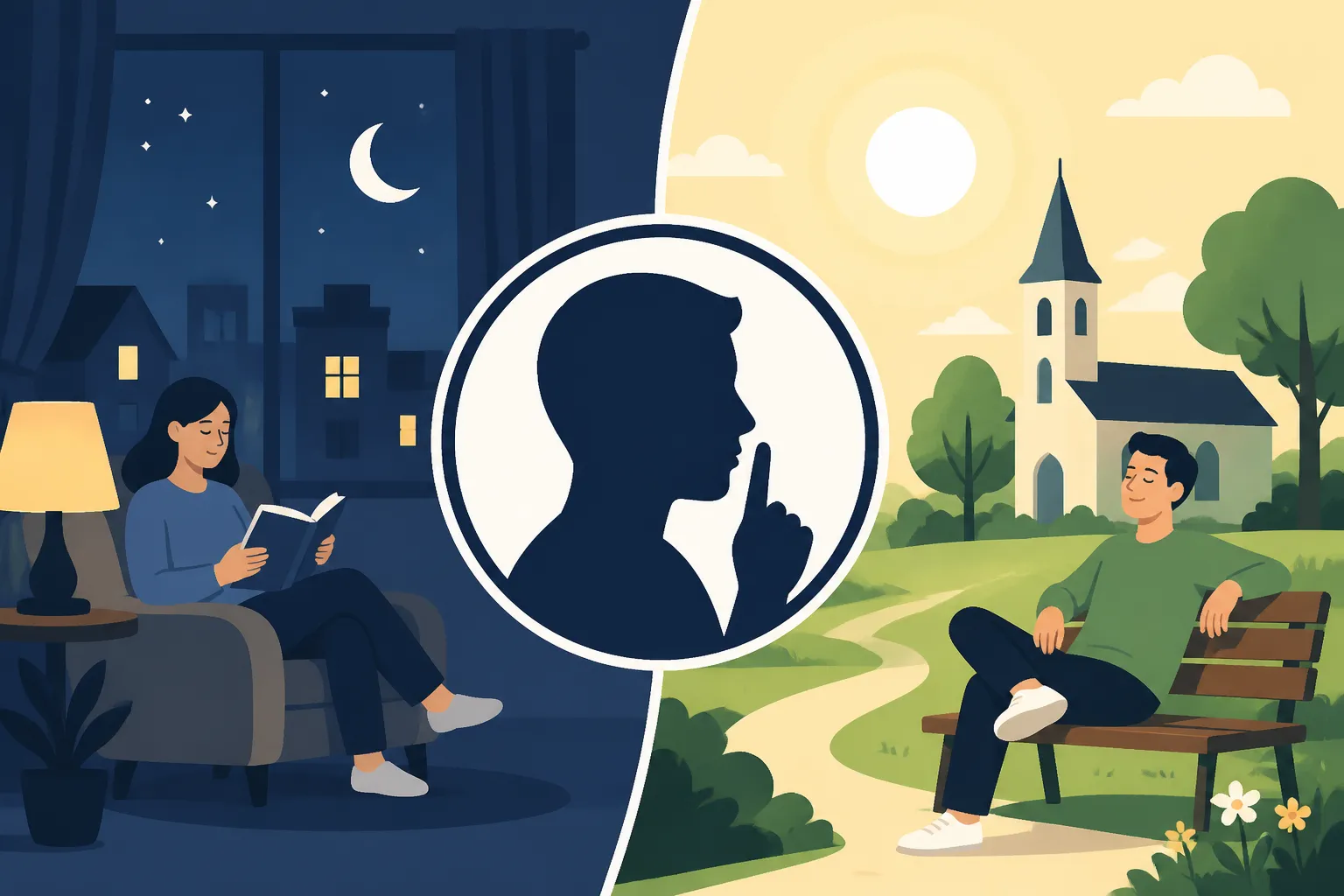
Arriving in Germany as an expat or traveler often comes with a sudden cultural reality check: the complete silence that falls over neighborhoods on Sundays and late evenings. You might plan to hang a painting, wash your clothes, or buy groceries on a Sunday afternoon, only to discover that doing so breaches local regulations or triggers a firm knock on your door. This guide breaks down everything you need to know about German quiet hours (Ruhezeit), Sunday closures, and how to navigate these local customs smoothly without breaking the rules or alienating your neighbors.
Disclosure: This post may contain affiliate links. We may earn a commission at no extra cost to you if you make a purchase through these links. Read full disclosure.
Understanding Ruhezeit: The Unspoken Rules of German Quiet Hours
Moving to Germany means adjusting to a society where silence is actively protected by custom, contract, and statutory law. The concept of Ruhezeit (quiet hours) is deeply embedded in the national consciousness, functioning as a communal agreement to ensure everyone has access to rest. For newcomers used to 24/7 convenience and bustling weekend activity, these rules can initially feel oppressive, but understanding their roots helps you navigate daily life without unnecessary stress.
The Legal Framework and Daily Schedule
Ruhezeit is not merely an informal neighborhood courtesy; it is grounded in a combination of federal environmental legislation, state laws (Landesimmissionsschutzgesetze), and municipal ordinances. Across most of Germany, night quiet hours (Nachtruhe) are legally mandated from 10:00 PM to 6:00 AM or 7:00 AM every day. During this timeframe, any noise that exceeds “room volume” (Zimmerlautstärke)—meaning sound that can be clearly heard outside your personal living space—is legally prohibited.
In many communities, an afternoon rest period (Mittagsruhe) historically operated between 1:00 PM and 3:00 PM. While federal statutes have relaxed mandatory afternoon quiet hours in recent decades, many local municipalities, individual lease agreements, and housing associations still enforce them. It is crucial to review local guidelines because operating power tools or playing loud music during these hours can trigger formal complaints from neighbors.
Understanding how these hours are observed helps prevent culture shock. For instance, if you plan to move into a new apartment, all heavy lifting and furniture assembly must pause strictly when Nachtruhe begins. Staying mindful of these boundaries is an essential part of learning German Social Etiquette for Visitors: Greetings and Punctuality and building positive relationships with your local community.
The Sacred Sunday Rest Day (Sonn- und Feiertagsruhe)
If weekday quiet hours require moderate mindfulness, Sundays and public holidays (Feiertage) demand near-total peace. Protected by the German Basic Law (Grundgesetz), Sunday is officially designated as a day of spiritual elevation and work rest (Sonn- und Feiertagsruhe). This means that for 24 hours—from midnight on Saturday to midnight on Sunday—the entire country slows down to a crawl.
During Sonn- und Feiertagsruhe, all noisy commercial, industrial, and domestic activities are prohibited. You cannot mow your lawn, use a power drill, recycle glass bottles in street containers, or perform heavy construction work. Even activities like washing your car on your private driveway or using high-powered lawn equipment are banned by local ordinances in almost all federal states.
Understanding What Closes on Sundays in Germany? is essential for surviving your first few months. The Sunday quiet period is taken so seriously that even commercial trucking is largely restricted on the Autobahn during Sundays to maintain low traffic noise, highlighting just how deeply quiet rest is woven into German infrastructure.
The Infamous Hausordnung in Rental Buildings
Beyond state and federal law, the most direct rules governing your daily life will appear in your apartment building’s rules and regulations, known as the Hausordnung. Attached directly to your lease contract, this document defines the precise boundaries of acceptable behavior within your residential complex.
The Hausordnung often specifies exact quiet hours that may be stricter than general municipal laws. It might dictate specific hours during which you can run a washing machine, practice musical instruments, or let your children play in shared courtyard spaces. Familiarizing yourself with these clauses is an essential step when navigating Understanding German Rental Contracts: Key Terms and Conditions.
Ignoring the Hausordnung carries real consequences. Repeated violations after formal warnings (Abmahnung) can lead to the termination of your lease under German Tenant Rights and Laws: What Expats Need to Know. Taking the time to read this agreement when you move in saves you from awkward confrontations with property managers and neighbors.
| Time Period | Typical Standard Hours | Permitted Noise Levels |
|---|---|---|
| Night Rest (Nachtruhe) | 10:00 PM – 6:00/7:00 AM Daily | Room volume only (Zimmerlautstärke) |
| Afternoon Rest (Mittagsruhe) | 1:00 PM – 3:00 PM (If applicable) | Reduced volume; no power tools |
| Sunday & Holidays (Feiertagsruhe) | All Day Sunday & Public Holidays | Strict rest; no DIY, lawnmowers |
| Regular Weekday Hours | 7:00 AM – 10:00 PM (Mon-Sat) | Normal household activity levels |
Sunday Closures: Navigating the German Sunday Shutdown
One of the most noticeable side effects of Germany’s commitment to rest is the widespread shutdown of retail businesses every Sunday. For travelers and new residents accustomed to weekend shopping trips, the sudden silence of commercial districts can come as a surprise.
The Shop Closing Law (Ladenschlussgesetz)
The reason major retailers, clothing stores, and supermarkets are closed on Sundays traces back to the historical Ladenschlussgesetz (Shop Closing Law). Originally enacted to protect retail workers from grueling schedules and ensure family time, this legislation strictly regulates when commercial establishments are allowed to operate.
While individual federal states now have the authority to set their own shop closing times on weekdays and Saturdays, the constitutional protection of Sunday remains universally enforced. With very few exceptions, retail shops must remain closed throughout the day across every state in Germany.
This legal framework forces a shift in personal habits. Saturday afternoons in German city centers are frequently crowded because residents must complete all their grocery shopping and errands before stores close on Saturday evening and remain shut until Monday morning.
Finding Open Supermarkets, Pharmacies, and Essentials
While most high-street shops close down, you will not be completely stranded if you run out of essential supplies on a Sunday. The law allows specific exemptions for travel hubs and essential public services, creating small pockets of retail activity across major cities.
Supermarkets located inside major railway stations (Hauptbahnhof), international airports, and select petrol stations are permitted to open on Sundays. These locations cater directly to travelers and stranded locals, though you should expect longer queues and slightly reduced product selections compared to regular neighborhood markets.
For healthcare needs, you can rely on designated emergency pharmacies (Notdienst Apotheke). On Sundays and public holidays, neighborhood pharmacies take turns running 24-hour emergency services. You can easily locate the open pharmacy in your area via online directories or by checking the printed notice posted on the window of any local pharmacy shop front.
Embracing Sunday Culture: Spaziergang, Kaffee und Kuchen
Rather than treating Sunday as an inconvenience, locals use the forced pause to slow down and recharge. Understanding how Germans spend their Sundays provides a window into local lifestyle values.
The traditional Sunday walk (Sonntagsspaziergang) is an established tradition across the country. Parks, botanical gardens, river banks, and forest trails fill up with families, couples, and dog owners enjoying nature. It is a quiet, meditative habit designed to reset your mental space before the upcoming work week.
Another classic Sunday tradition is Kaffee und Kuchen (coffee and cake). Mid-afternoon on Sundays, families and friends gather at home or in local bakeries and cafés—which are legally allowed to open for limited hours on Sundays—to enjoy fresh pastries and filter coffee. Embracing these small rituals makes adapting to quiet Sundays a rewarding cultural experience rather than a weekly hurdle.
What You Can and Cannot Do During Quiet Hours
Navigating Ruhezeit requires a practical understanding of which everyday actions are completely acceptable and which ones will prompt an immediate complaint. The distinction generally comes down to whether an activity creates vibrations or sound waves that breach apartment walls.
Household Appliances, DIY, and Renovations
Home improvement projects are a primary source of neighborhood tension during quiet hours. Operating a power drill, using a hammer, sanding floors, or assembling heavy wooden furniture are strictly forbidden during Nachtruhe, Mittagsruhe (if enforced in your building), and all day on Sundays.
When it comes to household appliances, the rules require common sense. Running a modern, quiet dishwasher late at night is usually acceptable, provided it does not vibrate against shared walls. However, running a washing machine during its high-speed spin cycle at 11:00 PM is a frequent trigger for noise complaints, especially in older apartment buildings with thin flooring.
If your work schedule makes weekday laundry difficult, look at your building’s house rules or run your machines during standard weekday hours. If you are doing essential maintenance, limit noisy tasks to Monday through Saturday between 8:00 AM and 12:00 PM, or 3:00 PM and 7:00 PM to stay comfortably within social norms.
Socializing, Music, and Outdoor Gatherings
Socializing at home during quiet hours requires careful noise management. While you are fully allowed to have guests over late into the evening, the volume of conversation, music, and activity must drop significantly once 10:00 PM hits.
Listening to music or watching television during Nachtruhe is entirely fine, provided the audio remains at “room volume.” If you are hosting a dinner party or small celebration that extends past 10:00 PM, move the gathering indoors, close your balcony doors and windows, and ask guests to keep their voices at a moderate conversational level.
Balcony culture is popular during German summers, but outdoor sound carries easily between buildings. Laughing loudly, playing background acoustic music, or scraping patio chairs on a balcony after 10:00 PM will likely draw complaints from neighboring windows.
Pets, Children, and Unavoidable Daily Noise
German courts have consistently established that certain natural life sounds are legally protected and must be tolerated by neighbors, even during official quiet hours. Understanding these legal protections prevents unnecessary anxiety for families and pet owners.
Noise generated by young children—such as crying, babbling, or play sound—is legally considered a natural part of human development. Neighbors cannot legally force you to keep an infant quiet during Nachtruhe, nor can landlords penalize you for normal toddler activity. However, parents are still expected to take reasonable steps to prevent excessive stomping or indoor ball games during rest periods.
Dog ownership comes with slightly different responsibilities. While occasional barking is tolerated, continuous barking lasting longer than 10 to 15 minutes, or intermittent barking over several hours during quiet periods, can be classified as a noise violation. Pet owners are expected to train their pets or manage indoor environments to ensure pets do not disturb the building’s rest.
Managing Disputes and Neighborly Expectations
Even with the best intentions, living in Germany means you will likely encounter a noise dispute or receive feedback from a neighbor at some point. Learning how to handle these interactions calmly helps keep minor misunderstandings from escalating.
Decoding Passive-Aggressive Letters and Door Knocks
Directness is a hallmark of German communication, but noise complaints can take several forms. Sometimes, a neighbor will knock directly on your door late at night to inform you that your TV is too loud or your party needs to wind down.
In other cases, neighbors might leave a typed or handwritten note (Zettel) taped to your door, placed in your mailbox, or posted in the building’s main hallway (Treppenhaus). These notes can range from polite reminders about Hausordnung to stern warnings referencing specific legal codes.
If you receive a note or a knock, try not to react defensively. Simply apologize briefly, adjust the volume or cease the activity immediately, and make a note of the time for future reference. Resolving issues amicably at this stage prevents formal complaints to your landlord.
What Happens When the Police (Ordnungsamt) Get Involved
If noise persists during Nachtruhe or on Sundays without resolution, neighbors may call the police (Polizei) or the local public order office (Ordnungsamt). This is particularly common with late-night parties or aggressive weekend DIY work.
If officers arrive at your door regarding a noise complaint, they will politely but firmly request that you stop the disturbance immediately. In most initial scenarios, officers issue a simple warning without formal financial penalties.
However, if officers are called back to your address a second time during the same night, they have the authority to confiscate sound equipment, issue administrative fines (Bußgeld), or cite you for an administrative offense. Consistently triggering police visits will also lead to immediate legal trouble with your landlord under How to Deal With Noisy Neighbors in a German Building.
Proactive Communication Strategies for Expats
The best way to manage noise disputes is to prevent them through proactive communication. Building a friendly relationship with your immediate neighbors makes them far more likely to approach you directly rather than filing formal complaints.
If you plan to host a special gathering—such as a birthday dinner or housewarming party—notify your neighbors a few days in advance. Placing a small, polite note in the hallway informing everyone of the date, apologizing in advance for any potential noise, and offering a contact phone number works wonders.
Most neighbors will appreciate the advance warning and exhibit far more patience. On the flip side, if you are planning home improvements, let your neighbors know when the noisy work will take place and assure them that all work will strictly pause during quiet hours and on Sundays.
Travel and Leisure Strategy for Quiet Sundays
A quiet Sunday does not mean you have to stay indoors all day. With proper planning, weekends offer great opportunities to travel, explore, and experience the cultural side of Germany.
Navigating Public Transport and Weekend Travel Logistics
Public transportation operates continuously on Sundays and public holidays, though usually on a modified weekend schedule. Long-distance trains, regional transport, and inner-city networks run smoothly, making Sundays an ideal time for day trips.
When organizing weekend regional trips, checking platform schedules in advance is recommended because frequencies may be reduced on rural routes. Using digital booking services like Omio makes comparing regional train connections and long-distance bus routes straightforward on quiet weekend mornings.
Whether you are catching an early morning train or commuting across town, remember that transit hubs remain open and active while residential areas sleep. You can easily navigate city transit systems by consulting guides like Getting Around German Cities: U-Bahn, S-Bahn, Trams, and Buses to keep your journey stress-free.
Sightseeing and Leisure Activities That Stay Open
While high-street retail shuts down completely, the tourism, entertainment, and hospitality sectors remain lively on Sundays. In fact, Sunday is one of the busiest days for cultural activities across Germany.
Museums, art galleries, castles, thermal spas, and theaters open their doors to visitors every weekend. Restaurants, cafés, traditional beer gardens, and bakeries also operate, offering ideal spots to relax after a morning of sightseeing.
If you are planning to visit popular landmarks or museum clusters on a Sunday, booking entry tickets ahead of time through platforms like GetYourGuide guarantees your entry slot and helps you bypass long lines at popular city venues.
Accommodation Considerations for Weekend Stays
If you are traveling through Germany on a weekend, choosing the right accommodation can impact your overall experience, especially when navigating quiet Sunday hours.
When booking hotels or short-term holiday apartments, check check-in logistics carefully. Because small guesthouses or independent boutique hotels may operate with reduced front-desk staff on Sunday afternoons, confirming your arrival time in advance prevents check-in delays.
Checking listings on Booking.com allows you to filter for hotels offering 24-hour reception desks or automated self-check-in systems. Furthermore, staying in central accommodation makes it easy to walk to open restaurants and cultural sites without relying on sparse Sunday night bus schedules.
Comparing German Quiet Culture with International Standards
To fully understand Germany’s legal approach to quiet hours, it helps to compare it with international standards and recognize the subtle regional differences across the country’s sixteen federal states.
Germany versus International Convenience Models
Expats arriving from countries with 24-hour commercial cultures—such as the United States, Canada, the United Kingdom, or various East Asian nations—often experience significant culture shock during their first few weeks in Germany. In many global capitals, late-night grocery shopping, Sunday retail events, and late-hour home improvement work are common.
In Germany, legal priority is given to collective societal recovery and employee rest rather than unlimited consumer availability. While this model requires more personal planning, many long-term expats eventually come to appreciate the enforced weekly break, finding that it encourages a healthier work-life balance and a slower pace on weekends.
Understanding that Sunday closures are designed to protect workers’ family time changes your perspective. Rather than viewing the system as an inconvenience, it becomes easier to see it as a intentional social choice that places human well-being above continuous economic activity.
Regional Differences Across German Federal States
While the overall framework of Ruhezeit and Sunday rest is national, local enforcement and specific holiday rules vary depending on where you live in Germany.
Southern, traditionally Catholic states like Bavaria and Baden-Württemberg enforce strict regulations regarding public quiet and shop closing times. These states also observe a higher number of religious public holidays throughout the year, during which all shops close and strict quiet rules apply.
In contrast, northern states and major urban hubs like Berlin and Hamburg often display a slightly more relaxed attitude toward evening activity and offer more retail flexibility during special event weekends. To keep track of how local holidays impact store schedules in your region, refer to our comprehensive overview of German Public Holidays: How They Affect Life and Work.
| Activity | Permitted During Quiet Hours? | Special Conditions / Exceptions |
|---|---|---|
| Power Drilling & Heavy DIY | No | Weekdays 8 AM – 7 PM only |
| Vacuuming & Cleaning | Moderate | Allowed on weekdays; avoid Sunday |
| Running Washing Machine | Yes (With care) | Avoid late night high-spin cycles |
| Throwing Glass Bottles in Bins | No | Prohibited on Sundays and at night |
| Mowing the Lawn | No | Prohibited on Sundays and holidays |
| Hosting Guests | Yes | Voices must drop after 10:00 PM |
| Children Playing Outdoors | Yes | Legally protected noise source |
| Restaurant & Café Visits | Yes | Hospitality exempted on Sundays |
| Grocery Shopping | No (Mostly) | Train stations & airports open |
Mastering the Rhythms of German Daily Life
Adapting to Germany’s quiet hours and Sunday rest rules requires a shift in how you organize your weekly routines. What initially feels like a restrictive web of regulations slowly turns into a predictable lifestyle rhythm once you establish new habits.
Plan your grocery shopping and household errands for mid-week evenings or Saturday mornings, leaving your Sundays free for relaxation, outdoor exercise, or social lunches. Keeping your DIY tools safely stored away on weekends keeps your neighborhood interactions friendly and pleasant.
By respecting Ruhezeit, you demonstrate cultural mindfulness and integrate smoothly into your new local environment. Embrace the quiet moments, enjoy your Sunday Kaffee und Kuchen, and make the most of the peaceful atmosphere that defines life in Germany.
Disclaimer
This article is for general informational purposes only and does not constitute professional advice. Laws, prices and regulations vary by location and change over time. Consult a qualified professional for guidance on your specific situation.