How to Find Local Crafts and Artisan Products in Germany
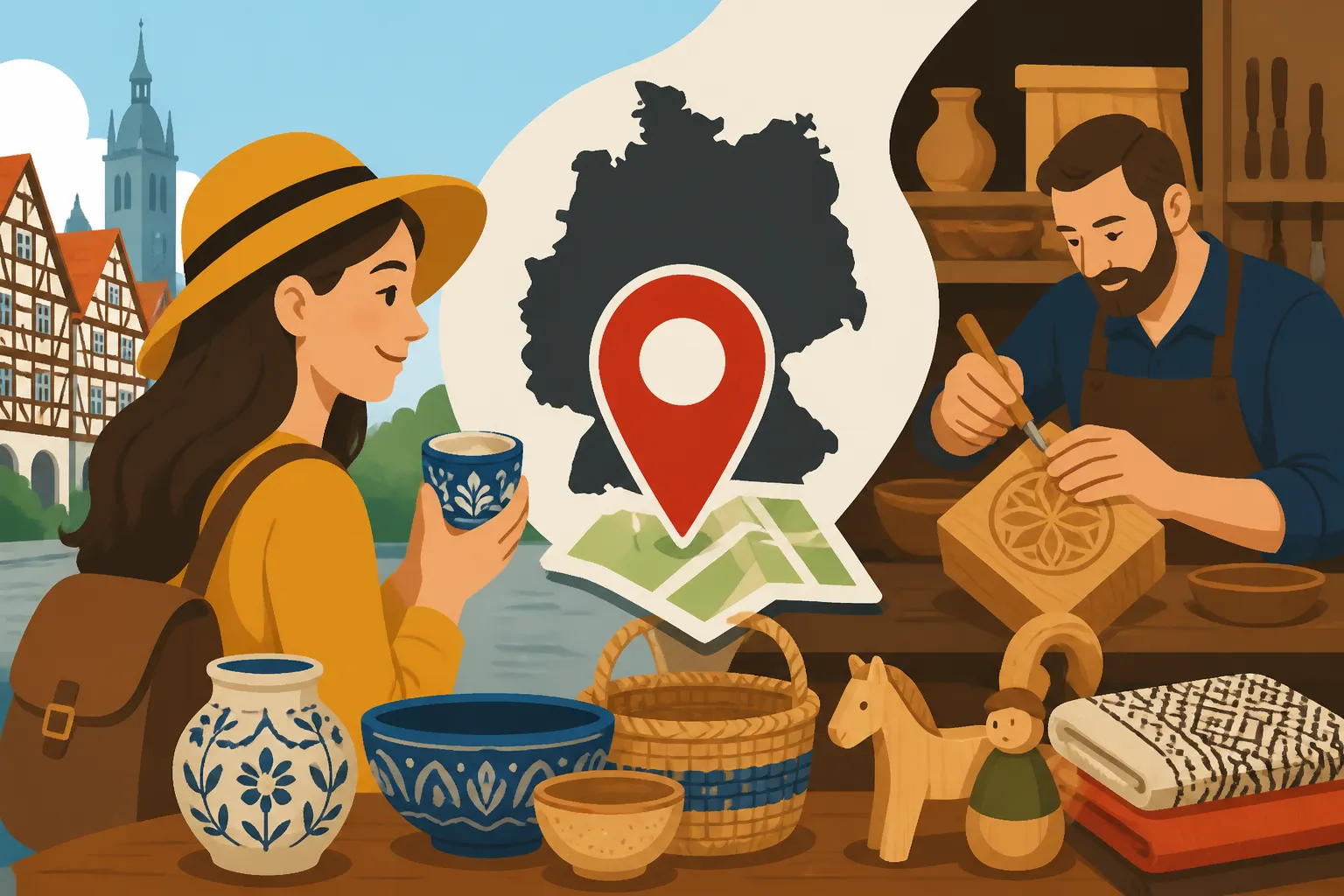
Oh, the joy of finding that perfect souvenir in Germany, isn't it? Not a mass-produced fridge magnet you could buy anywhere, but something truly unique, something that whispers tales of its origins and the hands that crafted it. Many of us expats, and even seasoned tourists, initially struggle to distinguish between genuine local craftsmanship and the ubiquitous tourist tat. This guide is here to cut through the noise, helping you discover where to unearth authentic German artisan products, appreciate their value, and bring a piece of genuine German culture home with you.
Disclosure: This post may contain affiliate links. We may earn a commission at no extra cost to you if you make a purchase through these links. Read full disclosure.
The Allure of German Handcrafts: Beyond the Souvenir Shop
When you first arrive in Germany, you might think "souvenirs" are limited to steins, cuckoo clocks, and miniature Brandenburg Gates. And yes, those are certainly available. But true German craftsmanship runs so much deeper, woven into the fabric of regional identity and centuries of tradition. It's about seeking out the unikat, the one-of-a-kind item, rather than the mass-produced trinket. It's an adventure, really, an exploration into Germany's creative soul that goes far beyond the typical tourist shops clustered around major landmarks.
What Makes German Artisan Products Unique?
What sets German artisan products apart is often a blend of regional specificity, high-quality materials, and a deep respect for historical techniques. Take, for instance, the Erzgebirge region in Saxony, famous for its intricate wooden folk art. Here, you'll find delicate "Smoker men" (Räuchermänner), nutcrackers (Nussknacker), and Christmas pyramids (Weihnachtspyramiden) that aren't just decorative; they carry generations of storytelling and highly specialized carving skills. Each piece is typically crafted by hand, often in small family workshops, ensuring a level of detail and character that factory-made items simply can't replicate.
Beyond wood, Germany boasts a rich heritage in ceramics, particularly stoneware (Steinzeug), known for its durability and distinctive glazes. You'll encounter stunning pottery from the Westerwald region or the more delicate, painted porcelain from Meissen. Textiles also hold their own, from traditional Trachten (folk costumes) in Bavaria to fine linens and contemporary felt creations. Think of intricate lace from Plauen or the robust, natural wool products from the Swabian Alb. These aren't just things; they're expressions of local identity, born from the resources and traditions of their specific landscapes. Many artisans today are also blending these age-old techniques with modern designs, creating contemporary pieces that are both functional and incredibly beautiful.
The commitment to quality is paramount. German artisans are often meticulous about their materials, sourcing local wood, clay, or wool whenever possible. This dedication isn't just about aesthetics; it's about creating products that last, pieces you can cherish for years, or even pass down. It's a stark contrast to the throwaway culture, emphasizing longevity and sustainability before those terms even became buzzwords. This makes each purchase not just a transaction, but an investment in art, culture, and enduring quality.
Why Authentic Crafts Are Worth Seeking Out
There's a real satisfaction that comes from holding a piece of pottery, wearing a handmade scarf, or displaying a carved figurine, knowing that skilled hands shaped it with care and passion. When you choose an authentic artisan product, you're not just buying an object; you're supporting local artists, preserving traditional crafts, and taking home a truly meaningful piece of your German experience. It’s about ethical consumption, about ensuring that the craftspeople who keep these traditions alive can continue their work.
These items also make for profoundly personal and memorable gifts. Imagine gifting a friend a unique, hand-painted ceramic mug from a small studio in Bavaria rather than a generic mug from a airport gift shop. The story behind the item, the journey you took to find it, and the artistry embedded within it add immense value. It becomes a conversation starter, a tangible connection to a specific time and place. These are the kinds of items that spark joy and nostalgia long after the trip is over, serving as a genuine link to your time spent in Germany.
Moreover, engaging with artisans, even if through a language barrier, can be a delightful cultural immersion. You might learn about their techniques, the local materials they use, or the stories behind their designs. It's a way to connect with the local community on a deeper level, stepping away from the well-trodden tourist paths. This personal interaction often makes the item even more special, imbuing it with a memory that goes beyond its material form. It's a testament to the fact that genuine travel experiences often lie in these small, human-centered discoveries.
Where to Uncover Germany's Hidden Craft Gems
Finding authentic crafts means knowing where to look, and often, it means venturing a little off the beaten path. Forget the big chain stores; the real treasures are found in places where local culture thrives and community spirit is strong.
Christmas Markets (Weihnachtsmärkte) and Seasonal Fairs
Hands down, one of the best times and places to find incredible German craftsmanship is at the Christmas Markets and Festive Germany. From late November through December, cities and towns across Germany transform into magical winter wonderland villages, each hosting its own unique Weihnachtsmarkt. While some stalls will inevitably sell mass-produced items, many are dedicated to genuine artisans showcasing their seasonal wares. You'll find a dizzying array of handcrafted ornaments, carved wooden figures (like the famous ones from the Erzgebirge, as mentioned earlier), unique ceramic decorations, hand-knitted scarves, and artisanal candles. The sheer volume and variety are unparalleled.
For example, the Nuremberg Christkindlesmarkt, one of Germany’s most famous, has specific sections for local crafts. Smaller, more regional markets, like those found in Rothenburg ob der Tauber or Freiburg, often have an even higher concentration of local artisans from the surrounding areas. Beyond Christmas, keep an eye out for other seasonal fairs throughout the year – spring markets, harvest festivals (Erntedankfeste), or medieval festivals. These events are often platforms for local artists to sell their work, from pottery and jewelry to leather goods and woven baskets. Always check local event listings for "Handwerkermarkt" or "Kunsthandwerkermarkt" in the area you’re visiting. You might even find historical recreation markets, particularly in smaller towns, where artisans in period costumes demonstrate and sell their traditional crafts, offering both a cultural experience and a chance to buy unique items.
Local Markets and Weekly Markets (Wochenmärkte)
While many weekly markets (Wochenmärkte) are primarily focused on fresh produce, flowers, and local delicacies, it's not uncommon to find stalls selling artisan goods mixed in. Think beyond the food. In larger cities, certain markets might have a dedicated "Kunsthandwerk" (arts and crafts) section, or you might spot a lone potter, jeweler, or textile artist nestled amongst the fruit and vegetable vendors. These smaller, community-focused markets are perfect for finding unique, everyday items that are both beautiful and functional.
For instance, Berlin has several weekly markets that feature artisan stalls, especially on weekends. The Winterfeldtmarkt in Schöneberg or the Kollwitzmarkt in Prenzlauer Berg often host local designers and craftspeople alongside organic food producers. These markets offer a different vibe from the larger Christmas markets – more subdued, perhaps, but with a strong emphasis on local, sustainable products. It’s also an excellent way to soak in the local atmosphere and interact with the community. Many smaller towns will also have a "Wochenmarkt" in their main square on certain days, and these are often excellent places to discover truly local treasures. Exploring these local markets is also a fantastic way to immerse yourself in German Food Culture: Eating and Drinking as a Visitor, as you can grab a bite while browsing.
Dedicated Artisan Shops and Studios
This is where the real deep dive begins. Many smaller towns and historic villages are home to individual artisan studios or co-operative shops where local craftspeople sell their wares directly. These are often tucked away on charming side streets, identified by a simple sign that says "Handwerk" or the artist's name. The benefit here is direct interaction with the maker, who can often tell you about their process, materials, and inspiration.
A perfect example is the town of Monschau in the Eifel region, known for its historic half-timbered houses and numerous artisan workshops, particularly glassblowers and candlemakers. Or, if you're interested in traditional pottery, heading to Höhr-Grenzhausen in the Westerwald, often called the "Kannenbäckerland" (jug bakers' land), will put you right in the heart of Germany's stoneware tradition. You'll find small family-run workshops and even museums dedicated to the craft. Don't be shy to step inside these smaller shops, even if your German isn't perfect; a smile and a gesture often go a long way. Many artisans are proud to show off their work. These places are often located in some of Germany's Most Beautiful Small Towns to Visit, making a visit a delightful experience in itself. Using a service like Omio to plan your train or bus journey can make reaching these charming, smaller locales much easier.
Another great way to find these places is through local tourism offices (Touristeninformation). They often have lists or maps highlighting local artists and craft shops. Sometimes, you'll even find signs on roads leading into small villages indicating "Handwerk" or specific crafts like "Töpferei" (pottery) or "Glasbläserei" (glass blowing). These small, independent businesses are the backbone of local craft traditions, and supporting them directly means your money goes straight to the people keeping these skills alive.
Online Platforms and Craft Fairs
While the joy of discovery is often in the physical hunt, modern technology can also help you find German artisan products. Platforms like Etsy feature many German sellers, allowing you to filter by location or specific craft. However, be mindful that not everything on Etsy is strictly local or handcrafted, so do your due diligence. More specialized German online shops or marketplaces might also exist, often specific to a region or type of craft.
For those who enjoy a more curated experience, larger craft fairs and design markets are held throughout the year in major cities. Events like the "EUNIQUE – Arts & Crafts" fair in Karlsruhe or regional "Designmärkte" showcase a broader range of contemporary and traditional crafts from across Germany. These events are often ticketed but offer a fantastic opportunity to see a wide variety of work under one roof and meet the artists. Keeping an eye on local city event calendars or arts and culture websites can tip you off to these larger gatherings. If you're planning a trip specifically around a craft fair, make sure to book your accommodation in advance through platforms like Booking.com, especially for popular events, as good spots fill up quickly. You might even find specialized tours on GetYourGuide that focus on art and craft experiences in certain cities, offering a guided approach to discovering local talent.
Here's a quick comparison of venues:
| Venue Type | Best For | Pros | Cons |
|---|---|---|---|
| Christmas Markets | Seasonal, decorative items (wood, glass, ceramics), festive atmosphere | Wide selection, often concentrated, unique gift ideas, cultural experience | Very crowded, can be touristy, only available seasonally |
| Local/Weekly Markets | Everyday artisan goods (jewelry, small textiles, pottery), local produce | Authentic local feel, direct interaction with makers, community vibe | Smaller selection of crafts, limited opening hours, not craft-focused |
| Artisan Shops/Studios | Specific crafts (glass, pottery, wood), direct from the maker | High authenticity, personalized experience, unique custom pieces | Requires dedicated search, may be in remote locations, limited variety |
| Online Platforms | Convenience, niche items, comparison shopping | Access to wider range, available anytime, can support small businesses | Less personal, difficult to assess quality in person, shipping costs |
| Large Craft Fairs | Diverse contemporary & traditional crafts, design-focused | Curated selection, high quality, opportunity to meet many artists | Often ticketed, less "local" feel than smaller markets, less frequent |
Navigating the Hunt: Tips for Expats and Tourists
Finding that perfect handcrafted item can be an incredibly rewarding experience, but a little preparation and cultural understanding can go a long way in making your hunt successful and enjoyable. Remember, Germany’s craft scene is often about quiet tradition, not loud sales pitches.
Asking the Right Questions
When you’re standing in front of a beautiful display, and your German is, well, basic at best, it can feel daunting to engage the artisan. But don't let the language barrier deter you. Most German craftspeople appreciate genuine interest. Simple phrases can go a long way: "Ist das handgemacht?" (Is this handmade?) or "Woher kommt das Material?" (Where does the material come from?). Even if you just point and ask "Handarbeit?" (Handwork?), they will usually understand and either nod enthusiastically or explain in broken English (or German) about their process. Many artisans in tourist areas, especially during events like the Christmas markets, will speak some English.
Look for cues like "Unikat" (one-of-a-kind), "handgefertigt" (hand-manufactured), or "aus der Region" (from the region) on signs or labels. These are good indicators of authenticity. Don't be afraid to ask about the process or the story behind a piece. Even if you only catch fragments of the answer, the interaction itself enriches your experience and shows respect for their craft. A great starting point for brushing up on some essential phrases is to check out resources on German Language and Everyday Communication for Visitors. It's not just about buying a product; it's about engaging with the local culture.
Understanding Quality and Pricing
Authentic artisan products, by their very nature, are often more expensive than mass-produced items. This higher price reflects the time, skill, and quality of materials involved. Don't expect to haggle extensively; while a friendly chat might sometimes lead to a small discount, haggling isn't a common practice in Germany outside of flea markets. Respect the price as a reflection of the artisan's labor and expertise. A handcrafted item takes hours, sometimes days, to create, and the artisan needs to cover their material costs, labor, and creative investment.
Look for imperfections, which are often a sign of true handcraft – slight variations in color, texture, or shape that distinguish it from factory perfection. Check the finish, the seams, the weight, and the overall feel. Does it feel sturdy? Are the colors vibrant? Is the detailing intricate? These are indicators of quality. Remember, you're not just paying for the item, but for the story, the tradition, and the soul poured into it. Comparing the price of a genuine, hand-carved wooden figure with a plastic, machine-made replica will quickly highlight the value difference. Investing in a quality piece means you're taking home a genuine article, not just another disposable item.
Packing Your Treasures Home
Once you’ve found your perfect ceramic bowl, delicate glass ornament, or wooden sculpture, the next challenge is getting it home safely. Artisans are usually very experienced in packaging fragile items for transport. Don't hesitate to ask for extra wrapping, especially if you're traveling far. They will often use tissue paper, bubble wrap, or even small boxes to protect your purchase. It's a good idea to bring a reusable shopping bag or a sturdy canvas tote with you to market outings, as the plastic bags provided might not always be sufficient for delicate items.
For particularly valuable or fragile pieces, consider whether you want to carry them in your hand luggage or check them in a well-padded suitcase. If it's a very expensive piece, some people opt to ship it separately via a courier service, although this can be costly. Always declare valuable items at customs if required by your home country. Remember, while you want to bring these treasures home, ensure you can do so without damage. Many artisans understand the journey their creations will take and will offer advice on the best way to transport them. Planning a Day Trips and Weekend Getaways Across Germany to hunt for crafts often means thinking about how you’ll safely transport your finds.
Embracing the Hunt for German Handcrafted Goods
The hunt for authentic local crafts in Germany is more than just shopping; it's a journey into the heart of regional culture, a chance to connect with skilled artisans, and an opportunity to bring home truly meaningful mementos. By venturing beyond the main tourist arteries, exploring bustling local markets, and stepping into quiet workshops, you’ll discover a world of beauty and tradition that mass-produced souvenirs simply can't capture. Each handmade piece tells a story, embodies a tradition, and carries the spirit of the place it was created. So, go forth, explore, and let the rich tapestry of German craftsmanship captivate you!
Disclaimer
Please note that while this guide provides general information and advice for expats and tourists in Germany, regulations, availability, and specific recommendations can change. Always verify current information, opening hours, and specific requirements directly with local authorities, businesses, or official tourism boards. This content is for informational purposes only and does not constitute professional advice.