How to Shop at a German Flea Market (Flohmarkt)
Stepping into a German flea market, or a Flohmarkt as they’re charmingly called here, can feel like walking into a treasure chest, but also a bit like navigating a labyrinth if you're new to the country. Forget sterile shopping malls; this is where you uncover true gems, practice your budding German, and immerse yourself in a vibrant local tradition. This guide is here to cut through the initial confusion, helping you master the art of the Flohmarkt and come away with stories and treasures unique to your German experience.
Disclosure: This post may contain affiliate links. We may earn a commission at no extra cost to you if you make a purchase through these links. Read full disclosure.
The Allure of the German Flohmarkt: More Than Just Second-Hand Shopping
When you first arrive in Germany, you'll quickly realize that retail therapy here often means more than just heading to a department store. The Flohmarkt is a deeply ingrained part of German culture, offering an alternative universe of pre-loved goods and lively community interaction. It’s a place where history, sustainability, and bargain hunting all beautifully converge, creating an experience far richer than a simple transaction.
What Exactly is a Flohmarkt?
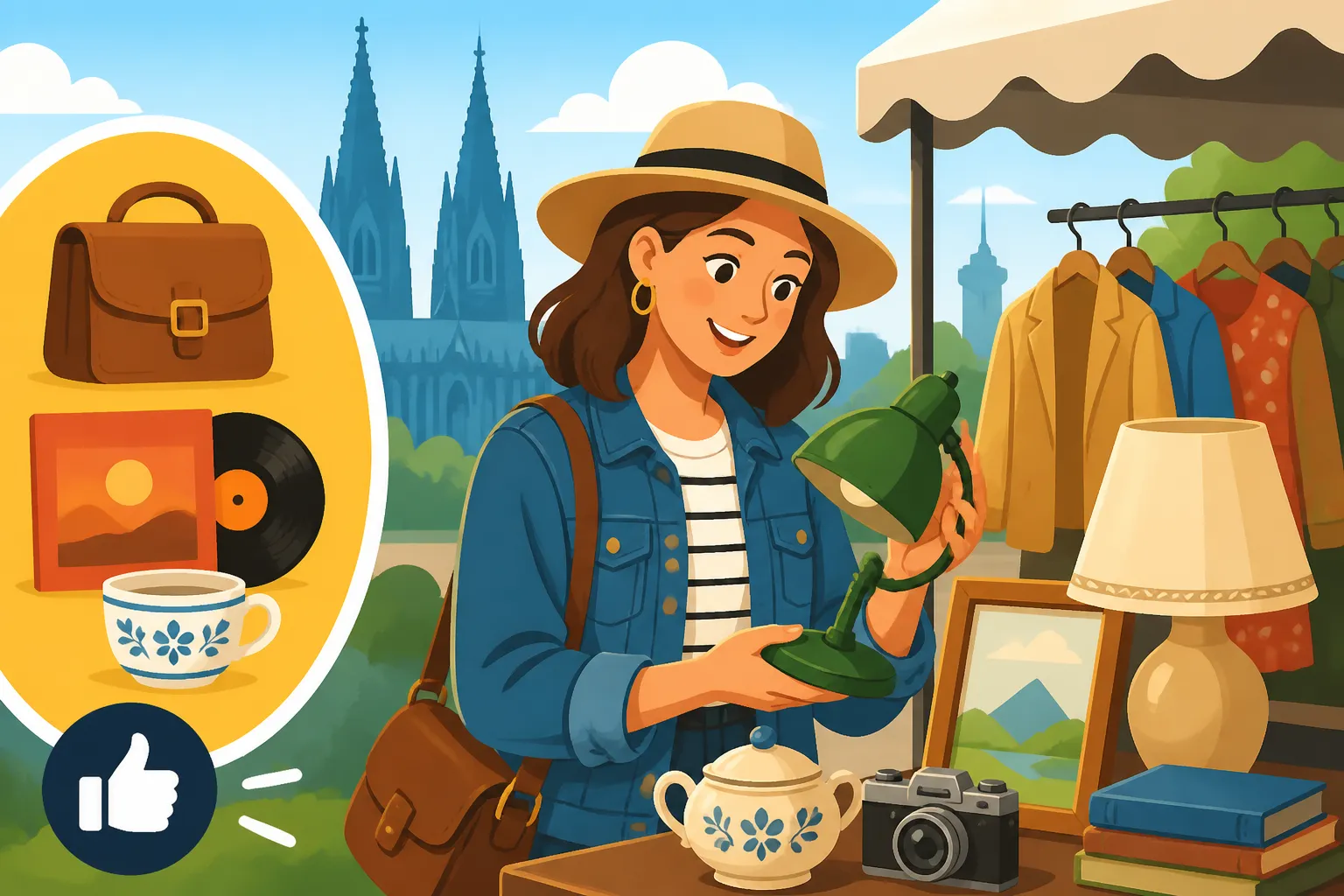
At its heart, a Flohmarkt is a flea market, but that simple translation doesn't quite capture the essence. Unlike a Second-Hand-Laden (a typical thrift store with fixed prices and often organized by category), a Flohmarkt is an open-air (or sometimes indoor) gathering of mostly private sellers. Think of it as hundreds of individual garage sales, all clustered together in one spot. People clear out their attics, basements, and closets, bringing everything from vintage furniture, antique crockery, and pre-loved clothes to old books, forgotten toys, and quirky knick-knacks.
The beauty of a Flohmarkt lies in its spontaneity and diversity. You never know what you’ll find. One stall might be selling beautiful porcelain figurines from the 1950s, while the next offers a pile of worn but charming leather jackets. It's a treasure hunt where every corner could reveal something unexpected. This isn't mass-produced retail; it's a collection of individual stories and possessions given a second chance. The atmosphere is usually bustling, with sellers often keen to chat and potential buyers sifting through endless piles of intriguing items.
Why Expats and Tourists Should Dive In
For newcomers and visitors, the Flohmarkt offers a truly authentic slice of German life. It's an incredible opportunity to snag unique souvenirs that tell a story, unlike the generic magnets you might find in tourist shops. Imagine finding a vintage German beer stein or a piece of GDR-era memorabilia – these are conversation starters that transcend typical mementos. Beyond souvenirs, Flohmärkte are a fantastic resource for fitting out a new apartment on a budget. You can find everything from kitchenware and small appliances to quirky decor that adds character to your new home, all without breaking the bank. This aligns perfectly with the common expat challenge of making your money stretch further, a topic we explore in our Cost of Living in Germany: Budgeting Guide for Expats if you're keen to save some euros.
Furthermore, engaging with sellers at a Flohmarkt is a wonderful, low-pressure way to practice your German. Even if you only know a few basic phrases, the friendly back-and-forth of bargaining offers a practical context for language learning that a classroom simply can't replicate. It’s also an inherently sustainable way to shop, giving items a new lease on life and reducing waste. In a country that takes Recycling and Waste Sorting in Germany (Mülltrennung) and Pfand very seriously, this eco-conscious shopping choice resonates deeply with local values. Don't be shy – dive in! You might feel a little overwhelmed by the sheer volume of stuff at first, but that's part of the fun.
Finding Your Treasure Trove: Locating the Best Flea Markets in Germany
The first step to becoming a Flohmarkt pro is knowing where and when to find these bustling hubs of second-hand goodness. They pop up all over Germany, from quaint village squares to sprawling urban parks, but they don't always operate on a fixed schedule like regular shops.
Online Resources and Local Listings
Gone are the days when you relied solely on word-of-mouth or chance encounters to find a Flohmarkt. The internet has made it much easier to plan your treasure hunt. Dedicated websites like markt.de or kalender.markt.de are excellent starting points, offering extensive listings of upcoming flea markets across the country. You can often filter by region, city, or even type of market, giving you a comprehensive overview of what's happening near you. Local city websites, typically found by searching "Stadt [City Name] Flohmarkt," will also list specific dates and locations, often in their cultural or events section.
Beyond these dedicated platforms, local newspapers (both physical and online editions) will often have a section for Flohmärkte, Trödelmärkte (another common term for flea markets), or Antikmärkte (antique markets). For a more grassroots approach, check community bulletin boards (physical or online, like local Facebook groups for expats or residents). For example, if you're in Berlin, a quick search for "Flohmarkt Berlin" will inevitably bring up the famous Mauerpark Flohmarkt, known for its vibrant mix of second-hand goods, local crafts, and impromptu karaoke. In Munich, while not strictly a Flohmarkt, the Auer Dult is a traditional market that has significant Trödel sections, offering an amazing mix of antiques and household items several times a year. Cologne often boasts the Kölner StadtFlohmarkt at the Rheinpark, a sprawling event perfect for a sunny weekend. When planning a trip to a city specifically for its markets, websites like Booking.com can help you find accommodation conveniently located near the action, making those early morning starts much easier!
Types of Flea Markets: From Big City Bustle to Village Charm
Not all Flohmärkte are created equal, and understanding the different types can help you target your hunt more effectively.
- Large, Organized Markets: These are typically found in bigger cities, often in parks, exhibition grounds, or large parking lots. They can host hundreds of stalls and attract thousands of visitors. Examples include the weekly markets in Berlin (like Mauerpark or Boxhagener Platz), the larger city markets in Hamburg, or those occasionally held at convention centers. These often have a wider variety of goods, including some professional dealers, and a livelier, festival-like atmosphere with food stalls and entertainment.
- Neighborhood (Kiez) Flohmärkte: These are smaller, more local affairs, often organized by residents in a specific district. They tend to be more intimate and community-focused, selling household items and children's toys, reflecting the immediate neighborhood's vibe.
- Hofflohmarkt / Garagenflohmarkt: This is the German equivalent of a yard or garage sale. Often, an entire street or neighborhood will collectively open their courtyards (Hof) or garages to sell items, creating a decentralized but highly charming market experience. These are excellent for finding genuine household items at very low prices.
- Specialized Markets: You'll also find markets catering to specific interests, such as Kinderflohmärkte (children's items, clothing, and toys), Bücherflohmärkte (book markets), or dedicated Antikmärkte for serious antique collectors. These can be pricier but offer higher quality in their specific niche.
Here’s a quick overview of some famous and beloved Flohmärkte in major German cities:
| City | Flea Market Name (Example) | Typical Focus | Atmosphere | When |
|---|---|---|---|---|
| Berlin | Mauerpark Flohmarkt | Vintage clothes, art, furniture, records, street food | Lively, artistic, tourist-friendly | Sundays |
| Boxhagener Platz Flohmarkt | Second-hand clothes, books, household items | Bohemian, local, relaxed | Sundays | |
| Munich | Auer Dult (Jakobidult, Maidult) | Antiques, household goods, traditional crafts | Traditional, bustling, family-friendly | Multiple times a year (specific dates) |
| Olympiapark Flohmarkt | General household items, clothing, electronics | Large, varied, bargain-oriented | Fridays & Saturdays | |
| Hamburg | Flohmarkt am Großmarkt | Antiques, vintage, general bric-a-brac, fruit/veg | Early bird, bustling, historic | Saturdays (very early start) |
| Cologne | Kölner StadtFlohmarkt (Rheinpark) | Diverse, clothing, books, decor | Scenic, family-friendly, popular | Select Sundays |
| Frankfurt | Flohmarkt am Schaumainkai | Antiques, books, art, vintage | Scenic river walk, cultural | Saturdays |
Timing is Everything: When to Go
Most Flohmärkte operate on weekends, with Sunday being the most common day, especially for the larger ones. However, some, like the famous one in Hamburg, start incredibly early on Saturday mornings.
- Early Bird Gets the Worm: If you're hunting for specific, high-value items like unique antiques, vintage fashion, or collector's pieces, you'll want to arrive right when the market opens, or even a little before the official opening time if you dare! Sellers are still setting up, but this is when the truly exceptional items are often snatched up by savvy buyers or professional dealers.
- Mid-Morning Stroll: This is arguably the most pleasant time to visit for a general browsing experience. The market is in full swing, food stalls are open, and the atmosphere is vibrant. You'll have plenty of options and time to look around without the intense rush of the opening hour.
- Late Afternoon Deals: As the market draws to a close, usually in the late afternoon (around 2-4 PM), sellers become more motivated to get rid of their remaining stock rather than packing it all up. This is your prime opportunity to bargain (feilschen) for even better deals. Prices that seemed firm earlier might suddenly drop.
Keep in mind that Flohmärkte are predominantly an outdoor activity, so they are much more common and enjoyable during the warmer months, typically from spring (April) to early autumn (October). During winter, you might find a few indoor markets, but they are fewer and far between. Always check the online listings to confirm dates and times, as weather can sometimes lead to cancellations.
Navigating the Stalls: Tips and Tricks for a Successful Flohmarkt Experience
So, you've found your Flohmarkt, you're ready to go, but how do you actually get the most out of your visit? It's not just about showing up; a little preparation and knowing the local unspoken rules can make all the difference.
Preparation is Key: What to Bring
Before you even leave your apartment, a bit of strategic planning will save you a lot of hassle.
First and foremost: cash, and lots of small denominations! Germany is still very much a cash-friendly society, and at a Flohmarkt, card payments are virtually non-existent. Trying to pay for a €2 item with a €50 bill will likely earn you a frustrated glance, as sellers often don't have much change. Gather a good mix of €5, €10, and €20 notes, along with plenty of coins. This is crucial for smooth transactions and often helps in the bargaining process. If you're exploring Using Cash vs Card in Germany: Is Germany Going Cashless?, the answer is definitely "no" at a Flohmarkt.
Next, bring your own reusable bags. Germans are very conscious about plastic waste, and sellers are unlikely to provide bags for your purchases. A sturdy tote bag or a backpack will be your best friend, especially if you plan on buying larger items.
Comfortable shoes are non-negotiable. You’ll be doing a lot of walking, standing, and potentially navigating uneven terrain. Dress in layers, as market temperatures can fluctuate, and bring a bottle of water, especially on warm days. A small measuring tape can be surprisingly useful if you're looking for furniture or specific items that need to fit into a particular space.
Finally, don't underestimate the power of a few basic German phrases. While many vendors, especially in larger cities, might speak some English, it's always appreciated if you make an effort. Simple greetings, asking about prices, and polite bargaining phrases (which we'll cover next) will go a long way. If you need a refresher, check out our guide on Survival German for Travelers: Key Phrases to Learn First to equip yourself before you head out.
The Art of Bargaining (Feilschen)
Ah, Feilschen – the bargaining. This is where many expats feel a mix of excitement and apprehension. Unlike some cultures where haggling is a fierce sport, in Germany, it's generally a more polite, understated affair. It is expected, however, especially at a Flohmarkt, so don't feel rude for trying.
Start by asking, "Was kostet das?" (How much does it cost?) for an item. Once you get the price, you can gently inquire, "Ist der Preis verhandelbar?" (Is the price negotiable?). Don't go in with an insultingly low offer. A good starting point is usually about 10-20% below the asking price, especially for higher-priced items. For smaller items, rounding down or asking for a bundle deal ("Wenn ich [Item A] und [Item B] nehme, können wir einen besseren Preis machen?") is a common tactic. For example, if something is €12, you might offer €10. If it’s €4, offer €3. If they say no, you can try for €3.50.
Always be friendly, smile, and maintain eye contact. If the seller is firm on their price, respect that. Sometimes, simply saying "Schade" (a shame) and walking away slowly might prompt them to call you back with a slightly lower offer. The best time to bargain is often later in the day, as sellers are more eager to clear their stock. Remember, it's a casual exchange, not a fierce negotiation. Think of it as part of the cultural interaction and an opportunity to engage. This relaxed approach differs from certain German Etiquette: Do’s and Don’ts in Social and Professional Settings you might encounter in more formal settings.
Inspecting Your Finds and Avoiding Pitfalls
One golden rule of Flohmarkt shopping: Caveat emptor – buyer beware! Unlike retail stores, there are generally no returns or refunds for items bought at a flea market, especially from private sellers. So, a thorough inspection is crucial.
- Clothes and Textiles: Check for stains, tears, missing buttons, and working zippers. Hold items up to the light to spot thinning fabric. If possible, imagine yourself wearing it and consider if it truly fits your style and needs.
- Electronics: This is trickier. If you're buying a lamp, a toaster, or anything that plugs in, ask if it works or if you can test it. Some markets might have outlets available, or the seller might be able to demonstrate. If not, proceed with caution, understanding you're taking a risk. Assume it doesn’t work unless proven otherwise.
- Glassware, Ceramics, and Fragile Items: Carefully inspect for chips, cracks, or repairs. Run your finger along the rims of glasses and plates. Hold them up to the light.
- Furniture: Check for stability, wobbles, woodworm, and any significant damage. Open and close drawers, test doors.
- Books: Look for water damage, missing pages, or excessive highlighting.
Also, be wary of "designer" items. While genuine vintage finds are abundant, high-end fakes can occasionally pop up. If a deal seems too good to be true for a luxury brand, it probably is. Trust your gut. Finally, hygiene is a personal consideration, especially for clothing and soft furnishings. Assume everything needs a good wash or clean before it enters your home.
Beyond the Bargain: Making the Most of Your Flohmarkt Day
A Flohmarkt experience extends far beyond the items you might purchase. It's a vibrant social event, a cultural immersion, and an opportunity for mindful consumption that makes your time in Germany even richer.
Food, Fun, and People-Watching
One of the undeniable joys of a German Flohmarkt is the atmosphere itself. These aren't just rows of tables; they're often lively communal spaces where people gather, socialize, and simply enjoy a weekend morning or afternoon. You'll find a delightful array of food stalls offering quintessential German street food. Think juicy Bratwurst or Currywurst served with crispy Pommes Frites (fries), often topped with mayonnaise and ketchup. There’ll be fresh pretzels (Brezeln), flaky pastries, and plenty of coffee to fuel your browsing. Many markets will also have stalls selling refreshing drinks, from Apfelschorle (apple spritzer) to local beers.
It's a fantastic place for people-watching. You'll see families with children excitedly sifting through toy boxes, serious collectors examining rare stamps, and groups of friends laughing over quirky finds. Musicians might set up, playing everything from accordions to acoustic guitars, adding to the festive ambiance. Even if you don't buy a single thing, the simple act of wandering through the stalls, soaking in the sights, sounds, and smells, and maybe grabbing a Wurst and a coffee, is a rewarding way to spend a few hours. It’s truly a testament to German Culture & Etiquette: A Guide to Social Life and Customs that even shopping can be such a social affair.
Sustainable Shopping and Unique Souvenirs
In an era of fast fashion and disposable goods, Flohmärkte stand as beacons of sustainability. Every item you purchase second-hand is one less item produced new, and one less item contributing to landfill. This aligns beautifully with Germany's strong environmental consciousness. It's a tangible way to live more green and reduce your personal carbon footprint, which is a big deal here.
Beyond the environmental benefits, Flohmärkte are where you find truly unique souvenirs, far removed from the generic tourist trap offerings. Instead of a "I ❤️ Berlin" t-shirt, imagine finding an authentic vintage map of your city, a beautiful old German children's book, or a hand-painted ceramic dish from a bygone era. These items carry a history, a story, and a character that mass-produced goods simply can't match. They make for meaningful gifts for loved ones back home or cherished mementos for yourself, reminding you of your unique journey in Germany. If you’re usually wondering German Souvenirs Worth Buying (and What to Skip), you’ll find plenty of inspiration here that won't feel cliché.
Bringing Your Treasures Home
For expats who've settled in, hauling home your new (to you) purchases is generally straightforward. A sturdy backpack, a reusable bag, and a ride on the Public Transport Tickets and Passes: Navigating German Transit Systems usually do the trick. If you've managed to snag a larger piece of furniture, you might need to arrange for a special transport service or borrow a friend's car.
For tourists, especially those flying, bringing your Flohmarkt finds home requires a bit more thought. Consider your baggage allowance before you get carried away with a massive ceramic garden gnome! Smaller, lighter items are obviously easier to pack. If you're traveling around Germany extensively before heading home, companies like Omio can help you find train tickets to move between cities with minimal hassle, allowing you to gradually accumulate treasures without immediately worrying about airport baggage limits. If you're planning an extended stay in a city known for its excellent Flohmärkte, perhaps exploring what GetYourGuide has to offer in terms of local experiences or simply using Booking.com to secure a hotel with ample space for your finds could be a good idea. Just be mindful of any customs regulations in your home country for certain categories of items, especially antiques or items made from specific materials.
Happy hunting, my friends! May your Flohmarkt adventures be filled with unexpected treasures and delightful discoveries.
Disclaimer
Please remember that this guide offers general information and personal advice based on typical experiences in Germany. While every effort has been made to ensure accuracy and up-to-date information, individual experiences at flea markets can vary, and rules or regulations may change. Always exercise personal judgment and verify specific details, especially regarding item quality, prices, and personal safety. We are not responsible for any purchases made or experiences had at German flea markets.