Germany’s Best Castles: Neuschwanstein and Beyond
Oh, my dear fellow expats and travel enthusiasts, are you ready to delve into a world straight out of a storybook? Germany, with its sprawling landscapes and deep, mystical forests, is practically overflowing with castles. But let's be honest, trying to figure out which ones are truly worth your precious time, or how on earth to even get to them, can feel like navigating a medieval labyrinth without a map. That's why I've put together this guide – to help you cut through the confusion and discover not just the famous fairytale icons, but also some incredible hidden gems, complete with all the practical tips you'll need to make your German castle adventure a truly unforgettable one.
Disclosure: This post may contain affiliate links. We may earn a commission at no extra cost to you if you make a purchase through these links. Read full disclosure.
Neuschwanstein Castle: The Fairytale Icon
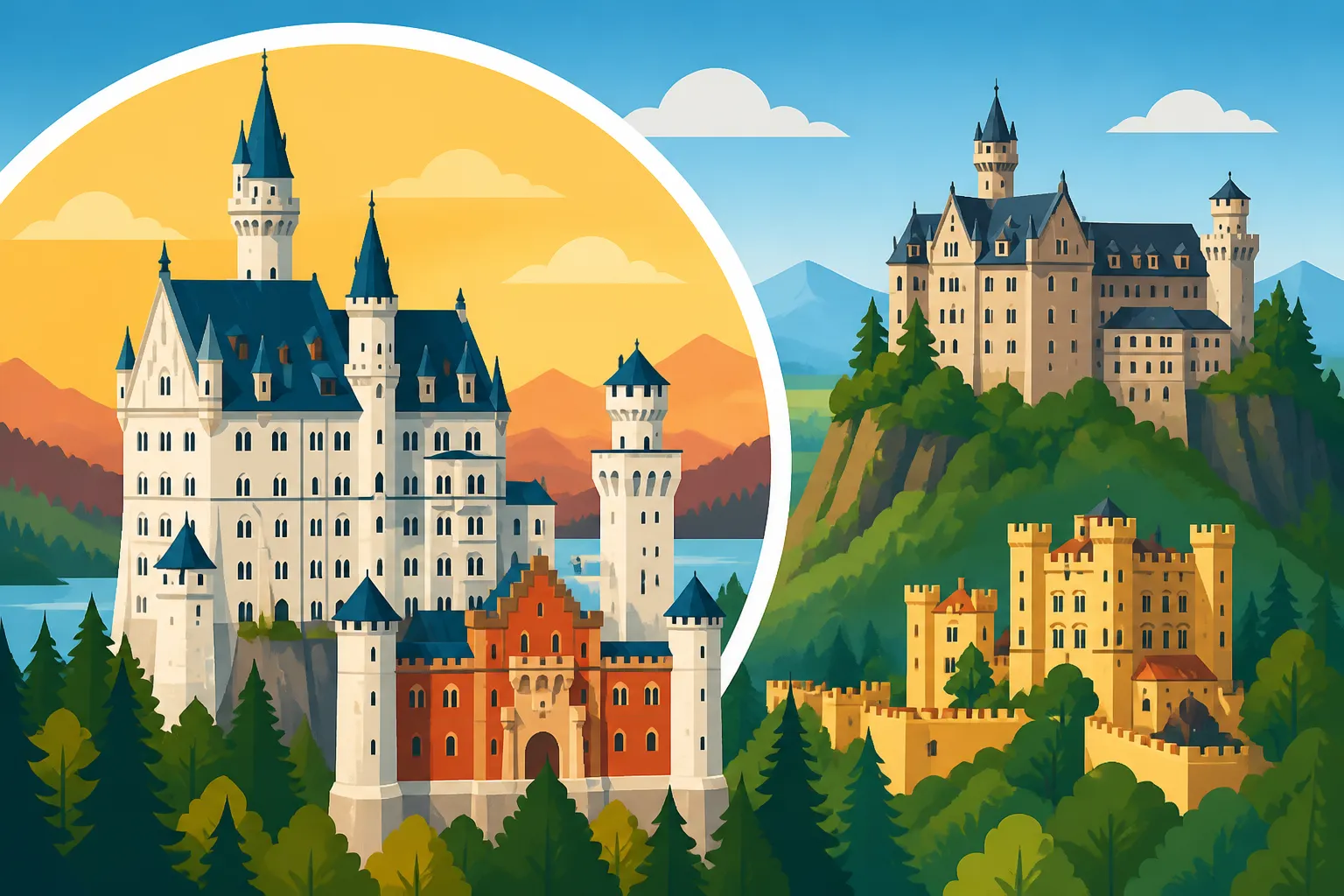
Alright, let's just get the big one out of the way first. When you say "German castle," chances are the first image that pops into anyone's head is Neuschwanstein. And for good reason! It's utterly breathtaking, perched high on a rugged hill in Bavaria, looking like something plucked directly from a Disney movie (because, well, it pretty much was the inspiration for Sleeping Beauty's castle). You simply can't visit Germany and not at least consider seeing this architectural marvel.
A Dream Realized: The Story of King Ludwig II
The story behind Neuschwanstein is as dramatic and romantic as the castle itself. It wasn't built for defense or strategic advantage, but purely as a personal refuge and a homage to the operas of Richard Wagner, whom King Ludwig II deeply admired. Ludwig, often called the "Fairytale King" or "Mad King Ludwig," was a shy and introverted monarch who detested public life and found solace in a world of myth and legend. He envisioned Neuschwanstein as a grand, theatrical stage set for his own dreams, a place where he could retreat from the real world.
Construction began in 1869, and despite all the grand plans, Ludwig never actually saw his masterpiece completed. He only lived in the castle for a mere 172 days before his mysterious death in 1886. The interiors that were finished are opulent and fantastical, brimming with murals depicting scenes from German legends and Wagner's operas. Imagine standing in the Throne Room, not quite finished, yet still glittering with gold, or gazing at the Singers' Hall, which was never actually used for performances during Ludwig's lifetime. It's a poignant testament to a king who preferred art and imagination over the mundane realities of ruling. This isn't just a building; it's a window into the soul of a fascinating, tragic figure.
Planning Your Visit to Neuschwanstein
Visiting Neuschwanstein isn't just about showing up; it requires a bit of planning, especially if you're going during peak season (summer, holidays). Tickets are timed and very popular, so booking well in advance is absolutely essential. You can buy tickets online or at the Ticket Center in Hohenschwangau village, at the foot of the castle hill, and they often sell out quickly. My pro-tip? Book online weeks, or even months, ahead of your visit. Without a pre-booked ticket, you might find yourself in a very long queue, only to be turned away.
Once you have your ticket, getting up to the castle itself involves a bit of effort. It's a good 30-40 minute uphill walk from the ticket center, which, while scenic, can be tiring. Alternatively, you can take a shuttle bus from Hohenschwangau (note: buses don't run in icy conditions, and there's often a queue) or a traditional horse-drawn carriage. The carriage ride is charming, but also comes with its own queues and costs. Keep in mind that none of these options take you directly to the castle entrance; there's always a final uphill walk involved. Wear comfortable shoes, my friends!
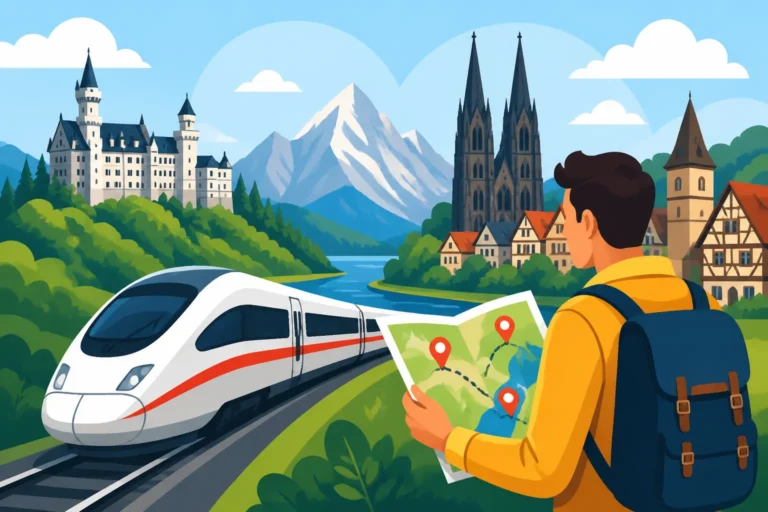
For those wondering about how to reach this Bavarian jewel, you'll typically head to the town of Füssen. From Munich, it’s an easy train ride, making it one of the most popular Best Day Trips From Munich you can plan. Once in Füssen, local buses run regularly to Hohenschwangau. You can check schedules and even book train tickets via platforms like Omio, which can really simplify your travel planning across Germany.
Beyond the Gates: Hohenschwangau Castle and the Surrounding Area
While Neuschwanstein steals the show, don't overlook its equally charming, though less flamboyant, neighbor: Hohenschwangau Castle. This is where King Ludwig II actually spent his childhood. It's a bright yellow, neo-Gothic castle that feels much more intimate and 'lived-in' than Neuschwanstein. Its interiors are beautifully preserved and offer a wonderful contrast to Ludwig's later, grander vision. Visiting both castles provides a much richer understanding of Ludwig's life and his artistic inspirations. Many tours offer combined tickets, and honestly, if you've made the journey, you might as well see both.
The surrounding area, known as the Königswinkel (King's Corner), is absolutely stunning. You're nestled in the Bavarian Alps, surrounded by pristine lakes like Alpsee and Schwansee. After your castle tours, take some time to walk around the lakes, rent a rowboat, or simply soak in the incredible views. There are also plenty of hiking trails offering different perspectives of the castles. The Marienbrücke (Mary's Bridge) provides the classic postcard view of Neuschwanstein, but it can get incredibly crowded, so if you want that iconic photo, be prepared for company or try to go early in the morning.
The Majestic Rhine Valley Castles: A Journey Through History
If Neuschwanstein is the fairytale icon, the Rhine Valley is a whole saga. Forget just one castle; here, they're practically stacked one after another, perched dramatically on vine-covered hillsides overlooking the legendary Rhine River. This stretch of the Middle Rhine Valley, a UNESCO World Heritage site, is where history truly comes alive. Unlike Neuschwanstein, these castles were built for purpose – for defense, for tolls, and for asserting power. You can almost hear the echoes of knights and princes in the air.
Castle Hopping Along the Rhine
One of the best ways to experience the Rhine castles is, quite literally, by hopping between them. The region between Koblenz and Bingen/Rüdesheim is particularly dense with these historic structures, each with its own unique story. Imagine taking a leisurely river cruise, watching the castles glide by, then disembarking to explore one up close. It's an experience that feels wonderfully old-world.
For those planning to immerse themselves, consider using the Regional Trains and the Deutschland-Ticket Explained for flexible travel between towns. Many of the castles are accessible from charming riverside villages by short walks, or sometimes even by funiculars or chairlifts. A really practical way to get around and ensure you don't miss anything is to combine train travel with river cruises. Companies like KD provide excellent boat tours, allowing you to get off at various points and re-board later. You can often book these experiences through platforms like GetYourGuide, which bundles transport and entry tickets, making your day trip seamless.
Must-See Rhine Castles and Their Stories
Choosing which castles to visit can be tough, as there are so many! Here are a few that often steal the show:
- Burg Eltz: Okay, technically not right on the Rhine, but a short detour from Moselkern (easily accessible from the Rhine) and absolutely worth it. This castle is a true gem, remarkably well-preserved and still owned by the same family that built it over 850 years ago. Nestled deep in a valley, surrounded by lush forest, it looks like something out of a medieval painting. Its unique architecture, with multiple towers and turrets, is unlike any other. It’s a bit of a hike to get to, but every step is rewarded.
- Marksburg Castle: Located above Braubach, Marksburg is the only hilltop castle on the Middle Rhine that has never been destroyed. This means you get to see a truly authentic medieval fortress, complete with original rooms, kitchens, and even a torture chamber (if you're into that sort of thing!). The guided tour is incredibly informative and gives a real sense of medieval life.
- Pfalzgrafenstein Castle: This one is truly unique – it's a "toll castle" built on a small island in the middle of the Rhine River near Kaub. Shaped like a ship, it was designed to extract tolls from passing vessels, effectively controlling river traffic for centuries. You can only reach it by a small ferry, which adds to its adventurous appeal.
- Rheinstein Castle: A beautifully restored castle near Trechtingshausen, Rheinstein offers stunning views of the valley. It's a perfect example of the Romantic Rhine period, with beautifully furnished interiors and a lovely chapel. They often host medieval markets and events, adding to the charm.
Each castle tells a different chapter of Germany's rich past, from powerful feudal lords to romanticized ruins. The entire The Rhine Valley: Castles, Wine, and River Towns area is a treasure trove for history buffs.
Experiencing the Rhine: Cruises and Wine
A Rhine River cruise is truly the quintessential experience for exploring these castles. Drifting along the river, a glass of local Riesling in hand, as castles and vineyards pass by is simply magical. Most cruises run from spring to autumn, with increased frequency during the summer months. You can take a short, hour-long cruise or opt for a full-day journey that allows you to disembark and explore.
And let's not forget the wine! The Rhine Valley, particularly the Rheingau region, is famous for its Riesling wines. Many of the picturesque towns along the river, such as Rüdesheim am Rhein, offer wine tastings and vineyard tours. Imagine spending the afternoon exploring a medieval castle, then settling down at a riverside Straußwirtschaft (seasonal wine tavern) to enjoy some local wine and traditional German food. It’s the perfect blend of history, culture, and pure indulgence.
Eastern Germany's Hidden Gems: From Saxony to Brandenburg
While Bavaria and the Rhine often grab the spotlight, Eastern Germany holds its own incredible collection of castles and palaces, each with a distinct character and fascinating history. From baroque hunting lodges to formidable fortresses, these sites offer a different flavor of German grandeur, often with fewer crowds than their western counterparts.
Moritzburg Castle: A Baroque Masterpiece
Just outside Dresden in Saxony lies Moritzburg Castle, a true architectural marvel that seems to float on an artificial island in the middle of a lake. This stunning Baroque palace was originally built as a hunting lodge for the Elector of Saxony, Augustus the Strong, in the 16th century and later underwent extensive renovations in the 18th century. It's famous for its opulent interiors, including the "Feather Room" adorned with millions of real feathers, and its impressive collection of hunting trophies, including the world's heaviest red deer antler.
Moritzburg gained international fame as a filming location for the beloved fairytale movie "Three Hazelnuts for Cinderella," a classic in many European countries. Visiting in winter, especially around Christmas, offers a magical experience as the castle often hosts a special exhibition dedicated to the film, creating a true winter wonderland atmosphere. The extensive parklands and surrounding forests are also beautiful for walks, offering lovely views of the castle from different angles. It's a fantastic day trip from Dresden, easily reachable by public transport or a short drive.
Wartburg Castle: A Cradle of German History
Perched high above the town of Eisenach in Thuringia, Wartburg Castle is a UNESCO World Heritage site and a truly significant landmark in German history. This formidable medieval fortress isn't just beautiful; it's a place where pivotal moments in European culture unfolded. It was here, between 1521 and 1522, that Martin Luther famously translated the New Testament into German while hiding from the Holy Roman Emperor. This act had a profound impact on the German language and the Protestant Reformation.
The castle also hosted the legendary "Sängerkrieg" (Minnesingers' Contest) in 1207, an event that inspired Wagner's opera "Tannhäuser." As you walk through its halls, you can feel the weight of history. The guided tour delves into these incredible stories, showcasing Luther's study and the Grand Hall. The views from the castle over the Thuringian Forest are absolutely spectacular, making it a powerful and inspiring visit.
Sanssouci Palace: Prussian Rococo Elegance
Moving up to Brandenburg, just a stone's throw from Berlin in Potsdam, you'll find Sanssouci Palace. This isn't a towering medieval fortress but a delightfully elegant rococo summer palace, often called the "Prussian Versailles." It was the beloved retreat of Frederick the Great, King of Prussia, who designed it as a place "sans souci" – without a care.
Frederick, an enlightened monarch, sought a place for personal reflection and artistic pursuits, away from the rigid court life of Berlin. The palace itself is relatively small, but its interiors are exquisite, featuring vibrant colors, intricate stucco work, and a sense of intimate luxury. The terraced vineyards leading up to the palace are a unique feature, and the vast Sanssouci Park, dotted with other follies, temples, and fountains, is a joy to explore. You could easily spend an entire day wandering the grounds, discovering the Chinese Teahouse, the New Palace, and the Roman Baths. For anyone visiting Berlin, a trip to Potsdam and Sanssouci is a must, and it makes for another excellent Best Day Trips From Berlin.
Northern Germany's Fortresses and Residences
When people think of German castles, their minds often drift south to Bavaria or the Rhine. But let me tell you, Northern Germany has its own stately residences and impressive fortresses that are absolutely worth your time. They might have a different architectural style, reflecting the region's history and geography, but they are no less captivating.
Schwerin Castle: The Island Palace
Nestled majestically on an island in Lake Schwerin, Schwerin Castle in Mecklenburg-Vorpommern is often hailed as one of Germany's most romantic and beautiful castles. Its opulent, fairytale-like appearance, with its numerous towers, turrets, and golden domes, truly earns it the nickname "Neuschwanstein of the North."
The current structure, largely built in the mid-19th century, replaced older fortifications and was designed by some of the most renowned architects of the time. It served as the residence of the Grand Dukes of Mecklenburg and now houses the state parliament of Mecklenburg-Vorpommern, as well as a museum. The museum offers a glimpse into the lavish lives of the dukes, showcasing magnificent state rooms, historical artifacts, and an impressive art collection. The surrounding gardens are meticulously maintained, featuring beautiful flower beds, fountains, and sculptures, perfect for a leisurely stroll. The location on the lake makes for incredibly picturesque views, especially at sunset. It's a captivating destination that offers a truly grand castle experience in a less-traveled part of Germany.
Cuxhaven's Ritzebüttel Castle: Coastal History
Further north, towards the North Sea coast, you'll find Ritzebüttel Castle in Cuxhaven, a charming and historically significant structure that tells a different kind of German story. While not as grand or fairytale-esque as Schwerin, it offers a fascinating insight into regional history and maritime influence.
This medieval moated castle dates back to the 14th century and was once an administrative seat for Hamburg, which governed Cuxhaven for centuries. It's a robust, brick-built structure, typical of North German architecture, and it exudes a sense of sturdy resilience rather than delicate opulence. Inside, the museum takes you through the history of the castle and the region, showcasing period furniture, historical documents, and artifacts related to its role as a regional administrative center. You can explore the old dungeons, the knight's hall, and learn about life in a Hanseatic outpost. The castle also hosts cultural events, exhibitions, and concerts. It's a wonderful stop for those exploring Germany's northern coast, offering a more down-to-earth yet equally compelling historical experience.
Practical Tips for Your German Castle Adventure
Embarking on a castle tour in Germany requires a bit more than just a sense of adventure. A little bit of planning and insider knowledge can save you a lot of hassle and enhance your experience significantly.
Getting Around: Transport Options for Castle Tours
Germany boasts an excellent public transportation network, which is often the most relaxing and efficient way to reach many of these historic sites.
- Trains (Deutsche Bahn): For longer distances between cities, the high-speed High-Speed Trains in Germany (ICE): Deutsche Bahn Routes and Savings trains are incredibly convenient. For regional travel to smaller towns near castles, local and regional trains are your best bet. Remember to check out the Regional Trains and the Deutschland-Ticket Explained, which offers unlimited travel on regional public transport for a fixed monthly price – a fantastic option if you're planning extensive travel. You can find schedules and book tickets easily on the Deutsche Bahn website or via the Omio app.
- Buses: In some cases, buses connect train stations to the castle entrances, especially for places like Neuschwanstein. Always check local bus schedules in advance, as services can be less frequent on weekends or during off-peak seasons.
- Car Rental: For ultimate flexibility, especially if you want to explore more remote castles or scenic routes like the Romantic Road, renting a car is a great option. Germany's Autobahns are famous, and driving here can be a pleasure. Just be sure to familiarise yourself with the rules of the road before you go, as covered in topics like Renting a Car and Driving on the Autobahn. Companies like Sixt or Europcar are widely available at airports and major cities.
- Organized Tours: If you prefer a hassle-free experience, many tour operators offer day trips to popular castles, often including transportation and sometimes even tickets. Look into options from companies like GetYourGuide, especially for tours to Neuschwanstein from Munich or Rhine Valley cruises from Frankfurt or Cologne. These tours often streamline logistics, allowing you to relax and enjoy the scenery.
Accommodation and Tour Bookings
Finding the right place to stay can significantly impact your castle adventure.
- Hotels & Guesthouses: For popular castle regions like Bavaria or the Rhine, you'll find a wide range of accommodation options, from luxury hotels to charming guesthouses (Pensionen). Booking.com is a reliable platform for finding something that suits your budget and preferences. Consider staying in a smaller town near your target castles for a more authentic local experience. For a broader overview, check out this guide on Accommodation in Germany: Hotels, Pensionen, and Hostels.
- Castle Hotels: For a truly unique experience, consider staying in a castle! Some historic castles have been converted into hotels, offering an unforgettable night's stay. These tend to be more expensive but provide an immersive experience.
- Advance Bookings for Tours: As mentioned, for Neuschwanstein, booking your entry tickets well in advance is non-negotiable. For other popular castles, while often not as strictly necessary, booking online can save you time waiting in queues. If you're planning a Rhine River cruise, especially during summer, booking your tickets online through a provider like KD or via GetYourGuide can also be a good idea.
When to Visit and What to Pack
Timing your visit can make a huge difference.
- Spring (April-May) and Autumn (September-October): These are often considered the best times to visit. The weather is generally mild, the crowds are thinner than in summer, and the landscapes are beautiful – spring brings blossoms, while autumn offers stunning fall foliage, particularly in areas like the Rhine Valley.
- Summer (June-August): While the weather is warmest, this is also peak tourist season. Expect larger crowds, longer queues, and higher prices. However, many outdoor events and festivals, such as wine festivals in the Rhine region, happen during this time. To cope with the heat, make sure you know Heatwave Health: Coping with Hot Summers in Germany (Hydration, Cooling)!
- Winter (November-March): A magical time to visit, especially for castles like Moritzburg or if you want to experience the famous German Christmas markets. The castles often look stunning dusted with snow, and the atmosphere is wonderfully cozy. Just be aware that some attractions or access routes (like the Marienbrücke at Neuschwanstein or some castle boat tours) might be closed or have reduced hours due to weather conditions.
- What to Pack: Comfortable walking shoes are an absolute must – you'll be doing a lot of walking, often uphill and on uneven surfaces. Layers are always a good idea, as German weather can be unpredictable. Don't forget a camera, and for those who enjoy a picnic with a view, some local German snacks as you explore the incredible sites. For a deeper dive into enjoying local cuisine on your travels, check out German Food Culture: Eating and Drinking as a Visitor.
| Castle Feature / Consideration | Neuschwanstein (Bavaria) | Rhine Valley Castles (Koblenz-Bingen) | Moritzburg (Saxony) | Wartburg (Thuringia) | Schwerin Castle (Mecklenburg-Vorpommern) |
|---|---|---|---|---|---|
| Architectural Style | Romantic, Fairytale | Medieval, Romanticized Ruins | Baroque | Medieval | Historicist, Romantic Palace |
| Primary Purpose | Royal Retreat, Theatrical | Defense, Toll Collection | Hunting Lodge | Fortress, Cultural Hub | Ducal Residence, Government Seat |
| Crowd Levels (Peak Season) | Very High | Medium to High (esp. on cruises) | Medium | Medium | Medium |
| Accessibility | Walk/Shuttle/Carriage | Train, Boat, Walk, Funicular | Walk/Bus | Walk/Bus | Walk, City Bus |
| Historical Significance | King Ludwig II's Vision | Feudal Power, River Trade | Augustus the Strong | Luther, Minnesingers | Grand Ducal History |
| Recommended Visit Time | 1/2 Day (with Hohenschwangau) | 1-2 Days (with cruise) | 1/2 Day | 1/2 Day | 1/2 Day |
| Best Transport From Major City | Train (from Munich) | Train/Boat (from Frankfurt/Cologne) | Train/Bus (from Dresden) | Train/Bus (from Erfurt) | Train/Walk (from Schwerin Hbf) |
Disclaimer
The information provided in this guide is for general informational purposes only and does not constitute professional advice. While we strive to keep the information up-to-date and correct, we make no representations or warranties of any kind, express or implied, about the completeness, accuracy, reliability, suitability, or availability with respect to the website or the information, products, services, or related graphics contained on the website for any purpose. Any reliance you place on such information is therefore strictly at your own risk. Always check current opening hours, ticket prices, and travel restrictions directly with the respective castles and transport providers before planning your visit.