How Many Days Do You Need in Bavaria?
Ah, Bavaria! It's that picturesque German state that everyone dreams of visiting, isn't it? With its fairy-tale castles, majestic Alps, and vibrant cities, it's easy to feel completely overwhelmed trying to figure out how to fit it all in. As expats living in Germany, we've all been there, staring at maps and guidebooks, wondering how many days you really need to soak it all in without feeling rushed or missing out on the magic. This guide is here to help you cut through that planning stress and decide on the perfect length for your Bavarian adventure.
Disclosure: This post may contain affiliate links. We may earn a commission at no extra cost to you if you make a purchase through these links. Read full disclosure.
Understanding Bavaria's Diverse Offerings
Bavaria isn't just one thing; it's a glorious mosaic of experiences, from bustling urban centers to serene alpine landscapes and ancient medieval towns. Each facet demands its own share of your precious time, and understanding what's on offer is the first step to planning.
The Urban Charms of Munich and Nuremberg
Let's be honest, for many, Bavaria starts and ends with Munich. And for good reason! Munich is a vibrant city, rich in history, culture, and, of course, beer gardens. You could easily spend three to four days just exploring Munich itself, wandering through the Marienplatz, witnessing the Glockenspiel, visiting world-class museums like the Deutsches Museum, or just enjoying the lively atmosphere of the Viktualienmarkt. If your visit happens to align with the world-famous Oktoberfest, you'll need to allocate at least a couple of days just for that unique experience, not to mention extra time for recovery! Then there's Nuremberg, a city with a completely different, yet equally compelling, vibe. It's famous for its imperial castle, its poignant historical sites from the Nazi era, and its absolutely enchanting Christmas market during Advent. Nuremberg offers a more somber, reflective experience compared to Munich's joviality, but its history and charm are undeniable. To truly do justice to both these cities, you're looking at a good chunk of time.
Fairy-Tale Castles and Historic Towns
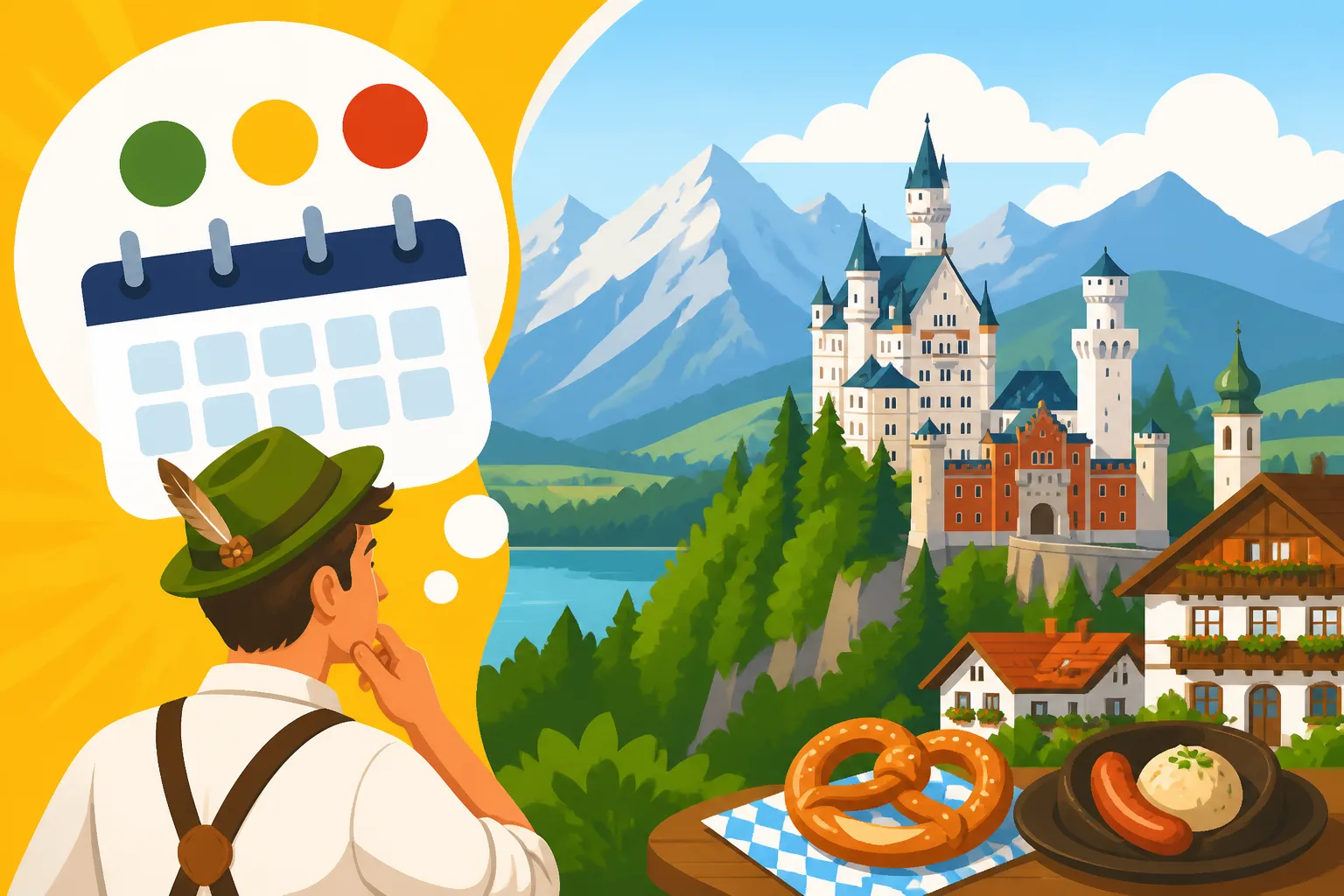
This is often what draws people to Bavaria – the promise of stepping into a storybook. Neuschwanstein Castle, King Ludwig II's extravagant creation, is arguably the most famous. But here's the thing: it’s not just about seeing the castle. It's the journey to get there, the hike up, enjoying the views from Mary's Bridge, and often, battling the crowds. A visit to Neuschwanstein is at least a full-day commitment from Munich, if not more if you want to also see Hohenschwangau Castle or explore the Füssen area.
Then you have the perfectly preserved medieval towns like Rothenburg ob der Tauber. Walking its cobbled streets, admiring its half-timbered houses, and feeling like you've truly stepped back in time is an experience not to be rushed. Bamberg, a UNESCO World Heritage site, is another gem with its unique Old Town Hall situated in the middle of a river, and its delicious smoked beer. These towns require you to slow down, explore the nooks and crannies, and simply soak in the atmosphere. Rushing through them would be a disservice to their timeless beauty.
Alpine Wonders and Outdoor Escapes
Beyond the cities and castles, Bavaria boasts the stunning German Alps. Garmisch-Partenkirchen is a popular hub for exploring this region, offering access to Germany's highest peak, the Zugspitze. Whether you're taking a cable car up for panoramic views, hiking in the summer, or skiing in the winter, the mountains demand time.
Another absolute must-see is Königssee, near Berchtesgaden. This fjord-like lake, nestled between towering cliffs, is incredibly beautiful. A boat trip across the lake to St. Bartholomew's Church and a short hike to Obersee (with its famous boathouse view) is easily a full day in itself, especially if you want to savor the tranquility. For those who love the outdoors, Bavaria offers endless opportunities for hiking, cycling, and exploring nature. But these activities aren't a quick check-off-the-list item; they require leisurely exploration and time to appreciate the pristine beauty.
Crafting Your Bavarian Itinerary: Factors to Consider
Deciding on the number of days for your Bavarian trip isn't a one-size-fits-all answer. It heavily depends on what kind of traveler you are, when you're visiting, and, let's be realistic, your budget.
Your Travel Style and Pace
Are you the kind of traveler who thrives on seeing as much as possible, moving quickly from one sight to the next, fueled by coffee and sheer determination? Or do you prefer a more relaxed pace, allowing for spontaneous detours, lingering over a traditional Bavarian meal, and really soaking in the local atmosphere?
If you're a whirlwind sightseer, you might squeeze more into fewer days, but you run the risk of burnout and superficial experiences. You might do a whirlwind 2-day trip covering Munich's main sights and a quick Neuschwanstein visit, but it will be exhausting. A leisurely traveler, on the other hand, might happily spend an entire week just exploring Munich and its immediate surroundings, perhaps taking a single day trip to an alpine village. Remember, Germany has a culture of appreciating the moment, whether it's enjoying a leisurely coffee and cake (Kaffee und Kuchen) or a long evening at a beer garden. Rushing against that grain can detract from the experience.
The Season and Its Impact
The time of year you visit Bavaria dramatically influences not only what you can do but also how much time you'll want to spend.
- Summer (June-August): Long daylight hours mean more time for sightseeing, hiking in the Alps, enjoying beer gardens, and exploring lakes. However, it's also peak tourist season, meaning larger crowds and potentially longer waits at popular attractions like Neuschwanstein. You might need more time to navigate these crowds.
- Autumn (September-November): The shoulder season can offer beautiful fall foliage, especially in the mountains, and fewer crowds. Oktoberfest falls in early autumn, which will definitely dictate your timing if you want to experience it.
- Winter (December-February): This is when Bavaria transforms into a winter wonderland. Christmas markets abound, particularly in Munich and Nuremberg, offering a magical experience that takes time to savor. Skiing and other winter sports in the Alps are popular, which require dedicated days. Short daylight hours mean you'll likely fit fewer outdoor activities into each day.
- Spring (March-May): As the snow melts and flowers bloom, spring offers pleasant weather for walking and exploring, with fewer crowds than summer. This can be a great time for castle visits and city explorations.
Consider how German Public Holidays: How They Affect Life and Work might impact your travel, as many businesses close and public transport schedules can change.
Budget and Logistics
Your budget and logistical preferences also play a crucial role. If you're traveling on a shoestring, staying longer might mean finding cheaper accommodation further from the main attractions, which then adds commuting time. If you have a generous budget, you might opt for faster travel methods or more guided tours, allowing you to see more in less time.
Getting Around Germany: Trains, Buses, Flights, and Car Hire is generally efficient. High-speed trains (ICE) can zip you between major cities like Munich and Nuremberg, while regional trains and buses connect smaller towns. Companies like Omio can help you compare and book different transport options, making multi-city itineraries smoother. If you plan to rent a a car, remember that driving in the Alps or between quaint villages can be slower than on the Autobahn.
Recommended Itineraries by Trip Length
So, let's get down to brass tacks. How many days for which experience? Here are some general guidelines based on typical travel styles.
| Trip Length | Focus Areas | Pace | Ideal For |
|---|---|---|---|
| 2-3 Days | "Taste of Bavaria" One major city (e.g., Munich) with limited day trips |
Fast-paced | Those with limited time, first-timers wanting an overview, city explorers |
| 5-7 Days | "Classic Highlights" Munich, Neuschwanstein, plus one other region (e.g., Nuremberg or part of the Alps) |
Moderate | Balanced travelers, those wanting to see the main icons |
| 8-10 Days | "Bavarian Explorer" Munich, castles, Alps, 1-2 smaller towns, some deeper dives |
Moderate-Leisurely | Those seeking more depth, hiking, cultural immersion |
| 10+ Days | "Deep Dive & Beyond" Comprehensive coverage of Bavaria, possibly combining with nearby regions |
Leisurely | In-depth explorers, slow travelers, specific interests (e.g., extensive hiking) |
The "Taste of Bavaria" Weekend (2-3 Days)
If you only have a long weekend, your best bet is to pick one primary area and focus intensely. Munich is an excellent choice for this. You can dedicate a full day to exploring its city center, visiting attractions like the Frauenkirche, Hofbräuhaus, and maybe a quick stroll through the English Garden. A second day could involve a half-day museum visit or a deeper dive into a specific neighborhood.
Alternatively, you could do one intense day trip to Neuschwanstein from Munich. Just be aware that this will mean an early start and late return. Trying to squeeze in both Nuremberg and Munich in 2-3 days would be a blur, leaving you exhausted and feeling like you barely scratched the surface. For short excursions, companies like GetYourGuide offer well-organized day trips that maximize efficiency, especially for popular spots like the castles.
The "Classic Highlights" Week (5-7 Days)
This is a popular and highly recommended duration for a first-time visitor to Bavaria. With 5-7 days, you can strike a good balance between major cities and iconic sights without feeling perpetually rushed.
A common itinerary would look something like this:
- Day 1-3: Immerse yourself in Munich. Explore its historical center, visit museums, enjoy the beer gardens, and experience its unique culture.
- Day 4: Day trip to Neuschwanstein and Hohenschwangau Castles. Book your tours and tickets in advance, especially during peak season!
- Day 5-7: Now you have options! You could head north to Nuremberg for a couple of days to explore its medieval core and rich history. Or, if the Alps call to you, head south to Garmisch-Partenkirchen for some mountain air, a ride up the Zugspitze, or a visit to Eibsee. For those interested in seeing more of the region's charm, consider a day trip to Salzburg, Austria, which is very close to the Bavarian border and offers stunning Baroque architecture and Mozart's birthplace. Best Day Trips From Munich offers more inspiration. When planning accommodation for this duration, Booking.com can be invaluable for finding hotels or apartments across different cities.
The "Deep Dive" Extended Trip (10+ Days)
For those truly looking to immerse themselves in Bavaria's multifaceted offerings, 10 days or more will allow for a much richer and more relaxed experience. This is where you can explore beyond the main tourist trails.
With this much time, you can comfortably combine:
- A thorough exploration of Munich (3-4 days).
- A dedicated castle experience, including Neuschwanstein and perhaps exploring the surrounding Füssen area or visiting Linderhof Palace (2 days).
- A few days in the Bavarian Alps, potentially including a visit to Königssee, exploring Berchtesgaden, or some serious hiking near Garmisch-Partenkirchen (3-4 days).
- Time to wander through charming medieval towns like Rothenburg ob der Tauber, Bamberg, or Dinkelsbühl (2-3 days).
- Perhaps even a day or two along the Romantic Road or a visit to the German Wine Regions for a different kind of scenery.
This longer duration allows for serendipitous discoveries, more relaxed meals, and the ability to adjust your plans based on weather or local recommendations. You could even consider a car rental for part of this trip to explore the smaller villages at your own pace. Omio can still be useful for initial long-distance travel between regions, then switch to a rental car for local exploration.
Practical Tips for Maximizing Your Time in Bavaria
Regardless of how many days you settle on, a few strategic tips can help you get the most out of your Bavarian adventure.
Transportation Savvy
Germany's public transport system is generally excellent, making it easy to travel between cities.
- Trains: Deutsche Bahn (DB) trains are fast and reliable. High-speed ICE trains connect major cities, while regional trains (RE, RB) are great for shorter distances and smaller towns. For specific routes, booking in advance, especially with Omio, can often secure you better prices. Check out How to Buy Deutsche Bahn Tickets and Save Money for savvy booking.
- Deutschland-Ticket: If you plan on doing a lot of regional hopping within a month, the Deutschland-Ticket might be a fantastic, cost-effective option, offering unlimited travel on all local and regional public transport across Germany.
- Car Rental: For ultimate flexibility, especially if you want to explore the more remote areas of the Alps or the smaller Romantic Road towns, renting a car is a great option. Just be prepared for different driving rules and parking challenges in city centers. Renting a Car and Driving on the Autobahn covers what you need to know.
Booking Ahead
Bavaria is popular year-round, and certain times (like Oktoberfest or the Christmas market season) see massive influxes of tourists.
- Accommodation: Always book your hotels or apartments well in advance, especially if you have specific preferences or are traveling during peak times. Platforms like Booking.com are your best friend here, offering a wide range of options from hostels to luxury hotels.
- Popular Attractions: For sights like Neuschwanstein Castle, it is absolutely crucial to book your tickets online weeks, if not months, ahead. Walk-up tickets are limited and often sell out early in the day. GetYourGuide is also excellent for pre-booking skip-the-line tickets or guided tours to popular attractions, saving you valuable time.
- Restaurants: If you have a specific restaurant in mind, particularly for dinner, making a reservation is always a good idea, especially in larger cities.
Embracing the Local Pace
One of the greatest joys of traveling in Bavaria is immersing yourself in the local culture. Don't fall into the trap of just rushing from one photo opportunity to the next.
- Food and Drink: Take time to savor the local cuisine. Bavarian Food Culture: Eating and Drinking as a Visitor is a journey in itself. Whether it's a hearty Weisswurst breakfast, a schnitzel for lunch, or a traditional Schäufele (pork shoulder) for dinner, good food is an essential part of the experience.
- Beer Gardens: If you're there during warmer months, spending an afternoon or evening at a beer garden is a quintessential Bavarian activity. It’s not just about the beer; it's about the relaxed communal atmosphere. Check out Beer, Wine, and German Drinking Culture for more insights.
- Local Festivals: Beyond the big names like Oktoberfest and the Christmas markets, many smaller towns have local folk festivals (Volksfeste) throughout the year. If you happen upon one, take the opportunity to experience a slice of authentic Bavarian life.
Bavaria is truly magical, and how many days you need really boils down to what you want from your trip. Whether it's a quick taste or a leisurely deep dive, careful planning and an open mind will ensure you have an unforgettable time.
Disclaimer
Please note that travel information and recommendations can change. Always check official sources and local conditions before making definitive travel plans. This guide is based on general information and expat experiences and should be used for informational purposes only.