How to Experience a Traditional German Folk Festival
Most newcomers to Germany assume that a folk festival is just another word for Oktoberfest, but arriving at a local fairground without understanding the specific regional customs often leads to confusion and missed opportunities. This guide breaks down the essential logistics, unwritten social rules, and cultural nuances of the German Volksfest to ensure you experience these historic celebrations like a seasoned local.
Disclosure: This post may contain affiliate links. We may earn a commission at no extra cost to you if you make a purchase through these links. Read full disclosure.
Understanding the Soul of the German Volksfest
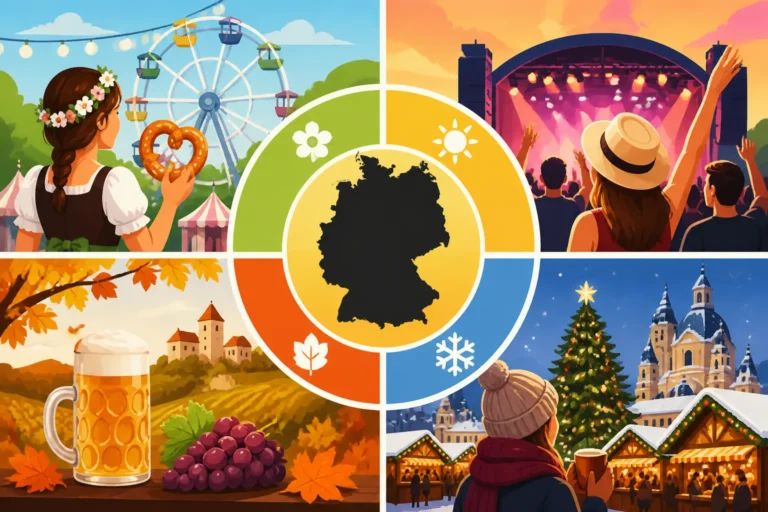
To truly enjoy a traditional folk festival, you have to look past the giant Ferris wheels and the scent of roasted almonds. For Germans, a Volksfest is a seasonal milestone. These events are deeply rooted in history, often originating as agricultural fairs or celebrations of local identity. Whether you are at a massive event like the Cannstatter Wasen in Stuttgart or a small-town Schützenfest, the vibe is a unique blend of high-energy carnival and traditional community gathering.
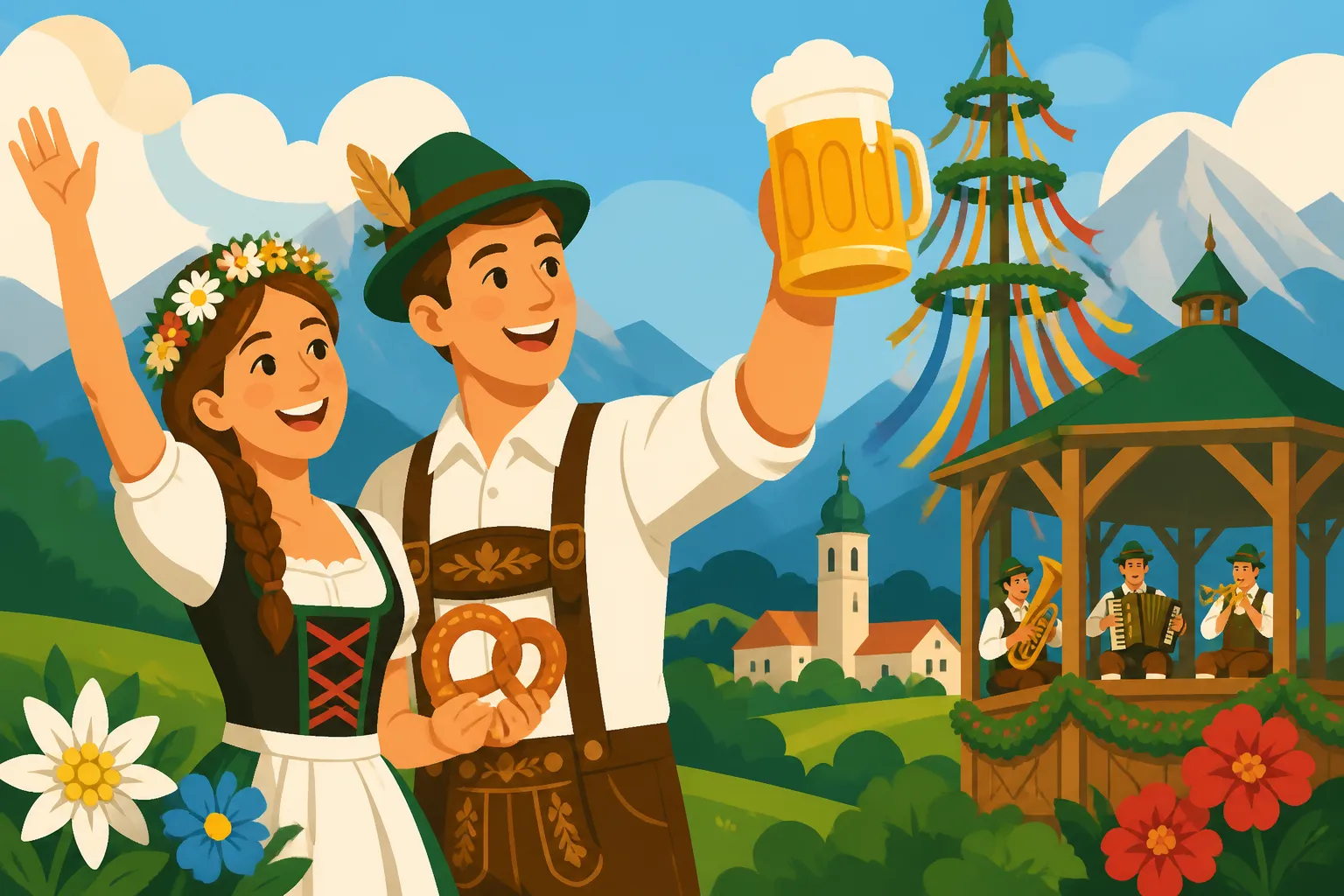
One of the first things you will notice is the "Bierzelt" or beer tent. This isn't just a place to grab a drink; it is the heart of the festival. Inside, you will find long communal tables, Oompah bands playing a mix of Bavarian classics and modern pop hits, and a level of collective joy known as Gemütlichkeit. Understanding the history of these events helps contextualize why they are so important to the local psyche. They provide a space where the rigid structures of daily German life are temporarily set aside in favor of communal singing and celebration. For a deeper look into how these events fit into the broader calendar, check out Festivals, Holidays, and Traditions in Germany.
The cultural significance also extends to the food. While you might be tempted by the standard fairground snacks, a true Volksfest experience involves sitting down for a half-chicken (Hendl) or a giant pretzel (Brezn). These dishes are central to the identity of the event. If you want to know what else to look for on the menu, you might find German Regional Dishes Every Visitor Should Try helpful for navigating the various food stalls.
Logistics and Planning Your Festival Visit
The biggest mistake foreigners make is showing up on a Saturday night without a plan. Major festivals like Oktoberfest in Munich or the Cranger Kirmes in Herne attract millions of people. If you want a seat in a tent, you usually have to book months in advance, often as early as January or February. However, if you missed the booking window, there is still hope. Most tents are required to keep a percentage of their tables unreserved for walk-ins. To snag one of these, you need to arrive by 11:00 AM on weekdays or even earlier on weekends.
When planning your trip, consider using Omio to compare train and bus prices, as driving to a Volksfest is generally a bad idea due to the lack of parking and the obvious conflict with beer consumption. For accommodation, checking Booking.com well in advance is essential, as prices in cities like Munich or Stuttgart can triple during festival weeks. If you prefer a more structured experience, GetYourGuide often offers packages that include tent reservations and guided tours of the festival grounds.
For those who want a more authentic, less crowded experience, look into Local Folk Festivals (Volksfeste) in Germany. These smaller regional fairs often have more soul and are much easier to navigate than the international tourist magnets. You will still get the traditional music and the great beer, but without the three-hour wait for a bathroom.
| Festival Name | Location | Key Feature | Best Time to Visit |
|---|---|---|---|
| Oktoberfest | Munich | The world's largest, iconic tents | Weekdays before 2 PM |
| Cannstatter Wasen | Stuttgart | The "Fruit Column," huge tents | Late September |
| Libori | Paderborn | Mix of religious and secular fair | Late July |
| Cranger Kirmes | Herne | Massive rides and local flair | Early August |
| Gäubodenvolksfest | Straubing | Highly traditional, family-friendly | Mid-August |
Navigating the Unwritten Rules of the Beer Tent
Once you manage to get inside a tent, the real experience begins. Finding a seat is an art form. If a table has a reservation tag on it, pay attention to the time listed. You can often sit there for a few hours if the reservation doesn't start until later in the evening. If you see a gap at a communal table, it is perfectly polite to ask, "Ist hier noch frei?" (Is this spot free?). Once you sit down, you have made a social contract with your neighbors for the next few hours.
Ordering is the next hurdle. In large tents, servers are incredibly busy and handle dozens of heavy glass mugs at once. Catch their eye, keep your order simple, and have your cash ready. While some tents are starting to accept cards, many remain cash-only. This is a common theme across the country, as explained in Why Do So Many Places in Germany Prefer Cash?. When your beer arrives, remember the "Maß" (one-liter mug) is heavy. Hold it by the handle with your thumb on top for stability.
Tipping is also expected and will ensure the server returns to your table more quickly next time. For more on the nuances of gratuity, see Tipping and Service Charges in Germany: Who and How Much to Tip. When it comes to the actual drinking, the "Prost" (cheers) is mandatory. You must make eye contact with everyone you clink glasses with; otherwise, tradition says you are cursed with seven years of bad luck in the bedroom. For a more detailed breakdown of these social nuances, you should read How to Order Beer in Germany Like a Local.
Dressing the Part: Tracht and Essential Gear
While you don't have to wear traditional clothing (Tracht), doing so definitely changes how you are treated. It shows respect for the tradition and makes you feel like part of the community rather than a spectator. For men, this means Lederhosen (leather trousers), a checkered shirt, and Haferlschuhe (traditional shoes). For women, the Dirndl is the standard. However, a word of caution: avoid the "costume" versions sold at souvenir shops near the train station. These are often made of cheap polyester and are the "tourist uniform" that locals can spot from a mile away.
If you are going to invest in a Dirndl, pay attention to where you tie the bow on your apron. A bow tied on the left means you are single, on the right means you are married or taken, and in the middle can mean you are a virgin (or just confused), while a bow in the back is for widows or servers. This is one of those Common Cultural Surprises for First-Time Visitors to Germany that can save you from an awkward conversation.
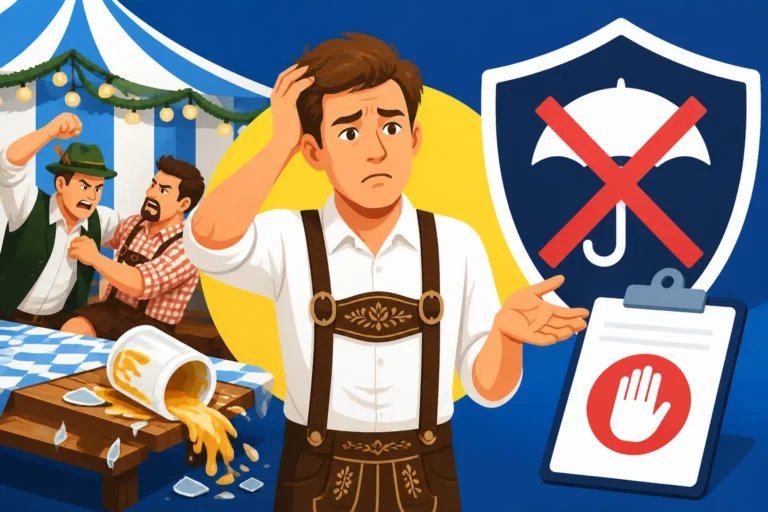
Beyond the clothes, think about what you carry. Security at the entrance of these festivals has become much stricter in recent years. Large backpacks are usually banned, and there are often size limits for small bags. Stick to the essentials: your phone, an ID, and plenty of cash. If you are staying in a hotel booked through Booking.com, keep a physical card with the hotel address on it just in case your phone battery dies after a long day of "Schunkeln" (swaying to the music). For those visiting Munich specifically, understanding the difference between the modern tents and the "Oide Wiesn" (the historic section) is vital. You can find more tips on this in How to Experience a Beer Hall in Munich.
Embracing the Festival Atmosphere Beyond the Beer
While the tents get all the glory, the "Schausteller" (showmen) and their rides are what provide the true carnival atmosphere. Many German folk festivals feature cutting-edge thrill rides that travel the country from fair to fair. Taking a ride on a massive swing or a traditional wooden roller coaster provides a great break from the heavy food and drink.
If you are traveling with family, look for "Familientage" (family days), usually held on Tuesdays or Wednesdays, where rides and food are significantly discounted. The atmosphere during the day is much more relaxed and suitable for children. To get the most out of your time, you can often find skip-the-line tickets for major attractions or regional tours on GetYourGuide, which can be a lifesaver if you are on a tight schedule.
Don't forget the smaller stalls selling Lebkuchenherzen (gingerbread hearts). These aren't really for eating—they are quite hard—but are meant to be worn around the neck and given as gifts. Reading the funny or sweet German phrases on them is a great way to practice your language skills. If you are curious about how these customs differ from everyday German life, check out Beer Gardens and Beer Halls in Germany for a comparison of the more permanent drinking establishments. Finally, before you go, make sure you know What to Wear to Oktoberfest (Dirndl and Lederhosen) to ensure your outfit is respectful and traditional.
Disclaimer
The information provided in this guide is for informational purposes only. Festival dates, reservation policies, and security regulations in Germany can change frequently. Always check the official website of the specific festival you plan to attend for the most up-to-date information. Drinking culture in Germany is celebratory but should be approached responsibly. Ensure you have a safe way to return to your accommodation.