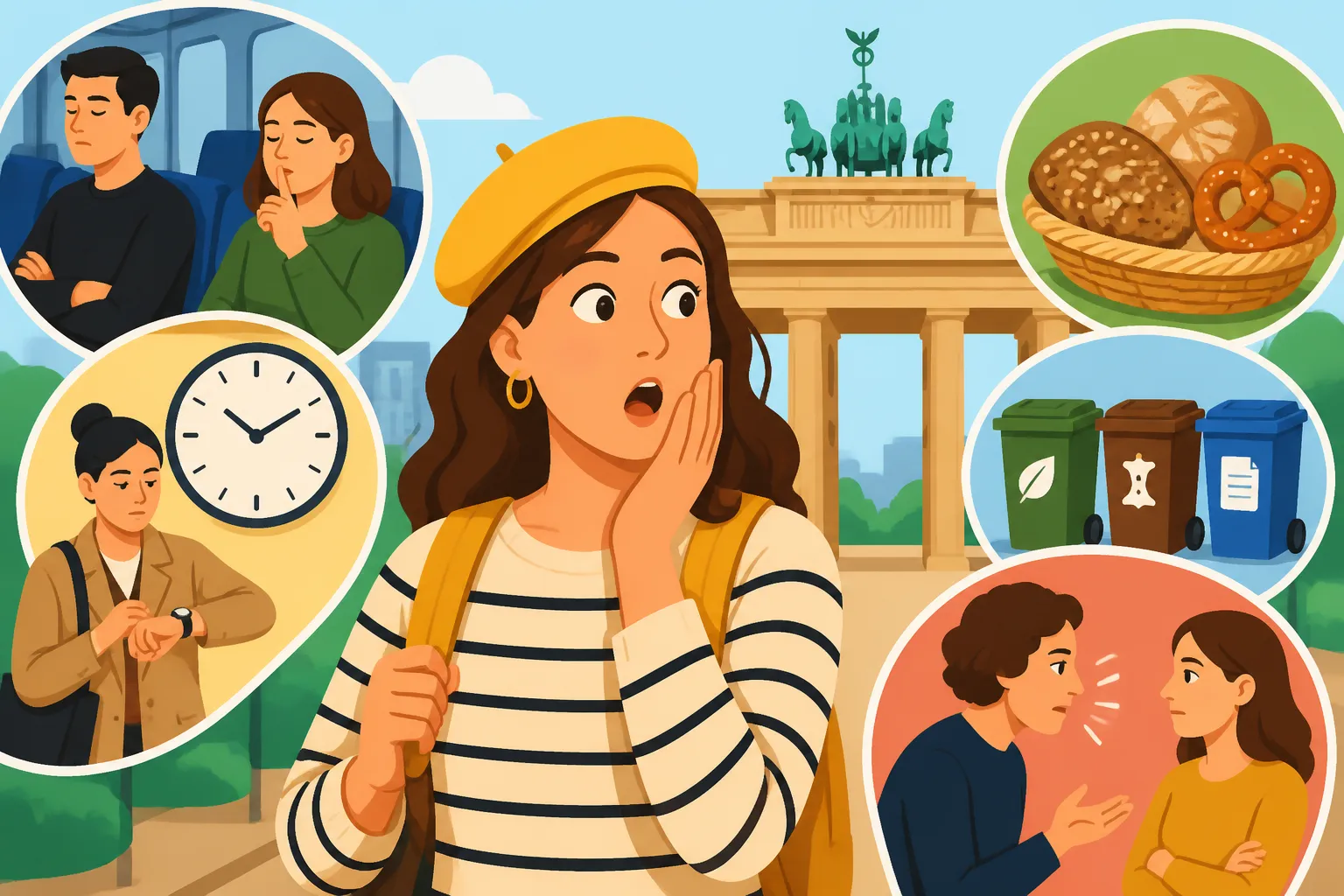
Common Cultural Surprises for First-Time Visitors to Germany
When you first arrive in Germany, you might think you’re prepared, having read all the travel guides and watched countless YouTube videos. But trust me, some things you just have to experience to believe. The bureaucratic hurdles, the quiet Sundays, the direct communication – these are the moments that can catch any newcomer off guard. This guide is here to walk you through those common cultural surprises, offering an empathetic nod to your potential frustrations and helping you navigate them with the grace of a seasoned expat.
Disclosure: This post may contain affiliate links. We may earn a commission at no extra cost to you if you make a purchase through these links. Read full disclosure.
The German Concept of Punctuality and Order
One of the first things that will likely hit you, perhaps even before your luggage does, is Germany’s profound dedication to punctuality and order. It’s not just a suggestion; it’s an ingrained way of life that dictates everything from train schedules to social appointments. You might be used to a more flexible approach to time, but here, five minutes early is on time, on time is late, and late is a cardinal sin.
Time is Not Just Money, It’s Respect
In Germany, showing up late, even by a few minutes, isn't just an inconvenience; it can be perceived as disrespectful. It implies you don't value the other person's time, which is a big no-no. Whether it's a job interview, a doctor's appointment, or even meeting a friend for coffee, being prompt is key. Imagine you're meeting someone for lunch at 1 PM. If you stroll in at 1:05 PM, they've likely already been sitting there for five to ten minutes, perhaps even with their coffee ordered, wondering if you got lost or simply don't care. This isn't about being overly rigid; it's about a cultural understanding that everyone's time is valuable. From personal experience, I once arrived just two minutes late to a bureaucratic appointment, and the stern look I received from the official made it clear I'd already started on the wrong foot. Always aim to be a bit early, giving yourself a buffer for unexpected delays.
Rule Following and Structure
If you're accustomed to a bit of creative interpretation when it comes to rules, Germany might feel like a cold shower. Here, rules are not merely guidelines; they are established frameworks designed to ensure societal harmony and efficiency. Crossing the street against a red pedestrian light, even when no cars are in sight, can draw disapproving stares or even a sharp rebuke from a passing local. It's not about being a killjoy; it's about a collective understanding that everyone adhering to the rules keeps things running smoothly and safely for all. This applies to everything from traffic laws to queuing. You'll find that Germans appreciate clear processes and adherence to these structures, often feeling uncomfortable when these norms are challenged. This deep-seated appreciation for order extends into every aspect of life, making the country run with a precision that can be both comforting and, at times, a bit stifling for those used to more spontaneity.
Sundays are Sacred and Silent
Ah, Sunday. In many parts of the world, it’s a day for bustling markets, DIY projects, or catching up on errands. In Germany, Sunday, or Sonntag, is largely reserved for rest, family, and quiet contemplation. Most shops are closed, and even doing noisy chores like vacuuming, mowing the lawn, or drilling into walls is generally forbidden due to Ruhezeit (quiet hours). This can be a real shock if you arrive expecting to pop to the supermarket for forgotten groceries or embark on a home renovation project. I learned this the hard way when I first moved, trying to run my washing machine on a Sunday afternoon, only to be met with a polite but firm knock from a neighbor reminding me of the rules. For a deeper dive into this unique aspect of German life, check out our guide on Quiet Hours and Sundays in Germany (Ruhezeit). It's a day to embrace slowness, perhaps visit a park, enjoy a leisurely meal, or explore a museum. Plan your errands and shopping accordingly for the rest of the week!
Social Interactions and Communication Style
Navigating social interactions in Germany can feel like decoding a complex language, even if you speak German fluently. The approach to conversation, personal space, and relationship building often differs significantly from what many visitors are used to, leading to some truly surprising moments.
Directness and Honesty
One of the biggest cultural surprises for many newcomers is the German communication style: it's incredibly direct. What might be considered blunt or even rude in other cultures is often simply perceived as honest and efficient here. If your German colleague tells you your idea "isn't good," they're not necessarily trying to offend you; they're genuinely offering their unfiltered assessment. This directness extends to all aspects of life. Don't be surprised if a shop assistant tells you a certain item doesn't suit you, or if a stranger corrects your pronunciation on the street. It’s rarely meant maliciously; it’s usually an attempt to be helpful or to ensure clarity. While it can feel jarring at first, you'll soon learn to appreciate that you often know exactly where you stand with Germans, and there's little need to read between the lines. This straightforwardness can actually simplify communication once you get used to it.
The “Du” and “Sie” Distinction
This one trips up almost everyone! German has two forms of "you": Du (informal) and Sie (formal). Using the wrong one can lead to awkwardness or even offense. Generally, Sie is used with strangers, older people, in professional settings, and with anyone you don't know well. Du is for friends, family, children, and people you’ve been explicitly invited to dutzen (use Du with). The general rule of thumb: always start with Sie unless invited otherwise. A classic scenario is a casual conversation at a bar. You might naturally use Du, thinking it’s informal. However, for many Germans, especially outside younger circles, the default is Sie until a relationship is established. It's a subtle but powerful social marker. For a comprehensive explanation of how to navigate this linguistic minefield, our article on Du or Sie? Navigating Formal and Informal German Address is a must-read. It really highlights how deeply ingrained this distinction is in the language and culture.
Small Talk and Personal Space
If you're a fan of lengthy, meandering small talk, you might find German social interactions a bit sparse. Germans tend to be more reserved and private, especially with strangers. While they are perfectly polite, they don’t typically engage in extensive chitchat with the person next to them on the bus or in a queue. Conversations are often more purposeful and direct, focusing on substance rather than superficial pleasantries. This also extends to personal space. Germans generally appreciate a bit more distance than people from some other cultures. Don't be surprised if someone takes a step back if you lean in too close during a conversation. This isn't a sign of unfriendliness, but simply a different cultural norm around proximity. While it might feel a bit cool at first, it often signifies a deeper, more meaningful connection once you do break through that initial reserve. So, give them space, be patient, and when conversations happen, they often hold more weight.
Dining and Shopping Experiences
Dining and shopping in Germany offer their own set of cultural quirks that can be quite surprising for first-time visitors. From payment methods to pharmaceutical encounters, things are done a bit differently here.
Cash is King (Still!)
Despite being a technologically advanced nation, Germany remains surprisingly reliant on cash. You might arrive with your fancy credit cards, ready to tap and go, only to find yourself scrambling for euros at an ATM. Many smaller shops, bakeries, cafes, and even some restaurants prefer or only accept cash, or Bargeld. Even in places that do accept cards, it's often the EC-Karte (Girocard), which is a German debit card, not always international credit cards like Visa or Mastercard. While larger cities and chain stores are becoming more card-friendly, it’s always wise to carry a decent amount of cash, especially if you’re venturing outside the major metropolitan areas or planning to visit local markets. I’ve been caught out many times, standing awkwardly at the till while others pay swiftly with cash. For a comprehensive look at this phenomenon, our guide on Cash vs Card in Germany: What Visitors Should Know is invaluable. It helps prepare you for those moments when plastic just won't cut it.
The Apotheke Experience
Forget popping into a drugstore for a wide array of over-the-counter medicines, toiletries, and snacks. In Germany, pharmacies, known as Apotheken, are specialized medical establishments. They are highly regulated and staffed by trained pharmacists who offer advice and dispense medication. You won't find a casual rack of ibuprofen next to a candy aisle. For most medications, even seemingly common ones like strong pain relievers or cold remedies, you'll need to speak to the pharmacist. They will often ask about your symptoms and might recommend specific, sometimes unfamiliar, German brands. While this can feel a bit formal, it ensures you get the right advice and medication. For everyday toiletries, cosmetics, and general health items that aren't strict medicines, you'll head to a Drogerie like dm or Rossmann, which are very different from an Apotheke. Confused? Don't worry, our article, Understanding German Pharmacies vs Drugstores: Where to Get What, breaks it all down. The red “A” sign outside is your universal sign for an Apotheke – trust it! For finding an open Apotheke after hours, there's even a handy system, which we cover in The German Apotheke Experience: Why Pharmacies Are More Than Just Medicine.
Understanding Pfand and Recycling
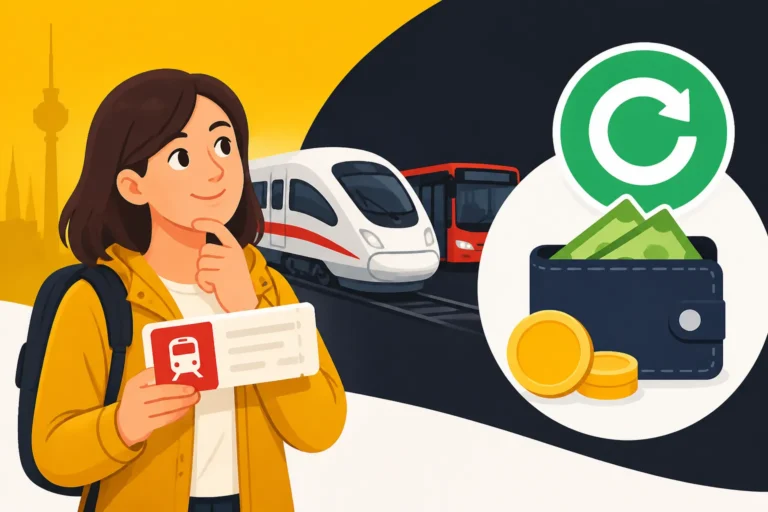
Germany is a champion of recycling, and you'll quickly become familiar with the Pfand system. Pfand is a deposit you pay on certain bottles (plastic and glass) and cans when you buy them. You get this deposit back when you return the empty containers to a designated machine, typically found in supermarkets. This system is incredibly effective at encouraging recycling and ensures a high return rate for packaging. But it means you can't just toss your empty water bottle in any trash can. You need to keep them separate, unbroken, and with labels intact to ensure your deposit is refunded. Beyond Pfand, waste sorting, or Mülltrennung, is a serious business. You'll likely encounter multiple bins for different types of waste: paper (Papier), organic waste (Bio), packaging (Gelber Sack/Tonne), and general waste (Restmüll). Getting it wrong can sometimes lead to fines or unhappy neighbors! To become a recycling pro, dive into our guide on the German Recycling System Explained: How to Sort Trash and Recycle Properly. It’s a bit of a learning curve, but it truly makes a difference.
Service Expectations and Customer Interaction
When it comes to customer service, Germany often operates under a different philosophy than what you might be used to, prioritizing efficiency and factual information over effusive friendliness or extensive hand-holding. This can be a significant cultural surprise, sometimes leading to perceived rudeness or unhelpfulness when it's just a different approach.
Efficiency Over Friendliness
In many customer service interactions, Germans tend to be direct and transactional. Don't expect overly cheerful greetings or prolonged pleasantries. The goal is often to get straight to the point, resolve the issue efficiently, and move on. This isn't a lack of warmth; it's simply a different approach to professionalism. A shop assistant might not offer a broad smile or engage in small talk, but they will likely be highly competent and provide accurate information. I remember being surprised when a cashier, without a word, scanned my groceries faster than I had ever seen – efficient, yes, but no "hello" or "how are you." This focus on efficiency can be incredibly effective, but for those used to more outwardly friendly service, it can initially feel a bit cold or even off-putting. It’s important to understand that politeness is still there, just expressed differently, often through competence and directness rather than overt emotional expression.
Self-Service is the Norm
Many processes in Germany are designed for self-service, empowering individuals to manage their own affairs. This is evident in supermarkets, where bagging your own groceries is standard, and at train stations, where buying tickets from machines is common. Even in restaurants, you might find that you need to actively call over a waiter rather than expecting them to constantly check on you. This can be a stark contrast to cultures where staff are expected to be highly proactive. For example, buying train tickets through the Deutsche Bahn app or from ticket machines is the norm, and expecting a lengthy conversation with a ticket agent might leave you waiting. Tools like the Deutsche Bahn Guide: Using Trains for City and Long-Distance Travel can help you master the self-service approach to German transport. It’s a system built on trust and the expectation that individuals are capable and responsible for navigating processes themselves.
Restaurant Etiquette and Tipping
Dining out in Germany also comes with its own set of unwritten rules. Firstly, service can feel slower than in some countries, but this is often because the meal is seen as an experience to be savored, not rushed. Waiters won't typically bring the bill until you explicitly ask for it, as it's considered impolite to rush guests. When you do ask, they’ll usually bring it to your table and calculate the total right there. Tipping, while appreciated, is different too. It's not usually a large percentage, but rather rounding up to a convenient amount. For example, if a meal is €23.50, you might say "25 Euro" when paying, or "Stimmt so" (keep the change) if it’s a small amount. A 5-10% tip is generally considered generous for good service, but anything higher is uncommon. You rarely leave the money on the table; you tell the server your desired total when they bring the bill. For more details on this, our German Dining Etiquette: Eating Out, Tipping, and Table Manners article offers excellent advice. Don't forget, using services like Omio or GetYourGuide for booking tours or transport means you're already familiar with efficient booking, but dining is still a bit more traditional.
Public Transport and Mobility
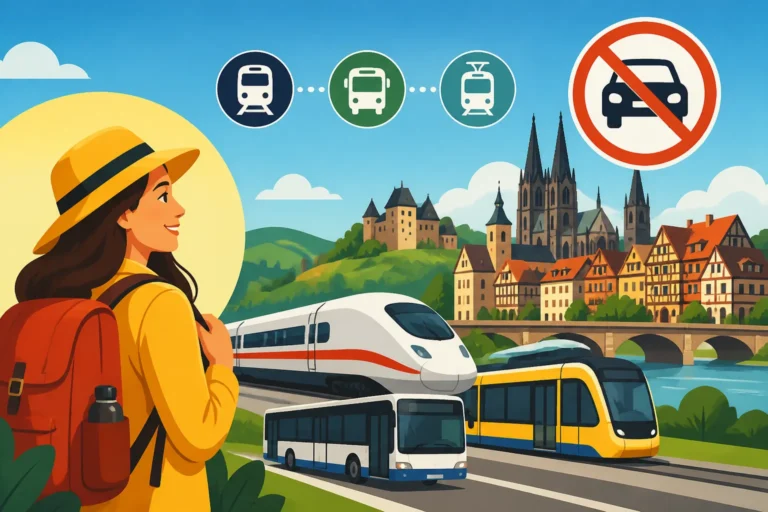
Germany’s public transport system is renowned for its efficiency, but even here, there are nuances that can surprise first-time visitors. The blend of independence and strict adherence to rules creates a unique travel environment.
The Honor System (with a Catch)
One of the most striking differences for many is the "honor system" on public transport. In many German cities, there are no turnstiles or gates to pass through when entering a tram, bus, U-Bahn, or S-Bahn. You simply get on, and it's assumed you have a valid ticket. However, this isn't an invitation to ride for free. Plain-clothed ticket inspectors regularly check for valid tickets, and if you’re caught without one, the fines are hefty – currently around €60! This trust-based system works because of the high penalties for non-compliance. It's essential to always buy and validate your ticket before you board. Validate means stamping it in a small machine at the platform or on the vehicle itself. A ticket you bought but didn't validate is as good as no ticket. This system fosters personal responsibility and efficiency, but can catch out unaware tourists. To ensure you’re always riding legally, refer to our guide on Public Transport Tickets and Passes: Navigating German Transit Systems.
Precision and Planning
German public transport, whether it's the U-Bahn, S-Bahn, regional trains, or the high-speed ICE, is famous for its punctuality. Departures and arrivals are planned down to the minute, and announcements are clear (though often only in German). This precision means you can generally trust published schedules, and delays, while they happen, are often communicated. However, this also means that if you're even a minute or two late for a connection, the train will likely have already left. It’s not like in some countries where a train might wait a bit. Germans expect you to plan and be ready. Apps like the DB Navigator are essential for real-time information and planning. While the system is excellent, you're expected to take responsibility for your journey. Platforms are clearly marked, but finding your way to the correct track sometimes requires navigating large stations, so factor in extra time. If you're planning longer journeys, Omio is an excellent resource for comparing train, bus, and flight options across Germany and Europe, ensuring you plan your travel precisely.
Cycling Everywhere
You'll quickly notice that cycling isn't just a leisure activity in Germany; it's a primary mode of transport for many. Cities are crisscrossed with dedicated bike lanes, and you'll see people of all ages commuting, running errands, and socializing by bike, even in less-than-ideal weather. The surprise isn't just the sheer number of cyclists, but also their confidence and the distinct rules of the road. Pedestrians often find themselves inadvertently stepping into a bike lane, only to be met with a stern ring of a bell or a quick shout. Bike lanes are for bikes, and pedestrians need to stay on the sidewalks. Cars also respect cyclists more than in some countries, though awareness is still crucial. If you're walking, always be aware of your surroundings, especially when crossing what appears to be a footpath—it might actually be a designated bike path. Embracing cycling can be a fantastic way to explore German cities, and many places offer bike rentals, making it easy for visitors to join the local two-wheeled traffic.
Other Everyday Quirks
Beyond the major cultural touchstones, there are several smaller, yet equally surprising, aspects of daily life in Germany that can leave first-time visitors scratching their heads.
The Unfurnished Kitchen Phenomenon
Prepare yourself for a truly unique German rental quirk: the "empty kitchen" syndrome. Unlike many countries where apartments come with a fitted kitchen, it's very common in Germany for rental apartments to come completely devoid of kitchen cabinets, appliances, or even a sink. Yes, you read that right. You might find yourself staring at four bare walls with plumbing connections. This means tenants are often expected to buy and install their own kitchen (Einbauküche), and then take it with them when they move. This can be a huge, unexpected expense and logistical challenge. While some apartments do come with an Einbauküche (often mentioned explicitly in the listing as EBK), many don't. I've heard countless tales of expats inheriting kitchens from previous tenants, or spending fortunes on new ones. It’s one of those things that feels utterly bizarre if you're not prepared for it. For a deeper understanding of this peculiar situation, read our article Why Are German Apartments Often Unfurnished? Understanding the Culture.
Quiet Hours (Ruhezeit) Are Real
We touched on Sundays, but Ruhezeit (quiet hours) extend beyond just the Sabbath. These designated times for quiet, typically between 1 PM and 3 PM (midday rest, Mittagsruhe), and from 10 PM to 6 or 7 AM, are often legally enforced or stipulated in rental contracts. During these hours, loud noises like drilling, playing loud music, or even running a washing machine in an apartment building with thin walls can lead to complaints from neighbors. Germans value their peace and quiet, and respecting Ruhezeit is a crucial aspect of good neighborly relations. It's a testament to the collective agreement on maintaining a peaceful living environment. I once had a neighbor politely, yet firmly, ask me to turn down my music at 9:55 PM. It was a clear reminder that these rules are taken seriously.
Windows, Airing, and Drafts (Lüften)
You'll quickly notice that Germans are obsessed with airing out their homes, a practice called Lüften. Even in the coldest winter months, you’ll see windows flung wide open for several minutes at a time, often multiple times a day. This isn't just for fresh air; it's a preventative measure against mold (Schimmel), a serious concern in well-insulated German homes. While you might be tempted to keep windows closed to conserve heat, locals will tell you that regular Stoßlüften (shock ventilation) is essential. So, don't be surprised if your host or colleagues suggest opening the windows, even if it feels chilly. They are trying to be helpful! Embrace the draft, open those windows, and learn the art of efficient ventilation – your health and your landlord will thank you.
| Cultural Expectation (Common for Visitors) | German Reality | Impact on Visitor |
|---|---|---|
| Flexible Punctuality | Strict Punctuality | Need to be early for appointments; perceived as rude if late. |
| Extensive Small Talk | Direct Communication | Conversations are often more purposeful; less casual chitchat. |
| Card Payments Accepted Everywhere | Cash Preferred/Required | Always carry cash (€€); some places only accept German debit cards. |
| Drugstores for All Needs | Apotheke for Medicine, Drogerie for Toiletries | Specialized pharmacies for medicine; need to know where to go for what. |
| Service Staff Are Overly Friendly | Efficient and Direct Service | Less effusive, but highly competent service. |
| Passive Tipping (Leaving on Table) | Active Tipping (State Amount to Server) | Understand how to correctly give a tip to your server. |
| Free Riding on Public Transport Possible | Honor System with Hefty Fines | Always buy and validate tickets; inspectors are frequent. |
| Kitchens Come Fitted | Kitchens Often Bare (No Cabinets/Appliances) | Prepare for significant unexpected costs and logistics for kitchen. |
| Sundays are for Errands/Noise | Sundays are for Rest (Quiet Hours) | Plan errands for weekdays; respect noise restrictions. |
| Windows Stay Closed in Winter | Regular "Lüften" (Airing Out) | Embrace opening windows, even when cold, to prevent mold. |
These cultural surprises, while sometimes challenging, are part of the unique fabric of Germany. With a bit of understanding and an open mind, you'll soon find yourself navigating German life like a pro, perhaps even finding charm in its particularities. Remember that resources like Booking.com can help you find accommodation that aligns with your comfort levels regarding things like kitchen availability, especially for longer stays, where the unfurnished kitchen might be a significant factor.
Disclaimer
Please remember that cultural norms can vary by region within Germany and may evolve over time. This guide offers general observations based on common expat experiences. Always approach new situations with an open mind and a willingness to learn.