Germany’s Great Museums: Museum Island and Beyond
Oh, my fellow expats and travel enthusiasts, delving into Germany's museum scene can feel like trying to drink from a firehose – utterly overwhelming, yet so incredibly tempting! With centuries of history, groundbreaking scientific discoveries, and artistic masterpieces around every corner, you could spend a lifetime here and still only scratch the surface. This guide is here to cut through the noise, helping you navigate the incredible array of cultural treasures, starting with the iconic Museum Island in Berlin and venturing out to other must-see institutions across the country.
Disclosure: This post may contain affiliate links. We may earn a commission at no extra cost to you if you make a purchase through these links. Read full disclosure.
Berlin's Museum Island: A UNESCO World Heritage Site
Imagine a place where five world-class museums stand shoulder-to-shoulder, each a monumental testament to art, history, and human ingenuity. That's Museum Island for you, tucked away on the Spree River in the heart of Berlin. It's not just a collection of buildings; it’s a journey through time and culture, recognized as a UNESCO World Heritage site since 1999.
The Grand Ensemble and Its History
This isn't just a haphazard grouping of museums. Museum Island was a grand vision, conceived in the 19th century under Prussian kings who sought to create a "sanctuary for art and science." The idea was to bring together vast collections under one roof, or rather, several magnificent roofs, creating a unique district dedicated to the pursuit of knowledge and beauty. The architectural ensemble itself is breathtaking, a stunning example of Neoclassical and historical revival styles that reflect the ambition and intellectual fervor of the era. You can feel the weight of history as you walk among these buildings, each designed by prominent architects of its time, such as Karl Friedrich Schinkel and Alfred Messel, contributing to a cohesive yet diverse aesthetic that makes simply being there an experience.
The evolution of Museum Island spanned over a century, with each museum added contributing to its overarching narrative. From the very first public museum in Prussia, the Altes Museum, to the eventually completed Bode-Museum, the island grew to house collections that aimed to encompass human civilization from prehistory to the present. The vision was not just about showcasing artifacts but about educating the public and fostering a sense of shared heritage. It's a place where you can literally spend days immersing yourself in different epochs and cultures, all within a few minutes' walk of each other.
Exploring the Five Major Museums
Each of the five institutions on Museum Island offers a distinct dive into human civilization. It’s impossible to see everything in one day, so many expats and tourists opt for a multi-day pass or pick one or two museums to focus on during their visit.
First up is the Pergamon Museum, arguably the most famous and, currently, the most challenging to visit due to extensive renovations expected to last until at least 2027. However, even with parts closed, its impact is undeniable. Before its closure, visitors marveled at the sheer scale of the Pergamon Altar (currently not viewable), the vibrant Ishtar Gate from ancient Babylon, and the reconstructed Market Gate of Miletus. The museum's collection of Islamic Art is also phenomenal, offering intricate carpets, delicate ceramics, and stunning architectural elements. If you're planning a visit to Berlin, it's wise to check the latest updates on the Pergamon Museum's website, as they often have temporary exhibitions or smaller sections open.
Next, we have the Altes Museum, which feels like stepping into ancient Greece and Rome. Designed by Karl Friedrich Schinkel, its majestic rotunda is inspired by the Pantheon in Rome, creating an immediate sense of grandeur. Here, you'll find an impressive collection of classical antiquities, including statues, vases, and jewelry from ancient Greece and the Roman Empire. It’s a fantastic place to spend a few hours appreciating the foundational art and culture that shaped much of Western civilization.
The Neues Museum, or "New Museum," houses the Egyptian Museum and Papyrus Collection, and it's here that you’ll encounter one of Berlin's most iconic residents: the Bust of Nefertiti. This breathtaking sculpture is over 3,300 years old and retains its vibrant colors, making it an absolute must-see. Beyond Nefertiti, the museum also covers prehistory and early history, with fascinating artifacts from the Stone Age, Bronze Age, and Iron Age, including Heinrich Schliemann's collection from Troy. The building itself is a masterpiece of architectural restoration, blending preserved historical elements with modern design.
The Alte Nationalgalerie (Old National Gallery) is a treasure trove for lovers of 19th-century art. Housed in a temple-like building, it showcases masterpieces from German Romanticism, French Impressionism, and early Modernism. You can admire works by Caspar David Friedrich, Édouard Manet, Claude Monet, and August Renoir, offering a serene journey through a pivotal era in art history. It’s a wonderful contrast to the ancient artifacts, providing a glimpse into the artistic movements that profoundly influenced Europe.
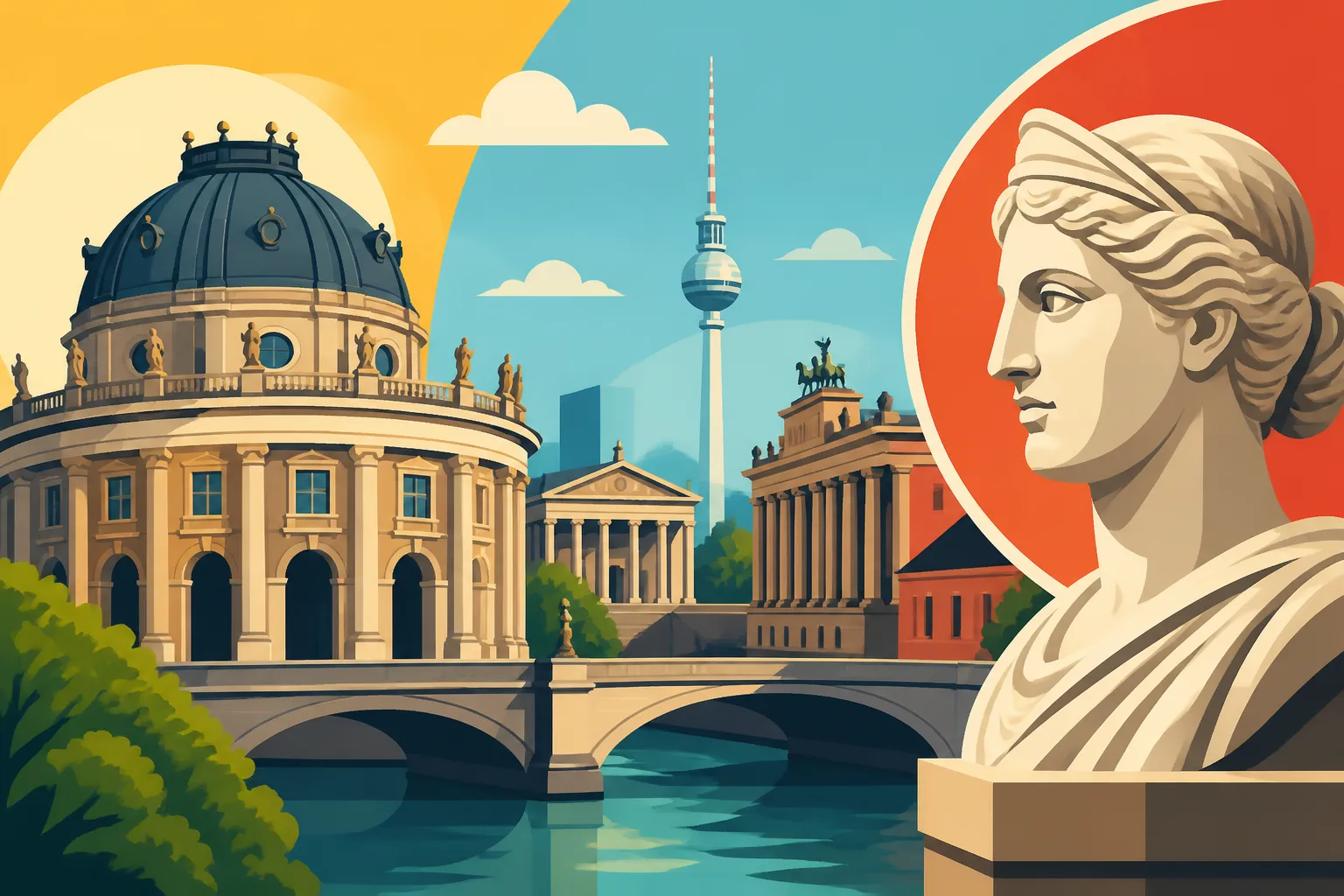
Finally, the Bode-Museum, located at the northern tip of the island, is recognizable by its grand dome. It boasts an extensive collection of sculptures from the Byzantine period to the 18th century, as well as an impressive display of Byzantine art and a vast coin collection (Münzkabinett). Walking through its opulent halls, you’ll find intricately carved wooden altars, stunning religious sculptures, and a fascinating numismatic journey spanning millennia. Each museum truly offers a unique narrative, making Museum Island an unparalleled cultural experience.
Practical Tips for Visiting Museum Island
Navigating Museum Island efficiently requires a little planning. First off, ticketing: you can buy individual tickets for each museum, but if you plan to visit multiple, a Museum Island Pass is usually your best bet. This pass grants you access to all open museums on the island over a specific period, often saving you money and time. It’s highly recommended to book your tickets online in advance, especially during peak tourist season, to avoid long queues. Websites like GetYourGuide offer various options, including guided tours of specific museums or combination tickets that might also include other Berlin attractions. You can even find tours that help you grasp the magnitude of the collections, allowing you to get a comprehensive overview without feeling too rushed.
When it comes to timing, try to visit during weekday mornings, right after opening, or late afternoons to avoid the thickest crowds. Weekends and public holidays are generally busier. Many museums also have extended opening hours one evening a week, often on Thursdays, which can be a more relaxed time to explore. Don't forget to account for travel time to and from the island; Berlin's excellent public transport system makes it easily accessible, but you'll want to factor in a short walk from the nearest S-Bahn or U-Bahn stations. Around the island, you'll find plenty of cafes and restaurants for a much-needed coffee break or a bite to eat between cultural immersions. Planning your itinerary in advance will ensure you make the most of your visit to this incredible cultural hub. You can find more tips for your stay in the capital in our guide to Berlin for First-Time Visitors: Neighborhoods and Highlights.
Beyond Berlin: Germany's Diverse Museum Landscape
While Berlin’s Museum Island is a crown jewel, Germany’s cultural tapestry is rich and varied, with incredible museums spread across the entire country. From art powerhouses to scientific marvels, there’s something to captivate every curiosity.
Munich's Art Powerhouses: Pinakotheken and Deutsches Museum
Munich, the capital of Bavaria, is a city that blends tradition with modernity, and its museum quarter reflects this beautifully. The Kunstareal (Art Quarter) is home to the three Pinakotheken, a trio of art museums that offer a sweeping view of European art history. The Alte Pinakothek is where you'll encounter the Old Masters. This museum houses an extraordinary collection of European paintings from the 14th to the 18th centuries, featuring works by renowned artists like Rubens, Dürer, Raphael, and Rembrandt. It’s a fantastic journey through the Renaissance, Baroque, and Rococo periods, showcasing the foundational works that defined art for centuries. Each hall offers a chance to stand face-to-face with masterpieces you’ve only ever seen in textbooks.
Just a stone's throw away, the Neue Pinakothek picks up where the Alte Pinakothek leaves off, focusing on 19th-century art. Here, you'll find a stunning array of works from Neoclassicism, Romanticism, Impressionism, and Art Nouveau. Imagine seeing vibrant canvases by Manet, Monet, Degas, and Van Gogh, alongside masterpieces by German artists like Caspar David Friedrich. The transition between the two Pinakotheken provides a powerful narrative of artistic evolution, showing how movements built upon or reacted against their predecessors. It's a truly enlightening experience for any art lover.
Completing the trio is the Pinakothek der Moderne, a striking modern building that houses four major collections under one roof: modern art, architecture, design, and graphic art. From Picasso and Warhol to contemporary installations, this museum covers the breadth of 20th and 21st-century creative expression. It’s an exciting and often thought-provoking space that continually evolves with the art world. For anyone interested in the future of art and design, this is an essential stop. For more on what to explore in the Bavarian capital, check out our guide on Munich for First-Time Visitors: What to See.
Moving away from fine art, Munich is also home to the Deutsches Museum, which proudly claims to be the world's largest museum of science and technology. Located on an island in the Isar River, this institution is an absolute playground for curious minds of all ages. Spanning multiple floors, it covers everything from aerospace and physics to mining and musical instruments. What makes the Deutsches Museum truly stand out are its incredibly interactive exhibits. You can experiment with electricity, witness demonstrations of historical machinery, or even explore a full-size mine replica. It’s a place where learning comes alive, making complex scientific principles accessible and engaging for everyone, including families looking for Family Travel in Germany: Kid-Friendly Cities and Activities.
Frankfurt's Museum Embankment (Museumsufer)
Frankfurt, often seen as Germany's financial hub, might surprise you with its vibrant cultural scene, especially along its "Museumsufer" or Museum Embankment. This stretch along the Main River boasts an impressive concentration of museums, making it incredibly convenient to hop from one cultural experience to another. On any given day, you can stroll along the river and choose from a diverse range of subjects, from art to film to architecture.
The undisputed gem of the Museumsufer is the Städel Museum. This art museum is truly exceptional, offering a comprehensive overview of European art from the early 14th century right up to the present day. You'll find medieval altarpieces, Renaissance portraits, Baroque masterpieces, and works by Impressionists, Expressionists, and contemporary artists. It's rare to find such a continuous narrative of art history under one roof, with masterpieces by artists like Botticelli, Rembrandt, Vermeer, Monet, and Picasso. The Städel manages to feel both grand and intimate, allowing visitors to deeply engage with the art.
Beyond the Städel, you'll find other fascinating institutions. The Museum Giersch der Goethe-Universität focuses on regional art and cultural history, often presenting exhibitions that delve into specific periods or themes related to the Rhine-Main area. It offers a great local perspective that complements the broader European focus of other museums. For something a bit different, the German Film Museum (Deutsches Filmmuseum) takes you on a captivating journey through the history and art of cinema, from its early days to contemporary filmmaking. It explores everything from optical illusions and silent films to special effects and digital storytelling, with interactive exhibits that delight film buffs of all ages.
The Museumsufer truly comes alive during the annual Museumsuferfest (Museum Embankment Festival), one of Germany's largest cultural festivals. Held every August, this event sees the entire embankment transformed into a massive outdoor celebration with live music, food stalls, and extended museum hours, often with special programs and discounted entry. It’s an incredible time to experience Frankfurt’s cultural side. If you're planning a trip to Frankfurt, our Frankfurt City Guide: Skyline, Museums, and Old Town can help you explore the city's highlights.
Dresden's Royal Treasures: Zwinger and Green Vault
Dresden, often called "Florence on the Elbe," is a city steeped in Baroque splendor and royal history. Its most famous cultural landmark is the Zwinger, an architectural marvel that combines palatial grandeur with exquisite gardens. While the Zwinger itself is an open-air palace complex, it houses several world-class museums within its pavilions. The most renowned of these is the Old Masters Picture Gallery (Gemäldegalerie Alte Meister). This gallery is famous for its collection of paintings by European masters from the 15th to the 18th centuries, including iconic works such as Raphael's "Sistine Madonna." The sheer beauty and historical significance of the artworks displayed here make it a must-visit for any art enthusiast.
Another absolute highlight within the Zwinger complex, and indeed in all of Germany, is the Green Vault (Grünes Gewölbe). This is not just a museum; it’s a historic treasure chamber, one of the richest in Europe. The Green Vault is divided into two main sections: the Historic Green Vault and the New Green Vault. The Historic Green Vault aims to recreate the original Baroque display of the treasury of Augustus the Strong, Electors of Saxony and Kings of Poland. Walking through its rooms, you'll be dazzled by an unimaginable array of jewel-encrusted artifacts, gold, silver, and ivory masterworks, all presented without glass cases, giving you an unparalleled sense of proximity to these opulent pieces.
The New Green Vault, while still astonishing, presents its treasures in a more conventional museum setting, using modern display techniques to highlight individual pieces. Here you'll find exquisite jewelry, elaborate figures, and masterpieces of goldsmithing that attest to the incredible wealth and artistic patronage of the Saxon court. From the Cherry Stone with 185 carved faces to the largest green diamond in the world, the "Dresden Green," the collections are simply breathtaking. Tickets for the Historic Green Vault are often timed and sell out quickly, so booking well in advance is essential. Dresden offers a wealth of cultural experiences, and you can learn more about it in our Dresden and Leipzig: Saxony's Cultural Cities guide.
Specialty Museums: From Cars to Castles
Beyond the grand art and history museums, Germany boasts a fascinating array of specialty museums that cater to niche interests, celebrating everything from engineering marvels to fairy-tale legends.
Automotive Icons: Mercedes-Benz and Porsche Museums (Stuttgart)
For car enthusiasts, Stuttgart is a pilgrimage site, home to two of the world's most iconic automotive brands and their spectacular museums. The Mercedes-Benz Museum is a marvel of architecture and engineering, with a distinctive double-helix design that guides visitors on a journey through 130 years of automotive history. Starting from the very first automobile, you ascend through the museum, tracing the evolution of Mercedes-Benz cars, buses, and trucks, interspersed with significant historical events. The exhibitions are not just about vehicles; they tell the story of mobility, innovation, and design, featuring everything from classic racing cars to futuristic concept vehicles. It's an immersive experience that even non-car fans can appreciate for its historical narrative and stunning presentation.
Just a short distance away, the Porsche Museum offers a similarly sleek and captivating experience. Its striking, cantilevered building seems to float above the ground, housing a collection of around 80 vehicles, from legendary race cars to iconic road models. The museum focuses on the brand's philosophy of performance, design, and engineering excellence. You'll see the evolution of the 911, the groundbreaking 356, and numerous motorsport champions. What’s particularly special here is that many of the cars are still fully operational and occasionally driven for events, maintaining their living legacy. Both museums are a testament to German engineering prowess and a must-visit for anyone with an interest in automotive history. Getting to Stuttgart is easy via train, and you can conveniently book your tickets through platforms like Omio, which can help you compare routes and prices.
UNESCO Wonders: Cologne Cathedral and its Treasury
While it’s not a museum in the traditional sense, the Cologne Cathedral (Kölner Dom) is an unparalleled architectural and historical marvel that functions as a living museum, housing priceless art and religious artifacts. A UNESCO World Heritage site, this Gothic masterpiece took over 600 years to build and remains one of Germany’s most visited landmarks. Its sheer scale and intricate details are awe-inspiring, from its towering spires to its stunning stained-glass windows. Stepping inside, you are surrounded by centuries of craftsmanship and devotion.
Within the cathedral, and immediately adjacent to it, you can explore the Cathedral Treasury (Domschatzkammer). This museum houses a remarkable collection of liturgical vessels, reliquaries (including the Shrine of the Three Kings, believed to contain the relics of the Biblical Magi), vestments, and medieval sculptures. It offers a fascinating glimpse into the rich history of the cathedral and its role as a spiritual and cultural center. Additionally, the nearby Roman-Germanic Museum (Römisch-Germanisches Museum), though currently undergoing renovation until approximately 2028, provides extensive insight into the Roman history of Cologne, showcasing artifacts from the city's ancient past as Colonia Claudia Ara Agrippinensium. It’s a testament to the deep layers of history beneath the modern city and highlights how sacred sites often become repositories of cultural heritage.
Historic Residences and Castle Museums
Germany is dotted with thousands of castles, many of which now serve as captivating museums, allowing visitors to step directly into the lives of royalty and nobility. These aren't just buildings; they're immersive historical experiences.
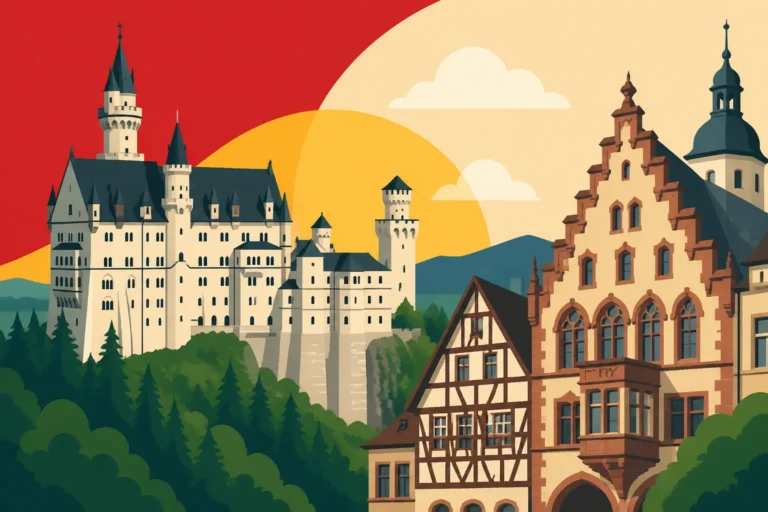
The most famous, of course, is Neuschwanstein Castle in Bavaria. Often referred to as the "fairy-tale castle," it was commissioned by King Ludwig II of Bavaria in the 19th century. While it never fully served its intended purpose as a royal residence, it has become a global icon, inspiring Disney castles and captivating millions. A tour through its lavishly decorated interiors, filled with intricate murals depicting scenes from German legends, is an unforgettable experience. The castle's remote location in the Bavarian Alps adds to its mythical charm, offering breathtaking panoramic views of the surrounding landscape. You can find more details about visiting this and other magnificent fortresses in our guide to Germany's Best Castles: Neuschwanstein and Beyond.
Further north, the majestic ruins of Heidelberg Castle stand sentinel over the city of Heidelberg, embodying the romantic spirit of Germany. Though largely destroyed in the 17th century, its imposing structure and picturesque setting make it one of Germany's most popular historical sites. Visitors can explore its various courtyards, gardens, and the famous Heidelberg Tun, the world's largest wine barrel. There are also several small museum exhibits within the castle complex, detailing its history and the lives of its former inhabitants. The castle offers stunning views of the Neckar River and the Old Town, making it a perfect spot for history buffs and photographers alike. When planning your visit to these popular sites, considering accommodation options nearby can enhance your experience, and platforms like Booking.com can help you find suitable hotels or guesthouses.
Planning Your Museum Visits in Germany
To truly savor Germany’s museum offerings without feeling rushed or overwhelmed, a little advance planning goes a long way. This is especially true for popular attractions.
Ticketing and Museum Passes
Germany's major cities and museum clusters often offer various ticketing options that can save you money and simplify your visit. For example, in Berlin, beyond the Museum Island Pass, you might consider a Berlin WelcomeCard which often includes free public transport and discounts on various attractions, sometimes bundled with museum entry. Similarly, cities like Munich and Hamburg offer their own city passes that can be cost-effective if you plan to visit multiple sites. Always compare the price of a pass against the individual entry fees of the specific museums you intend to visit to ensure it’s actually a saving for your itinerary.
Crucially, for popular museums and special exhibitions, booking your tickets online in advance is highly, highly recommended. This isn't just about saving a few euros; it’s about saving precious vacation time by bypassing long queues, especially during peak season or for blockbuster shows. Many museums use timed entry slots, so securing your preferred time online is essential. Websites for individual museums, or reputable platforms like GetYourGuide, often provide direct booking options and sometimes even offer "skip-the-line" access or combined tickets that include a guided tour, which can greatly enhance your understanding and enjoyment.
Timing Your Visit and Avoiding Crowds
Understanding the rhythm of a museum can drastically improve your experience. Generally, the best times to visit museums are early mornings, right after opening, or late afternoons, about two to three hours before closing. Most tour groups tend to arrive mid-morning and stay until early afternoon, making these hours the busiest. Weekdays are almost always less crowded than weekends and public holidays. If a museum offers specific "late opening" evenings (often Thursdays), these can be particularly pleasant, as the atmosphere is often calmer, and you might even find fewer children.
Consider the time of year as well. Summer holidays (July and August) and major German public holidays will naturally see an increase in visitors. If you prefer a more relaxed pace, visiting during the shoulder seasons (spring or autumn) can offer fewer crowds and more comfortable weather for exploring the surrounding areas. Always check the official website of each museum for their specific opening hours and any special closures before you go.
Practicalities: Luggage, Food, and Accessibility
When planning your museum day, remember some practical details. Most major museums offer coat checks and lockers (often requiring a small coin deposit) where you can store bulky bags, backpacks, and coats. This is not only for security reasons but also for comfort, as carrying heavy items through galleries can become tiring. Always check the museum's policy on bag sizes before you arrive.
Many museums also house excellent cafes and restaurants, ranging from quick coffee stops to full-service dining. These can be perfect for a mid-visit break to refuel and reflect on what you've seen. Some even have lovely outdoor seating areas, perfect for enjoying a German coffee and cake (Kaffee und Kuchen). For those needing to explore places to eat and drink in Germany, our guide on German Food Culture: Eating and Drinking as a Visitor can provide additional tips.
Finally, accessibility is an important consideration. Most major German museums are well-equipped for visitors with disabilities, offering ramps, elevators, and accessible restrooms. It's always a good idea to check the specific museum's website or contact them directly if you have particular accessibility needs, just to ensure a smooth and enjoyable visit. These small details can make a big difference in your overall experience, ensuring you can fully immerse yourself in Germany's incredible cultural offerings. Don't forget, planning your travels also means considering things like Travel Insurance for Trips to and Within Germany for peace of mind.
Here’s a quick overview of some of Germany's exceptional museums:
| Museum Name | City | Focus | Highlights |
|---|---|---|---|
| Pergamon Museum (parts under renovation) | Berlin | Antiquity, Middle East | Ishtar Gate, Market Gate of Miletus |
| Neues Museum | Berlin | Egyptian, Prehistory, Early History | Nefertiti Bust, Heinrich Schliemann Collection |
| Deutsches Museum | Munich | Science & Technology | Interactive exhibits, aerospace, physics |
| Städel Museum | Frankfurt | European Art (14th-present) | Masterpieces from various eras |
| Green Vault (Grünes Gewölbe) | Dresden | Treasure Chamber | Jewel-encrusted artifacts, historical gems |
| Mercedes-Benz Museum | Stuttgart | Automotive History | Evolution of the automobile, concept cars |
| Old Masters Picture Gallery | Dresden | European Old Master Paintings | Raphael's Sistine Madonna |
| Porsche Museum | Stuttgart | Sports Car History | Iconic Porsche 911s, race cars |
Disclaimer
Please remember that information regarding museum opening hours, renovation schedules (especially for the Pergamon Museum and Roman-Germanic Museum), and ticketing policies can change. Always check the official websites of the respective museums or reliable ticketing platforms like Omio, GetYourGuide, and Booking.com for the most current details before planning your visit. While we strive to provide accurate information, circumstances in the fast-paced world of travel and cultural institutions can sometimes shift.