How to Avoid the Crowds in Germany’s Peak Season
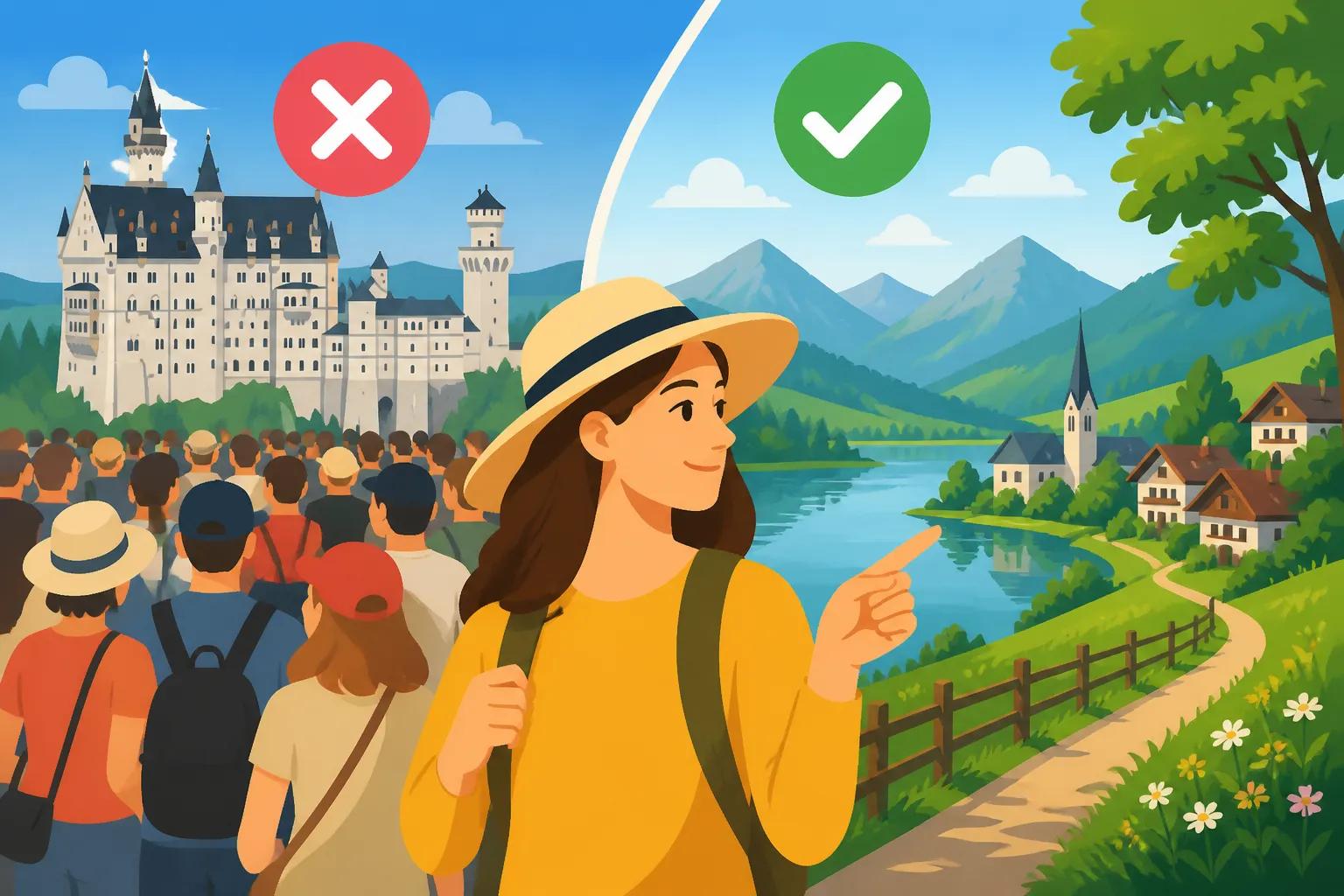
Ah, Germany. A land of fairytale castles, bustling cities, and ancient forests. It’s no wonder so many of us fall in love with it and want to explore every corner. But if you’ve ever tried to visit Neuschwanstein Castle in August or strolled through Munich during Oktoberfest, you know that beauty often comes with a hefty side of humanity. Dealing with peak season crowds can turn a dream vacation into a frustrating experience, leaving you feeling less like an intrepid explorer and more like a sardine in a can. Don't worry, though; having navigated these waters myself for years, I’ve picked up a few tricks. This guide is all about how to dodge the densest crowds, find pockets of serenity, and still have an authentic, unforgettable experience during Germany's busiest travel periods.
Disclosure: This post may contain affiliate links. We may earn a commission at no extra cost to you if you make a purchase through these links. Read full disclosure.
Understanding Germany's Peak Seasons and Why They're So Packed
Before we can master the art of crowd avoidance, we first need to understand the beast itself: Germany's peak travel season. It’s not just one fixed period; it’s a combination of factors that, when they align, can turn charming streets into shoulder-to-shoulder walkways and quiet cafes into noisy waiting rooms.
When and Where the Crowds Converge
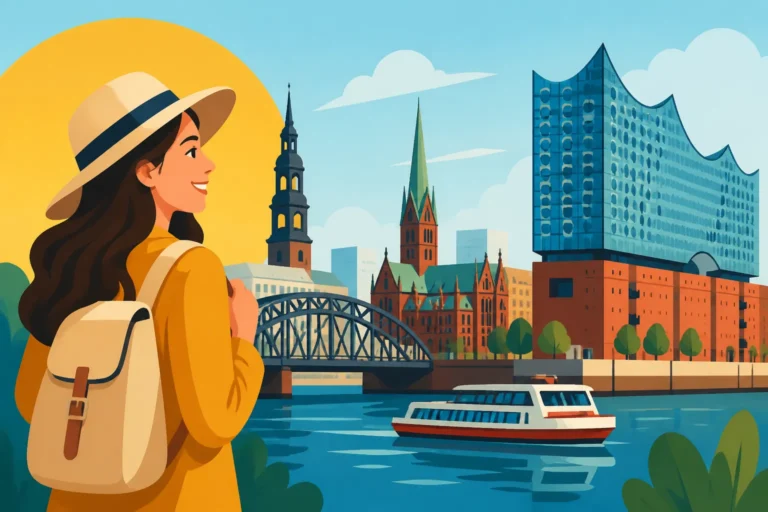
Typically, Germany's primary peak season is the summer, from late June through August. This aligns perfectly with school holidays across Europe and North America, making it a prime time for families and international tourists. The weather is generally at its best – warm, sunny, and perfect for sightseeing, hiking, and enjoying the country's many outdoor festivals. During these months, you'll find the major cities like Berlin, Munich, Hamburg, and Frankfurt buzzing with activity. Iconic sights, historical landmarks, and popular museums will have longer queues, and restaurant reservations might be harder to secure.
Beyond the summer, there are other significant peak periods. The most notable is the Christmas market season, roughly from late November until Christmas Eve. Imagine a cold, crisp German evening, the smell of Glühwein and roasted almonds in the air, twinkling lights, and festive music. It’s truly magical, but everyone else thinks so too! Cities renowned for their markets, like Nuremberg, Dresden, and Cologne, become incredibly dense, especially on weekends and in the evenings.
Another massive draw is Oktoberfest in Munich, typically running for two weeks in late September and early October. This isn't just a peak season; it's a super peak season for Munich, transforming the city into a global party hub. Accommodation prices skyrocket, and the city's transport system is stretched to its limits. Then there are regional festivals, like Karneval in the Rhineland, which create localized crowd surges. Even public holidays, especially long weekends like Easter or Ascension Day, can lead to short, intense bursts of tourism in popular areas as Germans themselves take mini-vacations.
The Allure and the Annoyance of Busy Times
It's easy to see why these times are so popular. Summer offers glorious weather and a vibrant outdoor atmosphere. Christmas markets exude a unique, cozy charm that feels straight out of a storybook. Oktoberfest is, well, Oktoberfest – a world-famous party. These events and seasons are undeniably appealing, drawing people from all corners of the globe.
However, the downsides for those seeking a more relaxed or authentic experience can be significant. Long queues for everything from museum entry to public toilets are a given. Finding a quiet spot for reflection at a historical monument becomes a challenge. The sheer volume of people can make getting around slower, less comfortable, and more expensive. For instance, train tickets (especially last-minute ones through services like Omio) can be pricier, and hotels on Booking.com often sell out far in advance. Even the simple act of finding a table at a desirable restaurant can become a competitive sport. The constant buzz, while sometimes exciting, can also be exhausting, detracting from the very magic you came to Germany to find. This is where a little strategic thinking comes in, helping you navigate the bustle without losing your cool.
Strategic Planning: Timing Your Trip for Tranquility
One of the most effective ways to circumvent the crowds is to simply not be where everyone else is, when everyone else is there. This might sound obvious, but it requires a conscious shift from traditional travel mindsets.
Embracing the Shoulder Seasons
If you absolutely must visit when the weather is good, the shoulder seasons are your best friends. These are April-May (spring) and mid-September-October (autumn), carefully avoiding Oktoberfest.
- Spring (April-May): Germany awakens in spring. The days grow longer, temperatures are mild (though still bring layers, as it can be unpredictable), and the landscapes burst into bloom. Think vibrant tulip fields in the north, blossoming fruit trees along the Deutsche Weinstraße (German Wine Route), and freshly green forests. You'll find fewer tourists than in summer, especially before the Whitsun (Pfingsten) holidays. Major attractions are open, but queues are significantly shorter. City parks are gorgeous, and outdoor seating at cafes starts to appear. It's a fantastic time for hiking or exploring smaller towns without feeling rushed. Prices for flights and accommodation are generally more reasonable than in the peak summer.
- Autumn (Mid-September to October, excluding Oktoberfest): Post-Oktoberfest, usually from mid-October onwards, and before the Christmas markets kick off, autumn is another gem. The weather can be stunning, with crisp, clear days and brilliant fall foliage transforming the forests and vineyards into a painter's palette. This is particularly true in regions like the Black Forest, the Moselle Valley, or the Bavarian Alps. While popular spots like Neuschwanstein Castle will still see visitors, the intensity drops significantly compared to July or August. It’s perfect for scenic drives, wine tasting in quieter villages, and enjoying cozy evenings in traditional Gaststätten. Plus, fewer school groups mean a more adult-focused travel experience.
The Unexpected Charms of Winter
Beyond the dazzling (and crowded) Christmas markets, Germany in winter, from January to March, offers a truly serene and often overlooked experience. If you’re not averse to colder temperatures and shorter daylight hours, you’ll be rewarded with a profound sense of calm.
Imagine walking through a snow-dusted, silent forest, or exploring a medieval town square devoid of tour groups. Many cities take on a quieter, more local rhythm. Museums, often too busy in summer, become havens of cultural exploration. You can actually stand and appreciate an artwork without someone bumping into you. Prices are at their lowest for flights and hotels, and you’ll often feel like you have entire attractions to yourself.
Of course, there are exceptions. Popular ski resorts in the Bavarian Alps will be busy, especially during school breaks. But if you're not planning to hit the slopes, consider exploring destinations like Leipzig or Erfurt, which are beautiful under a blanket of snow and offer rich history and culture without the summer throngs. You can dive into the vibrant cultural scene, enjoy hearty German cuisine, and warm up in cozy cafes. Plus, many towns have fantastic indoor swimming pools and spas ("Thermen") which are especially inviting on a cold day.
Daily Timing Hacks: Outsmarting the Rush
Even if you find yourself traveling during a peak period, you can still significantly reduce your exposure to crowds by being strategic with your daily schedule.
- Early Bird Gets the Worm (and the Photo): Most major attractions, castles, museums, and popular viewpoints experience their biggest influx of visitors between 10 AM and 4 PM. Aim to arrive right when they open, or even 15-30 minutes before. You’ll get to enjoy the peace, capture stunning photos without other tourists in the frame, and experience the grandeur of places like the Brandenburg Gate or Cologne Cathedral in relative solitude. This also applies to popular hiking trails or scenic spots.
- The Late Afternoon Lull: Similarly, visiting attractions in the late afternoon, an hour or two before closing, can also be effective. Many day-trippers will have started heading home, and tour buses will be departing. While you might have less time, the lighter crowd can make for a more enjoyable experience.
- Mealtime Maneuvers: Avoid eating lunch exactly at noon or dinner at 7 PM in popular tourist areas. Opt for a slightly earlier or later meal. You’ll find restaurants less busy, get faster service, and generally have a more relaxed dining experience. Many German restaurants have a Mittagsmenü (lunch menu) that often offers good value slightly before or after peak lunch hours.
By carefully considering when you visit, both in terms of the season and the time of day, you can dramatically improve your experience and avoid the most intense crowd surges.
Smart Travel Choices: Navigating High-Traffic Areas with Grace
Beyond timing, how you travel and where you choose to focus your exploration can make all the difference in avoiding the crush. It’s about being deliberate and making informed decisions.
Off-the-Beaten-Path Destinations
Germany is so much more than Berlin, Munich, and the Romantic Road. While these places are popular for a reason, countless equally charming and historically rich towns and regions offer a quieter, more authentic glimpse into German life.
Instead of battling the crowds in the usual suspects, consider:
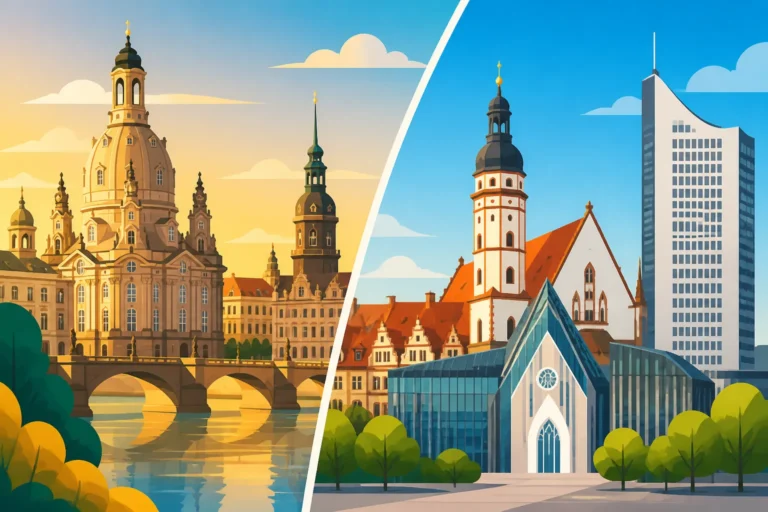
- East Germany's Hidden Gems: Cities like Leipzig and Dresden (outside of Christmas market season, of course) offer incredible history, vibrant culture, and stunning architecture. Leipzig, often called "Hypezig," has a youthful, artistic energy and significant musical heritage (Bach, Mendelssohn). Dresden boasts the reconstructed Frauenkirche and a majestic Old Town along the Elbe River. You’ll find fewer international tourists here compared to the western metropolises.
- Northern Charm Beyond Hamburg: While Hamburg is fantastic, smaller coastal towns along the Baltic Sea (Ostsee) like Lübeck or Stralsund offer picturesque medieval architecture, maritime history, and a laid-back vibe. Or head inland to the Harz Mountains, a magical region of dense forests, medieval castles, and the highest peak in Northern Germany, the Brocken.
- Franken for Foodies and History Buffs: The region of Franconia (Franken) in northern Bavaria is a personal favorite. Instead of Munich, explore Bamberg with its UNESCO-listed Old Town and unique smoked beer, or Würzburg with its stunning Residenz palace. This area is less saturated with international tourists and offers delicious regional cuisine and excellent wine. It's a delightful mix of history and local flavor.
- The Sauerland or Eifel for Nature Lovers: If you crave nature and hiking, consider regions like the Sauerland in North Rhine-Westphalia or the Eifel volcanic region. These areas boast beautiful landscapes, charming small villages, and well-maintained hiking and cycling trails, but are predominantly visited by domestic tourists, meaning fewer large international groups.
By venturing slightly off the typical tourist trail, you can uncover Germany’s lesser-known treasures and enjoy them in greater peace. This is where getting insights from locals or expat forums can really pay off; they often know the best spots. Consider checking out resources like "Where to Live in Germany: City and Region Guide for Foreigners" for more ideas on diverse German locations.
Booking Smart: A Weapon Against the Rush
Even when visiting popular destinations, savvy booking can save you from endless waiting times and disappointment.
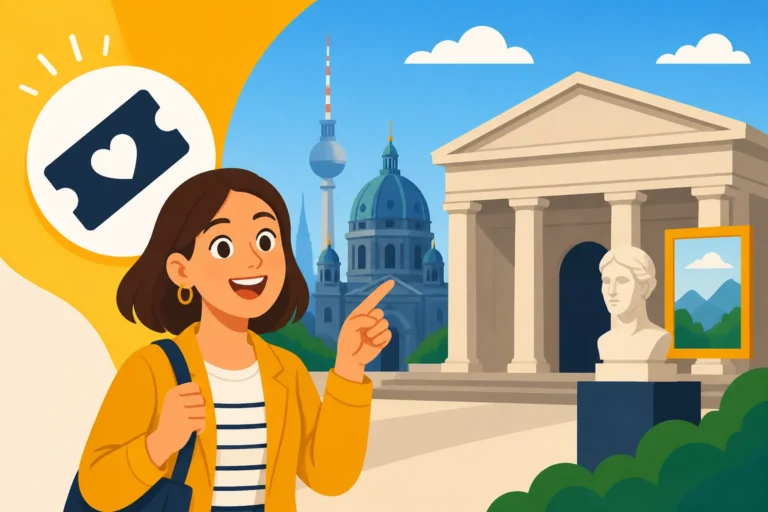
- Pre-Book Absolutely Everything: For popular attractions like Neuschwanstein Castle, the Reichstag in Berlin, or major museum exhibitions, booking your tickets online well in advance is non-negotiable. Many attractions offer "skip-the-line" tickets. Websites like GetYourGuide are excellent for this, allowing you to secure timed entry slots and avoid the ticket counter queues entirely. This isn't just about convenience; it's about controlling your experience.
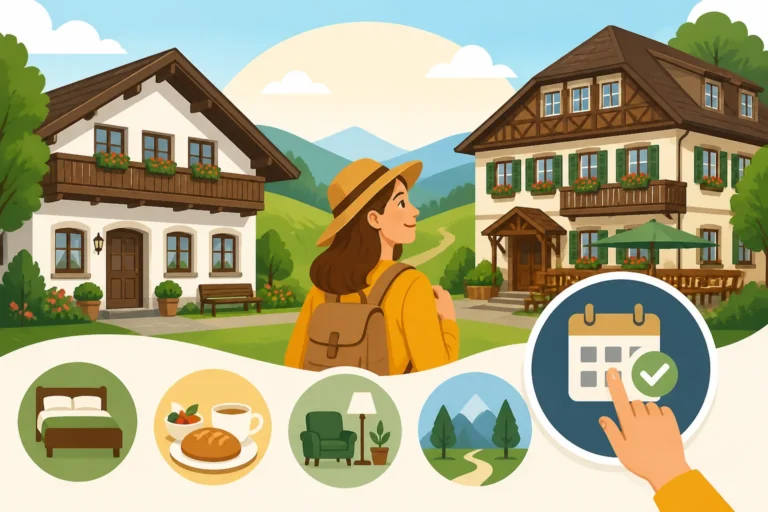
- Accommodation Ahead of Time: Especially during peak season or for specific events (like a major festival), hotels and guesthouses fill up quickly and prices surge. Using platforms like Booking.com months in advance can help you secure better rates and ensure you have a comfortable base. Consider staying slightly outside the absolute city center; often, a short tram or S-Bahn ride can get you to a quieter neighborhood with better value accommodation, while still being well-connected.
- Train Travel: Early Bird Tickets: Deutsche Bahn, Germany's national railway, offers significant discounts (Super Sparpreis, Sparpreis) for tickets booked far in advance. If you know your travel dates and routes, securing these early through the DB website or apps like Omio can save you a bundle and guarantee a seat on popular routes. Spontaneous travel by train during peak season can be expensive and sometimes means standing room only on crowded connections. Look into the "High-Speed Trains in Germany (ICE): Deutsche Bahn Routes and Savings" for more in-depth advice on this.
Transportation Choices: Mobility with Foresight
Your choice of transport can also impact your crowd experience.
- The Joy of the Deutschland-Ticket (if applicable): If you're staying for a month and want to explore regional Germany, the Deutschland-Ticket allows unlimited travel on regional and local public transport for a fixed monthly price. While it won't get you on the fast ICE trains, it's perfect for exploring smaller towns and less-frequented routes, making spontaneous day trips possible without worrying about individual ticket costs.
- Car vs. Train: While Germany's train system is excellent, renting a car offers unparalleled flexibility, especially if you're exploring rural areas, the Black Forest, or the Romantic Road. It allows you to visit small villages, remote castles, and natural parks that might be harder to reach by public transport, thus inherently avoiding the major tourist flows. However, be mindful of city traffic and parking fees. If you're planning to drive, it's good to understand the local rules and regulations by reading up on "Renting a Car and Driving on the Autobahn."
- Walk, Bike, Tram: Within cities, embrace walking, cycling, and the efficient tram systems. These often offer a more pleasant way to get around than crowded buses or U-Bahns, and you'll discover more of the city's character at eye level. Many cities have bike-sharing programs, too.
Experiencing Popular Spots, Differently
Sometimes, you just have to see that famous landmark, no matter how many people are there. The trick is to change your approach, focusing on different perspectives or activities that dilute the crowd impact.
Rethinking the Must-Sees
Just because a place is popular doesn't mean you have to experience it the exact same way everyone else does.
- Beyond the Main Gate: Take Berlin's Brandenburg Gate. Instead of simply standing in front of it with hundreds of others, try to view it from a side street, or explore the surrounding Tiergarten park for a different perspective. Spend more time at the nearby Reichstag Building (pre-book your visit!) or the Memorial to the Murdered Jews of Europe, which, despite being popular, offers spaces for quiet contemplation. Dive deeper into "Best Day Trips From Berlin" for ideas on how to diversify your Berlin itinerary.
- Neighborhood Immersion: In cities like Berlin or Munich, instead of spending all your time in the absolute tourist heart, dedicate more time to exploring vibrant, less central neighborhoods. For instance, in Berlin, areas like Prenzlauer Berg, Kreuzberg, or Neukölln offer fantastic cafes, independent shops, street art, and a more local atmosphere without the same level of tourist density. You’ll get a truer feel for daily life.
- Nighttime Views: Some landmarks, like castles or city squares, are beautifully illuminated at night and are far less crowded after dark. While interior access might be closed, the exterior ambiance can be magical and more intimate. A nighttime stroll along the Rhine in Cologne, with the cathedral lit up, is a completely different experience from a daytime visit.
The Power of Local Insight
One of the greatest advantages of being an expat, or even just a curious traveler, is the ability to tap into local knowledge. This is truly your secret weapon against the crowds.
- Ask Locals: Don't be shy! If you're at a quieter cafe or interacting with a shopkeeper, politely ask for recommendations. "What's a local secret for avoiding the busiest areas?" or "Do you know a good, less touristy spot for coffee/dinner around here?" You'd be surprised how willing people are to share their favorite hidden gems.
- Expat and Community Forums: Before you even arrive, or once you're on the ground, join online expat groups or local community forums for the area you're visiting. People often share fantastic tips on less-known restaurants, quiet parks, local events that tourists don't know about, or the best times to visit popular spots. These communities, often found on platforms like Facebook or Reddit, are treasure troves of practical advice. Look up "Finding Your Community: Expat Groups, Clubs, and Meetups in Germany" for more on this.
- Guided Tours (Carefully Chosen): While group tours can sometimes add to crowds, a well-chosen small group or specialized tour with a local guide can actually help you avoid them. Local guides often know the back entrances, the quietest times, or alternative routes. Look for niche tours, perhaps focused on street art, specific historical themes, or food tours in lesser-known districts, rather than generic sightseeing tours. Check GetYourGuide for tours that emphasize small groups or unique experiences.
By thinking creatively about your itinerary, embracing local advice, and leveraging technology, you can navigate Germany's peak seasons with far greater ease and enjoyment. It’s all about being prepared and open to experiencing Germany on your own terms, not just following the masses.
To summarize some key crowd-avoidance strategies:
| Strategy Aspect | Peak Season (e.g., Summer, Oktoberfest, Christmas Markets) | Shoulder Season (Spring/Autumn) | Winter (Excluding Christmas Markets) |
|---|---|---|---|
| Crowd Level | High to Very High | Moderate to Low | Low to Very Low (except ski resorts) |
| Weather | Warm, generally sunny | Mild, sometimes unpredictable; beautiful foliage in autumn, blooms in spring | Cold, potentially snowy; shorter days |
| Pricing | High (flights, accommodation, tours) | Moderate, often better deals | Low (flights, accommodation) |
| Activities | Outdoor festivals, hiking, beer gardens, sightseeing. Christmas markets (Nov/Dec), Oktoberfest (Sep/Oct) | Hiking, cycling, wine tasting, city exploration, cultural events, garden visits | Winter sports, cozy cafes, museums, cultural events, quiet city exploration |
| Best Approach | Pre-book everything, early mornings/late afternoons, visit lesser-known neighborhoods, use local tips | Ideal for a balanced experience; some booking still advised for popular spots | Excellent for budget travelers and those seeking solitude; very little pre-booking needed |
| Key Challenge | Overwhelm, long queues, high costs, limited spontaneity | Potentially changeable weather, some attractions might have reduced hours early/late in season | Short daylight hours, cold, some rural attractions might be closed |
This table should give you a quick overview to plan your trip effectively, allowing you to enjoy Germany's immense beauty without feeling constantly jostled.
Disclaimer
The information provided in this guide is for general informational purposes only and is subject to change. While we strive to offer the most accurate and up-to-date advice, travel regulations, opening hours, and pricing can fluctuate. We recommend verifying all details with official sources, tour operators, and accommodation providers before making any travel arrangements. The author and publisher are not responsible for any inconveniences or financial losses incurred as a result of relying on this information.