Why Do So Many Places in Germany Prefer Cash?
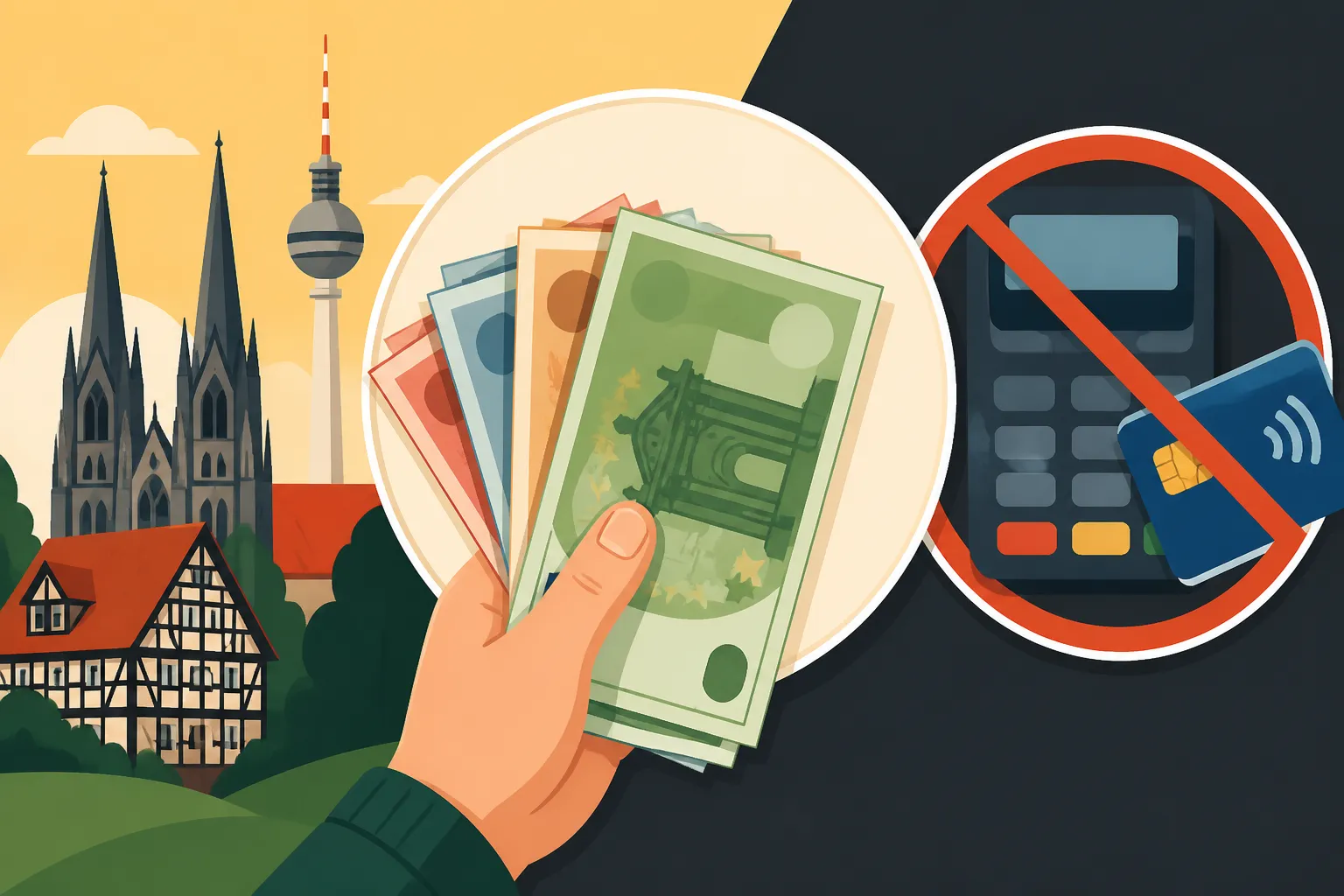
You arrive at a charming, wood-paneled Wirtshaus in Munich after a long day of sightseeing, ready to dive into a plate of Schweinebraten. The meal is divine, but when you reach for your sleek travel credit card, the waiter shakes his head with a polite but firm "Nur Bares." Suddenly, you are frantically searching for the nearest Sparkasse. This guide explores why Germany clings to paper money and how you can navigate this cash-centric culture without the stress.
Disclosure: This post may contain affiliate links. We may earn a commission at no extra cost to you if you make a purchase through these links. Read full disclosure.
The Cultural Obsession with Anonymity and Privacy
If you want to understand why Germans love their physical banknotes, you have to look deeper than just simple habit. There is a profound, almost spiritual connection between cash and the concept of Datenschutz (data protection). For many Germans, a credit card statement isn't just a list of transactions; it is a digital trail of their entire life. In a country that has survived two different totalitarian regimes in the last century—the Nazi era and the East German Stasi—the idea of a central authority or a private corporation knowing exactly where you were, what you bought, and who you were with at 3:00 PM on a Tuesday is deeply unsettling.
Privacy is viewed here not as a luxury, but as a fundamental human right. When you pay with cash, the transaction is anonymous. No one can track your movements through your morning coffee, your bookstore habit, or your late-night Döner. This cultural memory creates a collective skepticism toward "Big Data." While younger generations are more open to digital wallets, the older demographic—the ones who often own the small businesses you are visiting—remains steadfast. They see cash as the ultimate form of freedom. If you are planning your move and trying to wrap your head around these quirks, Money Matters in Germany: Complete Financial Guide for Expats is an excellent place to start.
Furthermore, there is a historical trauma associated with currency. Older Germans grew up hearing stories of the hyperinflation of the 1920s, where wheelbarrows of cash were needed to buy a loaf of bread. While that might seem like ancient history, it instilled a sense that money should be something tangible. You can feel it, you can count it, and once it is gone from your wallet, you have no more. This leads to a very disciplined approach to spending. To get a better sense of how this affects your daily spending habits, check out the Cost of Living in Germany: Budgeting Guide for Expats to see how much "physical" money you might need to carry.
The Practical Hurdles: Why Merchants Say Nein to Cards
It isn't just about privacy; there are cold, hard economic reasons why your favorite local bakery or corner pub refuses to install a card terminal. For many years, the German banking system was dominated by the "Girocard" (formerly known as EC-Karte). This is a domestic debit system that is incredibly cheap for merchants to use. However, the high-flying Visa and Mastercard credit cards that tourists carry come with significantly higher transaction fees. For a small business owner selling a €1.50 Brezel, losing 2% or 3% to a credit card company feels like a personal affront to their margins.
There is also the "minimum spend" hurdle. You will often see signs that say "Kartenzahlung erst ab 10 Euro" (Card payment only from 10 Euros). This is the merchant’s way of ensuring that the transaction fee doesn't eat the entire profit of a small purchase. While the infrastructure is improving, many older buildings in historic city centers have notoriously poor internet connectivity. Setting up a reliable, high-speed connection for a card terminal in a 300-year-old cellar can be a technical and bureaucratic nightmare. If you're traveling between cities using Omio to book your trains, you'll find the major stations are quite modern, but the moment you step into a side street, the 1990s might call you back.
Another factor is the German tax office, the Finanzamt. While it is a bit of an "open secret," cash transactions are harder to track than digital ones. While the vast majority of businesses are honest, the administrative burden of digital accounting can be a deterrent for a one-man show or a family-run kiosk. They prefer the simplicity of a cash register that prints a paper Z-report at the end of the day. If you find these cultural differences striking, you are not alone; Common Cultural Surprises for First-Time Visitors to Germany covers many of these "wait, really?" moments that newcomers face.
Navigating the Cash-Heavy Landscape as a Visitor
So, how do you survive a trip to Germany without spending half your time hunting for ATMs? The first rule of thumb is to always carry at least €50 in small denominations. You don't want to be the person trying to pay for a €2 bus ticket with a €100 bill—the driver likely won't have the change, and you will be left standing on the curb. Small coins are also essential. Germany is a land of "pay toilets," especially at train stations and autobahn stops. Without a 50-cent or 1-euro coin, you might find yourself in a very uncomfortable situation.
When you are booking your trip, use platforms like Booking.com to secure your accommodation. Most hotels and larger guesthouses are perfectly happy to take credit cards, which allows you to save your physical cash for the experiences that require it. Similarly, if you use GetYourGuide to book tours or entry to attractions like Neuschwanstein Castle, you can pay digitally in advance. This is a huge help because many on-site ticket booths in rural areas can be surprisingly "analog." For more tips on managing your funds, see our guide on Using Cash vs Card in Germany: Is Germany Going Cashless?.
If you do run out of cash, you need to be smart about withdrawals. Look for "Bank-owned" ATMs like those from Deutsche Bank, Commerzbank, or the Sparkasse. Avoid the generic "Euronet" ATMs found in tourist traps; these often charge exorbitant fees and offer terrible exchange rates. Always choose to be charged in the local currency (Euros) rather than your home currency to let your own bank handle the conversion. For a deep dive into the logistics of getting your hands on paper money, ATM Withdrawal Limits and Rules: Getting Cash Safely in Germany is a must-read.
| Category | Cash Level Needed | Likely Card Acceptance |
|---|---|---|
| Bakeries & Small Cafes | High | Rarely (except chains) |
| Fine Dining Restaurants | Low | Usually accepted |
| Traditional Beer Gardens | High | Often cash-only at the counter |
| Public Toilets | Mandatory | Almost never |
| Supermarkets (REWE, Edeka) | Low | Always accepted |
| Street Food / Christmas Markets | Mandatory | Very rarely |
| Major Museums | Low | Always accepted |
| Taxis | Medium | Increasing, but always ask first |
Essential Tips for Small Purchases and Dining
When dining out, the cash culture extends into the way you interact with the staff. In Germany, the waiter usually brings a small leather wallet to your table and calculates the total on the spot. If you are paying by card, you must tell them the total amount you want to pay—including the tip—before they swipe. If you wait until after the transaction is processed to think about a tip, it becomes much more complicated. Generally, a 5% to 10% tip is standard, but in very casual spots, just rounding up to the next Euro is perfectly fine. You can find more nuance on this in Tipping in Germany: When, Where, and How Much.
Understanding the vocabulary of payment will also save you a lot of pointing and nodding. Before you sit down in a restaurant that looks particularly traditional, ask "Kann ich mit Karte zahlen?" (Can I pay by card?). If the answer is a "Nein," you know to head to the ATM first. If you want to brush up on more phrases like this, Survival German for Travelers: Key Phrases to Learn First will give you the confidence to navigate these interactions. Remember that the "customer is king" mentality is a bit different here; it is often considered your responsibility as the guest to know how you are going to pay.
Also, be aware of the "Girocard" trap. Some places will have a sign that says "EC-Karte," which means they accept German debit cards but not international credit cards like Visa, Mastercard, or Amex. If you see this, don't assume your travel card will work. This is a common point of frustration for expats who haven't yet set up a local account. If you're staying long-term, you'll eventually want to look into Best Banks in Germany for Expats: Low Fees and English Support to get a card that works everywhere. For those just visiting, German Meal Times and Restaurant Basics for Visitors offers a great overview of what to expect when the bill arrives.
Is Germany Finally Going Cashless? The Post-Pandemic Shift
The COVID-19 pandemic did what decades of technological advancement couldn't: it forced Germany to embrace contactless payment. Almost overnight, the "Nur Bares" signs were replaced with "Bitte kontaktlos zahlen" (Please pay contactless) to minimize physical contact. This was a seismic shift in the German psyche. Even the most traditional butchers and bakeries started installing terminals. Today, you can use Apple Pay or Google Pay in most chain stores and larger businesses.
However, don't let this recent progress fool you into a false sense of security. As soon as the health restrictions lifted, many small businesses tucked their card readers back under the counter to avoid those pesky fees we discussed earlier. The "cash is king" mentality is stubborn. While the trend is moving toward digital, it is moving at a "German pace"—methodical, cautious, and with a lot of debate. If you’re a foodie wanting to explore the local scene, keep in mind that the best, most authentic spots are often the ones slowest to change. German Etiquette and Social Life for Visitors can help you navigate these social expectations gracefully.
In summary, Germany’s preference for cash isn't about being "behind the times." It is a conscious choice rooted in a desire for privacy, a skepticism of debt, and a preference for tangible value. By carrying a mix of coins and bills, using Omio for your long-distance travel, and pre-booking tours through GetYourGuide, you can enjoy everything the country has to offer without ever being caught short at the cash register. Embrace the "Nur Bares ist Wahres" lifestyle—it’s just another part of the authentic German experience.
Disclaimer
The information provided in this guide is for informational purposes only and based on personal experience and current travel trends in Germany. Financial regulations and merchant policies can change without notice. Always verify payment options with individual businesses and consult with your bank regarding international transaction fees and exchange rates.