Healthy Living in Germany: Wellness, Fitness, and Mental Health Guide
Maintaining a vibrant, balanced lifestyle in Germany requires understanding its unique cultural approach to wellness. From navigating state-sponsored preventive care and traditional sauna rituals to finding mental health support and outdoor recreation, this comprehensive guide helps expats optimize their physical and mental well-being across the country.
Disclosure: This post may contain affiliate links. We may earn a commission at no extra cost to you if you make a purchase through these links. Read full disclosure.
The German Approach to Preventive Health and Wellness
Understanding the Vorsorge Culture
The foundation of the German healthcare philosophy is deeply rooted in the concept of “Vorsorge,” which translates directly to precaution or preventive care. Rather than waiting for a severe illness to manifest, the medical system encourages residents to proactively monitor their health baselines. This cultural emphasis is structurally supported by both the government and sickness funds, which allocate massive budgets to preventive screenings and early detection protocols. For expats transitioning from countries where medical care is strictly reactive, adapting to this proactive mindset is a fundamental step toward long-term well-being.
One of the most prominent examples of this culture is the “Gesundheits-Check-up,” a comprehensive health examination legally guaranteed to adults. Individuals over the age of thirty-five are entitled to this extensive physical assessment every three years, fully covered by statutory health insurance. The check-up includes detailed blood work analyzing cholesterol and glucose levels, a full cardiovascular evaluation, urine tests, and a deep consultation regarding lifestyle habits. Physicians use this appointment to counsel patients on risk factors for diabetes, heart disease, and hypertension, long before symptoms ever appear.
Beyond general physicals, the Vorsorge culture extends deeply into specialized medical fields. Dental prophylaxis is highly encouraged, with most insurance plans covering annual check-ups and offering subsidized rates for professional teeth cleaning. Similarly, cancer screenings, such as dermatological checks for skin cancer, mammograms, and prostate exams, are strictly scheduled and routinely promoted by general practitioners.
Nutrition and the Organic Food Movement
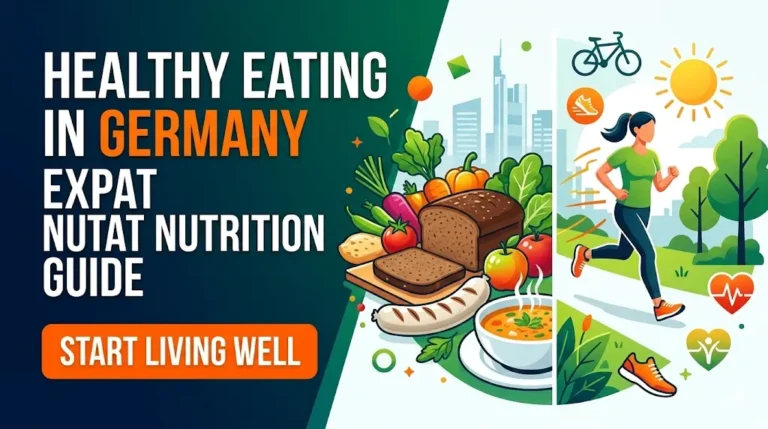
Germany boasts one of the largest and most established organic food markets in Europe, driven by a population that is highly conscious of agricultural practices, animal welfare, and nutritional quality. The term “Bio” is ubiquitous across the country, serving as the official seal for certified organic products. Whether you are shopping in a massive metropolitan supermarket or a rural village grocery store, you will encounter dedicated aisles featuring Bio-certified fresh produce, dairy, meats, and pantry staples. This widespread availability makes it incredibly easy for expats to maintain a clean, wholesome diet without spending hours searching for specialty health food stores.
The commitment to natural nutrition extends beyond the supermarket into specialized retail chains known as Reformhäuser and Bio-Märkte. Brands like Alnatura, Denns BioMarkt, and basic AG function as massive hubs for holistic nutrition, offering everything from locally sourced vegan alternatives to highly specialized dietary products for those with celiac disease or severe food allergies. These markets often feature in-house bakeries producing traditional, nutrient-dense German breads made from whole rye, spelt, and ancient grains, which are a cornerstone of the traditional German diet and vastly superior in nutritional profile to highly processed white breads.
Despite this robust local infrastructure, expats often find themselves searching for specific international supplements, niche protein powders, or familiar holistic wellness brands that have not yet penetrated the European market. Navigating the rigid German pharmacy system for simple vitamins can also be surprisingly expensive. To bridge this gap, many health-conscious residents utilize international digital platforms. Ordering your daily multivitamins, specialized herbal teas, and sports nutrition supplements through iHerb is a highly effective, cost-efficient strategy for maintaining your personalized nutritional regimen while living abroad.
Work Life Balance and the Importance of Feierabend
A critical pillar of healthy living in Germany is the fierce cultural protection of work-life balance, beautifully encapsulated in the concept of “Feierabend.” Translating literally to “celebration evening,” Feierabend represents the definitive end of the working day and the beginning of personal time. When a German colleague wishes you a “schönen Feierabend” as they log off at five o’clock, it is not merely a polite greeting; it is an active acknowledgment that your professional obligations are suspended, and your time is now exclusively your own to rest, exercise, or spend with family.
This cultural boundary is supported by stringent labor laws designed to prevent corporate burnout and chronic stress. The German Working Hours Act strictly limits the maximum number of hours an employee can work per week and mandates an unbroken rest period of at least eleven hours between shifts. Furthermore, the standard employment contract guarantees a minimum of twenty-four vacation days, though most corporate roles offer between twenty-eight and thirty days of paid leave annually. This generous vacation allowance is intended to be used entirely, ensuring employees have ample time to recover, travel, and disconnect from their professional responsibilities.
For expats coming from hyper-competitive, “always-on” corporate cultures, embracing Feierabend can require a significant psychological adjustment. You may initially feel guilty for not answering emails at eight in the evening or taking a full three-week holiday in the summer. However, learning to respect these boundaries is essential for your long-term mental health. Establishing a firm separation between the office and the home prevents the creeping exhaustion that often leads to expat burnout, allowing you to fully engage with your local community and personal hobbies during your off-hours.
Navigating the Fitness Landscape in Germany
Joining a Local Gym or Fitness Studio
The commercial fitness sector in Germany is massive, highly diverse, and tailored to accommodate virtually any budget or training style. For those seeking basic, no-frills strength training and cardiovascular equipment, budget chains like McFIT, FitX, and Clever Fit dominate the landscape. These facilities often operate around the clock, offering immense flexibility for shift workers or early risers. At the other end of the spectrum, premium health clubs like Fitness First or Holmes Place provide luxurious amenities, including expansive spa facilities, towel services, diverse group class schedules, and highly personalized personal training sessions.
When joining a traditional gym in Germany, the most crucial element to understand is the contract structure. Historically, German gym contracts were notorious for their rigidity, often locking members into binding twelve-month or twenty-four-month agreements with predatory automatic renewal clauses. While recent consumer protection laws have somewhat softened these auto-renewals, expats must still exercise extreme caution. You must submit a formal, written cancellation letter (Kündigungsschreiben) well before your contract’s notice period expires, otherwise, you may find yourself legally obligated to pay for an additional year of membership, even if you move away.
To bypass the stress of long-term contracts, a massive shift has occurred toward flexible, subscription-based fitness aggregators. Platforms like Urban Sports Club and Gympass (Wellhub) have revolutionized the way urban residents train. By paying a single monthly subscription, members gain access to thousands of different partner venues across the country. You can boulder on a Monday, attend a hot yoga class on a Wednesday, and use a traditional weight room on the weekend. This flexibility is incredibly popular among expats exploring different neighborhoods and seeking varied, commitment-free workout routines.
The Role of Sportvereine in Community Fitness
While commercial gyms are popular, the true beating heart of German sports culture lies in the traditional “Sportverein,” or registered sports club. These local associations operate as non-profit organizations and are the primary vehicle for organized amateur athletics in the country. From massive football clubs with thousands of members down to small, neighborhood table tennis or gymnastics associations, there are over ninety thousand Sportvereine spread across Germany. They are fundamentally driven by community volunteering and a shared passion for physical activity.
Joining a Sportverein is arguably one of the most effective ways for an expat to integrate into local German society. Unlike the often anonymous environment of a commercial gym, a Sportverein is inherently social. You train together, compete in local regional leagues, and, crucially, participate in the club’s social events and post-training gatherings at the local pub (Stammtisch). It provides a structured environment to practice your German language skills in a casual, low-pressure setting while bonding over a shared interest.
Financially, the Sportverein model is incredibly accessible. Because they are heavily subsidized by municipal governments and run largely by volunteers, the annual membership fees (Mitgliedsbeitrag) are remarkably low, often costing less for an entire year than a single month at a premium commercial gym. Whether your passion is badminton, martial arts, competitive swimming, or track and field, utilizing the local municipal registry to find a nearby Sportverein is a transformative step for your physical health and social integration.
Outdoor Recreation and the German Trail Network
Germany’s diverse topography—ranging from the flat, windswept coasts of the North Sea to the dramatic, towering peaks of the Bavarian Alps—provides a spectacular playground for outdoor fitness enthusiasts. The country possesses a deep cultural reverence for nature, which is reflected in its immaculately maintained infrastructure for hiking and cycling. There are over two hundred thousand kilometers of marked hiking trails crisscrossing the nation, managed with meticulous precision by local Alpine clubs and regional tourism boards. The famous yellow trail markers ensure that even novice hikers can safely navigate complex forest routes.
Cycling is equally integrated into the fabric of daily life and fitness. Beyond the extensive urban bike lanes used for daily commuting, Germany boasts a massive network of dedicated, long-distance cycling routes (Radwege) that parallel major rivers like the Rhine, Elbe, and Danube. These paved, relatively flat routes are perfect for multi-day cycling tours, offering a cardiovascular workout interspersed with picturesque medieval towns and vineyards. Expats often spend their summer weekends exploring these routes, combining intense physical activity with cultural exploration.
During the warmer months, the fitness focus shifts heavily to Germany’s countless natural lakes (Badeseen). Open water swimming is a massive recreational activity, with municipal authorities regularly testing water quality to ensure safety. Many lakes feature designated swimming zones, sandy beaches, and occasionally integrated outdoor fitness parks. Embracing this outdoor lifestyle is essential for long-term physical wellness in Germany, allowing expats to escape the confines of the city and engage their bodies in natural, stress-reducing environments.
Exploring Spa Culture and Thermal Baths
The Tradition of Kurorte and Healing Waters
Germany has a centuries-old tradition of utilizing natural thermal springs and distinct microclimates for medical rehabilitation and preventive wellness. Entire towns and municipalities are built around these natural resources, officially designated with the title “Bad” (Bath), such as Baden-Baden, Bad Homburg, or Bad Ems. These “Kurorte” (spa towns) are not merely luxury vacation destinations; they are fully recognized pillars of the German healthcare system, offering scientifically backed hydrotherapy, mud treatments, and inhalatory therapies designed to treat everything from severe rheumatoid arthritis to chronic respiratory conditions.
The concept of the “Kur”—a prescribed, multi-week medical retreat—is deeply ingrained in the society. If a physician determines that a patient is suffering from severe physical deterioration or impending psychological burnout, they can apply to the statutory health insurance fund to sponsor a stay at an approved medical sanatorium within a Kurort. The patient undergoes a rigorous daily schedule of physical therapy, dietetic counseling, and stress management, all designed to restore their ability to participate in the workforce. Understanding this profound intersection of medicine and spa culture is vital for expats navigating Healthcare in Germany: A Comprehensive Guide for Expats.
Even if you do not require a medically prescribed retreat, visiting a traditional thermal bath (Therme) for a weekend is a standard German wellness practice. These sprawling, architectural marvels feature massive indoor and outdoor pools filled with mineral-rich, geothermally heated water. Moving slowly between pools of varying temperatures is believed to stimulate cardiovascular circulation, ease deep muscle tension, and promote profound psychological relaxation, offering a perfect counterbalance to a high-stress corporate lifestyle.
Sauna Etiquette and FKK Culture
No discussion of German wellness is complete without addressing the country’s intense devotion to sauna culture. However, for many newly arrived expats, entering a German sauna facility can be a profound culture shock due to the strict enforcement of “Textilfrei” (textile-free) rules. In the vast majority of traditional saunas and thermal bath complexes, wearing a swimsuit inside the sauna cabins or the adjoining cool-down pools is strictly forbidden for hygiene reasons. Embracing this aspect of Freikörperkultur (FKK), or free body culture, requires checking your modesty at the door.
The centerpiece of the German sauna experience is the “Aufguss” ritual. This highly orchestrated, intensely physical ceremony is performed by a trained Saunameister (sauna master). At scheduled intervals, the Saunameister enters the packed, silent cabin and pours water infused with potent essential oils—such as eucalyptus, birch, or mountain pine—over the blistering hot stones. They then use a large towel or flag to violently whip the heavily scented, scalding steam down onto the patrons. The heat spike is immense, triggering intense sweating and an accelerated heart rate.
Understanding the unspoken rules of the sauna is critical for a relaxing visit. Absolute silence is generally expected inside the cabins; it is not a place for loud conversation or socializing. You must always sit or lie completely on your own large towel so that no sweat ever touches the wooden benches. After the intense heat of an Aufguss, the protocol dictates immediately moving to the cold plunge pool or outdoor shower to shock the circulatory system, followed by an extended period of rest in a designated relaxation room (Ruheraum).
Integrating Spa Visits into Your Winter Routine
The German winter is notoriously long, grey, and damp, often stretching relentlessly from November through March. The lack of sunlight and constant cold can take a severe toll on an expat’s physical vitality and mental health. This is precisely when the German spa culture becomes an essential survival mechanism. Integrating regular visits to a local Therme or neighborhood sauna into your weekly routine provides a necessary sanctuary of warmth, light, and physical comfort during the darkest months of the year.
The physiological benefits of sauna use during winter are well-documented. The extreme temperature variations between the hot cabins and the cold plunge pools train the blood vessels to constrict and dilate efficiently, which many Germans believe fortifies the immune system against seasonal colds and flu. Furthermore, the intense heat helps to soothe joints and muscles that often become stiff and painful in the damp winter climate, providing deep, penetrating relief.
Beyond the physical, the psychological respite offered by a spa day is immense. It provides a dedicated space to unplug from digital devices, escape the gloomy weather, and experience a forced state of mindfulness. Many large thermal complexes also feature specialized light therapy rooms and heated outdoor pools where you can float in steaming water while snow falls around you. For an expat struggling with the winter blues, budgeting for regular spa visits is one of the most effective investments in long-term seasonal well-being.
Managing Mental Health and Psychological Well Being
Accessing Therapy and Counseling Services
Maintaining mental health is a critical component of a successful expat experience, but accessing psychotherapeutic care in Germany requires navigating significant systemic bottlenecks. Psychotherapy is recognized as a vital medical treatment and is fully covered by the statutory public health insurance system. However, the demand for therapy vastly exceeds the supply of therapists who hold a “Kassensitz”—the specific state license required to bill the public system directly. Consequently, publicly insured patients often face agonizingly long waitlists, sometimes waiting six to nine months for an initial consultation.
For expats in acute distress, this wait time is unacceptable. This structural delay is one of the primary reasons many professionals strongly consider private health coverage. Privately insured individuals are not restricted to the limited pool of Kassensitz therapists; they can immediately access the vast network of privately billing psychotherapists. Insurers like Ottonova frequently offer comprehensive mental health coverage, allowing expats to bypass the public queues and commence vital psychological support within days rather than months, a massive advantage detailed in Private Health Insurance in Germany: Benefits, Costs, and Eligibility.
The language barrier adds another layer of complexity. Finding a therapist who can conduct deep, nuanced cognitive behavioral therapy or psychoanalysis in English is highly challenging, especially outside of massive international hubs like Berlin or Munich. Digital brokers and specialized insurance providers like Feather Insurance often recognize this critical need, providing their members with dedicated concierge services to help locate highly qualified, English-speaking mental health professionals within their specific region, significantly lowering the barrier to entry for necessary care.
Seasonal Affective Disorder During German Winters
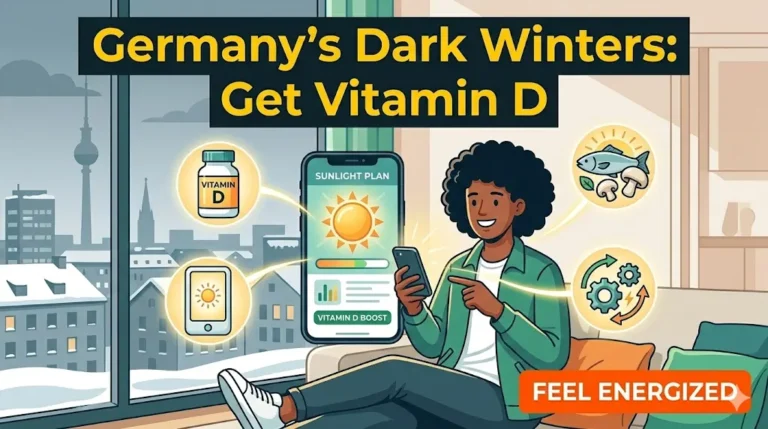
One of the most profound psychological hurdles expats face upon relocating to Germany is Seasonal Affective Disorder (SAD), colloquially referred to as the “winter blues.” Due to Germany’s northern latitude, the winter months are characterized by incredibly short days. The sun often rises after eight in the morning and sets by four in the afternoon, frequently obscured by a persistent, thick blanket of grey clouds. This chronic lack of sunlight severely disrupts the body’s circadian rhythms and depletes natural serotonin levels, leading to lethargy, depressive moods, and severe fatigue.
Combating SAD requires a highly proactive, multi-pronged approach. Light therapy is a widely adopted intervention; utilizing a high-intensity daylight-simulation lamp (producing at least 10,000 lux) for thirty minutes every morning can effectively trick the brain into suppressing melatonin and boosting mood. Furthermore, it is absolutely essential to force yourself outside during the brief daylight hours. Taking a brisk walk during your lunch break, regardless of the freezing temperatures, provides critical, albeit minimal, natural light exposure that artificial lamps cannot fully replicate.
Nutritional supplementation is equally vital during the dark half of the year. Because the angle of the winter sun is too low to stimulate natural Vitamin D synthesis in the skin, a vast percentage of the German population becomes deficient by February. Supplementing with high-quality Vitamin D3, often combined with K2 for optimal absorption, is highly recommended by local physicians. Expats can easily source these essential seasonal supplements through reliable global platforms like iHerb, ensuring their bodies have the necessary chemical building blocks to maintain psychological stability until the spring sun returns.
Community Support and Expat Mental Health Groups
The initial excitement of moving to a new country often masks the creeping reality of social isolation. Leaving behind established support networks, family members, and lifelong friends can leave expats highly vulnerable to loneliness, anxiety, and depression. The German culture, while deeply loyal once friendships are formed, can initially appear reserved and difficult to penetrate. Therefore, actively seeking out and building a local community is not just a social endeavor; it is a fundamental mental health requirement.
In major German cities, robust expat networks have developed dedicated mental health support groups. These organizations frequently host informal meetups, structured peer-support circles, and workshops focusing on the unique psychological stressors of navigating the German bureaucracy, overcoming language barriers, and managing homesickness. Platforms like https://www.google.com/search?q=Meetup.com or local Facebook groups are excellent starting points for connecting with individuals who are experiencing the exact same cultural disorientation, providing a vital space for shared empathy and validation.
Furthermore, many international companies operating in Germany have recognized the mental health challenges faced by their foreign workforce and now provide Employee Assistance Programs (EAPs). These programs offer confidential, immediate access to short-term counseling, stress management resources, and crisis intervention services in English. Leveraging these corporate resources, alongside joining local community groups, creates a comprehensive psychological safety net, preventing minor adjustment anxieties from evolving into severe depressive episodes.
Alternative Medicine and Holistic Practices
The Role of the Heilpraktiker
Operating parallel to the highly regulated, evidence-based allopathic medical system is the uniquely German profession of the “Heilpraktiker.” Translating roughly to “healing practitioner,” a Heilpraktiker is a state-recognized, licensed professional authorized to practice alternative, complementary, and naturopathic medicine. They are not medical doctors and cannot prescribe conventional pharmaceuticals, but they undergo rigorous examinations by the local health authority to ensure they possess sufficient medical knowledge to safely diagnose ailments and not endanger public health.
The scope of therapies offered by Heilpraktikers is incredibly broad and diverse. Many specialize in traditional European herbalism, homeopathy, acupuncture, reflexology, and complex osteopathic manipulations. They are frequently sought out by patients suffering from chronic pain, stubborn digestive issues, or severe stress-related fatigue—conditions where traditional doctors may only offer symptom management rather than root-cause investigation. Heilpraktikers are renowned for conducting exceptionally long, deeply holistic initial consultations, evaluating a patient’s entire lifestyle, emotional state, and dietary habits.
Because the statutory public health insurance system strictly adheres to evidence-based frameworks, it generally refuses to cover standard consultations with a Heilpraktiker. Patients utilizing these services must pay out-of-pocket, which can become quite expensive for ongoing chronic treatments. However, expats holding comprehensive private insurance policies often find that their tariffs include generous annual budgets explicitly earmarked for Heilpraktiker services. This allows privately insured individuals to seamlessly blend traditional medical diagnostics with alternative, holistic healing methodologies without suffering severe financial penalties.
Homeopathy and Herbal Remedies at the Apotheke
The German pharmacy (Apotheke) is not merely a dispensary for chemical pharmaceuticals; it is a profound gateway to natural and homeopathic remedies. The cultural trust in plant-based medicine (Phytotherapy) is immense. When you visit an Apotheke with a mild respiratory infection, a minor stomach upset, or sleep difficulties, the pharmacist will very likely recommend a highly standardized, clinically tested herbal extract before immediately reaching for synthetic drugs. Products utilizing concentrated ivy leaf for coughs or valerian root for insomnia are staples in every German medicine cabinet.
Homeopathy also holds a significant, albeit highly debated, position within the German medical landscape. Originating in Germany in the late 18th century, homeopathic remedies—characterized by extreme dilutions of active substances—are widely available and legally protected. Even conventional medical doctors will occasionally issue a “green prescription” (Grünes Rezept) for a homeopathic or herbal remedy. This green slip is not a mandate for insurance coverage; rather, it is a formal medical recommendation indicating that the doctor believes the natural product is the best course of action for your mild ailment, though you must pay for it yourself.
For expats, the Apotheke serves as an excellent first line of defense for minor wellness issues. The pharmacists are highly educated and capable of providing excellent advice on natural remedies. However, relying entirely on the local Apotheke for daily preventative wellness can be cost-prohibitive. For maintaining long-term holistic health—such as stocking up on daily adaptogens, specialized probiotics, or bulk herbal teas—utilizing digital health platforms like iHerb is a far more economical strategy, leaving the Apotheke for acute, immediate herbal interventions.
Yoga Retreats and Mindfulness Centers
The pursuit of mindfulness and somatic wellness has exploded across Germany over the past decade. Yoga, once considered a niche alternative practice, is now deeply mainstream, with thousands of studios operating in every major city. From rigorous Ashtanga and heated Vinyasa flows to deeply restorative Yin yoga, the variety of practices available caters to all physical levels. Many urban studios now offer classes exclusively in English, acting as informal social hubs for health-conscious expats to connect and build community.
Beyond weekly classes, Germany’s picturesque landscapes provide the perfect backdrop for intensive mindfulness and yoga retreats. Facilities nestled deep in the Bavarian Alps, the serene shores of Lake Constance, or the quiet woodlands of Brandenburg host immersive weekend or week-long programs. These retreats often combine daily yoga practices with silent meditation sessions, digital detoxes, and organic, plant-based catering. They offer a profound opportunity to step away from the relentless pace of modern corporate life and recalibrate your nervous system.
Attending these specialized retreats often requires upfront payments or international bank transfers to independent instructors or remote retreat centers. For expats managing finances across multiple borders, dealing with complex traditional bank transfers and exorbitant hidden currency exchange fees can add unnecessary stress to what should be a peaceful endeavor. Utilizing transparent, efficient financial tools like Wise allows you to smoothly manage retreat payments, international wellness subscriptions, and alternative therapy invoices with absolute clarity and minimal administrative friction.
Health Insurance Support for Wellness Initiatives
To help summarize how you can leverage your insurance for wellness, refer to this basic breakdown:
| Wellness Initiative | Public Insurance (GKV) | Private Insurance (PKV) |
| Preventive Check-ups | Standard statutory intervals covered. | Highly flexible, comprehensive coverage. |
| Gym Memberships | Minor cashback via Bonus Programs. | Generally not covered. |
| Preventive Courses | Covers 75-100% (Yoga, Pilates, etc.). | Depends on specific tariff add-ons. |
| Alternative Medicine | Very limited (some osteopathy). | Often comprehensive Heilpraktiker coverage. |
| Mental Health Wait Times | Often 6-9 months for therapy. | Immediate access to private therapists. |
Bonus Programs from Public Sickness Funds
The German statutory health insurance system operates on the fundamental logic that investing in a patient’s wellness today saves the system massive medical costs tomorrow. To incentivize proactive health management, almost every public sickness fund (Krankenkasse) offers a highly structured “Bonusprogramm.” These programs reward insured members with direct cash payouts, reduced premiums, or subsidies for health-related devices if they can prove they are actively maintaining a healthy lifestyle and participating in early detection screenings.
Participation in a bonus program typically involves keeping a physical or digital stamp booklet. You earn points or stamps for a variety of positive health behaviors. This includes attending your regular dental check-ups, receiving recommended vaccinations, undergoing the age-appropriate cancer screenings, or proving that your body mass index (BMI) falls within a healthy range. Furthermore, many funds offer points for proving active membership in a registered Sportverein or maintaining an ongoing contract with a commercial fitness studio.
Once you accumulate enough points over the calendar year, you submit your booklet to your Krankenkasse. The rewards can be surprisingly generous. Some funds offer direct cash transfers to your bank account, while others provide significantly larger budgets specifically earmarked for health investments. You might use this expanded budget to pay for professional teeth cleaning, purchase an activity tracker like an Apple Watch, or subsidize advanced sports medical examinations. Understanding and actively managing your bonus program is a crucial financial strategy detailed in How to Get Health Insurance in Germany: Step-by-Step for Newcomers.
Preventive Courses Covered by Insurance
Beyond rewarding existing healthy habits, the public health insurance system actively funds education and training to help you develop new ones. Under Section 20 of the Social Code (SGB V), statutory sickness funds are legally required to subsidize certified preventive health courses (Präventionskurse). These courses are designed to prevent lifestyle diseases and focus on four core areas: physical activity, nutritional counseling, stress management, and addiction prevention (such as smoking cessation programs).
If you wish to learn a new stress-reduction technique or improve your physical mobility, you can search your insurance provider’s central database for certified courses. Options frequently include structured programs in Hatha yoga, Pilates, progressive muscle relaxation, autogenic training, and specialized back-strengthening classes designed to combat the negative effects of prolonged desk work. The instructors running these courses must hold specific state-recognized qualifications for the insurance to recognize the program.
The financial support for these courses is substantial. Most public sickness funds will reimburse between seventy-five and one hundred percent of the course fees, up to a maximum limit per course, and typically allow members to claim this benefit for up to two different courses per calendar year. You generally pay the instructor upfront, attend at least eighty percent of the scheduled sessions, and then submit your certificate of attendance to the sickness fund for rapid reimbursement, making high-quality, professional wellness training accessible to everyone.
Private Insurance Perks for Proactive Health
While the public system relies heavily on structured bonus programs and certified courses, the private health insurance sector approaches wellness through the lens of comprehensive, tailored medical access and premium service. Because private tariffs are heavily customized, expats who prioritize holistic and proactive health can select policies that aggressively support their specific lifestyle choices. This often translates to expansive coverage for treatments that public funds completely ignore.
For example, a premium private tariff will frequently include a generous annual budget for alternative medicine, fully reimbursing the costs of acupuncture, chiropractic adjustments, and extensive herbal medicine protocols prescribed by a Heilpraktiker. Furthermore, private insurers are increasingly integrating digital health solutions into their offerings. Providers like Ottonova frequently provide their members with free access to premium mindfulness applications, digital symptom checkers, and immediate telemedicine consultations, ensuring that health advice is proactively available directly from your smartphone. Private insurance also excels in supporting proactive physical diagnostics.
Conclusion
While public check-ups are limited to specific intervals and baseline tests, a comprehensive private policy often covers extensive, highly advanced sports medicine evaluations, deep biomechanical analyses, and advanced nutritional blood panels without requiring a pre-existing illness as justification.
By utilizing modern, expat-focused brokers like Feather Insurance, individuals can meticulously build a health policy that acts not just as a safety net for catastrophic illness, but as a powerful, daily tool for optimizing their long-term vitality in Germany.
References
Primary sources (official)
- Federal Ministry of Health (Bundesministerium für Gesundheit): https://www.bundesgesundheitsministerium.de/en/
- Make it in Germany (Official Portal for Qualified Professionals): https://www.make-it-in-germany.com/en/
Other helpful sources
- National Association of Statutory Health Insurance Physicians: https://www.kbv.de/html/
Disclaimer
The information provided in this article is for general informational and educational purposes only and does not constitute professional medical, psychological, legal, or financial advice. While every effort has been made to ensure the accuracy of the information regarding the German healthcare and wellness systems, policies, and regulations are subject to change. Always consult directly with a qualified healthcare professional, your insurance provider, or a certified legal expert regarding your specific medical needs, mental health support, and insurance obligations in Germany.