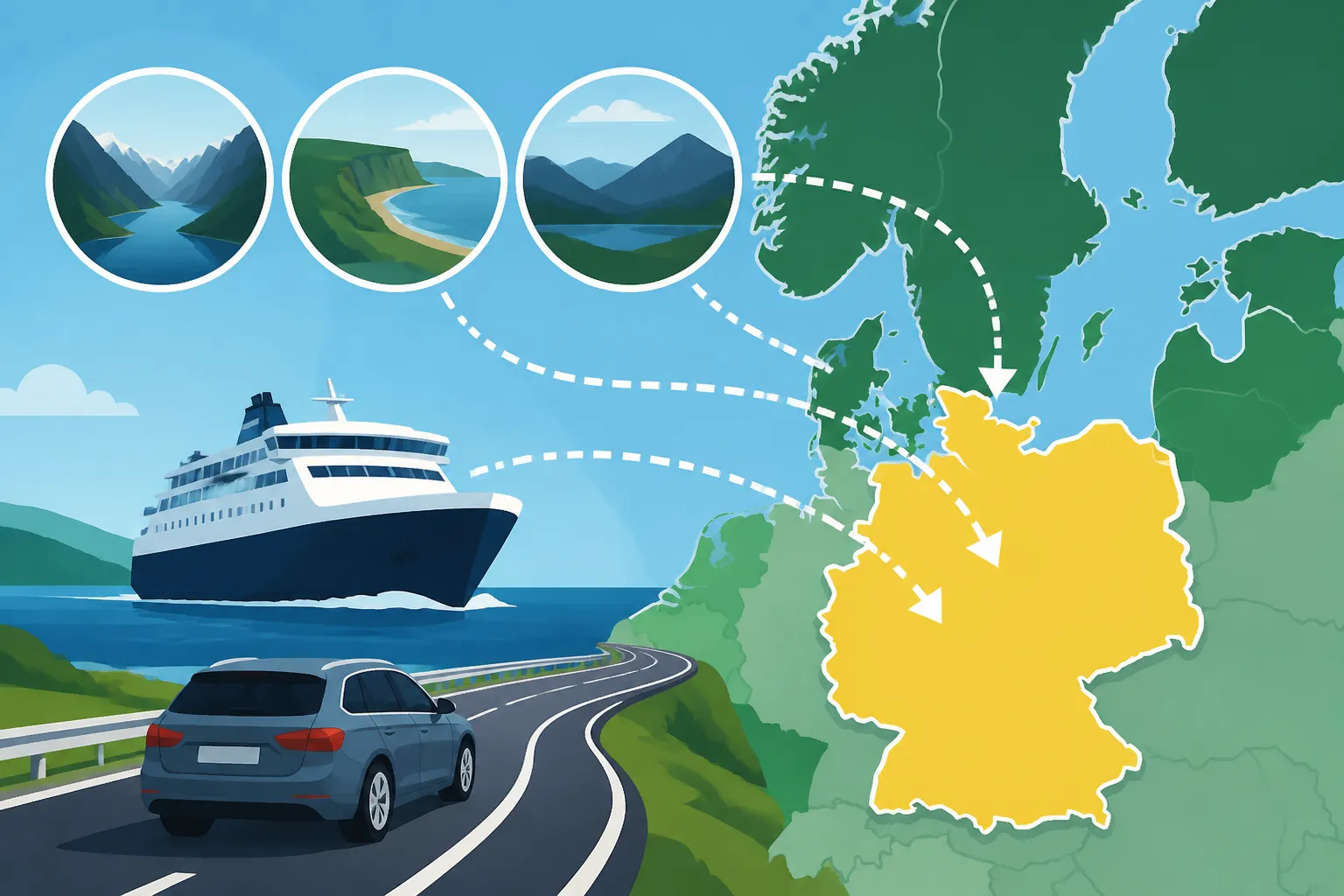
Moving to Germany from Sweden, Denmark, and Norway: Ferry and Road Routes
Moving to a new country is exhilarating, but let's be honest, the logistics can quickly feel like trying to solve a Rubik's cube blindfolded. When you’re planning a move to Germany from our Nordic neighbors – Sweden, Denmark, or Norway – you’ve got an extra layer of complexity: the sea. This guide will cut through the confusion, detailing your best ferry and road routes, and how a service like Sirelo can simplify this significant undertaking, making your transition as smooth as a freshly paved Autobahn.
Disclosure: This post may contain affiliate links. We may earn a commission at no extra cost to you if you make a purchase through these links. Read full disclosure.
The Scandinavian-German Move: Why It's Unique (and a Bit Tricky)
Leaving the beautiful fjords, archipelagos, or flat landscapes of Scandinavia for the diverse regions of Germany involves more than just packing boxes. It's an adventure in logistics, often dominated by the necessity of crossing significant bodies of water. This isn't just about loading up a van; it's about strategizing the most efficient and least stressful way to get your entire life from one country to another.
Understanding the Logistics Puzzle
The geographic reality of moving from Sweden, Denmark, or Norway to Germany means you're almost certainly looking at a combination of land and sea travel. Unlike moving within mainland Europe, where you can simply point your moving truck south, you'll be dealing with ferry schedules, booking vehicle space, and potentially multiple border crossings – even within the Schengen Area, certain formalities apply, especially if you’re shipping items that weren’t originally from the EU.
Think about it: coordinating departure times with ferry schedules, ensuring your moving vehicle fits on the boat, and then driving potentially long distances once you hit German soil. It's a logistical dance that can quickly become overwhelming. What if the ferry is delayed? What if you miss your booking? These are the real-world worries that gnaw at you when planning such a move. For a smooth transition, understanding your options and preparing for them is paramount. Don't forget, beyond the physical move, there's also the mental preparation for a whole new life, from understanding the nuances of how to get health insurance in Germany to registering your address (Anmeldung).
The Role of Professional Movers and How Sirelo Helps from the Start
Given the unique challenges of a Scandinavian-German move, trying to do it all yourself can add unnecessary stress to an already demanding process. While packing your personal car might seem straightforward, relocating an entire household, including furniture, appliances, and precious belongings, often requires a larger vehicle and professional expertise. This is where professional international movers become invaluable. They handle the complex planning, secure the necessary vehicle space on ferries, manage customs declarations (if applicable), and ensure your belongings are safely transported.
This is precisely where platforms like Sirelo come into their own. Instead of you spending countless hours researching individual moving companies, comparing quotes, and verifying their international experience, Sirelo acts as your central hub. You provide the details of your move, and they connect you with a network of vetted, reliable moving companies that specialize in routes from Sweden, Denmark, and Norway to Germany. It's a massive time-saver and a huge step towards peace of mind, ensuring you get competitive offers from companies well-versed in these specific cross-border challenges. They streamline the initial, most daunting part of the process, allowing you to focus on other crucial aspects of your relocation, like understanding German tax classes.
Navigating the Seas: Key Ferry Routes to Germany
For anyone moving from Scandinavia, ferries are often an unavoidable, and sometimes quite pleasant, part of the journey. While they add a layer of planning, they also offer a chance to relax before the next leg of your journey.
From Sweden to Germany: Your Ferry Options
Moving from Sweden offers a few well-established ferry connections directly to Germany, largely bypassing Denmark if you prefer. These routes are lifelines for both freight and passenger traffic, connecting major Swedish ports with bustling German counterparts.
-
Trelleborg to Rostock/Sassnitz (Stena Line, TT-Line): These are arguably the most popular and frequent routes. Trelleborg, in southern Sweden, acts as a gateway to Germany, with multiple daily sailings to both Rostock and Sassnitz on Germany's Baltic coast.
- The Trelleborg-Rostock route is particularly robust, with ferries running several times a day and offering a journey time of around 6 to 7 hours. Rostock is a major port city with excellent road connections further into Germany, making it a strategic arrival point for moving trucks. You can usually find a good selection of morning, afternoon, and night departures.
- The Trelleborg-Sassnitz route is often a bit shorter, around 4 to 5 hours, and leads to a smaller port town, also with good road access. The frequency might be slightly less than Rostock, but it remains a solid option.
- Pros: Direct access to Germany, bypassing the need to drive through Denmark entirely. Good frequency and capacity for vehicles.
- Cons: Can be longer than combining the Øresund bridge with a shorter Danish-German ferry. Weather conditions on the Baltic Sea can occasionally cause delays or cancellations, especially in winter.
-
Malmö to Travemünde (Finnlines, sometimes Stena Line): While less frequent than the Trelleborg routes, the Malmö-Travemünde connection is another direct Swedish-German option. Travemünde is a district of Lübeck, known for its historic charm and proximity to major highways.
- This route typically caters more to freight and can have fewer passenger options, but it’s worth checking if it suits your schedule and budget. The journey usually takes around 9-10 hours, often involving an overnight crossing.
- Pros: Direct route, potentially more relaxing with an overnight crossing if you have a cabin. Arrives near the beautiful city of Lübeck.
- Cons: Less frequent, longer journey time than other options, which might not be ideal if you're on a tight schedule or your moving company prefers faster transfers.
When considering these routes, remember to factor in the size of your moving vehicle. Standard passenger cars are easy, but larger vans or trucks will require specific bookings and might have different pricing structures. Sirelo's network of movers will handle these specifics, finding the best options that accommodate your entire household, giving you one less thing to worry about.
Denmark to Germany: Direct and Convenient Crossings
If you're starting your journey in Denmark or have driven through it from Sweden, you'll find exceptionally efficient ferry services connecting Denmark's southern islands to northern Germany. These routes are characterized by their short duration and high frequency, almost feeling like a bridge rather than a traditional ferry.
-
Gedser to Rostock (Scandlines): This is a popular and well-established route, connecting the Danish island of Falster with Rostock in Germany.
- The crossing takes approximately 1 hour and 45 minutes, with sailings every two hours or so. It's incredibly convenient for those driving down from Copenhagen or other parts of Zealand.
- Pros: High frequency, relatively short crossing time, and Rostock offers excellent onward road connections into Germany. It's a straightforward option that many moving companies prefer for its reliability.
- Cons: Can get busy during peak seasons, so booking in advance, especially for larger vehicles, is a must.
-
Rødby to Puttgarden (Scandlines): This is perhaps the most famous and fastest ferry connection between Denmark and Germany, part of the "Bird Flight Line" (Vogelfluglinie).
- Connecting Rødby on the Danish island of Lolland with Puttgarden on the German island of Fehmarn, this crossing is a mere 45 minutes! Ferries depart almost continuously, every 30 minutes, making it incredibly flexible.
- Pros: Extremely short crossing, very high frequency, minimal waiting times. Ideal for movers who want to minimize sea travel and maximize driving efficiency.
- Cons: While the crossing is short, the waiting times for boarding can still build up during peak hours, despite the high frequency. The drive from Puttgarden requires crossing the Fehmarnsund Bridge (which is usually included in the ferry ticket or has a small separate fee).
For those travelling from Sweden and opting to drive through Denmark, you'll likely use the Øresund Bridge (connecting Malmö to Copenhagen) and then choose one of these Danish-German ferry routes. It's a common and efficient combination. When coordinating your move, remember that the choice of ferry operator, like Scandlines, often comes with specific booking procedures and vehicle requirements. Professional movers found through Sirelo will manage these details, ensuring smooth transits.
Norway to Germany: A Longer Journey by Sea
Moving from Norway presents a slightly different set of challenges due to its more northerly position and longer distances. While direct ferry options exist, many consider driving through Denmark and taking a shorter ferry.
-
Oslo to Kiel (Color Line): This is the main direct ferry route connecting Norway to Germany. Kiel is a major German port city with good connections to the rest of the country.
- This is an overnight ferry, taking approximately 20 hours. It's a cruise-ferry experience, offering cabins, restaurants, and entertainment, making it quite a comfortable way to travel.
- Pros: Extremely convenient if you're bringing a vehicle and prefer a direct, relaxing journey without the stress of multiple changes. You wake up refreshed in Germany.
- Cons: Long duration and typically higher cost compared to shorter ferry routes, especially if you opt for larger cabins or on-board services. Frequency is usually daily.
- This route is often chosen by those relocating with personal vehicles and pets, as it minimizes driving stress. For larger moving consignments, companies like those on Sirelo’s network will weigh the cost-effectiveness against driving alternatives.
-
Alternative: Driving through Denmark/Sweden: Many movers from Norway opt to drive south through Sweden (using bridges or a short ferry) into Denmark, and then take one of the shorter Danish-German ferries (like Rødby-Puttgarden or Gedser-Rostock).
- Pros: Can be more cost-effective and offer more flexibility in terms of departure times, as the Danish-German ferries are very frequent.
- Cons: Requires significantly more driving through two countries (Sweden and Denmark) before reaching Germany, which adds to the total travel time and potential fatigue. You also deal with potential tolls on bridges.
Choosing the right route will depend heavily on your starting point in Norway, your budget, time constraints, and the volume of belongings you're moving. A dedicated moving company will help you calculate the most efficient option for your specific situation.
Hitting the Road: Driving Routes and Considerations
Once you've navigated the ferry crossings, or if you're taking a route that largely sticks to land, you'll be hitting the open road. Understanding the main driving arteries and unique road rules can make a significant difference.
Driving Through Denmark: The Bridge Connection
For many Swedish movers, driving through Denmark is the logical next step after crossing the Øresund Bridge from Malmö to Copenhagen. This route presents a smooth, modern infrastructure.
The journey starts by crossing the Øresund Bridge (Øresundsbron), a magnificent engineering feat that connects Malmö, Sweden, with Copenhagen, Denmark. This bridge is a toll road, and you'll pay a fee for crossing, which varies based on your vehicle type. From Copenhagen, you can then drive south through Denmark. The main highway, E47/E55, will lead you towards the ferry terminals at Rødby or Gedser, where you'll catch a ferry to Puttgarden or Rostock, respectively. Alternatively, for those who want to avoid the short Danish-German ferries, it's possible to drive all the way from the Øresund Bridge to the German border, crossing through mainland Denmark and bypassing the islands. This longer drive takes you across the Storebælt Bridge (Storebæltsbroen), another significant toll bridge connecting Denmark's main islands. This option is popular if you prefer unbroken driving, though the ferry crossings mentioned earlier are usually faster and less tiring overall.
The Danish road network is excellent, well-maintained, and clearly signposted. Speed limits are generally 130 km/h on motorways, 80 km/h on rural roads, and 50 km/h in urban areas. Be mindful of bicycle lanes and adhere to local traffic rules, as fines can be hefty. This leg of the journey, while straightforward, still requires attention, especially if you're driving a large moving van. If you're bringing your own vehicle, make sure you're properly insured and have your international driving permit ready, as outlined in guides like how to prepare documents for the Ausländerbehörde.
Direct Driving to Germany (for Danish Movers)
If you're starting your move from mainland Denmark, the drive to Germany is incredibly simple and direct. The E45 motorway (which turns into the German A7) is your primary artery, leading you straight across the border and into Schleswig-Holstein, Germany’s northernmost state.
The border crossing itself is usually seamless, with no physical checks for EU citizens and goods (though random checks can occur). Once in Germany, you'll be on the famous Autobahn, where sections have no general speed limit (though advisory limits are common and construction zones always have strict limits). It’s crucial to understand German driving rules: always drive on the right, overtake only on the left, and maintain a safe following distance. Remember that German drivers expect you to move out of the fast lane promptly. While it might seem intimidating, the Autobahn is generally very efficient. For long distances, remember to plan your breaks at one of the many service stations (Raststätten) or petrol stations (Tankstellen). Don't underestimate the fatigue of long drives, especially when moving.
Vehicle Logistics and Paperwork (and how Sirelo can assist)
Moving your vehicle across international borders, even within the EU, involves more than just driving. If you're planning to keep your Scandinavian-registered car in Germany, you'll need to re-register it, obtain German license plates, and ensure it meets German technical standards (TÜV). This can be a complex process involving multiple government offices and plenty of paperwork. It’s also important to understand Car Insurance in Germany: Types of Coverage and Costs, as your existing policy likely won't suffice long-term.
- Vehicle Registration: Upon arrival, you typically have a grace period (often 6-12 months, depending on your residency status and the country of origin) to convert your foreign registration to a German one. This involves a visit to the local Kfz-Zulassungsstelle (vehicle registration office) and providing various documents, including your passport, proof of address, certificate of conformity, and proof of valid insurance.
- Technical Inspection (TÜV): Your vehicle will need a general inspection to ensure it complies with German safety and environmental standards. This is called the Hauptuntersuchung (HU) and Abgasuntersuchung (AU). You can get this done at any TÜV station or authorized workshop. If your car is relatively new and a common European model, this is usually straightforward.
- Insurance: You'll need to obtain German car insurance before you can register your vehicle. This can be a significant cost, and different types of coverage are available. Comparing providers is essential to find the best deal.
This bureaucratic maze can be quite a headache, especially when you're already juggling so many other relocation tasks. This is another area where the network of professional moving companies facilitated by Sirelo can really shine. While they won't handle the direct car registration (that’s on you as the owner), many offer services or advice on vehicle transport separate from your household goods. They can ensure your vehicle is safely transported via ferry or specialized car carrier if you prefer not to drive it yourself, or simply guide you on the best route to drive it. Their experience means they're accustomed to these international logistics and can provide valuable insights, making sure no detail is overlooked. They might even be able to recommend services or resources to assist with the subsequent German paperwork.
Choosing Your Moving Strategy and Sirelo's Advantage
When planning an international move, the fundamental question often boils down to: "Should I do this myself, or hire professionals?" Especially for moves involving sea crossings and significant distances, this decision carries considerable weight.
DIY vs. Professional Movers: Weighing Your Options
Let's break down the pros and cons of tackling a move from Scandinavia to Germany on your own versus enlisting the help of seasoned professionals.
DIY Move (Do-It-Yourself):
- Pros:
- Cost Savings (Potentially): On paper, doing it yourself might seem cheaper, as you're not paying for labor. You're covering rental truck costs, fuel, ferry tickets, and packing supplies.
- Maximum Control: You dictate every aspect – when you pack, how you pack, and when you drive. If you're a control freak (like many expats, let's be honest!), this might appeal to you.
- Personal Touch: You're handling your own belongings, which can offer peace of mind for fragile or sentimental items.
- Cons:
- Immense Stress and Fatigue: This is the biggest drawback. Coordinating everything, packing correctly, driving a large vehicle (which might be unfamiliar), navigating new roads, and sticking to ferry schedules is incredibly taxing, both physically and mentally. This stress compounds other aspects of settling in, like applying for your residence permit or getting your German Tax ID (Steuer-ID).
- Logistical Complexity: Booking a large van or truck for an international one-way trip, securing ferry spots for it, and understanding different road regulations can be a minefield. Many rental companies don't offer one-way international rentals for large vehicles, making this option almost impossible for substantial moves.
- Time-Consuming: The research, packing, loading, driving, and unloading will consume a huge amount of your valuable time, which could be better spent on other relocation tasks or enjoying your last moments in your current home.
- Lack of Insurance Coverage: Your standard travel insurance or personal vehicle insurance likely won't cover damage to your household goods during transit in a rented vehicle. Any damage is often entirely on you.
- Physical Demands: Heavy lifting, navigating stairs, and hours of driving can lead to injury or extreme exhaustion.
Professional Moving Companies:
- Pros:
- Expertise and Efficiency: They specialize in international moves and know the routes, the paperwork, and the best practices for packing, loading, and transit. This means less stress for you.
- Reduced Stress: This is the game-changer. Handing over the logistics, the heavy lifting, and the navigation frees you up to focus on everything else – from finding a new apartment in Germany to learning basic German phrases.
- Insurance Coverage: Reputable movers offer comprehensive insurance for your belongings during transit, giving you financial protection against loss or damage.
- Proper Equipment and Packing: They use specialized packing materials and equipment to ensure your items are secure, and their staff are trained in efficient and safe packing and loading techniques.
- Door-to-Door Service: Often, they pick up from your old home and deliver directly to your new one, handling all the intermediaries like ferry bookings and customs (if applicable).
- Time-Saving: They condense weeks of your potential moving effort into a few days or weeks of professional execution.
- Cons:
- Cost: This is usually the primary deterrent. Professional services come at a price, which can be significantly higher than a perceived DIY cost. However, when you factor in your time, potential damages, and stress, the value often outweighs the initial sticker shock.
- Less Control: You're entrusting your belongings to others, which can feel unsettling for some.
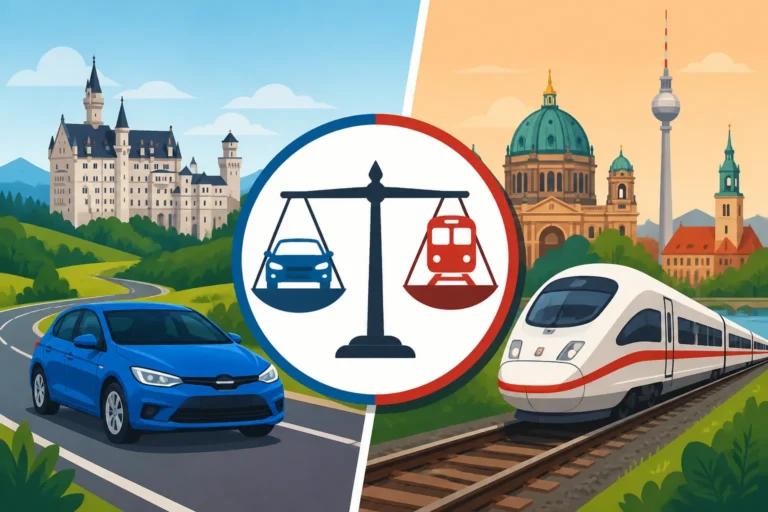
For a move that involves international borders and sea crossings, the scales often tip heavily in favor of professional movers. The peace of mind and reduced workload are invaluable. This is exactly why services like Sirelo exist: to connect you with these trusted professionals and make the "cost" con less daunting by providing competitive quotes.
What to Look for in a Moving Company (with a nod to Sirelo's vetting process)
So, you've decided professional help is the way to go – a smart choice for a move to Germany from Sweden, Denmark, or Norway. But how do you choose the right company amidst a sea of options? This is where a platform like Sirelo becomes incredibly powerful, taking much of the guesswork out of the equation.
When you're sifting through potential movers, here's what truly matters:
- Experience with International Moves (especially Scandinavian-German routes): This isn't just any move; it's cross-border, often multi-modal (road and sea). You need a company that understands the specific logistics of these routes, including ferry booking requirements for large vehicles, potential customs nuances for non-EU goods (if applicable, e.g., for some Norwegian moves), and navigating German roads. An experienced company will have established relationships with ferry operators and a proven track record.
- Comprehensive Insurance Coverage: Accidents happen, even with the best movers. Ensure the company offers robust insurance that covers your belongings from door to door. Ask about different levels of coverage (e.g., total loss vs. specific item damage) and what their claims process looks like. This protection is non-negotiable.
- Clear Communication and English-Speaking Staff: Moving is stressful enough without language barriers. You'll want movers who can communicate clearly, answer your questions, and provide updates in a language you understand. This applies to both the sales team and the logistics coordinators.
- Transparent Pricing: Get a detailed, itemized quote that clearly outlines what's included and what might incur additional costs. Watch out for hidden fees. A reputable company will provide a comprehensive breakdown, including packing, transport, ferry costs, insurance, and any potential surcharges for difficult access or specialized items. Make sure to ask about payment schedules and methods.
- Customer Reviews and Reputation: What do other expats say? Check independent review sites and ask for references. A company's reputation speaks volumes about its reliability and customer service.
- Additional Services: Do they offer packing services? Disassembly and reassembly of furniture? Storage solutions if your new home isn't ready immediately? Vehicle transport? These can add significant value and convenience.
This list can feel overwhelming to verify for each individual company. This is precisely Sirelo's core strength. When you use Sirelo, you're not just getting random quotes; you're accessing a network of moving companies that have often already been vetted for their international experience and reliability. Sirelo simplifies the entire process of finding a moving company by:
- Connecting you with specialized movers: They understand the specific needs of moves from Sweden, Denmark, and Norway to Germany and connect you with companies experienced on these routes.
- Facilitating multiple, comparable quotes: Instead of chasing individual companies, you get several competitive quotes through one platform, making it easy to compare services and prices side-by-side.
- Providing a platform for transparent information: You can often view company profiles and read reviews from other customers directly on their platform, helping you make an informed decision.
By leveraging Sirelo, you gain a significant advantage in finding a mover that not only fits your budget but also has the specific expertise to handle the unique challenges of your Scandinavian-German relocation. This way, you're building a reliable bridge to your new life in Germany.
Comparing Key Ferry Routes for Your Move
To help visualize your options, here's a quick comparison of the primary ferry routes:
| Origin Country | Origin Port | Destination Port (Germany) | Operator(s) | Approx. Duration | Key Considerations |
|---|---|---|---|---|---|
| Sweden | Trelleborg | Rostock | Stena Line, TT-Line | 6-7 hours | Frequent departures, excellent road connections from Rostock. |
| Sweden | Trelleborg | Sassnitz | Stena Line, TT-Line | 4-5 hours | Shorter crossing, good for quick transfers. |
| Sweden | Malmö | Travemünde | Finnlines | 9-10 hours | Longer, often overnight, direct to Lübeck area. Less frequent. |
| Denmark | Gedser | Rostock | Scandlines | 1 hr 45 min | High frequency, great for travelers from Zealand/Copenhagen. |
| Denmark | Rødby | Puttgarden | Scandlines | 45 min | Very high frequency, "floating bridge" experience. Requires crossing Fehmarnsund Bridge. |
| Norway | Oslo | Kiel | Color Line | ~20 hours | Direct overnight cruise-ferry experience. Comfortable but longer and generally more expensive than combined road/short ferry. |
| Norway | (via Denmark/Swe) | (various) | Multiple operators/road | Varies | Involves driving through Sweden/Denmark, potentially multiple tolls/short ferries. Offers flexibility and can be cheaper than direct Oslo-Kiel, but more driving. |
Disclaimer
Please remember that while this guide provides comprehensive information based on current knowledge, regulations, ferry schedules, and prices can change. Always verify the latest information directly with ferry operators, moving companies (like those found via Sirelo), and relevant authorities before making your arrangements. This content is for informational purposes only and does not constitute legal or professional advice.