Moving Insurance for Shipments to Germany: Coverage, Valuation, and Claims
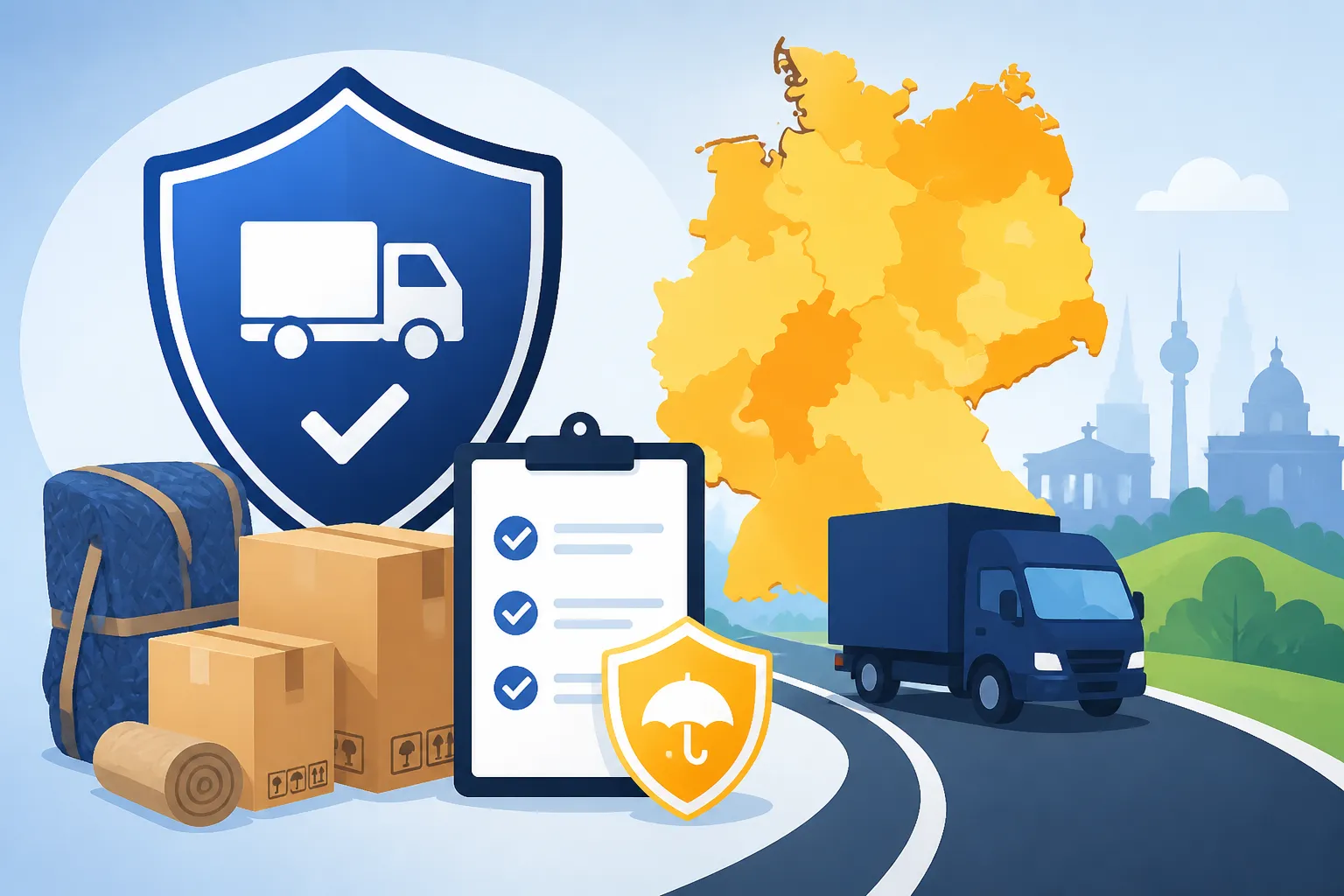
Moving all your cherished belongings across continents or even just across Europe to Germany is a huge undertaking, filled with enough paperwork and logistical headaches to make anyone question their life choices. The last thing you want to worry about is your grandmother's antique lamp arriving in a thousand pieces or your entire household shipment going missing somewhere between Hamburg and Frankfurt. This guide is here to walk you through the essential steps of securing moving insurance for your shipments to Germany, ensuring you understand your options for coverage, valuation, and what to do if the unthinkable happens, offering you a crucial layer of protection in your big move.
Disclosure: This post may contain affiliate links. We may earn a commission at no extra cost to you if you make a purchase through these links. Read full disclosure.
The Unavoidable Truth: Why Moving Insurance to Germany is a Must-Have
When you're planning your big move to Germany, your mind is probably racing with exciting thoughts about exploring Christmas markets, sipping Glühwein, or finally getting your Anmeldung sorted. But let's get real for a moment: the journey your belongings take is long and complex, often involving multiple handlers, different modes of transport, and countless opportunities for something to go awry. Ignoring moving insurance is like driving on the Autobahn without a seatbelt – technically possible, but why would you risk it?
The "What If" Scenario: Risks of International Shipping
I've heard countless horror stories from fellow expats over the years. There's the classic tale of the container that got stuck in customs for weeks, exposed to harsh weather. Then there's the family whose entire dining set arrived with inexplicable dents and scratches. Or the really devastating one: a shipment lost at sea, or even worse, a truck accident on German soil. These aren't just isolated incidents; they're very real, albeit hopefully rare, possibilities when you're moving household goods internationally. From accidental drops during loading and unloading, to unpredictable weather conditions at sea, or even misrouting by an overworked logistics team, the potential for damage or loss is unfortunately higher than most people assume.
Imagine painstakingly packing everything, labeling boxes, and entrusting your entire life's possessions to a moving company, only to find out upon arrival that your most valuable items are damaged or missing. The emotional toll alone can be immense, let alone the financial burden of replacing them. Having robust moving insurance isn't about expecting the worst; it's about being prepared for it, so you can focus on the exciting parts of settling into your new German home without a constant knot of anxiety in your stomach. It's a small investment for substantial peace of mind.
Beyond the Basics: What Standard Mover Liability Doesn't Cover
Many people mistakenly believe that their moving company's standard liability coverage is enough. Let me tell you, it's almost certainly not. Most international moving companies offer a very minimal, legally mandated liability coverage, which is often based on weight, not on the actual value of your items. For instance, a common liability limit might be around €0.60 per kilogram. Think about that for a second. If your 20kg flat-screen TV, worth €1,000, gets smashed, you might only receive €12. That barely covers a decent Schnitzel dinner, let alone a new TV!
This limited liability also typically doesn't cover "acts of God" (natural disasters), strikes, or civil unrest, which, while uncommon, are entirely out of your control. Moreover, the burden of proof often lies heavily on you to prove the moving company's negligence, which can be an uphill battle when dealing with complex international logistics. This minimal coverage is designed to protect the mover, not fully compensate you. That's where a dedicated moving insurance policy, like those easily arranged through a platform such as Sirelo, becomes absolutely indispensable. It bridges that massive gap between what the movers are legally obligated to cover and what your belongings are actually worth.
Navigating Your Coverage Options: Understanding the Jargon
Insurance policies can feel like they're written in another language, even more complex than learning German verb conjugations! But it's crucial to understand the different types of coverage available so you can make an informed decision about protecting your belongings. Don't just tick a box; truly grasp what you're getting into.
Total Loss vs. All-Risk: Decoding Policy Types
When it comes to moving insurance for your shipment to Germany, you'll generally encounter two main types of policies: "Total Loss" and "All-Risk." Understanding the difference is paramount.
Total Loss Coverage: This is the bare minimum, offering protection only if your entire shipment is lost or completely destroyed. Think catastrophic events: your whole shipping container falls off the ship into the Atlantic, or the moving truck carrying your possessions gets completely engulfed in a fire. In such a dire scenario, you'd be covered for the declared value of your entire shipment. However, if just a few boxes arrive crushed, or your prized porcelain collection is shattered, total loss coverage won't help you. It's inexpensive, yes, but offers very limited protection for the myriad of things that can go wrong during an international move. It might be tempting to go for the cheapest option, but consider if the peace of mind it offers truly aligns with the value of your possessions and your comfort with risk.
All-Risk Coverage: This is the gold standard and what I always recommend, especially for a move as significant as coming to Germany. Despite its name, "all-risk" doesn't cover absolutely everything (more on that in a moment), but it covers damage or loss of individual items within your shipment, as well as total loss. This means if that antique lamp arrives broken, or a box of books goes missing, you can file a claim for those specific items. This type of policy typically covers a wide range of perils, including theft, non-delivery, breakage, scratching, denting, and water damage. It's a comprehensive safety net for your entire household goods shipment. While it costs more upfront, the potential savings and stress reduction in a claim situation are immeasurable. Platforms like Sirelo can help you compare and secure excellent all-risk policies tailored to your move to Germany.
It's vital to read the fine print, even with all-risk policies, as there are almost always exclusions. These commonly include pre-existing damage, mold or mildew due to internal moisture not caused by external factors, consequential loss (e.g., loss of business due to damaged equipment), or items improperly packed by you (if you choose to pack yourself). This brings us to another crucial point: if you're not using professional packers, be extra diligent, as shoddy packing can invalidate claims even under an all-risk policy.
The Art of Valuation: Declared Value vs. Actual Cash Value
Beyond choosing your coverage type, how you value your belongings for insurance is another critical decision. You'll typically encounter two methods: Declared Value (or Replacement Cost) and Actual Cash Value.
Declared Value / Replacement Cost: This is the most beneficial option for you. With this method, you declare the current replacement cost of each item. For example, if your sofa cost €1,000 ten years ago but a comparable new sofa would cost €1,500 today, you'd insure it for €1,500. This ensures that if the item is damaged beyond repair or lost, you receive the amount needed to replace it with a new, similar item. It's crucial to be thorough and realistic when compiling this list. Don't undervalue your items to save a few euros on the premium; you'll regret it if you ever have to make a claim. This is particularly important for unique or custom items where finding an exact replacement can be difficult.
Actual Cash Value (ACV): This method takes depreciation into account. If that €1,000 sofa from ten years ago is now only worth €300 due to wear and tear and age, that's the amount you'd receive. ACV policies are cheaper because the payout is significantly less, but they won't allow you to replace your items with new ones. This might be acceptable for very old, inexpensive, or easily replaceable items, but for anything valuable or cherished, it's usually not the best choice.
When working with a moving insurance provider found through services like Sirelo, they'll guide you through the valuation process, providing inventory forms where you can list all your items and their declared values. It takes time, yes, but think of it as an investment in protecting your future self from a massive headache. Take photos or videos of your items before packing, especially anything valuable or fragile. This visual documentation is invaluable should you need to file a claim. You want to make sure every single box and its contents, whether it's for your new Wohnung or your garden, is accounted for and appropriately valued.
Making a Claim: What to Do When Things Go Wrong
Even with the best insurance, accidents can happen. When they do, the claims process can feel daunting, especially if you're still navigating life in a new country like Germany. But don't panic! Being prepared and knowing the steps can make a world of difference.
Documentation is King: Preparing for the Worst-Case Scenario
The secret weapon in any insurance claim is meticulous documentation. Before anything even leaves your old home, start building your "claim kit." This proactive approach will save you countless headaches down the line.
Firstly, your detailed inventory list, where you've ideally specified the declared value of each item, is your bible. This isn't just a list for the movers; it's your definitive record for the insurance company. Secondly, photographs and videos are absolutely non-negotiable. Take clear, well-lit photos of every significant item, especially those that are valuable, fragile, or prone to damage. Capture their condition before they are packed. If possible, also video the packing process, showing items being placed securely into boxes. Don't forget to photograph the boxes themselves, especially if they show any signs of pre-existing damage or if you want to prove they were properly sealed.
Thirdly, keep all your moving documents in an easily accessible folder: the moving contract, bills of lading, customs declarations, and of course, your insurance policy. If you sourced your insurance through a platform like Sirelo, you'll have these documents readily available. When your shipment arrives in Germany, meticulously inspect every single box and piece of furniture before signing off on delivery. If you notice any visible damage to boxes or items, document it immediately on the delivery receipt (often called a "proof of delivery" or "delivery note"). Take photos of the damaged packaging and items right then and there. Even minor external damage to a box could indicate internal damage, so note everything. This immediate notation on the delivery paperwork is crucial, as it provides undeniable proof that the damage occurred while the items were still under the mover's care. Without this, proving your case becomes significantly harder.
The Claims Process: A Step-by-Step Walkthrough
Okay, you've done your due diligence, but alas, something went wrong. Here's a general walkthrough of how the claims process typically unfolds, keeping in mind that specific policies and providers may have slight variations.
Step 1: Immediate Notification: The moment you discover damage or loss, notify both your moving company and your insurance provider. Many policies have strict deadlines for reporting claims (e.g., within 7-10 days of delivery), so don't delay. If you used Sirelo for your insurance, their platform or contact information will guide you on how to initiate this. This initial contact is usually just to alert them; you'll follow up with detailed documentation.
Step 2: Formal Claim Submission: You'll need to formally submit your claim, often using a specific claims form provided by your insurer. This form will ask for details about the damaged or lost items, the estimated value, and a description of the damage. This is where all your pre-move documentation comes into play. Attach your inventory list, pre-move photos, and most importantly, photos of the damage as it appeared upon delivery. Include a copy of the delivery receipt with your damage notations. If possible, gather repair estimates for damaged items or quotes for replacements.
Step 3: Assessment and Investigation: The insurance company will review your claim and may assign a claims adjuster. For significant damage, they might arrange for a local surveyor in Germany to inspect the items. Be prepared to answer questions and provide any additional information they request. This stage can sometimes feel like a waiting game, but patience and thoroughness on your part will aid the process.
Step 4: Settlement or Denial: Once their investigation is complete, the insurance company will either approve your claim (fully or partially) or deny it. If approved, they'll offer a settlement based on your policy's terms (replacement cost or actual cash value). If denied, they should provide a reason, and you'll have the option to appeal if you believe the denial is unjust. Throughout this process, maintain clear, concise communication, keeping copies of all correspondence. Navigating these waters can be complex, and having all your ducks in a row with a reliable insurer like those found via Sirelo can truly ease the burden. This proactive stance ensures that your new life in Germany starts on the right foot, even if there's a minor hiccup along the way. Remember, your peace of mind is worth more than any premium.
| Coverage Type | What It Covers | Cost Implications | Best For |
|---|---|---|---|
| Mover Liability | Minimal, legally mandated (e.g., €0.60/kg). Covers mover's negligence only. | Very Low (often included) | Not recommended as primary coverage. Only for very low-value items where risk is minimal. |
| Total Loss Coverage | Entire shipment lost or completely destroyed. | Low | Basic protection for catastrophic events, but no coverage for individual item damage/loss. |
| All-Risk Coverage | Damage or loss to individual items, as well as total loss (with exclusions). | Moderate to High | Most comprehensive. Highly recommended for international moves to Germany, covering valuable and fragile items. |
Finding Your Peace of Mind: Why Sirelo is Your Best Bet for Germany
Let’s be honest, finding reliable international moving companies and then sifting through countless insurance providers on your own is a monumental task, especially when you're already juggling visa applications, finding an apartment, and trying to learn basic German phrases. This is where a trusted platform like Sirelo truly shines, making the process of securing comprehensive moving insurance for your German adventure remarkably smoother.
Sirelo isn't just another directory; it's a comprehensive resource designed to simplify international moves. They understand the unique challenges expats face, and they've curated a network of reputable moving companies and insurance partners. By using Sirelo, you're not just finding a policy; you're gaining access to a streamlined process that ensures you get quotes from reliable insurers who specialize in international shipments to destinations like Germany. This saves you hours of research and helps you compare options to find the best fit for your needs and budget.
What makes Sirelo particularly valuable for your moving insurance needs to Germany is their focus on transparency and user support. They help you navigate the complexities of different coverage types, assist with understanding valuation methods, and ultimately connect you with providers who offer robust "all-risk" policies. Instead of guessing, you can confidently choose a policy knowing that it's designed to protect your household goods adequately, whether they're traveling by sea to Hamburg or by truck across Europe. Sirelo truly acts as your advocate, simplifying the process and giving you peace of mind that your treasured possessions are in good hands, and properly insured for their journey to your new home. Whether you're moving from a neighboring EU country or from across the globe, getting your finances in order, including comprehensive insurance, is key to a smooth start in Germany. For those planning a bigger move, considering resources like a Moving to Germany: Comprehensive Visa & Immigration Guide or Moving Your Belongings to Germany: Tips for an Easy Move to Germany can provide a holistic view.
Sirelo's Advantage: Streamlined Quotes and Trusted Partners
One of the biggest frustrations when organizing an international move is the sheer volume of choices and the difficulty in discerning reliable providers from those less scrupulous. Sirelo addresses this head-on by acting as a central hub where you can request quotes from multiple vetted moving companies and, crucially, secure dedicated moving insurance. They've done the heavy lifting of pre-screening, meaning you're already starting with a level of trust and confidence that would be hard to achieve by cold-calling companies yourself.
When you use Sirelo, you submit your moving details once, and they connect you with partners who can offer tailored insurance solutions specifically for shipments to Germany. This means you’re not just getting generic advice; you’re getting offers from insurers who understand the logistics, potential risks, and customs procedures involved in a German move. This focused approach ensures that the insurance policies are relevant and effective for your journey. Furthermore, Sirelo's platform often provides clear breakdowns of what each policy covers, making it easier for you to compare and contrast options like "total loss" versus "all-risk" coverage without getting lost in insurance jargon. This ease of comparison is invaluable, especially when you're dealing with multiple moving parts of an international relocation. They help you understand how to navigate the Cost of Living in Germany: Budgeting Guide for Expats, and how insurance fits into that broader financial picture.
Ensuring Your Claim is Handled Smoothly with the Right Policy
Ultimately, the true test of any insurance policy comes when you need to make a claim. This is where the quality of your chosen provider, often facilitated through Sirelo, truly matters. With a good policy, the claims process, though never fun, can be straightforward and fair. Sirelo's network includes insurers known for their responsiveness and professionalism in handling international claims. They understand that you're likely settling into a new country and don't have time for drawn-out bureaucratic battles.
By choosing an insurer recommended through Sirelo, you increase your chances of having a smooth claims experience should anything unfortunate occur during transit to Germany. They help ensure you have all the necessary documentation, from detailed inventory lists to high-resolution photos, to support your claim effectively. This preparatory guidance is key to a successful claim. While we all hope for an uneventful move, securing robust moving insurance for your precious cargo through a trusted platform like Sirelo is simply a non-negotiable step for any expat heading to Germany. It's the ultimate safeguard that allows you to start your new chapter with confidence, knowing your belongings are protected, whether you're dealing with Understanding German Bills and Letters: Decoding Official Mail or just unpacking your last box. A little foresight with your insurance means a lot less stress later on.
Disclaimer
Please remember that while this guide provides comprehensive information, I am an expat lifestyle blogger, not a financial advisor or insurance professional. The information shared here is for general informational purposes only and does not constitute professional advice. Always consult with a qualified insurance broker or financial expert for personalized advice regarding your specific moving insurance needs and circumstances for your move to Germany. Insurance policies and regulations can change, so always verify the most current information with official sources or your chosen provider.