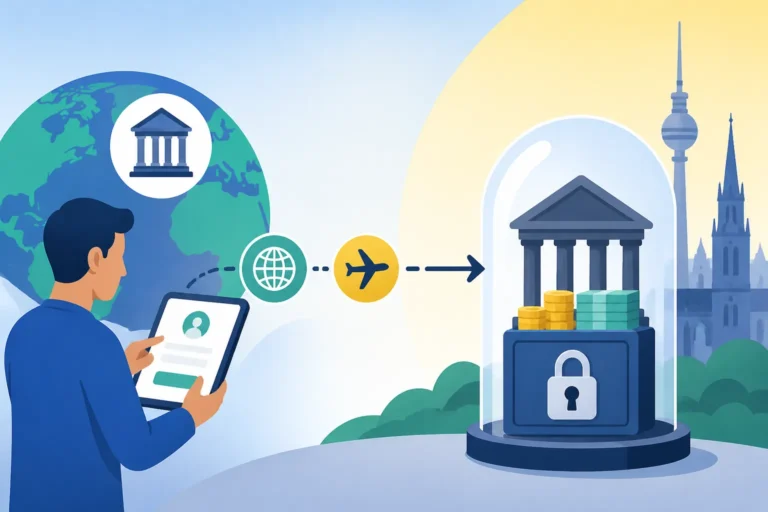
An International Move to Germany: The 12-Week Planning Calendar
The thought of moving to Germany, especially from another country, can feel like you're trying to orchestrate a symphony with instruments you've never seen before, all while speaking a language you're still learning. It's exhilarating but undeniably daunting, filled with bureaucratic hurdles and endless checklists that seem to multiply overnight. This comprehensive 12-week planning calendar is designed to be your conductor's baton, breaking down the mammoth task into manageable, realistic steps, ensuring you arrive in Germany prepared and, dare I say, somewhat sane. We’ll walk through each stage, providing concrete advice and highlighting how crucial resources like the moving comparison platform Sirelo can significantly lighten your load.
Disclosure: This post may contain affiliate links. We may earn a commission at no extra cost to you if you make a purchase through these links. Read full disclosure.
The Initial Phase: 12-8 Weeks Before Your Move
This is where the big picture takes shape. It’s about making foundational decisions, understanding legal requirements, and starting the daunting process of sorting through your life’s possessions.
Visa and Immigration Essentials
Before you even think about packing a single box, your visa and residence permit situation must be crystal clear. This is arguably the most critical and often the most frustrating step for many expats. Germany's immigration system, while structured, demands precision and patience. You can't just show up and figure it out; you need the correct entry visa for your purpose, whether it's for work, study, or family reunification.
Start by identifying the specific visa category that applies to you and your family. Visit the website of the German embassy or consulate in your current country of residence. They will have detailed lists of required documents, application forms, and appointment booking systems. Be prepared for a thick stack of paperwork: proof of financial means, academic qualifications, employment contracts, marriage certificates, birth certificates – often needing to be apostilled and translated by certified German translators. Missing a single document or having an incorrect translation can lead to significant delays, sometimes forcing you to reschedule your appointment months down the line. It's a bureaucratic rite of passage, believe me. For a deep dive into the process, check out our guide on Moving to Germany: Comprehensive Visa & Immigration Guide.
Decluttering and Inventory
Moving internationally means you can't take everything with you. This is the perfect (and necessary) opportunity to declutter. Overpacking means more weight, more volume, and significantly higher shipping costs. Start room by room, making three piles: "Keep," "Sell/Donate," and "Discard." Be ruthless. Does that old college textbook spark joy, or has it just been collecting dust? Think about the practicality and cost of shipping an item versus buying it new in Germany. German apartments, especially in cities like Berlin or Munich, can be smaller than what you might be used to, and storage solutions are often minimal.
As you declutter, begin to compile a detailed inventory of items you intend to ship. This isn't just for your own organization; it's essential for insurance purposes and customs declarations. Take photos of valuable items. A comprehensive inventory will also be critical when you start getting quotes from moving companies, as it helps them accurately assess the volume and weight of your shipment. This step often takes longer than anticipated, so dedicate ample time to it.
Choosing a Moving Company
This is where the stress of an international move really hits, and it's also where a platform like Sirelo becomes an absolute lifesaver. Finding a reputable, reliable, and affordable international moving company for Germany is not a trivial task. You're entrusting your entire life's possessions to them, often across continents. The horror stories of delayed shipments, damaged goods, or hidden fees are plentiful, and you definitely don't want to become one of them.
Instead of endlessly searching and calling individual companies, Sirelo streamlines the process by allowing you to compare multiple quotes from pre-vetted international moving companies that specialize in moves to Germany. You submit your moving details once, and you receive competitive offers from various movers. This not only saves you countless hours but also gives you peace of mind knowing that the companies on Sirelo are experienced in handling German customs regulations and logistics. It helps you find movers that understand the nuances of things like delivering to a German apartment building with a narrow stairwell or navigating pedestrian zones. Don't underestimate the value of transparency and comparison shopping in this stage; it can save you thousands and prevent immense headaches. Sirelo makes it simple to get several quotes at once, allowing you to compare services, insurance options, and prices side-by-side.
The Mid-Game: 7-4 Weeks Before Your Move
With your visa in process and major decisions made, this phase focuses on the tangible aspects of the move: packing, administrative tasks, and ensuring you’re covered for what lies ahead.
Packing Strategies and Supplies
If you've opted for a full-service move, your chosen company from Sirelo will handle the packing. However, if you're doing it yourself, this is prime time. Start collecting sturdy moving boxes, packing tape, bubble wrap, and markers. Remember, quality packing materials protect your belongings during their long journey. Label every box with its contents and the room it belongs to in your new German home. This will be invaluable during unpacking.
Consider the climate in Germany and how it might affect certain items. Are there any items that need special care due to humidity or temperature changes during transit? Pack essentials you'll need immediately upon arrival separately, like toiletries, a change of clothes, important documents, and maybe a small first-aid kit. Remember that in Germany, many apartments are rented "bare," meaning without kitchen cabinets or light fixtures. Plan accordingly for what you might need to acquire or ship to make your new place functional. You can find more practical insights in our article on Furnishing a German Apartment and the Empty-Kitchen Problem.
Notifying Key Institutions
The German bureaucracy loves its paperwork, and getting ahead of it from your home country can save you a world of pain. Start notifying your current landlord, utility providers (electricity, gas, water, internet), banks, and any subscription services of your impending move. Ensure you have clear end dates for services to avoid being charged after you leave.
Gather all your essential documents and make multiple copies, both physical and digital. This includes passports, birth certificates, marriage licenses, academic degrees, professional certifications, and any medical records. When you arrive in Germany, you'll need these for various registrations, like your Registering Your Address (Anmeldung): Step-by-Step Guide at the local Bürgeramt, opening a bank account, or applying for a residence permit. Having them organized and easily accessible will prevent frantic searching in a new environment.
Healthcare and Insurance Prep
Healthcare in Germany is mandatory, and navigating the system can be complex for newcomers. Even before you arrive, you need to understand your options and ensure you have continuous coverage. If you're employed, you'll likely join the public health insurance system (gesetzliche Krankenkasse). If you're a freelancer, student, or high-earner, private health insurance might be an option. Either way, this needs to be sorted before you land.
Research providers like TK, AOK, or Barmer for public insurance, or various private insurers. You'll need proof of insurance for your visa application and for your initial registration in Germany. Don't forget travel insurance for the journey itself, especially if there's a gap between your old health coverage ending and your new German one beginning. Our guides on Healthcare in Germany: A Comprehensive Guide for Expats and How to Get Health Insurance in Germany: Step-by-Step for Newcomers offer detailed guidance. It’s also wise to check if your existing general liability insurance (Haftpflichtversicherung) or home contents insurance (Hausratversicherung) from your home country covers international moves or if you'll need new policies once you arrive, which you almost certainly will. Many German landlords require Haftpflichtversicherung.
The Final Countdown: 3 Weeks to Moving Day
The finish line is in sight, but these last few weeks are often the most intense. It's all about tying up loose ends and preparing for immediate needs.
Utility and Address Changes
Confirm cancellation dates with all your existing utility providers. If you've used a moving service like those found through Sirelo, they can often provide advice on connecting utilities in your new German home, though the actual setup usually falls to you. Begin researching German internet and mobile phone providers. Services like Deutsche Telekom, Vodafone, or O2 are common, but finding the right plan can be a puzzle. Setting up internet can take time, so aim to do this as soon as you have a confirmed address in Germany. Don't forget to redirect your mail to a temporary address or a trusted friend/family member if you haven't secured your German address yet.
It's important to understand the concept of the Rundfunkbeitrag (broadcast fee) in Germany. Every household contributes to public broadcasting, regardless of whether you own a TV or radio. This is a mandatory fee you'll encounter soon after registration. While frustrating to some, it's just a part of living here.
Travel Arrangements and Essentials
Book your flights and any necessary connecting travel. Confirm luggage allowances, especially if you're bringing extra bags with items you couldn't ship. Pack your "essentials bag" or carry-on with absolute necessities: passports, visas, important documents, medications, a basic change of clothes, chargers, and any valuables. You definitely don't want these items in a container making its way across the ocean!
If you're traveling with pets, ensure all their veterinary paperwork, vaccinations, and microchip information are up-to-date and comply with German import regulations. This is a crucial step that can cause significant heartache if not handled correctly. Have a plan for their travel, comfort, and immediate care upon arrival.
The Survival Kit
Put together a "first-night" box. This box should contain everything you'll need for the first 24-48 hours in your new German home before your main shipment arrives. Think about things like basic cleaning supplies, toilet paper, soap, towels, a few plates and cutlery, snacks, coffee/tea, a kettle, tools for basic assembly (especially for those infamous "empty kitchens"!), and lightbulbs. Seriously, don't forget lightbulbs; many German rentals often come without them!
Include a printout of important addresses and phone numbers: your landlord, the local Bürgeramt, your insurance company, emergency services, and the contact person for your moving company (like the one you found via Sirelo). It's easy to rely on your phone, but a dead battery or lack of internet can leave you stranded. Having physical copies provides a critical backup when you're overwhelmed and disoriented.
Arrival and Settling In: The First Weeks in Germany
Congratulations, you've made it! The actual move is done, but the settling-in phase has its own set of crucial steps to ensure a smooth transition into German life.
Immediate Post-Arrival Tasks
Your absolute first priority, typically within 1-2 weeks of moving in, is the Registering Your Address (Anmeldung): Step-by-Step Guide at your local Bürgeramt. This is non-negotiable and essential for almost everything else, from opening a bank account to getting your tax ID. You'll need your passport, your visa/residence permit, and the Wohnungsgeberbestätigung (a form signed by your landlord confirming your move-in). Without the Anmeldung, you're essentially invisible to the German system.
Once registered, you can proceed to Opening a Bank Account in Germany: Step-by-Step for Newcomers. Many expats find online banks like N26 or traditional banks like Sparkasse or Commerzbank to be good options. You'll need your passport, Anmeldung certificate, and often your tax ID (Steuer-ID), which you'll receive by mail after your Anmeldung. Remember that many aspects of German life, from paying rent to receiving your salary, are much smoother with a local bank account.
Opening Your German Life
This is the phase of truly integrating. Start exploring your new neighborhood. Find your local supermarket (Rewe, Edeka, Aldi, Lidl are popular), pharmacy (Apotheke), and public transport stops. Get familiar with the recycling system (Waste Sorting in Germany (Mülltrennung) and Pfand), which can be surprisingly complex.
Consider taking German language classes at a Volkshochschule (adult education center) or private language school. Even basic German will significantly improve your daily life and help you understand your new culture. Embrace the local customs, even the ones that might seem peculiar, like strict quiet hours (Ruhezeit) or shops being closed on Sundays. It's all part of the experience of living in Germany, a journey that can be incredibly rewarding once you get past the initial hurdles. Don't be afraid to connect with other expats; they've been through it and can offer invaluable advice and support.
| Week Before Move | Key Tasks & Considerations | Sirelo Integration |
|---|---|---|
| 12-10 Weeks | Visa & Immigration: Research visa requirements, gather documents, book embassy appointment. Declutter: Start sorting belongings (keep, sell, donate, discard). |
Begin your search for international moving companies early via Sirelo. Input your details to receive and compare free quotes from pre-vetted movers, ensuring you have ample time to review options and secure a reliable service. |
| 9-8 Weeks | Inventory: Create a detailed inventory of items to ship. Moving Company: Finalize your choice of mover. Budget: Start budgeting for moving costs, initial living expenses in Germany. |
By now, you should be narrowing down your choices from the Sirelo quotes. Discuss specifics like packing services, insurance, and customs clearance with your preferred moving company. Sirelo helps you find movers experienced with complex international logistics. |
| 7-6 Weeks | Notices: Give notice to landlords, utility providers, schools, and employers. Documents: Collect and copy all essential personal documents (physical & digital). Healthcare: Research German health insurance options, begin application process. |
Confirm your moving date and service details with the company you selected through Sirelo. They can offer guidance on necessary documentation for customs. |
| 5-4 Weeks | Packing: Start packing non-essential items (if self-packing). Mail Forwarding: Arrange for mail redirection. Banking: Research German bank accounts, gather documents for opening one. |
Reconfirm all details with your Sirelo-chosen mover. They'll appreciate knowing you're on track. If any item changes in your inventory, inform them, as this might affect the quote. |
| 3 Weeks | Utility Cancellations: Confirm final dates for existing utilities. German Utilities: Research and plan for setting up internet, mobile, electricity in Germany. Emergency Kit: Prepare a "first-night" box with essentials. |
Ensure final payment schedules are clear with your mover. The transparency provided by Sirelo helps avoid hidden costs later. |
| 2 Weeks | Valuables: Secure important documents, jewelry, and fragile items for personal transport. Travel: Finalize flights, accommodation for arrival, pet travel arrangements. Cash: Obtain some Euros for immediate expenses. |
Any last-minute questions about customs or delivery to your new German address can be directed to your chosen mover. Sirelo's network includes companies with extensive experience in German delivery logistics. |
| 1 Week | Final Pack: Pack remaining items, ensure labels are clear. Clean: Perform final cleaning of your old residence. Contacts: Print out important contacts (landlord, emergencies, moving company). |
Confirm the final pickup schedule and any last-minute instructions with your international moving company. The peace of mind from using a pre-vetted company found on Sirelo will be invaluable in this stressful week. |
| Moving Day | Supervise: Be present for the movers, check off items as they leave. Final Checks: Do a final walkthrough of your old home. Travel: Begin your journey to Germany! |
Coordinate closely with the moving crew. They are the experts in getting your belongings safely out. After your move is complete, consider leaving a review on Sirelo to help future expats! |
| First 2 Weeks | Anmeldung: Register your address at the Bürgeramt immediately. Bank Account: Open a German bank account. Health Insurance: Activate your German health insurance. Explore: Get to know your neighborhood, find grocery stores. |
Keep communication open with your moving company regarding the delivery of your shipment. Sirelo offers customer support to help mediate if any issues arise, though typically, the companies in their network are highly professional. |
This 12-week calendar might seem like a lot, but tackling it week by week, step by step, will make your international move to Germany much smoother. Remember, you don't have to do it alone. Utilizing services like Sirelo to find a reliable moving company can take a huge burden off your shoulders, allowing you to focus on the myriad of other tasks. Good luck with your exciting new chapter in Germany!
Disclaimer
Please note that while this guide provides comprehensive information based on current practices, regulations for visas, immigration, and moving logistics in Germany can change. It is always advisable to consult official German government websites, the German embassy or consulate in your home country, and professional service providers (like moving companies found through Sirelo, legal advisors, or tax consultants) for the most up-to-date and personalized advice relevant to your specific situation. This article is intended for informational purposes only and does not constitute legal or professional advice.