Retiring in Germany: Financial Considerations for Expats on Pensions
Non-EU retirement in Germany lacks a dedicated visa, requiring alternative legal residency pathways, strict financial proof, and worldwide income taxation.

Non-EU retirement in Germany lacks a dedicated visa, requiring alternative legal residency pathways, strict financial proof, and worldwide income taxation.

German foreign trade laws, Bundesbank reporting limits, and financial technology transfer methods help expats move savings safely without incurring taxes.

German worldwide taxation rules apply to residents, requiring foreign income reporting, tax residency tests, and progression clause calculations.

German unemployment benefit regulations, residence permit conditions, and visa risks dictate if non-EU expats can safely claim local welfare support.

Kindergeld eligibility rules allow foreign workers living in Germany to claim monthly financial child support by meeting specific residency criteria.
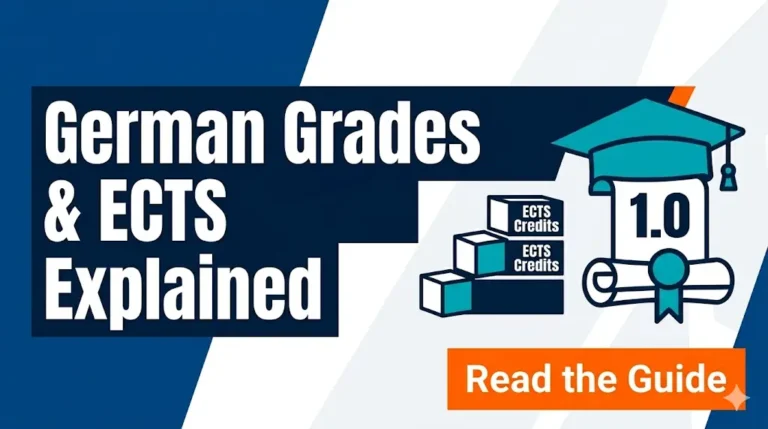
The German grading system and ECTS credits explain inverted numerical scores, passing thresholds, and credit requirements for university degrees.

The German student housing market guide explains public dorms, private micro-apartments, and shared flats to help expats secure rooms.

Non-EU student exchange programs and Erasmus funding offer specific grants, university partnerships, and scholarships to study in Germany.

German MBA programs require public or private tuition fees, work experience, and strict admissions criteria for international students.

The German academic system explains doctoral paths, supervisor roles, non-university institutes, job search boards, and public funding contracts.