How to Find LGBTQ+ Friendly Nightlife in Germany
You've just arrived in Germany, or perhaps you've been here a while, and you're ready to dive into the vibrant nightlife scene. But for many LGBTQ+ individuals, simply "finding a bar" isn't enough. There's a longing for spaces where you feel truly seen, safe, and free to be yourself without question or judgment. It can be a bit daunting trying to navigate a new country's social scene, especially when you're looking for specific, inclusive environments. Trust me, I've been there, wondering if that bar with a tiny rainbow sticker is actually a welcoming spot or just performative. This guide is here to cut through the guesswork and show you how to confidently find the most amazing LGBTQ+ friendly nightlife experiences Germany has to offer.
Disclosure: This post may contain affiliate links. We may earn a commission at no extra cost to you if you make a purchase through these links. Read full disclosure.
Understanding Germany's LGBTQ+ Landscape and Nightlife Culture
Before we jump into specific venues, let's set the scene. Germany has a rich, complex, and largely progressive history when it comes to LGBTQ+ rights and acceptance, which deeply influences its nightlife culture. Understanding this context can help you appreciate the spaces you'll find.
A Brief History of Acceptance and Progress
Germany, particularly Berlin, has been a significant hub for LGBTQ+ culture and activism for over a century. Think of Magnus Hirschfeld's Institute for Sexual Research in the early 20th century, a pioneering center for queer studies and advocacy, tragically destroyed by the Nazis. While the Nazi era was a devastating setback, the post-war period saw a slow but steady resurgence of LGBTQ+ rights movements. Fast forward to today, and Germany is widely recognized as one of the most LGBTQ+ friendly countries in Europe, with legal protections against discrimination, civil partnerships since 2001, and full marriage equality enacted in 2017.
This progressive stance translates into a generally accepting society, especially in urban centers. While homophobia and transphobia sadly still exist everywhere, you'll find a palpable sense of openness and celebration of diversity in many German cities. This foundation makes for a thriving and diverse nightlife that caters to the LGBTQ+ community. The history is important because it tells you that these spaces aren't just trendy; they're often deeply rooted in decades of community building and activism.
German Nightlife in General: What to Expect
German nightlife, regardless of its specific orientation, often has its own rhythm. Forget the idea of showing up at a club at 9 PM; Germans typically start their evenings later. Bars get lively around 9 PM or 10 PM, and clubs often don't truly kick off until midnight or even later, especially on weekends. It's not uncommon to leave a club as the sun is rising!
Dress codes tend to be more relaxed than in some other European countries, but "casual chic" or something with a bit of an edge is usually a safe bet for clubs, while bars are more flexible. Expect smoke in some bars, as indoor smoking bans aren't always as strict as you might be used to, particularly in smaller, privately run establishments or designated smoking areas. Music varies wildly, from techno and house (which Germany is famous for) to pop, rock, and themed nights. Importantly, within LGBTQ+ spaces, you'll often find an even greater sense of freedom in expression and dress, so don't be afraid to let your true colors shine.
Major LGBTQ+ Hubs in Germany
While many cities have welcoming spots, a few German cities stand out as undeniable epicenters for LGBTQ+ life. These are the places where the scene is well-established, diverse, and buzzing almost any night of the week. Berlin, without a doubt, leads the pack, boasting a global reputation for its queer scene. Cologne follows closely, often dubbed Germany's "gay capital," especially in the west. Hamburg and Munich also offer robust and vibrant scenes that draw both locals and visitors. Other cities like Frankfurt, Düsseldorf, and Leipzig have growing and significant LGBTQ+ communities and nightlife offerings that are definitely worth exploring. If you're planning a trip primarily for the queer scene, these are your starting points.
Navigating the Scene: How to Find Your Tribe
So, you're in Germany, ready to explore. How do you actually find these wonderful places? It’s a mix of digital savvy and knowing what to look for on the ground.
Online Resources and Apps: Your Digital Compass
In today's world, technology is your best friend when looking for specific social scenes. Forget stumbling aimlessly; there are fantastic online tools to guide you.
- GayCities & Queer Travel Guides: Websites like GayCities.com or Queer.de (a German LGBTQ+ news and event portal) are excellent starting points. They list bars, clubs, saunas, and events, often with reviews and photos. These are usually updated regularly, giving you a good idea of what's happening now.
- Planetromeo, Grindr, Hornet, Taimi, Scruff: These apps, while primarily dating or hook-up platforms, are invaluable for their "discover" or "explore" features. You can often see who's nearby and what venues they've checked into or recommend. Many users will directly mention their favorite local spots in their profiles, or you can simply ask for recommendations. Just be clear about your intentions if you're solely looking for social connections or venue tips!
- Social Media & Event Listings: Follow local LGBTQ+ organizations, venues, and event promoters on Instagram or Facebook. Many clubs and bars will post their weekly schedules, special parties, or drag shows directly on these platforms. A quick search for #[City]GayLife or #[City]Queer on Instagram can yield surprising results. Eventbrite or local city event calendars might also list larger queer events, festivals, or themed nights.
- "Queer Berlin" or "Gay Cologne" Searches: A simple Google search with "Queer [City Name] Nightlife" or "Gay Bars [City Name]" will usually bring up local blogs, expat forums, or dedicated guides that are constantly updated. These are often written by locals or seasoned expats and can offer incredible insider tips.
Using a combination of these digital tools will give you a comprehensive overview of what's available and help you plan your nights out effectively.
Local Spotting: From Rainbow Flags to Community Centers
Sometimes, the best discoveries happen offline. Once you're in an LGBTQ+ friendly neighborhood, keep your eyes peeled.
- Rainbow Flags and Stickers: This might seem obvious, but it's the most straightforward indicator. Businesses proudly displaying rainbow flags, stickers (especially the updated ones with black, brown, blue, pink, and white stripes for inclusivity), or other queer symbols are generally safe bets. Look for these not just on bars and clubs, but also on cafes, bookstores, and shops; they often signal a broader welcoming attitude in the area.
- Community Centers and Shops: Many major cities have dedicated LGBTQ+ community centers (like LSVD offices or local queer youth centers). These places often have bulletin boards plastered with flyers for upcoming parties, regular bar nights, discussion groups, and cultural events. Similarly, sex shops catering to the gay community or queer-friendly bookstores often serve as informal information hubs.
- Walk the Talk: In cities like Berlin and Cologne, specific neighborhoods are known as queer districts. Take a stroll through these areas during the evening, and you'll quickly get a feel for the density of LGBTQ+ venues. The sheer number of rainbow flags, mixed crowds, and general vibe will tell you you're in the right place. Observing what bars are busy and attracting a crowd you identify with is a great way to find your perfect spot.
Types of Venues: From Cozy Bars to Pumping Clubs
Germany's LGBTQ+ nightlife is incredibly diverse, offering something for every mood and preference.
- Classic Gay Bars (Schwulenbars/Lesbenbars): These are your traditional watering holes, often cozy and perfect for relaxed conversations. Many cater to a specific crowd, be it bears, leather, older clientele, or a generally mixed gay male crowd. Lesbian bars, though fewer in number, offer crucial spaces for women and non-binary folk. These are fantastic places to start your evening, grab a drink, and meet new people.
- Drag Bars and Cabaret Venues: Get ready for glitter, wigs, and sass! Drag shows are incredibly popular in Germany, offering high-energy entertainment. Many bars host regular drag nights, from lip-sync battles to full-blown cabaret performances. These are often joyous, celebratory spaces.
- Queer Clubs and Dance Floors: If you want to dance until dawn, Germany's queer clubs will deliver. Expect powerful sound systems, diverse DJs, and a liberating atmosphere. From the legendary Berghain/Panorama Bar in Berlin to smaller, intimate venues, these clubs are where the techno pulse meets queer liberation. There are also clubs specifically for various fetishes and kinks, if that's your scene.
- Mixed & Inclusive Spaces: Increasingly, many venues aren't exclusively "gay" or "lesbian" but proudly identify as "queer" or "LGBTQ+ friendly." These spaces are often consciously inclusive of trans, non-binary, and other gender-diverse individuals, as well as allies. They foster a sense of broad community and can be very refreshing.
Regardless of your preference, Germany's LGBTQ+ nightlife offers a spectrum of experiences. You can find everything from a quiet corner for a chat to a packed dance floor pulsating with energy.
Top Cities for LGBTQ+ Nightlife in Germany
Let's get down to the specifics! While you can find welcoming places almost anywhere, some cities truly shine. When you're considering travel within Germany, remember that booking your train tickets via Omio can often save you money, especially if you plan ahead for popular routes between these major hubs.
Berlin: The Unrivaled Epicenter
Berlin's reputation precedes it, and for good reason. It's a truly global capital for queer culture, offering an unparalleled diversity of venues, events, and communities.
- Schöneberg: This is historically Berlin's most famous gay neighborhood, particularly around Nollendorfplatz. It's home to a multitude of classic gay bars, leather bars, fetish clubs, and a generally older, established crowd. You'll find iconic spots like Ficken 3000, a gritty, fun club, or the more relaxed Heile Welt bar. It's a fantastic place for a bar crawl and to soak in the historical vibe.
- Kreuzberg & Neukölln: These districts represent the more alternative, artsy, and often younger side of Berlin's queer scene. You'll find a mix of LGBTQ+ friendly cafes, bars that lean into the punk and indie aesthetic, and some fantastic queer dance parties. Keep an eye out for places like SilverFuture in Neukölln, known for its diverse crowd and strong community feel, or events at SO36 in Kreuzberg, a legendary punk club that hosts regular queer parties.
- Prenzlauer Berg & Mitte: While not as concentrated as Schöneberg, these areas also have their share of chic gay bars and mixed queer-friendly spots, often catering to a slightly more upscale or mainstream crowd.
- The Club Scene: Of course, no discussion of Berlin nightlife is complete without mentioning its world-renowned club scene. While Berghain/Panorama Bar isn't exclusively a "gay club," it has strong queer roots and is legendary within the LGBTQ+ community for its accepting and liberating atmosphere. Beyond that, many techno and house clubs across the city are incredibly queer-friendly, offering spaces where self-expression is paramount.
Berlin hosts some of Germany's biggest Christopher Street Day (CSD) celebrations, usually in July, transforming the city into a rainbow spectacle. For unique experiences beyond just bars, look for events listed on GetYourGuide, as they sometimes feature specialized tours or cultural experiences that touch on Berlin's queer history.
Cologne: Germany's Gay Capital
Cologne proudly boasts the title of Germany's "gay capital," and it lives up to the name with its incredibly vibrant and welcoming scene.
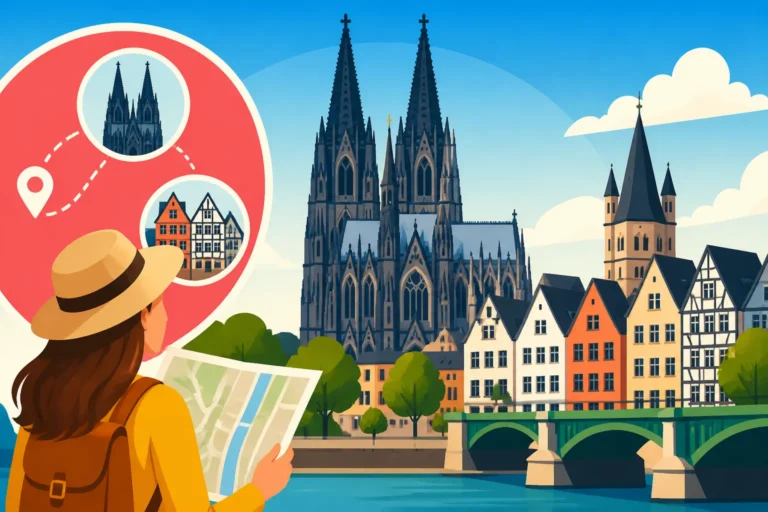
- Rudolfplatz / Schaafenstraße: This is the absolute heart of Cologne's gay nightlife. Schaafenstraße, in particular, is an entire street lined with gay bars, making it effortlessly easy to hop from one spot to another. From classic pubs like ExCorner to lively dance bars and drag shows, it's always buzzing. The atmosphere here is notoriously friendly and open, with people spilling out onto the street in warm weather.
- Alter Markt / Bermudadreieck: In the Old Town (Altstadt), around Alter Markt, you'll find another cluster of gay and queer-friendly venues. This area, sometimes affectionately called the "Bermuda Triangle" because you might lose track of time (or your friends!), offers a more traditional German pub feel mixed with modern bars.
- Diversity and Events: Cologne is celebrated for its incredibly diverse scene, with dedicated spaces for different communities and fetishes. It's also famous for hosting Germany's largest and arguably most exuberant CSD (Christopher Street Day) parade and festival, often attracting over a million visitors. The carnival season in February/March also sees a huge queer presence and special events throughout the city.
Cologne offers a fantastic blend of traditional German hospitality with a strong, proud queer identity, making it a must-visit.
Other Vibrant Cities: Munich, Hamburg, and Frankfurt
While Berlin and Cologne might be the giants, other German cities offer fantastic, distinct LGBTQ+ scenes.
- Munich: Bavaria's capital might surprise you with its lively queer scene, centered around the Glockenbachviertel neighborhood. Here, you'll find a sophisticated mix of stylish bars, traditional pubs, and clubs that cater to a diverse clientele. Deutsche Eiche, famous for its sauna and hotel, also has a popular bar. Munich's CSD is a major event, and during Oktoberfest, many gay-friendly tents and parties emerge. It's a more polished and perhaps slightly more discreet scene than Berlin, but no less vibrant.
- Hamburg: This northern port city has a raw, authentic charm, and its queer scene reflects that. St. Georg, particularly around Lange Reihe, is the main hub, packed with gay bars, cafes, and shops. The Reeperbahn in St. Pauli, though traditionally known for its sex industry, also has a few legendary queer clubs and parties, especially for fetish and alternative crowds. Hamburg's scene feels very down-to-earth and welcoming, with a strong sense of community.
- Frankfurt: As a major international financial hub, Frankfurt's gay scene is vibrant and diverse, centered around the Konstablerwache area. You'll find a good selection of bars and clubs, often with an international flair, reflecting the city's expat population. It's an energetic scene that caters to a wide range of tastes, and its central location makes it easily accessible if you're traveling via train.
Here’s a quick overview of what these cities offer:
| City | Vibe & Character | Key Neighborhoods / Areas | Noteworthy Events / Features | Typical Crowd |
|---|---|---|---|---|
| Berlin | Diverse, edgy, alternative, global | Schöneberg, Kreuzberg, Neukölln | CSD, Folsom Europe, Easter Fetish Week, legendary techno clubs | Young, diverse, international |
| Cologne | Friendly, lively, traditional, party-oriented | Rudolfplatz, Schaafenstraße, Alter Markt | Germany's largest CSD, Carnival queer events | Mixed, open, party-goers |
| Munich | Sophisticated, established, welcoming | Glockenbachviertel | CSD, Oktoberfest queer parties | Mixed, stylish, mature |
| Hamburg | Authentic, gritty, diverse, community-focused | St. Georg (Lange Reihe), St. Pauli | CSD, fetish parties, alternative scene | Mixed, down-to-earth |
| Frankfurt | International, energetic, metropolitan | Konstablerwache | CSD, diverse international crowd | Mixed, international |
When planning your visits, you can use Booking.com to find accommodations conveniently located in these LGBTQ+ friendly districts, ensuring you're right in the heart of the action.
Practical Tips for a Fantastic Night Out
Navigating a new country's nightlife, especially as an expat or tourist, comes with its own set of considerations. Here are some pointers to ensure your nights out are not just fun, but also safe and respectful.
Safety and Inclusivity: What to Keep in Mind
Germany is generally a very safe country, and its LGBTQ+ spaces are typically well-managed and welcoming. However, common sense and a few specific considerations are always wise.
- Be Aware of Your Surroundings: Like any big city, petty crime can occur. Keep an eye on your belongings, especially your phone and wallet.
- Travel in Groups or Plan Your Route: If you're out late, especially after consuming alcohol, make sure you know how you're getting home. Using public transport at night is usually safe, but consider a taxi or ride-share if you're alone or in an unfamiliar area. You can find detailed info on getting around German cities via Getting Around German Cities: U-Bahn, S-Bahn, Trams, and Buses.
- Respect Boundaries: German social etiquette can be direct but also emphasizes personal space. Always be respectful of others' boundaries and consent.
- Emergency Contacts: In an emergency, dial 112 for police or ambulance. For non-life-threatening medical issues when doctors' offices are closed, you can call 116117 for the on-call medical service. It’s always good to have these numbers handy. Check out Emergency Numbers in Germany: Calling 112, Poison Control, and More for more details.
- Alcohol Consumption: German bars and clubs are generally relaxed about alcohol, but drink responsibly. Don't leave your drink unattended.
- Inclusivity Beyond the "G": Many spaces are increasingly identifying as "queer" or "LGBTQIA+" rather than just "gay." This reflects a broader commitment to inclusivity for all gender identities and sexual orientations. Embrace these diverse environments!
Getting Around: Transport Options for Late Nights
Germany boasts an excellent public transport system, but after a few drinks, it's good to have a plan.
- Public Transport (U-Bahn, S-Bahn, Trams, Buses): In major cities, public transport often runs through the night on weekends, albeit with reduced frequency. Weeknights might see services stop earlier, typically around 1 AM, so check schedules in advance using apps like DB Navigator or local transport apps (e.g., BVG in Berlin, KVB in Cologne). A Deutschland-Ticket can be a lifesaver if you plan to move around a lot, even within a single city.
- Taxis and Ride-Sharing: Taxis are readily available in city centers. You can usually hail one on the street or find them at designated taxi stands. Uber operates in many German cities, as do other local ride-sharing services like Free Now. These are reliable options for getting home safely after hours.
- Walking/Cycling: If your accommodation is close, walking is a great way to wind down. German cities are generally pedestrian-friendly. Some cities also have bike-sharing systems, but cycling after drinking is illegal and unsafe, so best avoid it on a night out.
For inter-city travel to explore Germany's diverse scenes, remember that Omio makes booking train or bus tickets simple and convenient, comparing different options to get you where you need to be.
Making the Most of Your Experience
- Embrace the Language (a little!): While many people in German cities, especially in LGBTQ+ venues, speak English, knowing a few basic German phrases can go a long way. Simple greetings like "Hallo," "Danke," "Bitte," and "Prost!" for a toast will be appreciated. Find some helpful pointers in German Language and Everyday Communication for Visitors.
- Be Open and Friendly: Germans can sometimes seem reserved at first, but in social settings, especially queer nightlife, they are often incredibly warm and welcoming once you break the ice. Don't be afraid to strike up a conversation.
- Stay Hydrated: Dancing and having fun can be dehydrating. Remember to drink water between your alcoholic beverages.
- Check Event Listings: Always double-check event listings before heading out. Sometimes special parties or themed nights require tickets or have specific dress codes. This is where apps and social media come in handy!
- Consider a Multi-City Exploration: Germany's train network is fantastic. Why stick to just one city? You could easily spend a weekend in Berlin, then hop on a train to Cologne to experience its unique vibe, or head south to Munich. This is where platforms like Omio can really help you plan and manage your travel itinerary efficiently. If you're planning a trip like this, consider using a site like GetYourGuide to explore cultural day trips or unique experiences in each city during the day, before hitting the nightlife.
Germany offers an incredibly diverse and welcoming LGBTQ+ nightlife scene. From the historic streets of Schöneberg in Berlin to the bustling Schaafenstraße in Cologne, you'll find spaces where you can celebrate, connect, and truly be yourself. So go out there, explore, and have an amazing time!
Disclaimer
The information provided in this guide is for general informational purposes only and does not constitute legal, medical, or professional advice. While we strive to keep the content up-to-date and accurate, situations in Germany, including local regulations and venue operations, can change. Always verify current opening hours, event details, and any specific requirements directly with venues or official sources. Your safety is paramount; exercise caution and judgment as you would in any urban environment.