Reaching Alpine Resort Towns by Rail: Tickets, Changes, and Journey Times
Oh, the German Alps! Just the thought of those majestic peaks and quaint villages is enough to make any expat or traveler's heart flutter. But then reality hits: how do you actually get there without a car, especially when navigating Germany's intricate, yet often bewildering, public transport system? Forget deciphering complex fare zones or wrestling with ticket machines in a language you're still mastering. This guide is all about making your journey to those breathtaking Alpine resort towns a breeze, focusing on the sheer ease and convenience of train travel, and showing you exactly how a tool like Omio can be your best friend in this endeavor.
Disclosure: This post may contain affiliate links. We may earn a commission at no extra cost to you if you make a purchase through these links. Read full disclosure.
Why Choose the Train for Your Alpine Adventure?
Let's be honest, driving in a new country can be stressful. Figuring out traffic laws, dealing with unfamiliar road signs, and the perpetual hunt for parking in charming but compact Alpine villages can quickly take the shine off your mountain getaway. That's where the German rail system truly comes into its own. It's an experience in itself, offering a level of comfort and scenic beauty that you simply don't get when you're gripping a steering wheel.
The Unbeatable Scenery and Relaxation
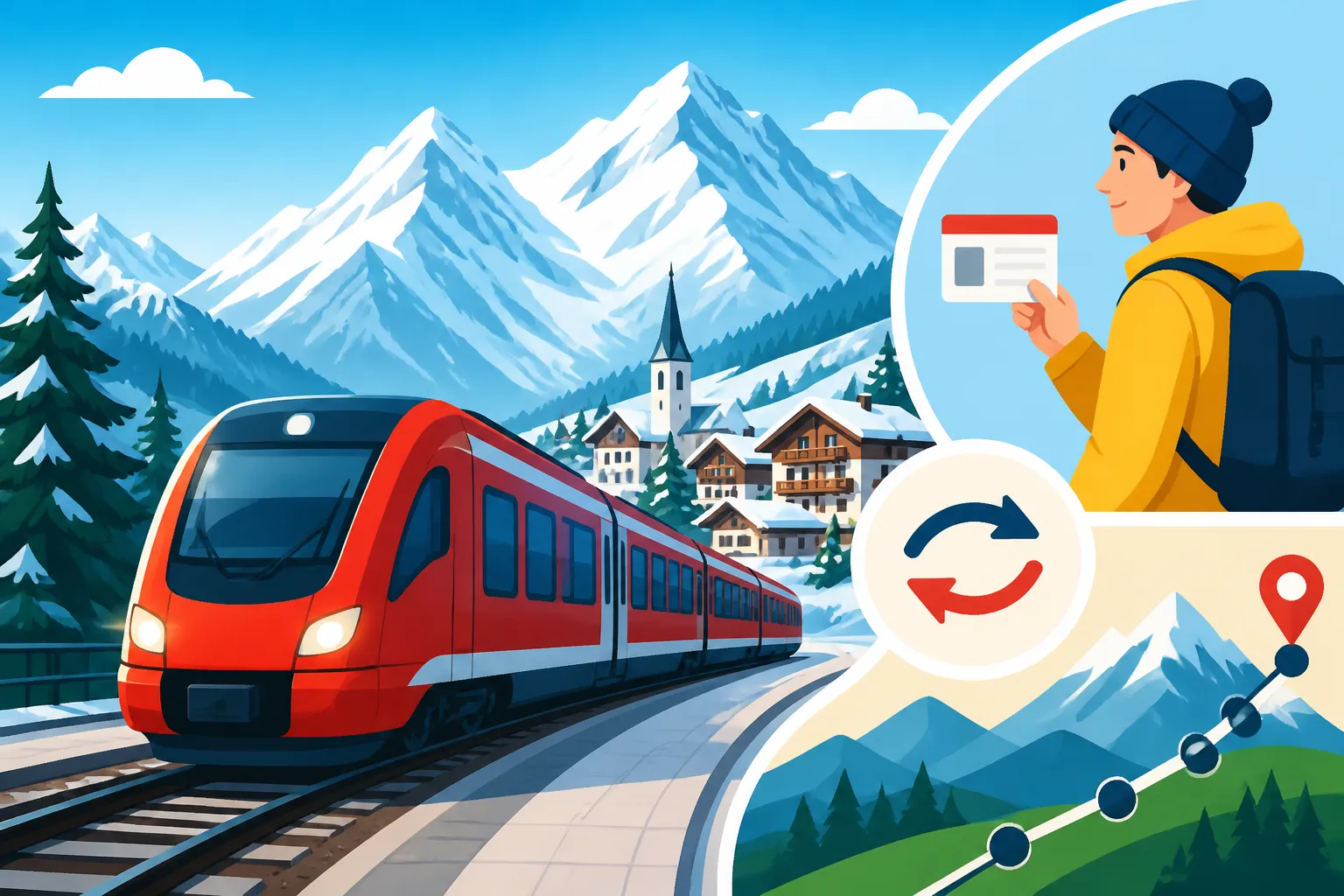
Imagine settling into a comfortable seat, perhaps with a coffee or a good book, as the stunning Bavarian landscape glides by your window. The train winds through verdant valleys, past shimmering lakes, and up into the foothills, offering panoramic views that are impossible to appreciate when you're focused on the road. You’ll see cows grazing peacefully in meadows, traditional wooden chalets nestled into hillsides, and the peaks of the Alps drawing ever closer. This isn't just transport; it's part of the holiday, a moving observation deck where you can simply sit back, relax, and let Germany's natural beauty wash over you. No need to worry about snow chains in winter or congested mountain roads in summer – the train handles it all.
Environmental Perks and Practicality
Beyond the views, choosing the train is also a nod to sustainable travel, a value deeply ingrained in German culture. You're reducing your carbon footprint while simultaneously avoiding a multitude of potential headaches. Think about it: no stressful Autobahn driving, no wrestling with GPS in remote areas, and crucially, no infuriating search for parking in popular, often pedestrian-friendly, resort towns like Garmisch-Partenkirchen. Many Alpine towns are designed to be explored on foot or via local buses, and arriving by train puts you right in the heart of the action, often within easy walking distance of your accommodation or connecting bus services. It’s practical, eco-conscious, and frankly, much less hassle.
Key Alpine Resort Towns Accessible by Rail
Germany's southern state of Bavaria is home to the majestic Alps, and thankfully, many of its most enchanting resort towns are well-connected by train. You don't need a car to experience the best of them. Take for instance, Garmisch-Partenkirchen, perhaps the most famous, offering direct access to Germany's highest peak, the Zugspitze. Then there's Oberstdorf, nestled in the Allgäu Alps, a haven for hikers and winter sports enthusiasts. Even the serene beauty of the Berchtesgadener Land, with its Königssee, is surprisingly accessible by taking a train to Berchtesgaden itself and then connecting via local bus. Each of these destinations boasts its own train station, making them ideal for car-free exploration.
Navigating German Rail: Booking Your Journey with Omio
Now that you're convinced the train is the way to go, let's talk about how to book your journey without wanting to pull your hair out. This is where a reliable booking platform becomes indispensable. Trying to navigate the Deutsche Bahn website, especially if your German isn't fluent, can feel like a labyrinth designed by Franz Kafka himself.
Your Go-To for Seamless Bookings: Omio
This is where Omio truly shines, acting as your personal, multilingual travel agent for German rail. For anyone feeling overwhelmed by the sheer volume of choices, the language barrier, or simply wanting to compare options quickly, Omio is an absolute game-changer. It aggregates train, bus, and even flight information, allowing you to see all available routes to your chosen Alpine destination in one simple search. You can compare different carriers, journey times, and prices without flipping between multiple websites.
The beauty of using Omio is its user-friendly interface, available in multiple languages. You simply input your departure and arrival points, and it presents you with clear, easy-to-understand options. This means you won't have to guess if you're selecting the right fare or understanding the nuances of a German-only booking page. Plus, with Omio, you often get digital tickets sent straight to your phone, eliminating the need to print anything or fumble with ticket machines at the station. It makes planning complex trips with multiple legs, which is often the case when heading to smaller Alpine towns, remarkably straightforward. I cannot stress enough how much easier my own travel planning became once I started using Omio. If you're wondering how to buy Deutsche Bahn tickets and save money, Omio is a fantastic starting point.
Understanding Different Train Types and Connections
Germany's train network is fantastic, but it has different tiers. For longer journeys from major cities like Berlin or Hamburg down to Bavaria, you'll likely be on a high-speed ICE train. These are comfortable, fast, and offer amenities like Wi-Fi and dining cars. However, once you get closer to the Alps, you'll often transfer to regional trains (RE, RB, S-Bahn). These are slower, make more stops, but are essential for reaching the smaller, charming Alpine towns.
When you're planning your route, especially to a place like Oberstdorf or Berchtesgaden, expect to have at least one transfer, possibly two, from an ICE to a regional train. Don't let this intimidate you! German stations are generally very well-organized, with clear signage indicating platform numbers (Gleis). Omio will lay out these connections for you in a clear itinerary, so you know exactly where and when you need to change trains. This clarity is invaluable, especially when you're tired or carrying luggage.
Ticket Options and Saving Money
Booking your train tickets to the German Alps isn't just about convenience; it's also about smart spending. Generally, the golden rule for saving money on German long-distance trains is to book as far in advance as possible. "Sparpreis" (saver fare) tickets are significantly cheaper than booking last-minute, though they come with less flexibility if your plans change. For shorter, regional segments, you might consider a Länder-Ticket, which offers unlimited travel on regional trains within a specific German state for a day. For example, the Bayern-Ticket is perfect if your entire Alpine journey is within Bavaria, especially for groups.
Omio is excellent at presenting these different fare options. When you search, it won't just give you the standard price; it will often highlight "Best Price" options or show you cheaper routes that might involve a slightly longer journey or more transfers. It can also help you understand if a specific regional pass, like the Bayern-Ticket, might be more cost-effective for parts of your journey compared to individual tickets. This foresight can save you a pretty penny, leaving more euros for that delicious Apfelstrudel once you arrive! For a deeper dive into optimizing your train travel, you might want to read about How Early Should You Book ICE Trains in Germany?
Essential Tips for a Smooth Alpine Train Journey
Even with the best booking platform and a solid plan, a little local knowledge goes a long way. Traveling by train to the Alps is generally delightful, but a few pointers can elevate your experience from good to absolutely fantastic.
Planning Your Route and Transfers
Always factor in buffer time for transfers, especially if you're traveling with heavy luggage or children. While German trains are famous for their punctuality, occasional delays can happen. A 10-minute transfer might be tight if your inbound train is running late. Omio will usually suggest realistic transfer times, but if you're nervous, look for options with slightly longer layovers. It's better to enjoy a coffee at the station than sprint between platforms. Before you head out, check your train's status on the DB Navigator App or Omio's real-time updates – these can be lifesavers if there's an unexpected delay or platform change. Remember, the journey to the German Alps: Garmisch, Zugspitze, and Berchtesgaden is part of the adventure!
When you do arrive at a transfer station, don't panic if your next train isn't immediately visible. Use the large digital display boards (Abfahrtstafel) to find your connecting train's platform (Gleis) and departure time. These boards are usually very clear, showing destination, departure time, and platform.
Luggage, Food, and Onboard Comfort
German trains are generally very spacious. You'll find overhead racks for smaller bags and dedicated luggage areas at the end of each carriage for larger suitcases. If you're planning on hiking or skiing in the Alps, you might have bulkier gear. Don't worry, there's usually ample space. For food, ICE trains have Bordbistros or Bordrestaurants where you can grab a meal, snacks, or drinks. On regional trains, these options are rare, so it's always a good idea to bring your own snacks and drinks, especially for longer journeys.
Consider packing an external battery pack for your phone or tablet, as charging points aren't always available or functional on all regional trains. A good book, some headphones, and a comfy travel pillow can also make those longer stretches even more relaxing as you soak in the scenery.
Dealing with Delays and Disruptions
While less common on regional lines, delays do happen. If your train is significantly delayed (typically 60 minutes or more), you might be entitled to compensation from Deutsche Bahn. Keep your ticket as proof. The best way to stay informed about any issues is through the DB Navigator App or by checking information boards at the station. In case of severe disruption, station staff (often identifiable by their red DB uniforms) can provide guidance, though their English might be limited.
If you booked your entire journey through Omio, checking the app for updates can also be very helpful, as it often pulls real-time data directly from the railway providers. Should you encounter a major disruption that impacts your ability to reach your destination, consulting the customer service of your chosen platform or directly with Deutsche Bahn can help you find alternative routes or understand your rights. This is part of the reality of public transport anywhere, and being prepared mentally makes all the difference. For more general advice on train travel, consider looking at the comprehensive guide on Getting Around Germany: Trains, Buses, Flights, and Car Hire.
Here’s a quick overview of estimated journey times and changes to some popular Alpine resort towns from Munich, a major hub for southern Germany:
| Destination | Approx. Journey Time from Munich Hbf | Number of Changes | Notes |
|---|---|---|---|
| Garmisch-Partenkirchen | 1h 20m – 1h 30m | 0 (Direct) | Frequent direct regional trains (RE, RB) from Munich. |
| Oberstdorf | 2h 30m – 3h 00m | 1 | Typically involves one change at Immenstadt (Allgäu) to a regional train. |
| Berchtesgaden | 2h 30m – 3h 00m | 1 | Usually one change at Freilassing or Bad Reichenhall to a regional train. |
| Mittenwald | 1h 45m – 2h 00m | 0 (Direct) | Direct regional trains (RE, RB) from Munich, often continuing past Garmisch. |
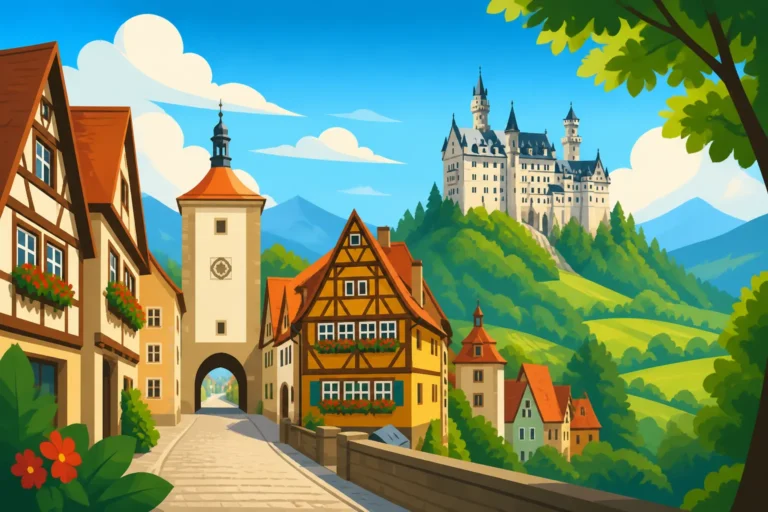
| Füssen (Neuschwanstein) | 2h 00m – 2h 20m | 1 | Generally one change at Buchloe to a regional train. Bus connection required from Füssen station to castle. |
Note: Journey times are approximate and can vary based on specific connections and time of day. Always check current schedules with Omio for the most accurate information.
The German Alps are waiting, and with Omio and these tips, getting there by train is not just possible, it's a truly enjoyable part of the adventure. Embrace the journey, soak in the views, and leave the driving to someone else! You'll be glad you did.
Disclaimer
The information provided in this guide is for general informational purposes only and does not constitute professional advice. While we strive to keep the information up-to-date and correct, we make no representations or warranties of any kind, express or implied, about the completeness, accuracy, reliability, suitability, or availability with respect to the website or the information, products, services, or related graphics contained on the website for any purpose. Train schedules, prices, and policies are subject to change by the respective transport providers. Always check the latest information directly with Omio or the relevant transport company before making any travel arrangements.