How to Understand a German Rental Contract (Mietvertrag)
Staring at a thirty-page document written in dense, bureaucratic German legalese is enough to make any newcomer want to hop on the next flight home. I remember sitting in a dimly lit kitchen in Neukölln, sweating over my first lease while the landlord tapped his pen impatiently, and I realized I didn't even know if I was allowed to hang a picture frame. This guide deconstructs the German Mietvertrag so you can sign with confidence and avoid the expensive traps that catch most expats.
Disclosure: This post may contain affiliate links. We may earn a commission at no extra cost to you if you make a purchase through these links. Read full disclosure.
The Core Components of the German Lease
In Germany, a rental contract is more than just a price agreement; it is a legally binding blueprint of your daily life. The first thing you will notice is that the document is incredibly long. This is because German law is very specific about tenant protections, but landlords often try to insert individual clauses that might push the boundaries of what is legal. Understanding the distinction between the "standard" parts and the "negotiable" parts is your first step toward housing security.
Most contracts you encounter will be for an unlimited period (unbefristet). This is the gold standard for tenants in Germany because it makes it very difficult for a landlord to evict you without a legally "justified interest," such as needing the apartment for their own family (Eigenbedarf). If you see a contract that has an end date, it is a "befristet" contract, and the landlord must provide a valid reason for the limitation in writing within the contract itself. Without that written reason, the time limit is often legally void, and the contract defaults to unlimited.
The written form (Schriftform) is non-negotiable. While oral agreements technically hold some weight in German law, they are a nightmare to prove in court. Never, under any circumstances, pay money or move furniture until you have a signed paper document in your hands. If you are looking for a more flexible start, brands like Wunderflats offer furnished, mid-term apartments that often come with more transparent, English-friendly processes while you search for a long-term home.
Kaltmiete vs Warmmiete
One of the most frequent points of confusion for expats is the "cold" versus "warm" rent. The Kaltmiete is the base price for the space itself. The Warmmiete includes the Nebenkosten (operating costs). However, do not make the mistake of thinking "warm" means "all-inclusive." In Germany, your warm rent is usually an estimate. You pay a monthly prepayment (Vorauszahlung), and once a year, you receive a detailed statement (Abrechnung). If you used more heating or water than estimated, you will owe a lump sum. If you used less, you get a refund.
It is vital to read the section on what is included in these operating costs. Typically, they cover property taxes, waste disposal, chimney sweeping, hallway cleaning, and water. However, electricity and internet are almost never included in a standard long-term lease. You will need to register these yourself. For managing your new household needs, from light bulbs to humidity sensors, Amazon Germany is the go-to for quick delivery to your new doorstep. To ensure you can handle these registrations on the go, having a reliable data connection through Airalo can save you the headache of finding public Wi-Fi while navigating German utility portals.
Decoding the Financial Clauses and Deposits
The financial section of your Mietvertrag is where the most significant risks live. Beyond the monthly rent, the security deposit (Kaution) is the biggest hurdle. German law stipulates that the deposit cannot exceed three times the net cold rent (nettokaltmiete). If a landlord asks for four months, they are breaking the law. You are also legally entitled to pay this deposit in three equal installments, with the first installment due at the start of the lease, not months in advance.
Landlords are required to keep this deposit in a special bank account (Mietkautionskonto) that is separate from their personal finances. This ensures that if the landlord goes bankrupt, your money is protected. You should always ask for proof that the money has been deposited correctly. For more details on this process, you can refer to The Rental Deposit (Kaution) in Germany: Rules and Return to understand your rights regarding the interest earned and the timeline for its return.
Rent Increases and Index Leases
Be on the lookout for a "Staffelmiete" or an "Indexmiete." A Staffelmiete contract includes pre-agreed rent increases at specific dates in the future. This can be helpful for budgeting because you know exactly what your rent will be in five years, but it can also lead to rent prices that eventually exceed the local market average. An Indexmiete, on the other hand, links your rent to the cost of living index in Germany. If inflation rises, so does your rent.
In cities with rent control (Mietpreisbremse), there are limits on how much a landlord can charge. If you suspect your Kaltmiete is significantly higher than the local "Mietspiegel" (rent index), you might have grounds to challenge it later. It is helpful to study What Is the Difference Between Kaltmiete and Warmmiete? so you can accurately calculate whether the base rent you are being offered is fair for your specific neighborhood and building age.
| Clause Type | Common German Term | What it Means for You |
|---|---|---|
| Security Deposit | Mietkaution | Max 3 months cold rent; can be paid in 3 installments. |
| Operating Costs | Nebenkosten | Prepayments for water, heat, taxes; reconciled annually. |
| Step Rent | Staffelmiete | Rent increases by a fixed amount on specific dates. |
| Small Repairs | Kleinreparaturklausel | You pay for minor repairs (faucets, etc.) up to a certain limit. |
| Renunciation of Notice | Kündigungsverzicht | You agree not to move out for a set period (max 4 years). |
Maintenance, Repairs, and the Small Print
One of the most shocking clauses for foreigners is the "Kleinreparaturklausel" or the small repairs clause. In many countries, the landlord is responsible for everything that breaks. In Germany, it is standard for the tenant to pay for minor repairs to items they interact with daily—like leaky faucets, showerheads, or light switches—provided the cost does not exceed a certain amount (usually €75 to €100 per repair) and a total annual cap.
If your contract does not specify a maximum amount for these repairs, the entire clause might be legally invalid. This is why reading the fine print is essential. You should also check the "Schönheitsreparaturen" (cosmetic repairs) section. For decades, German landlords required tenants to paint the apartment every three or five years. However, many of these rigid clauses have been struck down by the Federal Court of Justice. Generally, you only need to return the apartment in a "neutral" state, but the exact wording in your contract matters immensely.
The Mold Clause and Ventilation
You will almost certainly find a section about "Lüften" (ventilating) and "Heizen" (heating). This isn't just friendly advice; it's a contractual obligation to prevent mold. German buildings, especially the beautiful old Altbau ones, are prone to moisture buildup. The contract will often mandate "Stoßlüften"—opening your windows completely for 5-10 minutes several times a day. If mold develops because you didn't ventilate properly, the landlord can hold you liable for the expensive remediation costs.
Understanding your obligations here is a vital part of German Tenant Rights and Laws: What Expats Need to Know. If you fail to follow these guidelines, it could jeopardize your deposit. Before you move your belongings in, ensure you perform a thorough Apartment Handover Protocol: Documenting Condition When Moving In/Out. Take photos of every scuff on the floor, every water stain on the ceiling, and every window seal. This protocol, signed by both parties, is your primary defense when you eventually move out and want your money back.
House Rules and the Quiet Hours Culture
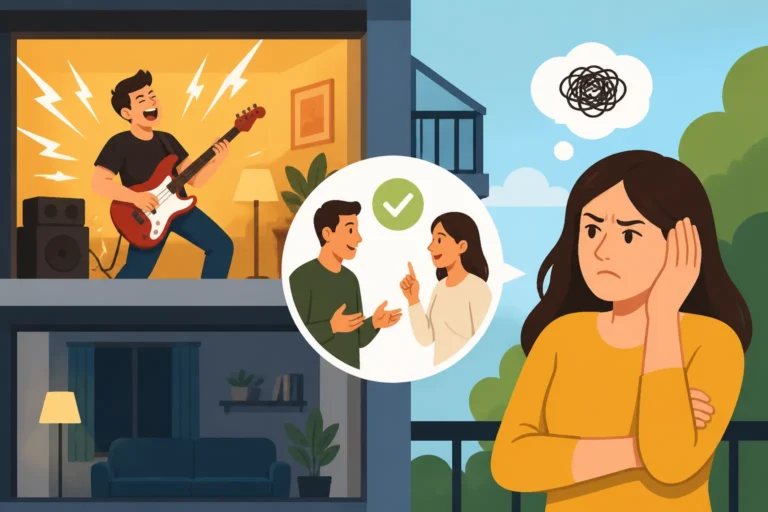
Every Mietvertrag is accompanied by the "Hausordnung" (House Rules). While it might seem like a secondary document, it is legally binding. The most famous aspect of German living is "Ruhezeit" (quiet hours). Usually, this means no loud noises between 10:00 PM and 6:00 AM, and often all day on Sundays and public holidays. This includes running your washing machine, vacuuming, or practicing the saxophone.
The Hausordnung will also dictate who is responsible for cleaning the stairs (Treppenhausreinigung) or shoveling snow in the winter if a professional service isn't included in your Nebenkosten. If you have a dog or cat, pay very close attention to the "Tierhaltung" clause. While a general ban on all pets is usually illegal, landlords can require you to seek permission for larger animals. Small pets like hamsters or fish generally do not require consent, but a Great Dane certainly does.
Ending the Contract and Notice Periods
The "Kündigungsfrist" (notice period) for a standard unlimited contract is almost always three months. If you want to move out on June 30th, the landlord must receive your written termination notice by the third working day of April. Note that "written" in Germany means a physical letter with a wet-ink signature; an email or WhatsApp message is not legally valid for terminating a lease.
Sometimes, contracts include a "Kündigungsverzicht," which is a mutual agreement not to terminate the lease for a specific period, usually one or two years (the legal maximum is four). If you are an expat whose job might move you to a different city on short notice, this clause is a massive red flag. Always try to negotiate this out or ensure it is a period you can realistically commit to. Understanding How Notice Periods (Kündigungsfrist) Work in Germany will help you plan your exit strategy without paying double rent.
Administrative Obligations After Signing
Once the ink is dry, your work isn't finished. You have a legal obligation to register your new address with the city within two weeks of moving in. For this, you need a "Wohnungsgeberbestätigung"—a form signed by your landlord confirming you have moved in. This is separate from the lease itself. Without it, you cannot get your "Anmeldung," which means you cannot open a proper bank account, get a tax ID, or sign up for a gym.
You will also need to deal with the "Rundfunkbeitrag," the mandatory TV and radio license fee that every household in Germany must pay, regardless of whether they own a television. The authorities will find you shortly after your registration, so it is better to be proactive. You can find out more about how to navigate this at The Broadcast Fee (Rundfunkbeitrag) in Germany.
Finally, don't forget the utilities. Unless your contract is specifically "all-inclusive," you will need to find your own providers. Setting up these services is a rite of passage for any expat. For a step-by-step on getting your lights on, check out How to Set Up Electricity in a German Apartment. And remember, if you ever feel overwhelmed, you are not alone—millions of us have sat at those same kitchen tables, dictionary in hand, figuring it out one clause at a time.
H2 Disclaimer
The information provided in this guide is for informational purposes only and does not constitute legal advice. German rental laws are complex and subject to frequent changes and local variations. We strongly recommend joining a local Tenants' Association (Mieterverein) or consulting with a qualified legal professional before signing any contract that you do not fully understand. We are not responsible for any actions taken based on the content of this article.