Dealing with Homesickness Abroad: Tips for Expats in Germany
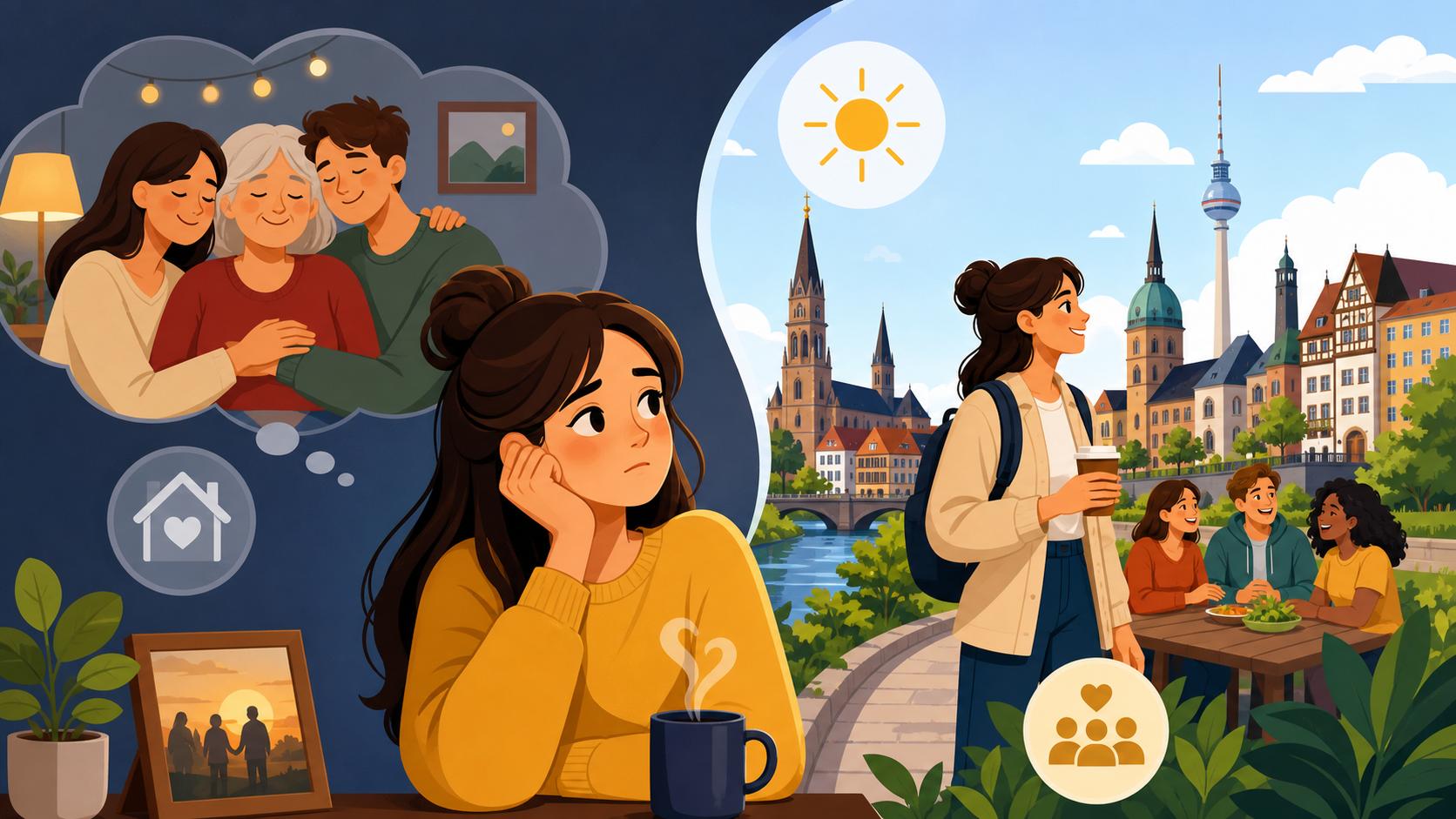
Standing on a quiet German street on a Sunday afternoon, when every shop is shuttered and the silence feels heavy, can trigger a sudden, sharp ache for the chaos of home. I remember my first November in Berlin, staring at a grey sky and realizing I’d missed my sister’s birthday dinner, feeling like an invisible ghost in a foreign land. This guide provides actionable emotional and practical strategies to navigate the deep-seated homesickness that inevitably comes with life in Germany.
Disclosure: This post may contain affiliate links. We may earn a commission at no extra cost to you if you make a purchase through these links. Read full disclosure.
Why Homesickness Hits Differently in the German Context
Homesickness in Germany isn't just about missing people; it is often a reaction to the specific cultural and structural "hardness" of the country. For many of us, the initial excitement of the move wears off right around the time the first major bureaucratic hurdle appears. Whether you are struggling with the nuances of Understanding German Rental Contracts: Key Terms and Conditions or feeling the weight of the language barrier, the realization that you are far from your support system can be overwhelming. In Germany, the culture of directness and the strict adherence to rules can sometimes feel cold or unwelcoming to those from more "high-context" or socially fluid cultures.
The phenomenon of the "German Sunday" is perhaps the biggest trigger for newcomers. In many countries, Sunday is a day for errands, shopping, or lively brunches. In Germany, Sonntagsruhe (Sunday rest) is legally protected. The shops are closed, the streets are quiet, and if you haven't yet built a social circle, the silence can be deafening. This forced introspection often leads to a spiral of "what if" thoughts. You might find yourself comparing your current isolation to the easy social life you left behind, forgetting that building a life takes time.
Furthermore, the physical environment plays a role. If you moved from a sunnier climate, the "Grey November" or the persistent drizzle of a North German winter can significantly lower your emotional resilience. When your body is starved of Vitamin D and you are struggling to express your basic needs in a difficult language, your brain naturally longs for the safety and familiarity of "home." This isn't a sign of failure; it is a physiological and psychological response to a massive life transition.
Practical Strategies to Bridge the Distance
One of the most effective ways to combat the "longing for home" is to proactively manage how you connect with your past life. In the age of instant messaging, it is easy to fall into the trap of "living digitally" in your home country while physically existing in Germany. While staying in touch is vital, there is a fine balance. If you spend every evening on FaceTime with your parents or friends back home, you aren't giving yourself the mental space to adapt to your new environment. You are effectively keeping one foot in a door that has already closed, which only prolongs the pain.
Instead of constant, low-quality digital contact, try scheduling "high-quality" sessions. Set a specific time once or twice a week for a deep catch-up. This allows you to stay informed without the constant "ping" of notifications reminding you of every event you are missing. To make your new space feel more like yours, you might consider ordering specific comfort items or familiar snacks. Many expats use Amazon Germany to source international brands or household items that remind them of their previous kitchen or bedroom setup. Having the right pillow, a specific brand of tea, or even a particular style of coffee mug can provide a surprising amount of sensory comfort.
Sourcing food is another powerful tool. The "tastes of home" are often the fastest way to soothe a jagged mood. Explore your local area for international markets. Whether it’s a Turkish market for fresh pita and spices, an Asian supermarket for specific sauces, or a specialized expat shop, finding these ingredients is a victory. Check out my advice on Finding International Grocery Stores and Products in Germany to help you locate those hard-to-find items. Cooking a meal that smells like your grandmother's kitchen can transform a lonely Tuesday into a night of self-care.
| Strategy Type | Action Item | Expected Outcome |
|---|---|---|
| Sensory | Sourcing familiar scents/foods via Amazon Germany | Immediate reduction in physiological stress levels. |
| Social | Joining local "Stammtisch" or hobby groups | Reducing the feeling of being an "invisible" outsider. |
| Environmental | Decorating with personal photos and soft lighting | Making a rental feel like a permanent sanctuary. |
| Digital | Limiting social media "scrolling" of home events | Preventing the "Fear Of Missing Out" (FOMO) spiral. |
Creating a Physical and Social Sanctuary in Germany
Your physical environment in Germany has a massive impact on your mental health. Many expats start their journey in temporary housing to avoid the immediate stress of a long-term search. Using services like Wunderflats can be a lifesaver during the first few months. These furnished apartments provide a "ready-made" home, allowing you to settle in without the immediate need to navigate the complexities of buying a kitchen or installing light fixtures—a common shock for those Understanding German Rental Contracts: Key Terms and Conditions. Having a stylish, functional space from day one can act as a buffer against the chaos of relocation.
Once you have your base, focus on the "Kiez" (neighborhood) level. Integration doesn't happen at the national level; it happens at the bakery on the corner. Make it a point to go to the same café or Bäckerei every morning. Even if your German is limited to "Ein Brötchen, bitte," the act of being recognized by a local business owner builds a sense of belonging. Over time, that "stranger" feeling dissipates. You start to recognize the neighbors walking their dogs and the specific rhythm of your street. This is the foundation of a new home.
Socially, you must be the "aggressor" in making friends. Germans are famously private and can take a long time to "warm up" to new people. However, once a friendship is formed, it is often incredibly loyal and long-lasting. Look for "Vereine" (clubs) based on your interests. Whether it’s a hiking group, a choir, or a coding meetup, having a shared activity removes the pressure of small talk. For more tips on this, read through Making Friends in Germany: Social Tips for Expats. Don't be afraid to admit you're new and looking for community; many locals in international cities like Berlin, Munich, or Frankfurt have been in your shoes or enjoy helping newcomers navigate the "German way."
Integrating Traditions and Seeking Support
Homesickness often peaks during holidays. Christmas in Germany is beautiful, with its markets and Glühwein, but it can also be incredibly lonely if you aren't part of a German family’s celebrations. The trick is to create "hybrid" traditions. Invite other expats or open-minded locals over for a dinner that combines your home country's traditional dishes with German ones. This acknowledges your past while embracing your present. By hosting, you take control of the narrative of your holiday rather than waiting for an invitation that might not come.
If the feeling of sadness becomes a constant weight rather than a passing wave, it is important to recognize when you might need professional help. Moving countries is a "top-tier" life stressor, and it can trigger or exacerbate underlying mental health issues. Germany has a robust healthcare system, but navigating it in English can be tricky. You should start by Finding a Doctor (Hausarzt) in Germany: How to Choose and Register who speaks English. They can provide referrals to specialists or therapists.
Be aware that the dark winters here can lead to more than just homesickness. It is worth checking if your symptoms align with Dealing with Seasonal Affective Disorder: Coping with Dark Winters in Germany. Sometimes, what feels like a longing for home is actually a physiological reaction to the lack of sunlight. Light therapy lamps, which you can easily find on Amazon Germany, and Vitamin D supplements can make a world of difference. If you do decide to seek counseling, many therapists in larger cities offer services specifically for expats, focusing on the unique challenges of "acculturation stress." Information on this can be found in our guide on Mental Health Care in Germany: Finding Therapists and Psychologists.
Managing the Practical "Anchors" of Life
Nothing fuels homesickness like feeling incompetent. In your home country, you knew how to pay a bill, how to fix a leak, and how to talk to a landlord. In Germany, these simple tasks can feel like Herculean efforts. The frustration of not being able to solve basic problems often manifests as a desire to "just go home where things are easy." To combat this, you need to build your "German survival kit." This includes having the right insurance and knowing your rights as a resident.
For example, many expats find peace of mind by ensuring their living situation is secure. If you are in a temporary apartment from Wunderflats, you have the benefit of a professional contract and a clear framework. If you are in a long-term rental, knowing your rights is crucial. Understanding things like German Tenant Rights and Laws: What Expats Need to Know can prevent the anxiety that comes from a misunderstanding with a landlord. When you feel secure in your "fortress," the external world feels much less threatening.
Finally, remember that the "German way" of doing things—while often frustratingly slow and paper-heavy—is designed for stability. Once you have your Anmeldung (Address Registration) vs Visa: Why Both Are Needed in Germany sorted and your bank account is running smoothly, the administrative "noise" quiets down. You will eventually reach a point where you can walk through a German grocery store without a translation app and successfully navigate a "Termin" at the local office. That sense of mastery is the ultimate cure for homesickness, as it transforms Germany from a "place you are staying" into "the place where you live."
Healthcare and Wellness Disclaimer
This article is for informational purposes only and does not constitute medical, psychological, or legal advice. If you are experiencing a mental health crisis or severe emotional distress, please contact local emergency services in Germany by dialing 112 or seek assistance from a qualified healthcare professional. Always consult with a doctor regarding treatments for Seasonal Affective Disorder or before starting any new supplement regimen. Regulations regarding visas and rental laws are subject to change; always verify current requirements with official government sources or legal professionals.