Ubersiedlungsgut: Germany’s Duty Exemption for Household Goods Explained
Moving your entire life across borders to Germany can feel like an Olympic sport, and just when you think you've cleared one hurdle – like securing your visa or finding an apartment – a new challenge emerges. One of the biggest worries I hear from fellow expats is the terrifying thought of paying exorbitant customs duties on all their cherished possessions. Nobody wants their beloved sofa or collection of books to suddenly come with an extra, unexpected bill, right? This comprehensive guide will walk you through Ubersiedlungsgut, Germany's duty exemption for household goods, and show you how to navigate this crucial process, ensuring your move is as smooth and cost-effective as possible.
Disclosure: This post may contain affiliate links. We may earn a commission at no extra cost to you if you make a purchase through these links. Read full disclosure.
What Exactly is Ubersiedlungsgut?
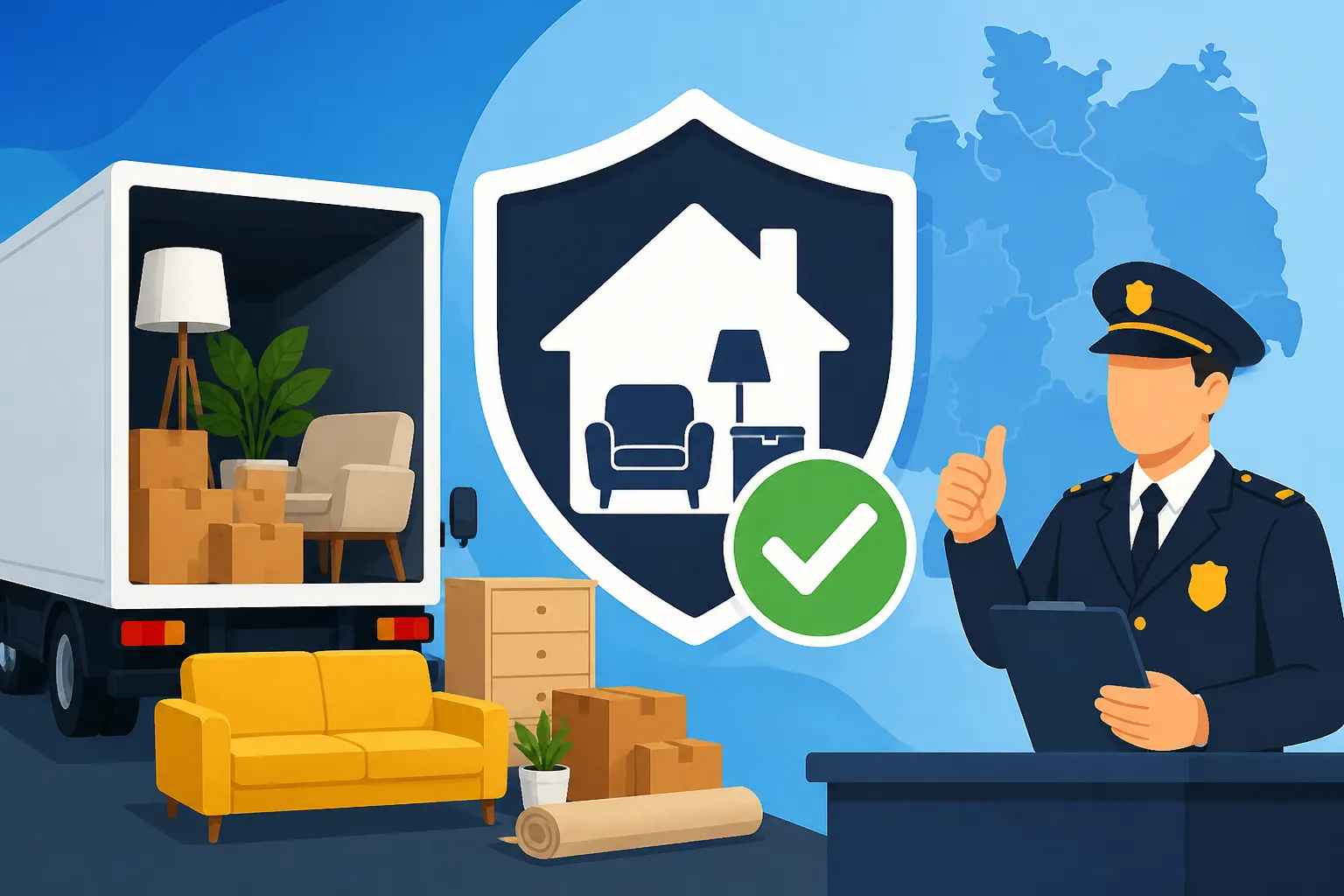
Let's cut to the chase: Ubersiedlungsgut (pronounced "oober-zee-dloongs-goot") is simply the German term for "transfer of residence goods" or "household effects." More importantly, it refers to the legal provision that allows individuals moving their primary residence to Germany to import their personal belongings and household goods free of customs duties, VAT, and excise duties. Think of it as Germany's way of saying, "Welcome! Please bring your stuff without paying extra taxes on things you already own." It's a lifesaver, truly, because without it, shipping everything you own could become prohibitively expensive.
The Core Concept of Duty Exemption
The fundamental idea behind Ubersiedlungsgut is that you're not importing goods for commercial purposes or to sell them; you're simply moving your established household. The German government understands that when you relocate your entire life, you need your furniture, your clothes, your kitchenware, and all the bits and bobs that make a house a home. To ease this transition and avoid double taxation – since you likely already paid taxes on these items in your home country – they grant this exemption. It's a relief for countless expats, preventing a financial shockwave just as you're trying to settle into your new German life. This is why understanding and correctly applying for Ubersiedlungsgut isn't just a bureaucratic step; it's a financial necessity for many.
Why This Matters to Expats
For us expats, this concept isn't just theoretical; it's hugely practical. Imagine arriving in Germany, having spent a small fortune on shipping, only to be hit with an additional 19% VAT on the declared value of your goods, plus customs duties on top. It would be devastating! Ubersiedlungsgut prevents this nightmare. It allows you to bring your familiar surroundings with you, making the daunting process of settling in just a little bit easier and significantly more affordable. It means your favorite armchair, your kid's toys, your entire library – they can all come along without incurring extra charges at the border. This exemption acknowledges that your move is a personal one, aimed at establishing a new home, not a business venture. Don't underestimate the comfort of having your own things around you in a new country; it makes all the difference when you're navigating the initial culture shock and getting used to a completely new way of life.
Eligibility Requirements: Do You Qualify for Ubersiedlungsgut?
Alright, so the concept sounds great, but who actually qualifies? Like most things in Germany, there are clear rules and regulations you need to meet. It's not a free-for-all, and missing a single detail can lead to complications, delays, or even unexpected fees. Getting this part right from the beginning will save you a world of headaches, so pay close attention.
Residency and Timeframes
First things first, you need to prove you're genuinely moving your primary residence to Germany. This isn't for people coming for a short holiday or a temporary work assignment. You must be relocating from a non-EU country and establishing your gewöhnlicher Wohnsitz (ordinary residence) here. The critical requirement is that you must have had your ordinary residence outside of Germany (and the EU) for at least 12 consecutive months before you move your household goods. This is crucial for customs officials to confirm you're a genuine mover, not just someone trying to bypass taxes on new purchases.
Furthermore, your household goods must arrive within 12 months after you have officially registered your address (your Anmeldung) in Germany. This means you can't just ship things years down the line under this exemption. The entire process needs to be tied to your actual move. If you're planning your move, consider using services like Sirelo to help coordinate your shipping schedule and ensure it aligns perfectly with these German customs timelines. They can help you connect with reputable movers who understand these precise requirements and can help manage your logistics to meet the criteria.
Types of Goods Covered (and Not Covered)
So, what can you actually bring in duty-free? Generally, Ubersiedlungsgut covers "household effects" – things like furniture, personal clothing, linens, kitchen appliances, dishes, books, personal computers, stereos, and other articles for personal use. It also extends to tools and instruments that you might need for your profession, as long as they aren't in excess quantities that would suggest commercial use. Even bicycles, motorbikes, and private cars can be included, provided they meet certain criteria, like having been owned and used by you for at least six months in your previous country of residence.
However, there are some pretty big exclusions. Alcohol, tobacco products, commercial vehicles, and goods intended for sale or commercial use are not covered. Also, certain items like firearms, endangered species, or culturally significant artifacts have their own separate, stringent import regulations, far beyond the scope of Ubersiedlungsgut. Always declare these separately and be prepared for additional scrutiny and documentation. Don't try to sneak in a case of your favorite bourbon; it's just not worth the hassle or potential penalties.
Intent to Use: The "Normal Use" Rule
Another key aspect of qualifying is the "normal use" rule. The items you bring must have been intended for your personal use or the use of your household in your previous country of residence, and they must continue to be used for the same purpose in Germany. This means you can't import a brand-new, unopened washing machine that you bought specifically for your move to Germany, claiming it as Ubersiedlungsgut, if you didn't actually use it in your previous home. The items must show signs of having been used for at least six months before your move.
This rule is designed to prevent people from purchasing new goods abroad specifically to avoid German VAT and duties. Customs officials want to see that these are genuinely your existing household items. So, keep your receipts for big-ticket items, or at least be prepared to explain their provenance if questioned. This "normal use" principle underscores the personal nature of the Ubersiedlungsgut exemption and is vital to uphold during your customs declaration.
The Application Process: Navigating German Customs
Now for the fun part: the paperwork! I won't lie, dealing with German bureaucracy, especially customs, can be intimidating. It's a process that demands precision, patience, and a meticulous approach. But fear not, millions have done it before, and with the right information and perhaps a little professional help, you can too. This is where a reliable moving partner, like those found through Sirelo, truly shines, as they have experience with these exact procedures.
Required Documents: Your Paperwork Avalanche
To successfully claim your Ubersiedlungsgut exemption, you'll need a specific set of documents. Prepare yourself, as this list can feel extensive, but each piece is vital.
Here's a general overview of what the German Customs Office (Zollamt) will typically ask for:
- Proof of Identity: Your passport or ID card.
- Proof of Residence in Germany: This is usually your Anmeldung (registration certificate from the Bürgeramt), showing you've officially registered your address. If you haven't done your Anmeldung yet, drop everything and get it done – it's step one for almost anything in Germany! Check out our guide on How to Register Your Address (Anmeldung) in Germany for a step-by-step walkthrough.
- Proof of Residence in a Non-EU Country: Documents proving you lived outside the EU for at least 12 months, such as old utility bills, rental contracts, employment contracts, or bank statements.
- Proof of Intent to Move: Your German visa or residence permit (e.g., a work visa, EU Blue Card, or family reunification visa). If you're an EU citizen, your Freizügigkeitsbescheinigung or simply your registration confirmation might suffice. Our comprehensive guide on Moving to Germany: Comprehensive Visa & Immigration Guide can help you understand these requirements.
- Detailed Inventory List: This is perhaps the most important document. You need a comprehensive, signed list of all the household goods you are importing. Each box should be numbered, and its contents briefly described. For larger items, list them individually. Be honest and accurate. German customs are thorough, and discrepancies can cause significant delays.
- Bill of Lading or Air Waybill: This is provided by your shipping company and details the shipment itself.
- Rental Contract or Proof of Accommodation in Germany: To show you have a place to put all these "household effects." Finding an apartment can be tough; our article on Finding an Apartment in Germany: Best Websites and Tips for Expats can be a great resource.
- Form 0350 (Antrag auf Zollfreiheit für Übersiedlungsgut): This is the official German customs application form for duty exemption. You can usually find it on the German Customs (Zoll) website.
Make sure you have originals and several copies of everything. And if any documents aren't in German, you might need a certified translation – another potential hurdle!
Step-by-Step: Filing Your Application
Once you have all your documents in order, the application process generally follows these steps:
- Preparation: Gather all the required documents. This is the stage where working with a professional moving service found through Sirelo can be invaluable. They can often provide templates for inventory lists and advise you on exactly what the Zollamt in your specific region requires.
- Submission: You (or your appointed representative, often your moving company) will submit the application and all supporting documents to the relevant customs office. This usually happens before your goods arrive in Germany, or at least before they are released from the port or airport.
- Customs Inspection (Potentially): Be prepared for the possibility that customs officials might want to inspect your shipment. This isn't always the case, but it can happen, especially if they have questions about your inventory list or if something seems amiss.
- Clearance: If everything is in order, customs will grant the exemption and release your goods. You'll receive a confirmation, which your moving company will then use to transport your belongings to your new home.
The entire process can take some time, so factor in potential delays when planning your arrival and the delivery of your goods. Being proactive and meticulously organized is key.
Where to Submit: Local Customs Offices (Zollamt)
The application for Ubersiedlungsgut is submitted to the specific German customs office (Zollamt) responsible for the location where your goods will first enter Germany, or where your moving company's customs agent operates. If your goods arrive by sea, it will likely be the Zollamt at the port (e.g., Hamburg or Bremerhaven). If by air, it would be the Zollamt at the airport.
However, many international moving companies act as your customs agent, meaning they handle the direct submission on your behalf. This is a huge advantage, as they know the specific local procedures and contacts. When looking for a mover on Sirelo, always confirm that they offer this customs clearance service as part of their package. It alleviates a massive amount of stress and minimizes the chance of errors. You'll still need to provide them with all the necessary documentation, but they'll manage the interaction with the Zollamt.
Common Pitfalls and How to Avoid Them
Even with the best intentions, the Ubersiedlungsgut process can throw a few curveballs. I've heard countless stories (and experienced a few myself!) of expats hitting snags. Understanding these common pitfalls ahead of time can help you sidestep them, saving you both money and sanity.
Valuation and Misdeclarations
One of the biggest traps is related to the valuation and declaration of your goods. While you're importing used items, you still need to provide a realistic estimated value for your inventory. Don't be tempted to declare everything as worth €1 to try and minimize any potential fees, should the exemption fail for some reason. Customs officials are experienced; they know the approximate value of household goods. An unrealistically low valuation can raise red flags, leading to closer scrutiny, delays, or even the suspicion of fraudulent activity. On the flip side, over-valuing items can lead to higher insurance premiums (if you opt for insurance based on declared value) or higher duties if the exemption somehow doesn't apply.
The best approach is honesty and accuracy. If you have expensive electronics or unique pieces of art, consider having them professionally appraised or at least keep original purchase receipts. Be meticulous with your inventory list; clearly describe items. If your inventory says "electronics" but contains a state-of-the-art home cinema system, you might face questions. A detailed list helps customs understand exactly what's being imported and confirms its "household goods" nature.
The Language Barrier and Bureaucracy Frustration
Let's be real: German bureaucracy is famous for its precision and its love for the German language. If your German isn't up to par, navigating complex customs forms, understanding nuanced regulations, or even communicating with a customs officer can be incredibly frustrating. This language barrier is a significant hurdle for many, often leading to misunderstandings, errors in documentation, or delays simply because information wasn't conveyed clearly.
This is precisely why leveraging a professional moving company is almost non-negotiable for many expats. Firms listed on platforms like Sirelo often have English-speaking staff or dedicated customs agents who are fluent in German and intimately familiar with the Zollamt's procedures and expectations. They can translate documents, interpret regulations, and communicate on your behalf, effectively bridging the language gap. Don't underestimate the mental load this saves you. It’s hard enough trying to understand your German rental contract or your health insurance options without adding complex customs regulations to the mix.
Delays and Unexpected Costs
Even when you follow all the rules, delays can happen. Customs processing times can vary, especially during peak seasons or due to unforeseen circumstances. A missing document, a clarification needed on your inventory, or a random inspection can all add days, if not weeks, to your shipment's journey. These delays can be particularly stressful if you're already in Germany, waiting for essential items like your bed or kitchen supplies.
Unexpected costs can also crop up. While Ubersiedlungsgut exempts you from duties and VAT, you might still incur charges such as port handling fees, storage fees (if your goods are delayed at the port), or inspection fees. If your documentation is incomplete or incorrect, you might even be charged duties if the exemption is denied. This is another area where a reputable moving company can help. They often have transparent pricing that includes most standard fees, and they can advise you on potential additional costs specific to your shipment. By planning ahead and having a contingency fund, you can better manage these potential financial hits. Remember, sometimes paying a little more for a service that handles these complexities is an investment in your peace of mind and overall budget.
Making Your Move Stress-Free with Professional Help
Moving to a new country is a monumental task, filled with enough administrative challenges to make anyone's head spin. From your visa application to finding a place to live, it's a marathon. Adding the intricacies of Ubersiedlungsgut and international shipping can push even the most organized individual to their limits. This is where professional moving services become not just a convenience but often a necessity. And for this particular journey, Sirelo stands out as a true expat ally.
The Value of a Moving Partner
Think of a professional moving partner as your guide through the jungle of international relocation. They handle the heavy lifting, literally, but also the equally daunting paperwork and logistics. They possess the expertise in customs regulations, shipping routes, and the necessary documentation for Germany, particularly when it comes to Ubersiedlungsgut. This expertise is invaluable because it means:
- Compliance Assurance: They know exactly what documents are needed, how to fill them out, and what the customs officials are looking for. This significantly reduces the risk of rejection, delays, or unexpected fees.
- Time Savings: Preparing for an international move is incredibly time-consuming. A professional mover frees you up to focus on other critical aspects of your relocation, such as finding a job, enrolling children in school, or simply learning a few crucial German phrases.
- Reduced Stress: Knowing that your precious belongings are in capable hands, and that the bureaucratic hurdles are being managed by experts, provides immense peace of mind.
- Logistical Expertise: They plan the entire transport process, from packing at your old home to delivering to your new German address, including liaising with shipping lines, ports, and of course, German customs.
Platforms like Sirelo are designed specifically to connect you with these trusted, experienced international moving companies. They understand the unique challenges expats face and aim to simplify this complex process.
How Sirelo Simplifies Customs and Logistics
Sirelo isn't just a list of moving companies; it's a dedicated platform built to streamline your international move, making it particularly effective for navigating Ubersiedlungsgut. Here's how they become your hero in this often-complicated process:
- Connecting You with Experts: Sirelo partners with reputable, pre-vetted international moving companies that have extensive experience with moves to Germany. This means you're not just getting a mover; you're getting a team that understands German customs.
- Customs Guidance: The moving companies you find through Sirelo often provide direct assistance with customs documentation for Ubersiedlungsgut. They can guide you through preparing your inventory, ensure all forms are correctly completed, and often handle the direct submission to the Zollamt on your behalf. They know the ins and outs of Form 0350 and how to present your case effectively.
- Transparent Quotes: You can easily compare multiple quotes from different movers on Sirelo. This transparency helps you understand what's included in each service, allowing you to choose a package that best suits your budget and needs, including clear details on customs clearance services.
- Comprehensive Services: Beyond customs, these movers offer a full suite of services, from professional packing (using materials suitable for international transport) and loading to transport, unloading, and even unpacking at your new home. This end-to-end service ensures continuity and accountability throughout your move.
By using Sirelo, you gain access to a network of professionals who are fluent in the language of international relocation and German bureaucracy. This significantly reduces the chances of missteps and helps ensure your Ubersiedlungsgut application is as smooth as possible.
Comparing Quotes and Choosing the Right Service through Sirelo
The beauty of a platform like Sirelo is that it empowers you to make an informed decision. Instead of frantically searching online and reaching out to individual companies, you can receive multiple quotes tailored to your specific moving needs.
Here’s how to make the most of it:
- Provide Detailed Information: When requesting quotes on Sirelo, be as specific as possible about your move. This includes the volume of your goods, your origin and destination addresses, desired moving dates, and any special requirements (e.g., fragile items, car transport). The more detail you provide, the more accurate your quotes will be.
- Clarify Customs Support: As you compare quotes, specifically ask about their Ubersiedlungsgut support. Inquire if they handle the customs declaration, what documents they need from you, and if there are any additional fees associated with customs clearance. A good moving partner should be transparent about this.
- Read Reviews: Sirelo often features reviews and ratings for its partner movers. Take the time to read these to get an idea of other expats' experiences, especially regarding customs and efficiency.
- Ask Questions: Don't hesitate to ask prospective movers any questions you have. A reliable company will be happy to clarify details and put your mind at ease. This is particularly important for aspects like insurance coverage during transit and any potential storage options if there are delays.
By leveraging Sirelo, you're not just finding a moving company; you're finding a partner to help you successfully navigate the complex world of German customs and Ubersiedlungsgut, making your transition to Germany significantly less stressful. Get your free quotes through Sirelo today and take the first step towards a worry-free international move!
After Customs: What to Expect Upon Arrival
So, you've successfully navigated the Ubersiedlungsgut process, and your belongings have been cleared by German customs. Hooray! You're almost at the finish line. But the journey isn't quite over. There are still a few things to keep in mind once your shipment arrives at your new German home.
Unpacking and Settling In
Once your movers deliver your boxes and furniture, it's time for the grand unpacking. This can feel overwhelming, but try to approach it systematically. Start with essentials: your bed, basic kitchen items, and immediate necessities. Having an "essentials box" packed separately for easy access upon arrival is a veteran expat trick I swear by!
Remember that many German apartments are unfurnished, often even lacking a kitchen, so you might have quite a bit to set up. Our guide on Furnishing a German Apartment and the Empty-Kitchen Problem can offer some valuable insights here. It's a huge relief to have your own furniture and familiar items around you, especially after the stress of the move. Take your time, don't rush the unpacking process, and celebrate each little victory of making your new place feel like home. You've earned it!
Dealing with Damaged Goods (and why insurance is key)
Even with the most careful movers, international transit can be rough. It's an unfortunate reality that sometimes items arrive damaged. This is why having robust shipping insurance is absolutely critical. Before the movers leave, inspect your items for any obvious damage. If you spot anything, make sure it's noted on the delivery receipt (the Empfangsbestätigung) and take photos immediately.
If you discover damage later, refer to your insurance policy and your moving contract. Most reputable moving companies, especially those you'd find through Sirelo, offer various levels of insurance coverage. You'll typically have a limited timeframe to report damage, so don't delay. Document everything – photos, descriptions, and the value of the damaged items – and submit your claim as per your insurance provider's instructions. While Ubersiedlungsgut helps with duties, it doesn't protect your belongings from physical harm, making insurance an indispensable part of your moving budget. For more on protecting your assets in Germany, consider our article on Home and Liability Insurance in Germany (Haftpflicht and Hausrat).
Navigating Your Expat Life Beyond Household Goods
Getting your Ubersiedlungsgut exemption sorted is a huge win, but it's just one piece of the intricate expat puzzle in Germany. From understanding your financial obligations to settling into a new rhythm, there's always more to learn and adapt to.
Essential Registrations and Financial Foundations
Once your home is taking shape, ensure all your essential registrations are complete. Beyond your initial Anmeldung, you'll need to set up utilities for your new home. Our guide to Utilities Setup: How to Get Electricity, Gas, and Water in Your New Home will be incredibly helpful. Don't forget the infamous Rundfunkbeitrag (TV and radio license fee) – that's another piece of German bureaucracy that will find you, sooner or later!
Financially, getting your German bank account sorted is paramount. Whether you choose a traditional bank like Sparkasse or a digital-first option, it’s a non-negotiable step for everything from paying rent to receiving your salary. Our article on Money Matters in Germany: Complete Financial Guide for Expats covers all this in detail. Understanding your paychecks and German tax classes will also become critical as you start working. For those entering the German workforce, our comprehensive guide Working in Germany: Comprehensive Guide for Foreign Professionals is a must-read.
Adapting to German Life and Language
Beyond the paperwork, the real journey of becoming an expat in Germany is about adapting to the culture and, for many, tackling the German language. Even if you found an English-speaking job, life in Germany is undoubtedly richer and easier with some German under your belt. Don't be afraid to dive in! There are tons of resources available, and even small efforts are appreciated. You might find our piece on German Language and Everyday Communication for Visitors a good starting point to build confidence.
Remember that initial period of settling in can also come with a bit of culture shock. Be patient with yourself. Find expat communities, join local clubs, and embrace the new experiences. Whether it's the quiet hours (Ruhezeit) in your apartment building or the specific way Germans sort their trash, these are all part of the unique German experience.
Conclusion
Navigating the Ubersiedlungsgut exemption is a critical step for any expat moving their household goods to Germany. While the bureaucracy might seem daunting, understanding the requirements, preparing your documents meticulously, and, crucially, partnering with experienced international movers can turn a potential nightmare into a smooth transition. Remember, companies found through Sirelo are experts in this field, ready to guide you through the customs process and ensure your cherished belongings arrive safely and duty-free. Don't let the paperwork intimidate you; with the right support, you can successfully bring your home with you to Germany and focus on building your wonderful new life here.
Disclaimer
The information provided in this article is for general guidance only and does not constitute legal or tax advice. While we strive to keep the information up-to-date and accurate, customs regulations in Germany can change. We highly recommend consulting with the official German Customs (Zollamt) website, a qualified tax advisor, or a professional international moving company for advice tailored to your specific situation. We cannot be held responsible for any errors or omissions.