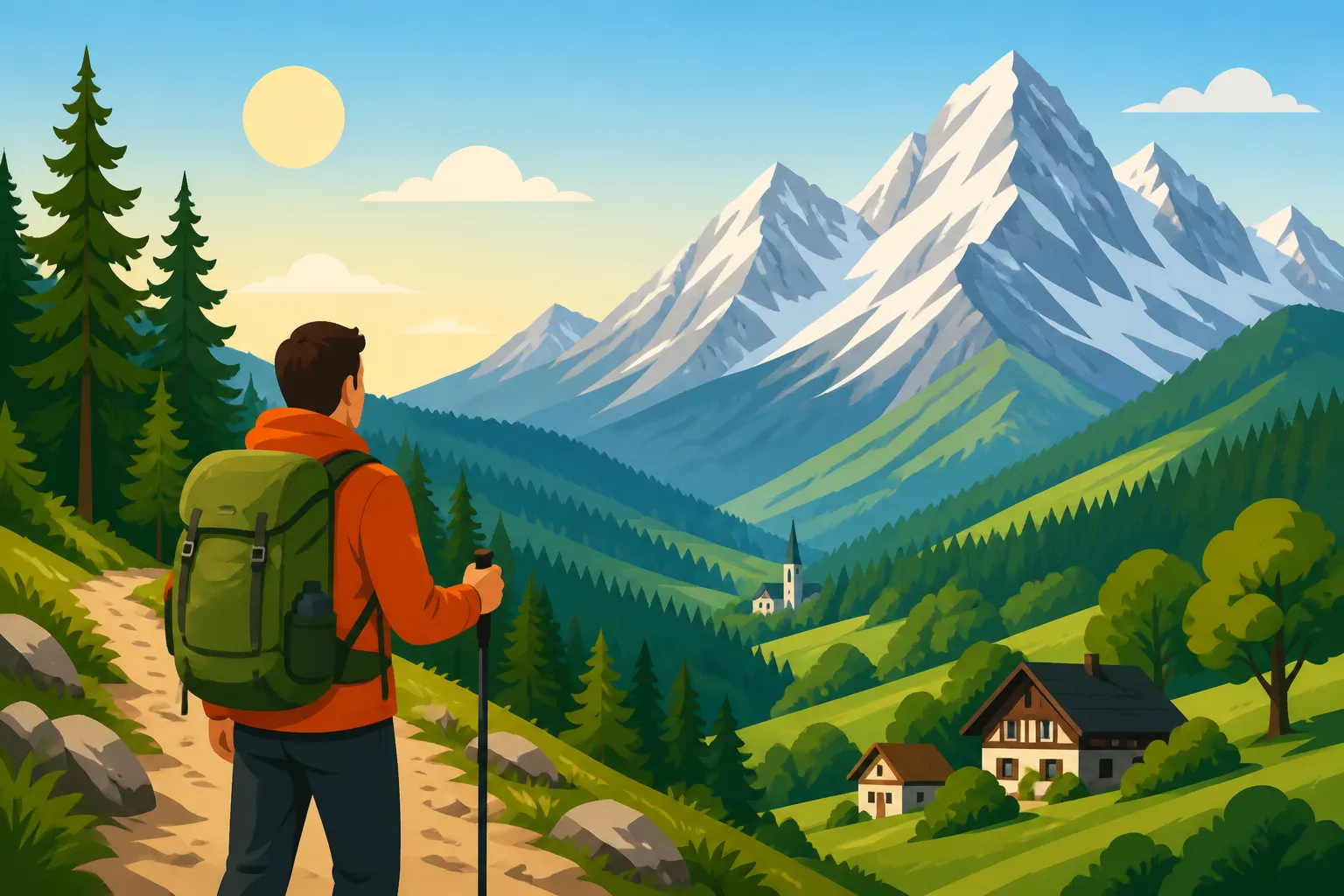
Hiking in Germany: The Black Forest, Alps, and Beyond
Oh, my friend, if you've been living in Germany for a while, you've probably already discovered that this country, for all its bureaucratic quirks, has an incredible secret: it's an absolute paradise for hikers. But let's be real, figuring out where to start, what's what, and how to navigate the trails can feel like another one of those German administrative hurdles. This guide is here to cut through the confusion and help you lace up your boots to explore Germany's most breathtaking landscapes, from the mystical Black Forest to the soaring Bavarian Alps and beyond.
Disclosure: This post may contain affiliate links. We may earn a commission at no extra cost to you if you make a purchase through these links. Read full disclosure.
Why Germany is a Hiker's Paradise (and a bit confusing!)
When you first arrive in Germany, you might think it's all about bustling cities and quaint villages, but tucked away between them are some of Europe's most diverse and stunning hiking routes. The sheer variety here is enough to make any outdoor enthusiast's heart sing, once you figure out the system, that is!
Diverse Landscapes for Every Level
One of the most incredible things about hiking in Germany is that there's truly something for everyone, whether you're a seasoned mountaineer or someone who just enjoys a leisurely Sunday stroll through nature. You've got the dramatic, craggy peaks of the Bavarian Alps, offering challenging climbs and breathtaking panoramic views that make you feel like you're on top of the world. Then there are the rolling, dense forests of the Black Forest, where ancient trees whisper tales of folklore and hidden waterfalls surprise you around every bend.
But it doesn't stop there. Imagine wandering through sandstone formations in Saxon Switzerland that look like they've been sculpted by giants, or following the meandering rivers through vineyards in the Rhine Valley, stopping for a glass of local wine along the way. Even the flatlands of Northern Germany offer serene coastal walks and heathland trails that provide a different kind of beauty. The best part? You don't need to travel far to find a completely different landscape, which is incredibly convenient if you're like me and often crave a quick nature escape from city life.
Well-Maintained Trails and Infrastructure
If there's one thing Germans excel at, it's organization and efficiency, and their hiking trails are no exception. You'll find that Germany boasts an incredibly extensive and impeccably maintained network of hiking trails. Seriously, the trail markers are usually so clear and consistent that getting lost is pretty hard to do, even if your German isn't quite fluent yet. These trails often have helpful signs detailing distances, estimated walking times, and points of interest. It's a stark contrast to some other places where you might find yourself bushwhacking or relying purely on a GPS.
Beyond the trails themselves, the infrastructure supporting hikers is fantastic. Many popular routes have "Wanderparkplätze" (hiking car parks), bus stops conveniently located at trailheads, and even "Wanderhütten" (hiking huts) or "Berggasthöfe" (mountain guesthouses) scattered along the way where you can grab a hearty meal, a refreshing drink, or even spend the night. This means you don't always need to carry a full backpack with food and water for an entire day, making it more accessible for casual hikers. However, don't let the ease fool you into underestimating the mountains; proper gear is always essential, especially in higher elevations where weather can change in an instant.
The Majestic Black Forest (Schwarzwald): More Than Just Cuckoo Clocks
Ah, the Black Forest! Even the name itself conjures images of deep, dark woods and fairy tales. And honestly, it lives up to the hype. This region in southwestern Germany is a beloved destination for a reason, offering a unique blend of dense forests, charming villages, and culinary delights.
Iconic Trails and Scenic Routes
The Black Forest is crisscrossed with thousands of kilometers of hiking trails, but some truly stand out. One of the most famous is the Westweg, one of Germany's oldest long-distance hiking trails, stretching over 285 kilometers from Pforzheim to Basel. It takes you through the heart of the forest, over peaks like the Schliffkopf and Feldberg (the highest mountain in the Black Forest), offering incredible views and varied terrain. It's not for the faint of heart, often taking 10-14 days to complete, but you can always tackle sections of it for a challenging day hike.
For those looking for a slightly more manageable multi-day experience, the Schluchtensteig is a fantastic choice. This 119-kilometer trail loops through dramatic gorges, past roaring waterfalls, and along serene lakes in the southern Black Forest. It's known for its wild, untamed beauty and the sheer exhilaration of navigating its narrow paths. If you prefer shorter, themed walks, many towns like Triberg or Freiburg offer well-marked circular routes that take you past cuckoo clock workshops, through vineyards, or to scenic viewpoints. No matter your preference, the Black Forest has a trail that will capture your imagination.
Charming Villages and Culinary Delights Along the Way
One of the true joys of hiking in the Black Forest isn't just the natural beauty, but the delightful villages nestled within its valleys and hills. Towns like Gengenbach, with its half-timbered houses and historic old town, feel like stepping into a postcard. Freudenstadt boasts Germany's largest market square, perfect for a break and some people-watching. These villages often serve as excellent bases for day trips into the surrounding wilderness.
And let's not forget the food! A hike in the Black Forest isn't complete without indulging in the local gastronomy. Think hearty Maultaschen (German-style ravioli), warming Spätzle, and of course, the legendary Schwarzwälder Kirschtorte (Black Forest cherry cake). After a long day on the trails, there's nothing quite like settling into a cozy Gasthof for a delicious, traditional meal and a glass of local Kirschwasser (cherry schnapps). Many of these charming guesthouses can be found on platforms like Booking.com, making it easy to plan your overnight stays.
Practical Tips for Hiking the Black Forest
When planning your Black Forest adventure, a few things will make your trip smoother. Firstly, wear sturdy hiking boots – the terrain can be uneven, and you'll appreciate the ankle support. Layers are key, as the weather can be unpredictable, especially at higher elevations. A waterproof jacket is always a good idea.
While many trails are well-marked, carrying a good map (Kompass and Rother are excellent German brands) or using a reliable hiking app like Komoot or AllTrails on your phone is highly recommended. Signal can be spotty in some deeper forest areas. Getting to the Black Forest is relatively easy via public transport; trains often connect major cities to towns like Freiburg or Offenburg. From there, local buses can take you to smaller villages and trailheads. You can use services like Omio to find the best train connections and plan your journey efficiently. Don't forget to check the opening hours of mountain huts or restaurants if you're relying on them for meals, as some might have limited hours outside of peak season.
Conquering the German Alps: Breathtaking Peaks and Alpine Adventures
For those who crave dramatic landscapes, crisp mountain air, and the exhilarating feeling of conquering a summit, the German Alps are calling. This southern region, bordering Austria, offers some of the most spectacular and challenging hiking experiences in the country.
Popular Regions and Summit Hikes
The quintessential gateway to the German Alps is Garmisch-Partenkirchen, a bustling town perfectly situated for accessing numerous trails. From here, you can embark on the iconic journey to Germany's highest peak, the Zugspitze. While there are challenging via ferratas and alpine routes to the summit, you can also take the cogwheel train or cable car up to enjoy the panoramic views without breaking too much of a sweat. However, for a true hiking experience, the ascent from the Partnachklamm gorge to the Reintalangerhütte and then the final push to the summit is an unforgettable, multi-day undertaking.
Further east, near the charming town of Berchtesgaden, lies another gem: the Berchtesgaden National Park. Here, the majestic Watzmann massif dominates the skyline. The Watzmannhaus, a popular mountain hut, offers a fantastic overnight stop before attempting the demanding Watzmann traverse (Watzmannüberschreitung), known as one of the most beautiful but also most challenging ridge hikes in the Eastern Alps. Remember, these are serious mountains, and proper preparation and experience are absolutely non-negotiable for such endeavors.
Hut-to-Hut Hiking and Multi-Day Treks
One of the most authentic and rewarding ways to experience the German Alps is through Hüttenwanderungen, or hut-to-hut hikes. Imagine spending your days trekking through stunning alpine scenery, knowing that a warm meal, a cold beer, and a cozy bunk await you at a mountain hut by evening. These huts, often run by the German Alpine Club (DAV), are strategically located in spectacular spots and offer a unique communal atmosphere. You'll share stories with fellow hikers from around the world, wake up to incredible sunrises, and feel completely immersed in the mountain environment.
Planning a hut-to-hut trek requires some foresight. Huts can get fully booked, especially during peak summer months, so reserving your spots well in advance is crucial. You'll need to carry a lighter pack than if you were camping, as food and bedding (though often you need your own sleeping bag liner) are provided. Many routes are well-documented in Rother Wanderführer guidebooks, which often include maps and elevation profiles. For those looking for a guided introduction to this experience, local tour operators or platforms like GetYourGuide can sometimes offer organized hut-to-hut tours.
Safety and Preparation for Alpine Hiking
The German Alps are stunning, but they demand respect. Safety should always be your top priority. Always check the weather forecast before heading out, as conditions can change rapidly at altitude, turning a sunny day into a storm with little warning. Dress in layers, including waterproof and windproof outerwear, even in summer. Sturdy, ankle-supporting hiking boots with good grip are essential, as are trekking poles for stability on steep or rocky terrain.
Carry enough water, snacks, a first-aid kit, and a fully charged phone (and a power bank!). Inform someone of your route and estimated return time. If you're tackling challenging alpine routes, consider going with an experienced guide or at least having ample experience and proper equipment (like via ferrata sets if applicable). Knowing basic first aid and having an emergency plan is also wise. Remember that in an emergency, the European emergency number 112 works in Germany. You can learn more about Emergency Numbers in Germany: Calling 112, Poison Control, and More.
Beyond the Big Names: Other Fantastic Hiking Regions
While the Black Forest and the Alps often steal the spotlight, Germany is brimming with other incredible hiking regions that offer unique landscapes and equally rewarding experiences. Don't limit yourself to just the famous spots!
Saxon Switzerland: Sandstone Wonders
Tucked away in eastern Germany, bordering the Czech Republic, lies Saxon Switzerland National Park. This isn't your typical forest or mountain range. Instead, you'll find an almost surreal landscape of towering sandstone cliffs, deep gorges, and bizarre rock formations that look like they belong on another planet. The most famous landmark, the Bastei Bridge, offers breathtaking views over the Elbe River valley and is accessible via a relatively easy walk.
However, for hikers, the real magic lies in the "Malerweg" (Painters' Way), a 112-kilometer long-distance trail that takes you through the most picturesque parts of the national park, inspiring artists for centuries. You'll navigate narrow "Felsenburgen" (rock castles), climb steep ladders (like the "Himmelsleiter" or "Ladder to Heaven"), and explore hidden caves. It's a truly unique hiking experience that feels like an adventure playground for adults, mixing forest paths with exhilarating rock scrambling.
Harz Mountains: Mythical Forests and Brocken Peak
Venturing north, you'll discover the Harz Mountains, a low mountain range rich in folklore and history. This region is famous for its dense, dark forests, charming medieval towns, and the legendary Brocken Peak, the highest point in northern Germany. The Brocken is shrouded in myth, often associated with witches and supernatural gatherings, especially on Walpurgis Night.
Hiking to the Brocken summit is a popular activity, and you can even take a historic steam train (Harzer Schmalspurbahnen) part of the way up. Many trails crisscross the Harz, including sections of the Harzer Hexenstieg (Harz Witches' Trail), a 97-kilometer route that takes you past waterfalls, through ancient forests, and to historic mining towns. The Harz offers a more mystical, atmospheric hiking experience, perfect for those who love a bit of history and legend with their nature walks.
Rhine and Moselle Valleys: Wine and Castles
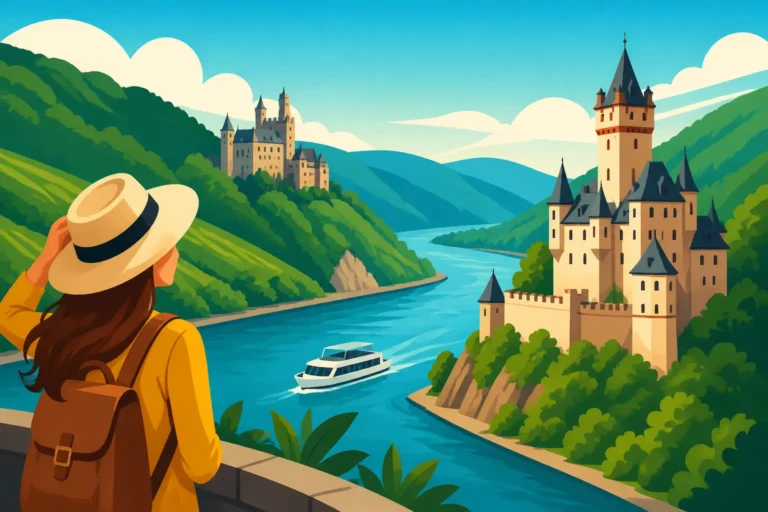
For a different flavor of hiking, head to the beautiful Rhine Valley and its equally stunning cousin, the Moselle Valley. Here, the trails wind through steep vineyards, past picturesque villages, and to the ruins of ancient castles perched dramatically on hillsides. It's less about challenging ascents and more about scenic strolls punctuated by cultural stops.
The Rheinsteig and Moselsteig are long-distance trails that offer incredible multi-day experiences, allowing you to walk from village to village, stopping for wine tastings (try the Riesling!) and exploring medieval fortresses. Imagine hiking a few hours, then enjoying a delicious regional meal at a traditional Weingut (winery), perhaps even spending the night in a charming riverside hotel you found on Booking.com. These regions offer a truly indulgent hiking experience that combines nature, culture, and culinary delights. If you're a fan of history and beautiful scenery, consider a Rhine Valley: Castles, Wine, and River Towns trip.
Eifel and Sauerland: Volcanic Landscapes and Green Hills
Moving closer to Germany's western borders, the Eifel region offers a surprising landscape shaped by ancient volcanic activity. You'll find maars (volcanic lakes), extinct volcanoes, and mineral springs, all covered in lush forests and rolling hills. The Eifelsteig is a famous long-distance trail here, guiding you through diverse scenery and showcasing the region's unique geological features. It's a tranquil region, perfect for those seeking peace and quiet amidst fascinating natural history.
Further north, the Sauerland region is known as the "Land of a Thousand Mountains" (though they're more like rolling hills than jagged peaks). It's a popular destination for both summer hiking and winter sports, offering well-maintained trails, dense forests, and numerous lakes and reservoirs. The Rothaarsteig is a prominent ridge trail here, known for its wide views and quiet paths. Both the Eifel and Sauerland are excellent choices for accessible, scenic hiking that offers a true escape into nature without the extreme demands of the high Alps.
Planning Your German Hiking Adventure: What You Need to Know
Alright, so you're inspired and ready to hit the trails! Before you head out, a little planning goes a long way to ensure your German hiking adventure is enjoyable and safe.
Essential Gear and Packing List
Getting your gear right is crucial. Here’s a basic checklist, keeping in mind that the specific items might vary depending on the season and the difficulty of your chosen trail:
- Hiking Boots: This is non-negotiable. Invest in good quality, comfortable, waterproof hiking boots with excellent ankle support and grip. Break them in before your trip!
- Layered Clothing: German weather, especially in the mountains, can be fickle. Pack moisture-wicking base layers, an insulating mid-layer (fleece or light down), and a waterproof and windproof outer shell.
- Backpack: A comfortable backpack appropriate for the length of your hike. For day trips, 20-30 liters is usually sufficient.
- Water Bottle/Hydration Pack: Staying hydrated is key. There are often springs or huts to refill, but always carry enough for your planned route.
- Snacks: Energy bars, nuts, fruit – whatever keeps you going. Many hikers pack a "Vesper" – a traditional German snack of bread, cheese, and sausage.
- Navigation: A paper map and compass (and knowing how to use them!) are old-school but reliable backups. A fully charged smartphone with GPS apps (like Komoot, AllTrails, or Outdooractive) is invaluable.
- First-Aid Kit: Basic essentials like plasters, antiseptic wipes, pain relievers, blister treatment, and any personal medications.
- Sun Protection: Sunscreen, sunglasses, and a hat, even on cloudy days, especially at higher altitudes.
- Trekking Poles: Highly recommended for stability, especially on descents or uneven terrain, and they reduce strain on your knees.
- Headlamp/Flashlight: Even if you plan to be back before dark, delays can happen.
- Small Knife/Multi-tool: Always handy.
- Emergency Whistle/Mirror: For signaling in an emergency.
Remember to pack light but wisely. Every gram counts on a long hike!
Finding Trails and Navigation Tools
Germany makes finding hiking trails quite easy. Many regions have dedicated tourism websites (e.g., Schwarzwald Tourismus, Bayerische Alpen) that provide detailed trail descriptions, maps, and often GPX files for download.
- Online Platforms & Apps:
- Komoot: Extremely popular in Germany, offering detailed maps, route planning, and navigation for hiking and cycling.
- AllTrails: A global platform with many German trails, often with user reviews and photos.
- Outdooractive: Another excellent option with a wide range of trails and detailed mapping.
- Traditional Maps: For serious hikers, especially in the Alps, physical maps from Kompass or Rother publishers are invaluable. They are highly detailed, waterproof, and don't rely on battery life.
- Local Tourist Offices (Tourismusinformation): Always a great resource for local knowledge, free brochures, and maps. Don't hesitate to pop in when you arrive in a new area.
- German Alpine Club (DAV): If you're heading to the Alps, the DAV is an excellent resource for hut information, trail conditions, and safety advice.
When using apps, remember that offline maps are crucial where signal might be poor. Download your routes beforehand!
Accommodation and Transportation
Getting to and staying in Germany's hiking regions is generally straightforward.
- Transportation:
- Deutsche Bahn (German Rail): Germany's excellent train network can get you close to many hiking areas. Consider the Deutschlandticket for unlimited regional travel if you're exploring for a month. For longer distances or specific connections, services like Omio can help you find and book train tickets efficiently.
- Buses: Local bus networks often extend to smaller villages and trailheads, especially in popular hiking regions.
- Car: Having a car offers the most flexibility, allowing you to reach more remote trailheads. However, parking can sometimes be limited or paid.
- Accommodation:
- Hotels & Guesthouses (Gasthöfe, Pensionen): You'll find a wide range of options, from luxurious hotels to cozy, family-run guesthouses. Websites like Booking.com are indispensable for finding and reserving accommodation across Germany.
- Mountain Huts (Hütten): As mentioned, these are fantastic for multi-day alpine treks. Book well in advance, especially for popular routes.
- Vacation Rentals (Ferienwohnungen): Ideal for longer stays or groups, offering self-catering options.
- Camping: Designated campsites are available in many areas, but wild camping is generally not permitted in Germany.
- Guided Tours: If you're new to hiking in Germany, or want to explore a specific region with expert knowledge, consider a guided tour. Platforms like GetYourGuide offer various hiking experiences, from casual nature walks to more challenging guided mountain ascents. This can be a great way to meet people and learn about the local flora, fauna, and history.
For those planning to travel around by train, learning more about Getting Around Germany: Trains, Buses, Flights, and Car Hire can be very helpful.
German Hiking Culture and Etiquette: The Unwritten Rules
Just like with any activity in Germany, there are a few unspoken rules and cultural norms around hiking that are good to be aware of. They might not be written down, but following them will make your experience more authentic and respectful.
Trail Markers and Respecting Nature
German hiking trails are exceptionally well-marked, often with distinct symbols for different routes (e.g., a red diamond, a blue line, etc.). It's considered good etiquette to stay on marked trails. This isn't just for your safety, but also to protect the sensitive ecosystems and wildlife. Taking shortcuts or blazing new paths can damage vegetation and disturb animals.
When you encounter other hikers, a friendly "Hallo!" or, if you're in Bavaria or Austria, a "Grüß Gott!" is customary. It's a small gesture of camaraderie. If you're passing someone on a narrow path, the person walking uphill typically has the right of way. Remember the core principle of "Leave No Trace" – pack out everything you pack in, including any trash, fruit peels, or tissues. German hikers are very particular about keeping their nature pristine, and rightly so.
Eating, Drinking, and Taking Breaks
Taking a break (or "Rast" in German) is an integral part of the hiking experience. You'll often see designated picnic spots, benches, or even small shelters along the trails. These are perfect for enjoying your packed "Vesper" or simply resting your legs. If you're stopping at a mountain hut, it's polite to at least purchase a drink or something small if you're using their facilities.
When it comes to dogs, they are generally welcome on trails but must be kept on a leash, especially in nature reserves, near grazing animals, or in crowded areas. Always clean up after your dog. Finally, remember "Ruhezeit" (quiet hours). While this primarily applies to residential areas, the general principle of respecting peace and quiet extends to nature. Avoid loud music or shouting, allowing everyone to enjoy the tranquility of the German wilderness.
| Hiking Region | Highlights | Typical Difficulty | Best For |
|---|---|---|---|
| Black Forest | Dense forests, waterfalls, charming villages, Feldberg | Easy to Moderate | Fairy-tale walks, cultural stops, multi-day |
| Bavarian Alps | High peaks (Zugspitze, Watzmann), alpine lakes, huts | Moderate to Strenuous | Mountaineering, hut-to-hut, panoramic views |
| Saxon Switzerland | Sandstone formations, Bastei Bridge, Elbe River | Moderate to Challenging | Unique landscapes, rock climbing, adventure |
| Harz Mountains | Brocken Peak, mythical forests, medieval towns | Easy to Moderate | History, folklore, misty atmosphere |
| Rhine/Moselle Valleys | Vineyards, castles, river views, charming villages | Easy to Moderate | Wine tasting, cultural tours, scenic strolls |
| Eifel | Volcanic lakes (maars), ancient forests | Easy to Moderate | Tranquility, geology, nature exploration |
As you can see, Germany offers a wealth of hiking opportunities that go far beyond what many expats initially imagine. So grab your boots, plan your route, and go explore! You might find that some of Germany's most beautiful experiences are waiting for you, just a short train ride or drive away. If you’re a family planning a trip, our post on Family Travel in Germany: Kid-Friendly Cities and Activities might have some great ideas for combining hiking with family fun. For those living in the capital, knowing the Best Day Trips From Berlin could easily include a beautiful hike. If you're new to the country, don't miss our comprehensive guide on Moving to Germany: Comprehensive Visa & Immigration Guide which covers everything you need to know about starting your life here. For a truly unique experience, you can always learn more about the Spa and Sauna Culture in Germany: Wellness for Health and Relaxation after a long hike! And of course, getting around effectively often means understanding the public transport system, so checking out Public Transport Tickets and Passes: Navigating German Transit Systems will definitely come in handy.
Disclaimer
Please remember that hiking, especially in mountainous regions, carries inherent risks. Always assess your own fitness level and experience before embarking on a hike. Weather conditions can change rapidly, and accidents can happen. This guide provides general information and should not replace professional advice, detailed maps, or local warnings. Always prioritize your safety and be prepared for various eventualities.