What’s the Weather Like in Germany in Winter?
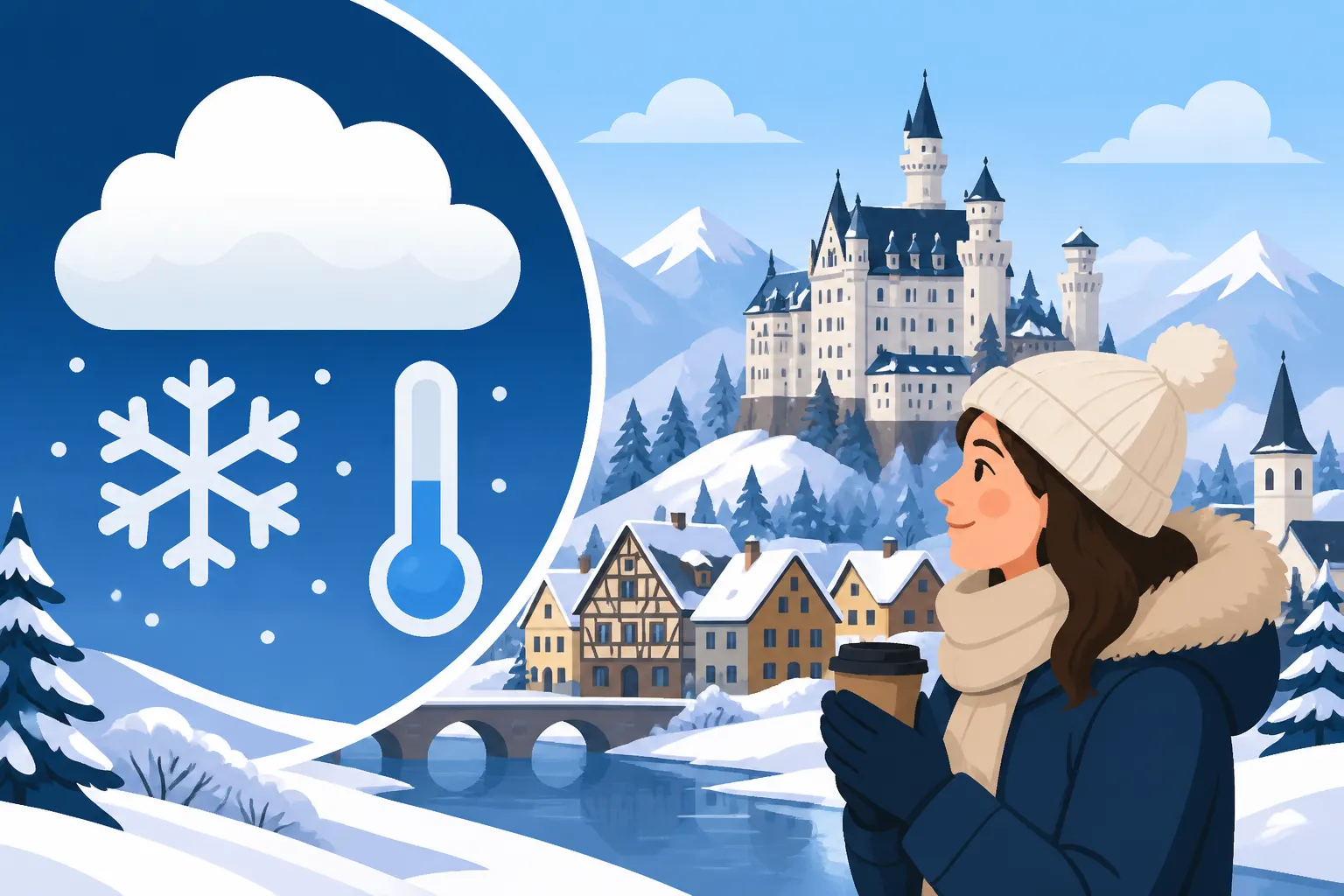
Oh, the German winter! If you're anything like I was when I first moved here, you're probably picturing a winter wonderland straight out of a postcard – endless snow, twinkling lights, and cozy evenings by a roaring fire. While Germany certainly has its fair share of magical winter moments, the reality can often be a bit more… complex. This guide is here to give you the unvarnished truth about what the weather is actually like during Germany's colder months, so you can prepare not just your wardrobe, but also your mindset, for the season ahead.
Disclosure: This post may contain affiliate links. We may earn a commission at no extra cost to you if you make a purchase through these links. Read full disclosure.
Understanding the German Winter Calendar
Winter in Germany isn't just about December; it typically stretches from November right through to March, with the coldest and darkest months being December and January. It's not a uniform experience across the entire country, which is a key frustration for many newcomers. One minute you're battling slush in Berlin, the next you're knee-deep in fresh powder in Bavaria, and then you might be staring at perpetual grey skies and rain in Hamburg.
What truly defines the German winter, regardless of where you are, is the noticeable drop in temperature and, perhaps even more so, the dramatic reduction in daylight hours. This shift often catches people off guard, especially those from sunnier climates. Suddenly, it's pitch black at 4:30 PM, and the sun might not even make a proper appearance for days on end. It's a fundamental aspect of life here that truly shapes the season, influencing everything from daily routines to overall mood.
It's a season of contrasts, where crisp, clear, frosty mornings can give way to damp, overcast afternoons. The unpredictability can be charming, but it can also be a little disheartening when you're longing for either a proper snow day or a break in the clouds. Getting a handle on these general characteristics is your first step to truly navigating and even enjoying the German winter.
Temperatures and Regional Variations
Germany is a relatively large country, and its climate varies significantly from north to south, and even from west to east. This means that "winter weather" isn't a single experience, and your expectations might need adjusting based on your location. What's cold in the north might feel positively balmy to someone in the southern mountains, and vice versa.
The North: Damp, Windy, and Often Grey
If you're living up north, near the North Sea or Baltic Sea coast, or in cities like Hamburg, Bremen, or even Berlin (which is geographically quite central but shares some northern characteristics), you can expect a winter that leans more towards damp and windy than heavily snowy. Temperatures in these regions typically hover around freezing point, often ranging from 0°C to 5°C (32°F to 41°F) during the day, dipping slightly below freezing at night.
Snowfall is less frequent and usually doesn't stick around for long. Instead, prepare for a lot of grey, overcast skies and persistent drizzle or light rain. The wind off the sea can make these temperatures feel much colder, so a good windproof coat is absolutely essential. The good news is that extreme cold is rare, but the persistent dampness can really get into your bones. It’s a kind of cold that requires layers, not just thick sweaters.
Central Germany: A Mix of Cold and Potential Snow
Moving into the central regions of Germany, including areas like the Harz Mountains, the Black Forest foothills (though much of the Black Forest is further south), and cities like Leipzig or Frankfurt, you'll find a more varied winter experience. Here, temperatures can dip lower, often staying around -2°C to 3°C (28°F to 37°F) during the day. Nighttime temperatures can regularly fall to -5°C (23°F) or even colder.
Snowfall is more likely here than in the north, especially in the higher elevations of the central mountain ranges like the Harz, Taunus, or Eifel. When it snows, it can sometimes accumulate and create a picturesque scene, though it's still not guaranteed to last for weeks on end. You might get a week or two of beautiful snow-covered landscapes, followed by a thaw and a return to rainy, grey conditions. This mix can be frustrating if you're hoping for a consistently white winter, but it also means you might get lucky with some proper winter magic.
The South and Alpine Regions: Cold, Snowy, and Bright
For those living in the very south of Germany, particularly Bavaria and the areas close to the Alps or the deeper parts of the Black Forest, winter is usually the most traditional and recognizable. Here, temperatures are generally colder, often between -5°C and 2°C (23°F and 36°F) during the day, with nighttime lows easily dropping to -10°C (14°F) or even lower in mountainous areas.
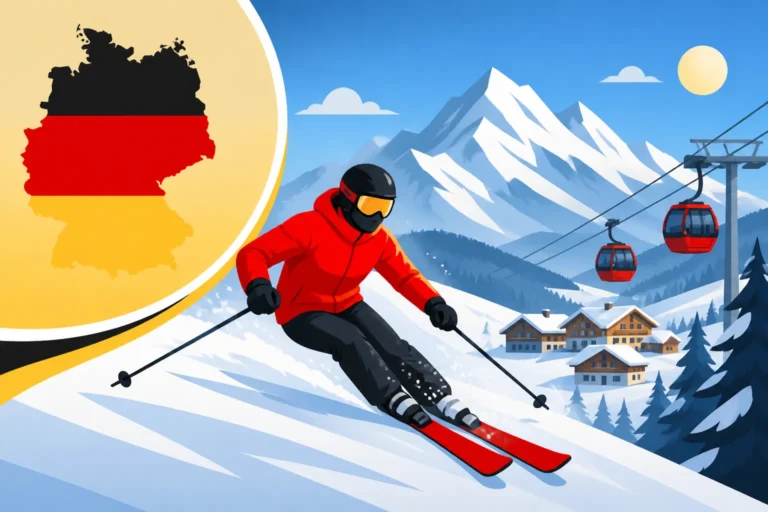
This is where you'll find the best chance for consistent snowfall and sustained snow cover. Areas around Garmisch-Partenkirchen, the Bavarian Alps, and certain parts of the Black Forest become prime destinations for winter sports enthusiasts. The cold often comes with crisp, clear air and bright sunshine after a snowfall, which can be truly breathtaking. If you're looking for that classic "winter wonderland" experience, this is your best bet in Germany. Just be prepared for the actual cold, which can be quite intense. Finding cozy accommodation, perhaps a little Gasthaus with a fireplace, is easy on sites like Booking.com.
Precipitation and Icy Conditions
When it comes to what actually falls from the sky, German winter is a mixed bag, and it's not always the fluffy white stuff we all dream of. Understanding the types of precipitation and the associated hazards is crucial for navigating the season safely.
The Reality of Snowfall
While many dream of a white Christmas or a winter full of snow, the reality is that widespread, long-lasting snow cover is primarily reserved for higher elevations and the southern Alpine regions. In major cities and lower-lying areas, especially in the north and west, snow often comes and goes quickly. You might wake up to a beautiful blanket of snow, only for it to turn into grey slush by lunchtime as temperatures rise slightly.
During cold snaps, however, even cities like Berlin or Munich can experience significant snowfall. These events are often disruptive, as public transport can be affected, and navigating the streets becomes a slippery adventure. The key takeaway here is to manage your expectations: if you're not in the mountains, don't bank on a perpetually white winter. Instead, celebrate the occasional snow days as a special treat!
The Prevalence of Rain and Sleet
More often than not, especially in northern and western Germany, winter precipitation comes in the form of rain or sleet. This isn't usually heavy, torrential rain, but rather a persistent drizzle or a steady, light shower that seems to last forever. This is where the "grey" reputation of German winter really comes from; endless days of overcast skies and a gentle but constant dampness.
This type of weather can make outdoor activities less appealing, but it's also why having proper waterproof outerwear is non-negotiable. Don't underestimate the chilling effect of being perpetually damp, even if the temperatures aren't dramatically low. It’s also important to remember that this rain can quickly turn to ice if temperatures drop unexpectedly.
The Dangers of Black Ice (Glatteis)
Perhaps the most insidious and dangerous aspect of German winter weather is black ice, or Glatteis. This occurs when rain falls onto surfaces that are at or below freezing, or when melted snow refreezes overnight. Black ice is nearly invisible and can turn even a short walk into a treacherous ordeal. This isn't something to take lightly; every winter, hospitals see a surge in broken bones and sprains due to falls on black ice.
Authorities usually issue warnings for Glatteis on local news and weather apps, so pay attention. When conditions are icy, wear shoes with excellent grip, walk slowly and deliberately, and try to stay on cleared paths. Driving also becomes significantly more dangerous, and winter tires are not just recommended, but often legally required depending on the conditions. If you're planning on renting a car and driving on the Autobahn during winter, be aware of these conditions. Always prioritize safety over speed when Glatteis warnings are in effect.
Short Days and the Winter Blues
Beyond the physical cold, one of the most impactful aspects of German winter, particularly for those new to the country, is the sheer lack of daylight. This isn't just a minor inconvenience; it can significantly affect your mood, energy levels, and overall well-being.
The Stark Reality of Limited Sunlight
From late October, the days grow progressively shorter, reaching their nadir around the winter solstice in late December, and they stay short well into February. In cities like Berlin, the sun might rise around 8 AM and set before 4 PM. Even then, the sun often remains low in the sky, obscured by clouds, casting a perpetual twilight rather than bright daylight. For someone used to longer, brighter days, this can be a profound shock.
The feeling of going to work in the dark, working in what often feels like artificial light all day, and then coming home in the dark again, can be incredibly draining. It shrinks your "active" window and can make you feel cooped up and lethargic. This phenomenon is very real and widely discussed among locals and expats alike.
Coping with Seasonal Affective Disorder (SAD)
This persistent lack of natural light is a major contributor to Seasonal Affective Disorder (SAD), or Winterdepression as it's often called here. Symptoms can range from mild fatigue and irritability to more severe feelings of sadness, lack of motivation, and changes in appetite and sleep patterns. It's not just "feeling a bit down"; it's a clinically recognized condition, and many expats find themselves experiencing it for the first time in Germany.
The German medical system is well aware of SAD, and there are resources available. Light therapy lamps, for instance, are quite common and can be surprisingly effective. Many people also find that increasing their Vitamin D intake (after consulting a doctor) can help. Perhaps most importantly, acknowledging that what you're feeling is a valid response to environmental factors, and not a personal failing, is crucial. For more in-depth advice on this, you might find our guide on Dealing with Seasonal Affective Disorder: Coping with Dark Winters in Germany helpful.
Strategies to Combat the Darkness
You can't change the sun's schedule, but you can definitely adapt. One of the best strategies is to intentionally seek out light whenever possible. Try to get outside during lunchtime, even if it's just for a 15-minute walk. Position your workspace near a window if you can. Embrace bright, cheerful lighting in your home to counteract the gloom.
Beyond light, maintaining a routine, ensuring adequate sleep, and staying physically active are paramount. Don't let the weather dictate that you become a permanent couch potato! Joining a gym, going for walks when the weather permits, or trying indoor sports can make a huge difference. Even a simple change like meeting friends for a coffee rather than retreating indoors can break the cycle of isolation that the dark days can encourage. It's about proactive self-care.
Embracing German Winter: Activities and Preparation
Despite the cold, the grey, and the short days, German winter isn't something to merely "survive." It’s a season with its own unique charm and a host of traditions and activities that can make it truly special if you lean into it. With the right mindset and preparation, you can actually thrive.
Getting Dressed for the Cold: The Zwiebelschichtprinzip
The most crucial advice for staying comfortable in German winter is mastering the "Zwiebelschichtprinzip" – the onion layer principle. Don't rely on one super-thick coat. Instead, dress in multiple layers that you can add or remove as needed.
- Base Layer: Start with a moisture-wicking thermal layer, especially if you'll be active outdoors.
- Middle Layer: Fleece, wool sweaters, or down vests are perfect for insulation.
- Outer Layer: A waterproof and windproof jacket or coat is essential. Look for something that covers your hips for extra warmth.
- Accessories: Don't forget a warm hat, gloves or mittens, and a scarf. These make an enormous difference in retaining body heat, especially since so much heat escapes from your head and extremities.
- Footwear: Waterproof boots with good grip are a non-negotiable. Slush, rain, and potential ice demand sturdy, insulating footwear.
Think practical over fashionable when it comes to your outer layers, at least for daily wear. You’ll thank yourself when you’re not freezing on your morning commute.
Winter Wonders: From Christmas Markets to Ski Slopes
Germany truly shines during its festive season. The Christmas markets (Weihnachtsmärkte) are a phenomenon that transforms cities and towns into magical, twinkling villages, offering warmth, delicious food, and unique crafts. Many cities offer charming Christmas market tours you can book through platforms like GetYourGuide, perfect for embracing the festive spirit. For a deeper dive into these seasonal delights, check out our guide on Christmas Markets and Festive Germany.
Beyond the markets, if you enjoy winter sports, the opportunities abound, especially in the south. The Bavarian Alps are home to excellent ski resorts, and even central mountain ranges like the Harz or the Black Forest offer smaller, charming slopes. For those who aren't into skiing, ice skating rinks pop up in many city centers, providing a fun, active way to enjoy the crisp air. If you're planning a trip to a snowy region like the Alps, consider checking Omio for train or bus tickets – better than driving on icy roads!
If the outdoor cold isn't your thing, embrace Germany's rich indoor culture. Museums, art galleries, and historic sites offer warm havens for exploration. Or, perhaps most quintessential, indulge in the German Spa and Sauna Culture: Wellness for Health and Relaxation. There's nothing quite like a visit to a thermal bath on a freezing day to melt away the winter chill.
| Month | Avg. Daytime Temp. (North) | Avg. Daytime Temp. (Central) | Avg. Daytime Temp. (South/Alps) | Typical Precipitation | Daylight Hours (Approx. Berlin) |
|---|---|---|---|---|---|
| November | 5-9°C (41-48°F) | 3-7°C (37-45°F) | 1-5°C (34-41°F) | Rain, Sleet | 8h 30m – 9h 30m |
| December | 1-5°C (34-41°F) | 0-4°C (32-39°F) | -2-2°C (28-36°F) | Rain, Sleet, Snow | 7h 30m – 8h 00m |
| January | 0-4°C (32-39°F) | -1-3°C (30-37°F) | -3-1°C (27-34°F) | Rain, Sleet, Snow | 7h 45m – 9h 00m |
| February | 2-6°C (36-43°F) | 1-5°C (34-41°F) | -2-3°C (28-37°F) | Rain, Sleet, Snow | 9h 00m – 10h 30m |
| March | 5-10°C (41-50°F) | 4-9°C (39-48°F) | 1-7°C (34-45°F) | Rain, some Snow | 10h 45m – 12h 45m |
Note: These are average ranges and actual temperatures can vary significantly year to year and day to day.
Preparing Your Home and Car
For those living in Germany, winter also means making sure your home is ready. Understand how your heating system works and don't shy away from using it; German apartments are generally well-insulated, but heating bills can add up. Ensure your windows and doors are properly sealed to prevent drafts.
If you own a car, winter tires (Winterreifen) are not just a good idea, they are legally mandated under "wintry conditions" (snow, slush, black ice, or frost). Failing to have them can result in fines and insurance issues in an accident. Keep an ice scraper, a small broom, and de-icer spray handy in your car at all times. Being proactive about winter car maintenance is crucial for safety and avoiding fines.
In essence, German winter asks for a bit of preparation and a healthy dose of acceptance. It might not always be the postcard picture, but with the right gear and a willingness to embrace its unique offerings, it can be a truly wonderful and memorable season.
Disclaimer
Please remember that weather patterns can be unpredictable and vary from year to year. While this guide provides general information and typical conditions, always check up-to-date local forecasts before making plans or traveling. This information is for general guidance and does not constitute professional advice.