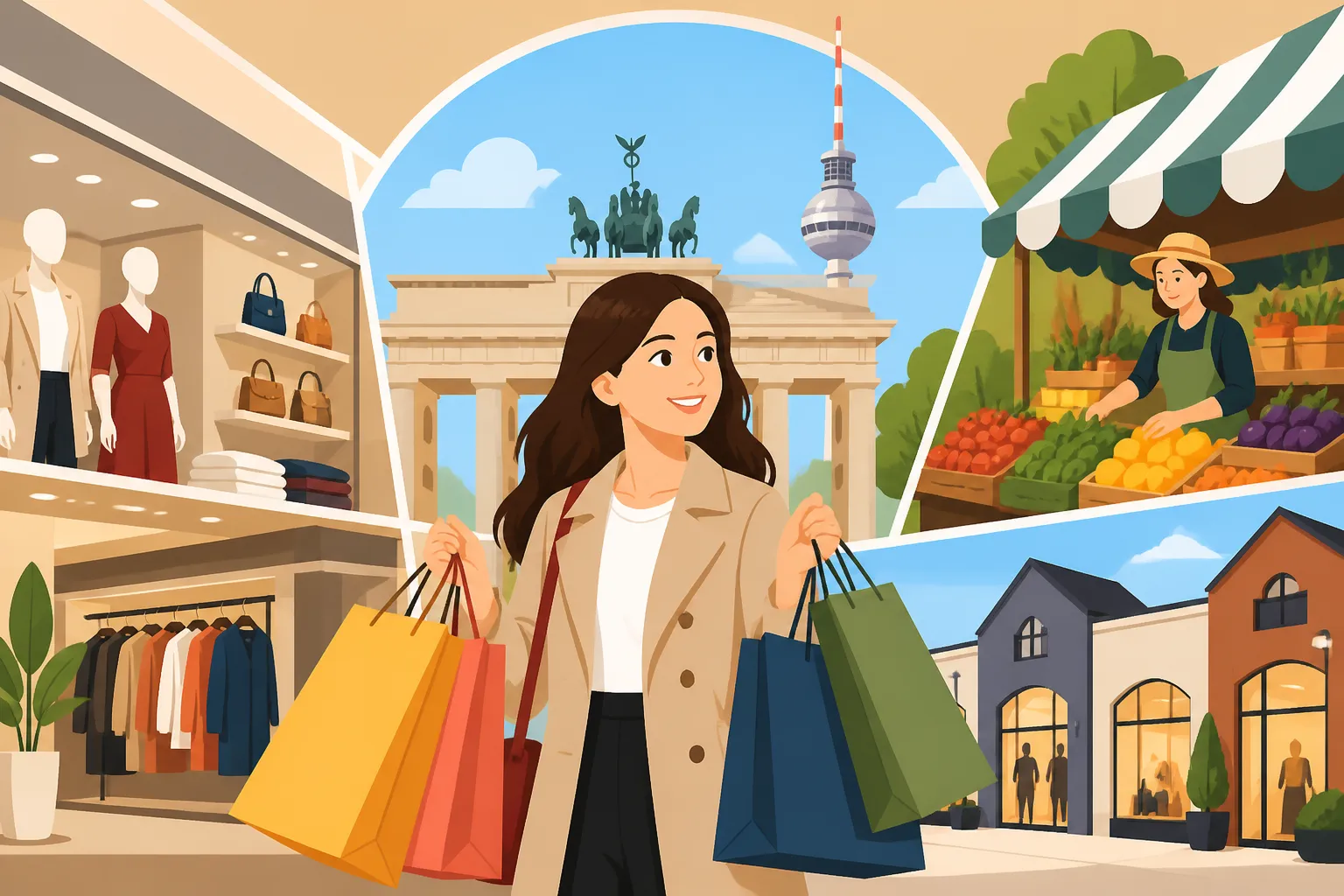
Shopping in Germany: Department Stores, Markets, and Outlets
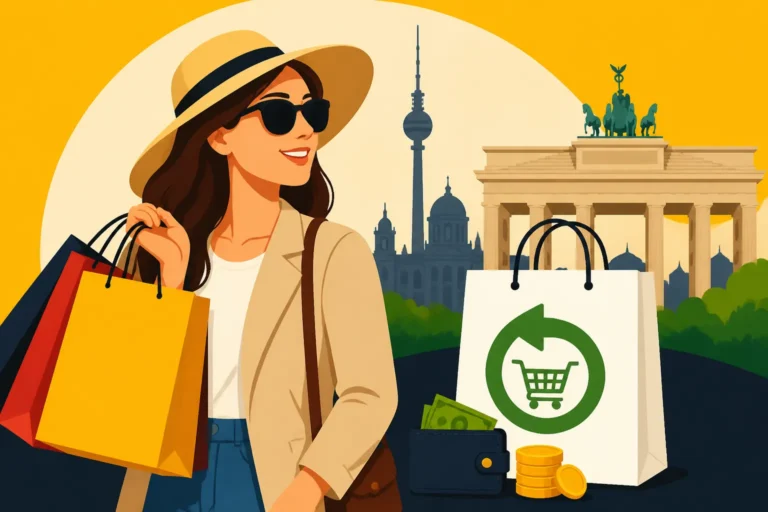
One of the first things that truly hits you when you move to Germany, after the initial euphoria of new beginnings wears off, is often the sheer challenge of daily tasks – and shopping is no exception. It’s not just about finding what you need; it’s about understanding where to find it, when you can buy it, and navigating a system that often feels vastly different from what you're used to back home. This guide is here to untangle the German shopping experience, from the big department stores to the quaint local markets and the ever-present online options, helping you feel a little less overwhelmed and a lot more in control.
Disclosure: This post may contain affiliate links. We may earn a commission at no extra cost to you if you make a purchase through these links. Read full disclosure.
Navigating the German Retail Landscape
When you first arrive in Germany, the shopping landscape can feel a bit like a maze. You might be accustomed to sprawling supermarkets open late, or department stores that seem to carry everything under the sun. Here, things are more segmented, often with a clear distinction between where you get your groceries, your clothes, or your specialty items. Understanding these different types of shops is the first step to becoming a savvy German shopper.
Understanding Different Shop Types
Germany has a rich variety of retail options, each catering to different needs and offering a unique experience. You’ll find everything from massive hypermarkets on the outskirts of towns to tiny, specialized boutiques in city centers. It’s a spectrum that rewards patience and a bit of exploration.
For your everyday essentials, you'll be frequenting supermarkets like Edeka, Rewe, Lidl, and Aldi. These are your go-to for groceries, household items, and often a surprising array of seasonal goods. They typically operate with a focus on efficiency and often, especially in the case of discounters like Lidl and Aldi, on value. Then there are the Drogeriemärkte, like DM and Rossmann, which are treasure troves for toiletries, cosmetics, health foods, baby products, and even some household cleaning supplies – often at very competitive prices. Beyond these, you start to delve into the more specialized retail experiences.
The Importance of Speciality Stores
Unlike countries where you might find a bit of everything in a single large store, Germany still has a strong tradition of speciality shops. Need a pair of shoes? You'll likely head to a Schuhgeschäft. Looking for a specific type of cheese or a delicious cut of meat? A Käserei (cheese shop) or Metzgerei (butcher) will offer a selection and expertise you won't find in a regular supermarket. This can be a bit of a culture shock if you’re used to one-stop shopping, but it also means a higher quality of goods and often more knowledgeable staff.
Think of it as an opportunity to engage with local artisans and experts. For instance, if you're trying to find a specific herb or a natural remedy, your local Apotheke (pharmacy) is the place to go, not just for prescriptions but also for advice on over-the-counter medicine in Germany. This segmentation encourages you to explore your local neighborhood and discover hidden gems, fostering a sense of community that larger, generic stores often lack. Embrace the opportunity to learn a few German phrases relevant to shopping; it’ll make your experience much smoother. You might even find yourself preferring the quality and personalized service of these smaller establishments over time.
Department Stores and Shopping Malls
For a more comprehensive shopping experience under one roof, Germany’s department stores and shopping malls offer a welcome reprieve, especially on those days when you just want to get things done efficiently. They might not be as colossal as some you’ve seen in other parts of the world, but they certainly get the job done for clothes, homeware, and gifts.
Major Department Store Chains
Germany's department stores are a mixed bag, offering different price points and brand selections. The most prominent chain is arguably Galeria Kaufhof (now simply Galeria), which you'll find in almost every major German city. These stores typically span multiple floors and carry everything from fashion, accessories, and cosmetics to home goods, electronics, and even small stationery sections. They're a reliable option for a wide array of products, and often have a more traditional, slightly upmarket feel compared to a standard mall.
Another notable player is Peek & Cloppenburg (often stylized as P&C), which focuses primarily on fashion for men, women, and children, featuring a good mix of mid-range to premium brands. For those with a taste for luxury, some cities boast high-end department stores like Oberpollinger in Munich or KaDeWe in Berlin, which are destinations in themselves, offering designer labels, gourmet food halls, and impeccable service. These larger stores can be a blessing when you're first settling in and need to furnish an unfurnished apartment in Germany, as they often have decent home sections.
The Shopping Mall Experience
Shopping malls in Germany, or Einkaufszentren, are generally well-designed, clean, and offer a comfortable environment for browsing. They often combine department stores with a variety of smaller boutiques, international brands, and a food court. Popular mall chains include Westfield (like Westfield Hamburg-Überseequartier), Centro in Oberhausen, or Alexa in Berlin.
These malls are great for finding fashion, electronics, books, and gifts, and many also include supermarkets or Drogeriemärkte, making them a convenient option for combining several errands. They also serve as popular social hubs, especially on a rainy afternoon. The biggest difference you might notice compared to malls elsewhere is that German malls rarely have the same vast entertainment options like cinemas or extensive restaurant districts right inside the mall itself, though these might be found nearby. However, they are generally bright, modern, and provide a pleasant experience, often with good public transport connections, which is a huge plus if you’re not driving. If you're planning a trip to a larger city for a serious shopping spree, don't forget to book your stay in advance on Booking.com to secure a good deal.
Local Markets and Speciality Shops
For an authentic taste of German life and often the freshest produce, local markets and independent speciality shops are an absolute must. They offer a completely different vibe from the gleaming aisles of a department store, connecting you directly with local producers and a vibrant community atmosphere.
Weekly Markets and Farmers’ Markets
The Wochenmarkt (weekly market) is a cherished tradition in most German towns and cities, typically held in a central square one or two days a week. These markets are a feast for the senses, brimming with fresh, seasonal produce directly from local farmers. You'll find vibrant displays of fruits, vegetables, cheeses, meats, baked goods, flowers, and sometimes even fresh fish. This is the place to find ingredients for your next meal that taste utterly unlike anything from a supermarket.
The atmosphere is lively, with vendors calling out their wares and locals catching up. Don't be shy; feel free to ask questions about the produce, though a few basic German phrases will go a long way here. It’s also an excellent way to support local businesses and eat seasonally. Beyond weekly markets, you might also stumble upon dedicated farmers’ markets (Bauernmärkte) focusing purely on organic or regional produce, offering an even deeper dive into sustainable local fare. Check your local city’s website (usually stadtname.de) for timings and locations.
Flea Markets and Second-Hand Shopping
For those who love a treasure hunt, German flea markets (Flohmärkte or Trödelmärkte) are a fantastic experience. From sprawling events held in massive exhibition halls or parking lots to smaller, quaint markets in parks, you can find anything from vintage clothing, antique furniture, and quirky collectibles to old books, records, and household items. The culture of second-hand shopping in Germany is strong, reflecting a practical and often eco-conscious mindset.
While serious antique dealers exist, many sellers are private individuals clearing out their attics, making for genuinely unique finds at bargain prices. Haggling, or feilschen, is generally accepted, especially towards the end of the market day, but do so politely and with a smile. It's a fun way to find unique pieces to decorate your new German home or even furnish it affordably. Some cities have highly popular flea markets, like Berlin’s Flohmarkt am Mauerpark, which is as much a social event as a shopping destination. Websites like eBay Kleinanzeigen are also extremely popular for finding used goods. If you're heading to a major city for a specific market, you might want to consider using Omio to plan your train journey efficiently.
Christmas Markets and Seasonal Fairs
No discussion of German markets would be complete without a mention of the glorious Christmas Markets (Weihnachtsmärkte). These are a quintessential German winter experience, transforming town squares into twinkling, festive villages from late November right up to Christmas Eve. They are less about practical shopping and more about seasonal delights.
Here, you’ll find handcrafted ornaments, unique artisanal gifts, warming mugs of Glühwein (mulled wine), delicious traditional snacks like Lebkuchen (gingerbread) and Reibekuchen (potato pancakes). Each city and even smaller town often boasts its own distinctive market, with some of the most famous being in Nuremberg, Dresden, and Cologne. They are a magical experience, a vibrant cultural hub, and a wonderful place to pick up truly unique souvenirs or gifts. If you're specifically visiting Germany for the Christmas Markets, you might want to explore tours or activities on GetYourGuide that highlight these festive traditions.
Outlet Malls and Discount Shopping
For those who love a good deal and don't mind a bit of a journey, Germany offers several excellent outlet malls where you can snag designer brands and quality goods at significantly reduced prices. These aren't your typical discount stores; they're often purpose-built villages designed for a pleasant, high-end shopping experience.
Popular Outlet Villages
Two of the most well-known and comprehensive outlet villages in Germany are Wertheim Village, located near Frankfurt and Würzburg, and Ingolstadt Village, close to Munich and Nuremberg. Both are part of the "Bicester Collection" of luxury outlet shopping destinations and are designed to mimic quaint European towns, offering a charming backdrop to your bargain hunting. Here, you'll find a wide array of international and German designer brands in fashion, accessories, homeware, and sometimes even electronics. Discounts typically range from 30% to 70% off the original retail price.
These villages are usually located a bit outside major city centers, so getting there often requires a car or utilizing dedicated shuttle buses that run from nearby cities. If you're planning a trip to one of these from further afield, make sure to factor in travel time and consider booking train tickets via Omio for convenience. It can be a full-day affair, so comfortable shoes are a must!
Discount Retailers and Factory Outlets
Beyond the luxury outlet villages, Germany also has a robust network of discount retailers and smaller factory outlets. For sporting goods, you'll often find dedicated Adidas or Puma factory outlets in Herzogenaurach, their respective hometowns. For general clothing, chains like TK Maxx (the German equivalent of TJ Maxx) offer a fluctuating selection of branded goods at reduced prices, requiring a keen eye and patience to find the best deals.
For electronics, stores like MediaMarkt and Saturn are the big players, often having clearance sections or offering promotional discounts. Don’t expect deep discounts all the time, but keep an eye out for their weekly flyers (Werbeprospekte) or online sales. For everyday household items and even some clothing, discounters like Aldi and Lidl frequently have special offers on non-food items, ranging from power tools to kitchen gadgets. It’s worth noting that the "discount" aspect here is more about everyday low prices rather than specific seasonal sales.
Online Shopping in Germany
In an increasingly digital world, online shopping has become a lifeline for many expats in Germany, offering convenience and a broader selection, especially when dealing with the limited opening hours of physical stores. It’s often the easiest way to get those specific items you can’t find locally.
Major Online Retailers
Amazon.de is, predictably, a dominant force in the German online retail landscape, offering almost everything you could imagine, from books and electronics to groceries and household goods. Their fast delivery options and extensive product range make them a go-to for many. However, Germany also has its own strong local online players.
Zalando is incredibly popular for fashion and shoes, known for its vast selection and famously generous return policy. Otto is another huge German online department store, selling everything from clothing and furniture to electronics. For home furnishings and décor, sites like Home24 and Wayfair are excellent choices. MediaMarkt and Saturn also have robust online stores for electronics, often offering the option for in-store pickup. Knowing these options can be particularly helpful if you’re trying to set up internet in Germany without German skills, as many of these sites have English interfaces or are intuitive enough to navigate.
Payment Methods and Returns
One thing to be aware of when online shopping in Germany is the prevalence of certain payment methods. While credit cards are accepted, methods like Lastschrift (direct debit) and Rechnung (invoice, where you pay after receiving the goods) are very popular. PayPal is also widely used. It's common to receive an invoice with your order and then transfer the money within a specific timeframe (usually 14 days).
German consumer protection laws are robust, particularly regarding online purchases. You typically have a 14-day right of withdrawal (Widerrufsrecht) for most goods bought online, allowing you to return items without giving a reason. Returns are usually straightforward, with prepaid labels provided. However, always check the specific retailer's policy. This strong consumer right can make online shopping feel very safe, especially when you're still navigating the new shopping landscape.
Shipping and Delivery
Delivery services in Germany are generally efficient, with major players like DHL, Hermes, DPD, and GLS handling most packages. You can usually expect delivery within 1-3 business days for standard shipping. If you're not home, packages might be left with a neighbor (Nachbar) or at a local parcel shop (Paketshop) for pickup. You'll usually receive a notification telling you where to collect it.
A common experience for expats is getting a "you were not home" slip, only to find the package waiting at a local kiosk or Postfiliale. It’s part of the German delivery charm! For heavier or bulkier items, you'll often get a scheduled delivery window. If you’re often out, consider using a DHL Packstation (automated parcel locker) for convenient 24/7 pickup. You can find more specific details on how to use the German postal system and delivery services.
Understanding Shopping Hours and Cultural Quirks
This is often where the biggest culture shock hits expats: German shopping hours and the deeply ingrained cultural norms surrounding them. Get this wrong, and you'll find yourself staring at closed doors more often than not.
The Sunday Shopping Ban
The most significant rule to internalize is the strict Sunday shopping ban, or Sonntagsruhe (Sunday rest). Almost all shops, including supermarkets, department stores, and even many bakeries, are closed on Sundays. This is not just a commercial regulation but a deeply cultural and legal tradition promoting rest and family time. Trust me, you will forget this rule at some point and experience the unique frustration of an empty fridge on a Sunday. This makes proper planning for your groceries essential, particularly if you're used to last-minute runs.
There are a few exceptions: some train station shops (Bahnhofshops), petrol stations, and shops at major airports are often open on Sundays for essential items. You might also find Bäckereien (bakeries) open for a few hours in the morning. On very rare occasions, cities might have verkaufsoffene Sonntage (shopping Sundays), where certain shops can open for a limited time, usually tied to local festivals or events. But these are exceptions, not the rule. You can delve deeper into Shopping on Sundays in Germany: What’s Open and How to Plan to master this vital aspect of German life.
Weekday and Saturday Hours
On weekdays, most retail stores, including supermarkets and department stores, typically open around 9:00 or 10:00 AM and close between 7:00 PM and 8:00 PM. Some larger supermarkets might stay open until 9:00 PM or 10:00 PM, especially in bigger cities, but don't count on it everywhere. Unlike some countries, late-night shopping is not a common feature.
Saturdays usually see earlier closing times, often between 4:00 PM and 6:00 PM. This means that if you plan to do your main grocery haul or a significant shopping trip, Saturday morning is often your best bet, but be prepared for crowds! Public holidays, or Feiertage, are treated much like Sundays, with most shops remaining closed. Always check ahead, especially around major holidays, to avoid disappointment. Knowing about German Public Holidays: How They Affect Life and Work can save you a lot of hassle.
Payment Methods and Cash Culture
While card payments are becoming more common, Germany still retains a strong cash culture, especially in smaller shops, at markets, and for smaller purchases. Many bakeries, small cafes, and even some restaurants might only accept cash (Bargeld) or a German EC-Karte (Girocard), rather than international credit cards like Visa or Mastercard.
It's always a good idea to carry some cash with you, just in case. Don't be surprised if you see locals paying for a large grocery bill entirely in coins and small notes. The "EC-Karte only" phenomenon is slowly fading but still exists. For a deeper dive into this, check out Using Cash vs Card in Germany: Is Germany Going Cashless? to be fully prepared for your financial transactions.
Recycling and Pfand System
Finally, one unique aspect of shopping in Germany is the Pfand (deposit) system. You pay a small deposit on most plastic and glass beverage bottles, as well as aluminum cans. This deposit is then refunded when you return the empty containers to a recycling machine at any supermarket.
It’s a highly efficient and widespread system that you’ll quickly grow accustomed to. Make sure you don't throw away these bottles or cans! The machines scan the barcode, issue a receipt, and you get the money back at the checkout. This system is part of Germany’s broader commitment to environmental responsibility, which extends to detailed German Recycling System Explained: How to Sort Trash and Recycle Properly. It’s not just a quirk; it’s an integral part of daily life.
Conclusion
Shopping in Germany might present a few initial hurdles, especially with the strict Sunday closures and the cash-heavy culture, but it's a system that, once understood, is incredibly efficient and often charming. From the specialized local shops offering artisanal quality to the convenience of modern department stores and the vast selection of online retailers, Germany offers a rich and varied shopping experience. Embrace the quirks, plan a little ahead, and you'll soon be navigating the German retail world like a seasoned local.
Disclaimer
Please note that while every effort has been made to provide accurate and up-to-date information, rules and regulations in Germany can change. This guide is intended for informational purposes only and does not constitute legal or financial advice. Always verify specific details with official sources or consult with a qualified professional.