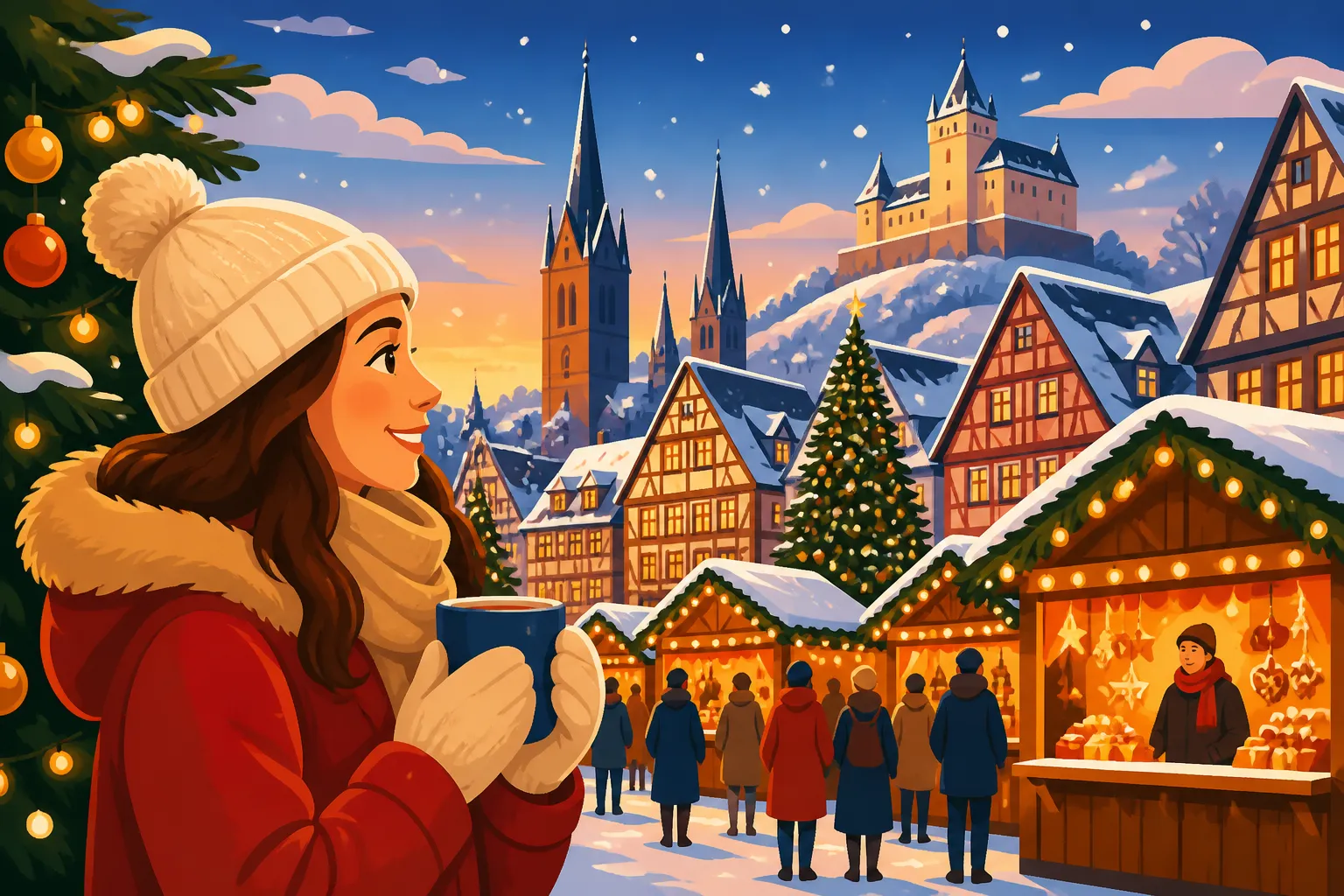
Visiting Germany in Winter: Christmas Markets and Snow
Oh, the German winter! For many expats, it conjures images of endless grey skies and the biting cold, but for those who embrace it, it's truly a magical time, particularly thanks to the iconic Christmas markets and the chance to experience a proper snowy wonderland. This guide is here to walk you through navigating Germany during the colder months, highlighting the joys and the practicalities, so you can make the most of your frosty adventure, whether you're a first-timer or a seasoned expat looking for new ways to appreciate the season.
Disclosure: This post may contain affiliate links. We may earn a commission at no extra cost to you if you make a purchase through these links. Read full disclosure.
The Magic of German Christmas Markets (Weihnachtsmärkte)
There's a reason why Germany's Christmas markets are world-famous. They truly transform towns and cities into something out of a fairy tale, creating a warmth and glow that cuts through the winter chill. Stepping into a Weihnachtsmarkt is like stepping into a different world, filled with twinkling lights, festive carols, and the irresistible scent of spices and roasted almonds.
A Brief History and Enduring Charm
The tradition of Christmas markets in Germany dates back centuries, with some of the oldest markets, like Dresden's Striezelmarkt, having roots in the 15th century. Originally, these markets served a practical purpose, allowing people to stock up on supplies for the long winter ahead. Over time, they evolved into festive gatherings, offering handcrafted goods, seasonal foods, and a place for communities to come together before the solemnity of Christmas. This rich history is palpable as you wander through the stalls, often feeling like you've stepped back in time. The atmosphere is genuinely unique; it's not just about shopping, but about the experience, the shared joy, and the sense of tradition that pervades every nook and cranny. You'll find yourself drawn into conversations, perhaps even practicing your rudimentary German with a friendly vendor, making the experience all the more authentic.
The enduring charm of these markets lies in their ability to evoke a sense of nostalgia and wonder. Each market, whether in a bustling metropolis like Berlin or a quaint village in the Black Forest, has its own distinct character, often reflecting local traditions and crafts. They offer a welcome respite from the often-complex administrative hurdles of expat life, providing a pure, unadulterated slice of German culture and Gemütlichkeit. Be sure to explore the various offerings, from intricate wooden ornaments to handmade candles, each telling a story of local craftsmanship and heritage. If you're looking to dive deeper into this festive tradition, our guide on Christmas Markets and Festive Germany can offer even more insights.
Must-Try Treats and Drinks at the Markets
No visit to a German Christmas market is complete without indulging in the array of delicious treats and heartwarming drinks. The air itself is thick with enticing aromas, from sizzling sausages to sweet pastries. The undisputed king of the beverages is, of course, Glühwein, a mulled wine spiced with cinnamon, cloves, and orange peel. It comes in various forms – red, white, and even a potent version with a shot of rum or Amaretto, often called Glühwein mit Schuss. The reusable mugs, often adorned with the market's logo, become cherished souvenirs, a tangible memory of your visit. Just remember to return the mug if you want your Pfand (deposit) back! For those who prefer non-alcoholic options, warm apple cider (Apfelwein) or hot chocolate are readily available.
When it comes to food, the choices are equally delightful and often overwhelming. You'll find classic German sausages like Bratwurst and Currywurst, often served in a crispy roll. Sweet tooths will rejoice at the sight of Gebrannte Mandeln (roasted almonds coated in sugar), Lebkuchen (gingerbread hearts), and Waffeln (waffles) with various toppings. Don't forget to try Reibekuchen, which are potato pancakes, often served with applesauce. Each bite is a journey through German culinary tradition, a perfect companion to the festive atmosphere. We delve into more detail about these culinary delights in our article on How German Christmas Markets Work: Food, Drinks, and Gifts and Glühwein and Festive Drinks in Germany, so you can be a true connoisseur.
Finding the Best Markets: Big Cities vs. Charming Towns
Choosing which Christmas markets to visit can be a delightful dilemma, as Germany boasts hundreds, each with its own unique flair. The big cities, naturally, host some of the largest and most famous markets. Munich's Marienplatz market, Cologne's Cathedral market, and Berlin's Gendarmenmarkt (which is ticketed and a bit more upscale) are undeniably impressive, with grand backdrops and a huge variety of stalls. These markets often feature elaborate light displays, ice-skating rinks, and a bustling, vibrant energy that's infectious. They are perfect if you're looking for a lively experience with plenty of options for food, drink, and entertainment.
However, don't overlook the charm of smaller town markets. Places like Rothenburg ob der Tauber, with its medieval setting, or the markets nestled in the quaint villages of the Black Forest, offer a more intimate and traditional experience. These often feel less commercialized, allowing you to connect more deeply with local customs and crafts. The pace is slower, the crowds might be thinner, and the sense of community is often stronger. It's in these smaller markets that you might discover truly unique, handmade treasures and experience a more authentic slice of German winter life. Our guide to Germany's Best Christmas Markets: Where to Go provides a great starting point for planning your festive route, regardless of whether you prefer the grand scale or the cozy intimacy. You might also find unique events and tours through platforms like GetYourGuide, which often curate special Christmas market experiences.
Embracing Germany's Winter Wonderland: Snow and Sports
While Christmas markets might steal the spotlight, Germany truly transforms into a winter wonderland when the snow falls. Beyond the twinkling lights and mulled wine, there's a whole world of outdoor activities to discover, especially if you venture south.
Alpine Escapes: Skiing and Snowboarding in the South
If you're dreaming of snow-capped peaks and crisp mountain air, Southern Germany, particularly Bavaria, is your go-to destination. The Bavarian Alps offer fantastic opportunities for skiing and snowboarding, often at much more accessible prices than their Swiss or Austrian counterparts. Resorts like Garmisch-Partenkirchen, home to Germany's highest mountain, the Zugspitze, provide extensive slopes for all skill levels. You'll find well-maintained pistes, modern lift systems, and plenty of cozy mountain huts (Hütten) where you can warm up with a hearty meal and a hot drink after a day on the slopes.
Even if you're a beginner, many resorts offer ski schools with English-speaking instructors, making it easy to pick up the basics. The scenery alone is worth the trip, with breathtaking panoramic views that make every turn a postcard moment. For those living in major cities, getting there is surprisingly easy thanks to Germany's excellent train network. Planning a weekend getaway to the Alps can be a fantastic way to escape the urban grind and immerse yourself in the natural beauty of Germany's winter landscape. This isn't just for hard-core athletes; many families and casual skiers enjoy the slopes, soaking in the fresh air and stunning views.
Gentler Winter Fun: Sledding, Ice Skating, and Winter Hiking
For those who prefer a less adrenaline-fueled winter experience, Germany offers a plethora of gentler activities. When the snow really hits, sledding (Rodeln) becomes a national pastime, not just for kids but for adults too! Many parks and hills in towns and cities are spontaneously transformed into sledding runs. It's a simple, joyful activity that can bring out the inner child in anyone. You can often buy cheap sleds at local supermarkets or toy stores.
Ice skating is another classic winter activity. Many towns set up temporary outdoor ice rinks, especially during the Christmas market season, offering a festive backdrop for a spin on the ice. Major cities also have indoor rinks that operate throughout the winter. It’s a wonderful way to enjoy the crisp air and get some exercise. If you're a fan of the outdoors but prefer your feet firmly on the ground, winter hiking is incredibly rewarding. Many trails are groomed or suitable for walking even with snow, offering serene landscapes and quiet forests, particularly stunning after a fresh snowfall. Just make sure you dress appropriately with good, waterproof boots! Getting around to these snowy spots can be made easier with transport aggregators like Omio, helping you find trains or buses to smaller, picturesque towns.
Cozy Retreats: Spa and Wellness in the Cold
After a day out in the bracing winter air, there's nothing quite like retreating to a warm and inviting spa. Germany has a fantastic Spa and Sauna Culture in Germany: Wellness for Health and Relaxation, with numerous thermal baths (Thermen) and wellness centers across the country. These havens of relaxation are perfect for unwinding and warming up from the inside out. You'll find a wide range of facilities, from mineral-rich thermal pools to various saunas (often mixed-gender and clothing-optional, a cultural point to be aware of!).
Many spas also offer massage therapies, beauty treatments, and relaxation areas where you can simply read a book or enjoy a warm drink. Places like Therme Erding near Munich, or the various spas along the Rhine, offer an exceptional experience. It's a wonderful way to pamper yourself and combat the winter blues, offering a soothing contrast to the cold outside. Don't be shy about embracing the full German sauna experience; it's a deeply ingrained part of their wellness tradition and an effective way to boost your immune system during the colder months.
Beyond the Glühwein and Snow: Cultural Experiences and Indoor Activities
While Christmas markets and snow are highlights, Germany in winter offers so much more. When the weather outside is truly frightful, there are plenty of indoor activities and cultural experiences to keep you entertained and engaged.
Museums, Castles, and Historical Sites
Germany is a treasure trove of history and culture, and winter provides a perfect opportunity to explore its world-class museums, magnificent castles, and historical sites without the summer crowds. Major cities like Berlin boast an incredible array of museums, including Museum Island, a UNESCO World Heritage site with five renowned museums covering everything from ancient history to art. Munich's Deutsches Museum, one of the oldest and largest science and technology museums in the world, offers hours of fascinating exploration.
Many of Germany's iconic castles, such as Neuschwanstein (the fairy-tale castle that inspired Disney), Hohenzollern, or Heidelberg Castle, are open year-round. Visiting them dusted with snow adds an extra layer of magic and drama. The cooler temperatures mean fewer tourists, allowing for a more serene and contemplative experience as you wander through opulent halls and learn about centuries of history. It's a chance to truly immerse yourself in Germany's rich past, sheltered from the cold. Platforms like GetYourGuide can often help you book tickets in advance, saving you time and hassle, especially for popular attractions.
Theaters, Concerts, and Operas
Winter is prime season for the performing arts in Germany. German cities have a vibrant cultural scene, with numerous theaters, concert halls, and opera houses offering diverse programs. From classical concerts by world-renowned orchestras to contemporary plays, ballets, and grand opera productions, there's something to suit every taste. The Berliner Philharmoniker, the Semperoper in Dresden, and the Bayerische Staatsoper in Munich are just a few examples of institutions that offer exceptional performances.
Attending a performance is not only an enriching cultural experience but also a wonderful way to spend a cozy winter evening indoors. Many venues offer English-language surtitles for opera or provide summaries, making them accessible even if your German isn't fluent. Dress up a little, enjoy a pre-show drink, and let yourself be transported by the artistry. It's a sophisticated way to experience German culture, providing warmth and entertainment when the days are short and dark.
Culinary Delights: Seasonal German Food
Beyond the market stalls, German winter cuisine offers a comforting and hearty experience. This is the season for rich, warming dishes designed to fortify you against the cold. Think roasted goose (Gänsebraten) with red cabbage and potato dumplings (Knödel), a traditional Christmas meal that is both decadent and satisfying. Venison and other game dishes also make frequent appearances on winter menus, often served with rich sauces and seasonal root vegetables.
Soup is a staple in German winter cooking, from creamy potato soups (Kartoffelsuppe) to lentil stews. And, of course, no German meal is complete without a delicious dessert. Look out for baked apples (Bratäpfel) filled with marzipan and raisins, or the ubiquitous Apfelstrudel (apple strudel), often served warm with vanilla sauce or ice cream. Exploring these seasonal dishes is a fantastic way to delve deeper into German Food Culture: Eating and Drinking as a Visitor and appreciate the comfort food traditions that thrive during the colder months. You'll find that these dishes aren't just food; they're a warm hug on a cold day.
Practicalities of Winter Travel in Germany: Staying Warm and Getting Around
Winter travel in Germany, while enchanting, requires a bit more planning than a summer trip. Being prepared for the cold and understanding how to navigate transportation are key to a smooth and enjoyable experience.
Packing Essentials for the German Winter
When packing for winter in Germany, the golden rule is layering. The temperatures can fluctuate, and you'll be moving between heated indoors and the chilly outdoors. Start with good quality thermal base layers (tops and bottoms) made of wool or synthetic materials. Over this, wear a warm sweater or fleece. Your outermost layer should be a waterproof and windproof winter coat that extends at least to your hips, if not longer. A proper winter coat is non-negotiable!
Accessories are crucial: a warm hat that covers your ears, a thick scarf, and waterproof gloves or mittens are essential for staying comfortable, especially when exploring Christmas markets or spending time outdoors. For footwear, invest in waterproof, insulated boots with good grip. You'll be doing a lot of walking, and snowy or icy pavements are common. Wool socks are also a lifesaver. Don't forget lip balm and a rich hand cream to combat dry skin from the cold. Trust me, feeling perpetually cold can quickly dampen the magic of your trip.
Navigating Transport: Trains, Buses, and Driving in Winter Conditions
Germany's public transportation system is generally excellent, even in winter, but conditions can sometimes cause delays. The Deutsche Bahn (DB) train network is extensive, connecting major cities and smaller towns. High-speed trains in Germany (ICE) are usually quite reliable, but heavy snowfall can sometimes lead to reduced speeds or cancellations. It's always a good idea to check the DB Navigator app or website for real-time updates, especially on snowy days. Long-distance buses, like FlixBus, also operate, offering a more budget-friendly option, though they can be more susceptible to road conditions. Our guide on Getting Around Germany: Trains, Buses, Flights, and Car Hire offers more general advice.
If you plan on Renting a Car and Driving on the Autobahn in winter, be aware of the specific regulations. Winter tires (Winterreifen) are legally mandatory in Germany during winter conditions (i.e., black ice, slush, snow, freezing rain). Rental cars will typically come equipped with them during the winter months, but it's always wise to confirm. Driving on snowy or icy roads requires caution and reduced speeds, especially on the unrestricted sections of the Autobahn. Black ice is a particular hazard. In cities, public transport like trams, U-Bahns (subways), and S-Bahns (commuter trains) are usually the most convenient and reliable way to get around, as they are less affected by surface conditions. Our guide on Public Transport Tickets and Passes: Navigating German Transit Systems can help you figure out the best ticket options for your travels.
Accommodation: Cozy Stays and Booking Tips
Finding the right accommodation can significantly enhance your winter trip. During the Christmas market season (late November to December), hotels and guesthouses can fill up quickly, especially in popular market towns, so booking in advance is highly recommended. You'll find a wide range of options, from charming boutique hotels in historic city centers to modern apartments and cozy guesthouses (Pensionen) in smaller towns.
Many accommodations, particularly in tourist-heavy regions, will be well-heated, but it's worth checking reviews to ensure comfort. Look for places close to public transport hubs if you're not driving, as walking long distances in the cold can be less appealing. For a truly authentic experience, consider a traditional guesthouse that might offer a hearty German breakfast. Platforms like Booking.com are excellent for finding a variety of options and reading traveler reviews. Remember that some smaller establishments might not have 24-hour reception, so always communicate your arrival time. Our Accommodation in Germany: Hotels, Pensionen, and Hostels article gives a broader overview of choices.
Planning Your Winter Trip: Best Regions and Itineraries
Germany is a wonderfully diverse country, and each region offers a slightly different flavor of winter magic. Depending on your interests, certain areas might appeal more than others.
Southern Germany: Bavaria's Festive Charm and Alpine Beauty
Bavaria, in Southern Germany, is arguably the most iconic winter destination, especially if you're chasing both festive cheer and snowy landscapes. Munich serves as an excellent base, offering numerous large and small Christmas markets, a vibrant cultural scene, and easy access to the Alps. From Munich, you can take day trips to the aforementioned Garmisch-Partenkirchen for skiing, or visit the breathtaking Neuschwanstein Castle, which looks even more magnificent when dusted with snow.
The smaller towns throughout Bavaria, like Nuremberg (famous for its Christkindlesmarkt) or Augsburg, offer incredibly traditional markets. The region also excels in winter sports, from skiing to cross-country. If you're looking for that quintessential German Christmas card experience, complete with gingerbread houses, decorated trees, and snow-capped chalets, Bavaria won't disappoint. Just remember, it can get very cold, so pack those layers!
Western Germany: Rhine Valley Markets and Urban Delights
The Rhine Valley in Western Germany offers a different, yet equally enchanting, winter experience. Cities like Cologne are renowned for their spectacular Christmas markets, particularly the ones around the stunning Cologne Cathedral. These markets are often bustling, with a fantastic atmosphere and unique themes. You can even take a festive cruise along the Rhine, enjoying the illuminated castles and towns from the warmth of a boat.
Further south along the Rhine, cities like Heidelberg with its historic castle and university town charm, or Frankfurt with its impressive skyline and traditional market, also offer wonderful winter attractions. This region is well-connected by train, making it easy to hop between cities and experience a variety of markets and cultural sites. It's a great option if you prefer a mix of city exploration, historical sites, and river scenery over intense mountain sports.
Eastern Germany: Historic Markets and UNESCO Sites
Eastern Germany, often overlooked by first-time visitors, holds some of the country's oldest and most traditional Christmas markets and offers a rich tapestry of history and culture. Dresden, home to the Striezelmarkt, Germany's oldest Christmas market, is a truly magical destination. The city itself, rebuilt after WWII, boasts stunning Baroque architecture that provides a grand backdrop to the festive stalls. Leipzig, another historic city, also offers a large and well-regarded market.
Beyond the markets, this region is dotted with numerous UNESCO World Heritage sites, many of which are beautiful to visit in winter. The Erzgebirge (Ore Mountains) region, bordering the Czech Republic, is particularly famous for its traditional wooden Christmas decorations. A visit here feels like stepping into an old-world workshop, a fantastic place to buy authentic German souvenirs. This area provides a fascinating glimpse into a different side of Germany's winter traditions, often with fewer international tourists than the more famous Western and Southern regions.
Winter Wellness and Well-being: Coping with the German Cold
Living through a German winter, especially for an expat who might be used to sunnier climes, isn't just about fun and festivities; it's also about maintaining your well-being. The shorter days and colder temperatures can take a toll, but with a few strategies, you can thrive.
Dealing with Shorter Days and Seasonal Affective Disorder
One of the biggest adjustments for many expats in Germany during winter is the drastic reduction in daylight hours. The sun can set as early as 4 PM in December, leading to long, dark evenings. This lack of natural light can contribute to Seasonal Affective Disorder (SAD) or simply a general feeling of low energy and gloom. It's a very real phenomenon, and it's okay to acknowledge it. One way to combat this is to maximize your exposure to natural light whenever possible. Try to take walks during daylight hours, even if it's just a quick stroll during your lunch break.
Investing in a light therapy lamp (often called a SAD lamp) can also be incredibly helpful. These lamps simulate natural sunlight and can significantly boost your mood and energy levels. It's also important to maintain a healthy routine, including regular exercise and a balanced diet. Don't underestimate the power of social connection; make plans with friends, visit those cozy cafes, and stay engaged. Our article on Dealing with Seasonal Affective Disorder: Coping with Dark Winters in Germany offers more in-depth strategies for managing this challenging aspect of the season.
Staying Healthy and Boosting Immunity
The German winter often brings with it the dreaded cold and flu season. With people spending more time indoors and in close proximity, it's easy to pick up bugs. Boosting your immune system is paramount. Ensure you're getting enough vitamin D, which many people are deficient in during winter due to lack of sunlight. Consider supplements, and eat foods rich in vitamins and minerals.
Regular exercise, even if it's just brisk walks or indoor workouts, can significantly improve your immunity. Good hygiene, like frequent handwashing, is also essential. Don't be afraid to take advantage of Germany's excellent pharmacies (Apotheken) for cold and flu remedies, and consult a doctor if you feel unwell. They often have good advice for common winter ailments. Getting enough sleep is also a critical, yet often overlooked, component of staying healthy.
Embracing German Sauna Culture
As mentioned earlier, Germany's sauna culture isn't just about relaxation; it's also a powerful tool for winter wellness and boosting immunity. Regular sauna visits are believed to improve circulation, relieve stress, and help the body detoxify, all of which contribute to a stronger immune system. Many Germans swear by the routine of heating up in the sauna, followed by a cold plunge or shower, and then a period of rest.
While the mixed-gender and clothing-optional aspect might be a culture shock for some, once you overcome initial inhibitions, you'll find it to be a very respectful and health-focused environment. It's a ritual that helps both body and mind cope with the demands of winter. So, if you're struggling with the cold or feeling a bit run down, consider making regular sauna visits a part of your winter routine. It's a truly German way to embrace the season and stay healthy.
German Winter Travel at a Glance
| Aspect | Description | Best For | Considerations |
|---|---|---|---|
| Christmas Markets | Traditional festive markets with food, drinks (Glühwein!), crafts. Operate from late Nov to Dec 23/24. | Festive atmosphere, unique gifts, traditional treats. | Can be crowded, some popular markets are ticketed (e.g., Gendarmenmarkt). Book accommodation early. |
| Snow & Sports | Skiing, snowboarding in Alps; sledding, ice skating, winter hiking across Germany. | Outdoor enthusiasts, families, scenic beauty. | Gear rental costs, weather dependency, mandatory winter tires for driving. |
| Culture | Museums, castles, opera, concerts, theater. | History buffs, art lovers, those seeking indoor activities. | Check opening hours (some sites have reduced winter hours), language barriers for performances without surtitles. |
| Food & Drink | Hearty winter dishes (roast goose, game, thick soups), traditional market treats. | Culinary exploration, warming comfort food. | Restaurants can be busy during market season, some traditional dishes are seasonal specialties. |
| Transportation | Extensive train network (Deutsche Bahn), regional buses, city public transport. Driving requires winter tires. | Efficient travel between cities. | Snow can cause train delays; driving on ice/snow needs caution. Check live updates via DB Navigator or Omio. |
| Wellness | Thermal baths, saunas, wellness centers. | Relaxation, stress relief, immune boosting. | Sauna etiquette (often mixed-gender, clothing-optional), may require booking in advance. |
| Packing | Layers are key: thermal underwear, warm sweater, waterproof/windproof winter coat, hat, scarf, gloves, waterproof insulated boots. | Staying comfortable and warm in freezing temperatures. | Overpacking heavy items, ensuring all outer layers are waterproof. |
| Booking | Book accommodation, flights, and popular tours well in advance, especially for December. | Securing preferred options and better prices. | Limited availability and higher prices during peak season. Consider using Booking.com for diverse options. |
Germany in winter is an experience unlike any other. It’s a season of contrasts – the biting cold outside offset by the warm glow of market lights, the solemnity of Christmas balanced by lively celebrations. It’s a chance to see a different side of the country, one wrapped in frosty beauty and steeped in ancient traditions. So, bundle up, embrace the chill, and get ready to create some truly unforgettable winter memories.
Disclaimer
Please remember that travel information, especially regarding opening hours, specific events, and public transport schedules, can change. Always check official websites and local resources for the most up-to-date details before making plans. This guide is for informational purposes only and does not constitute professional advice.