Live Music and Concerts in Germany: How to Find Events
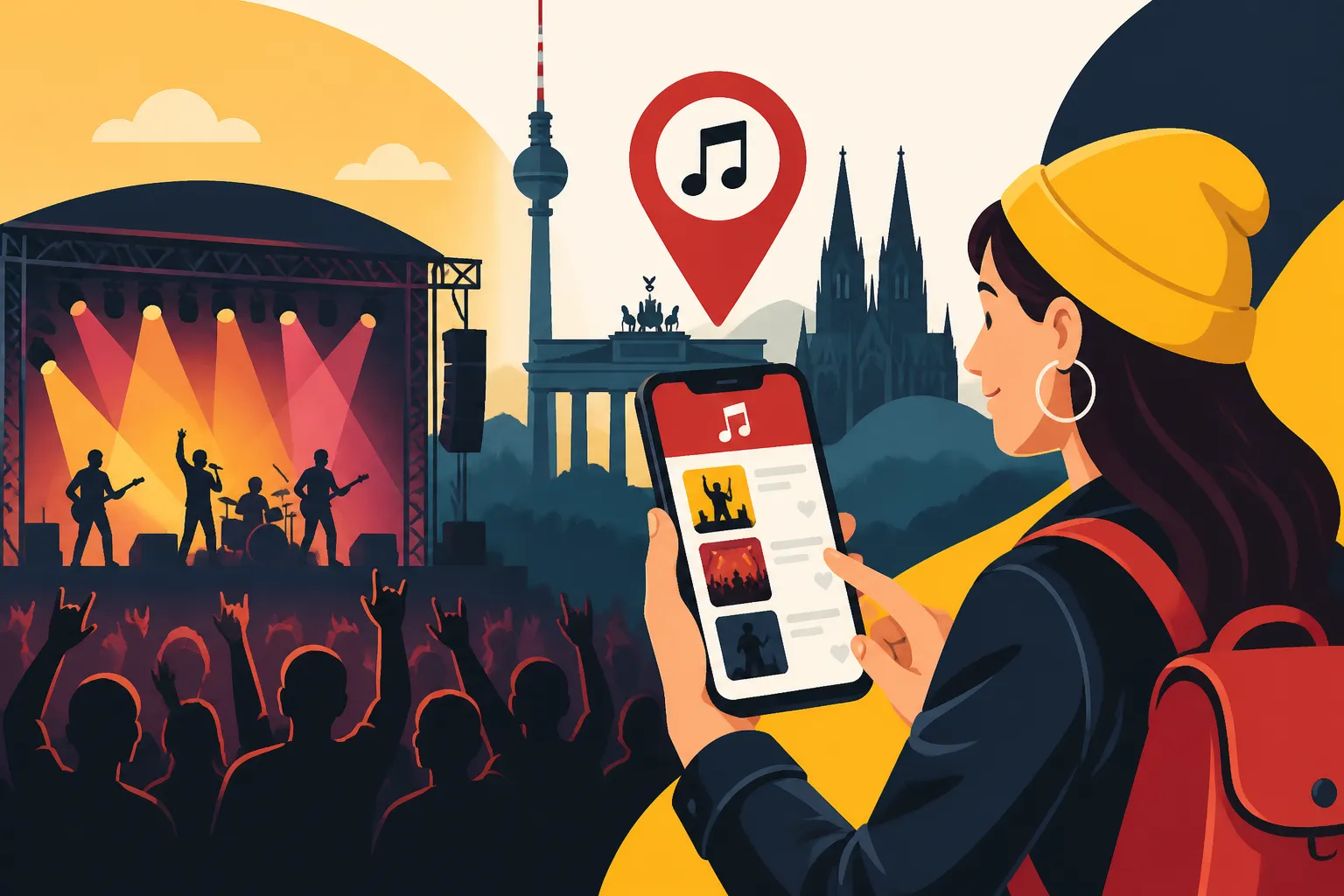
One of the most exciting parts of settling into a new country, or even just visiting, is diving headfirst into its cultural scene. And let me tell you, Germany’s live music and concert scene is a vibrant, sometimes bewildering, beast that offers something for absolutely everyone. But if you’ve just arrived or are planning a trip, finding those hidden gems or even the big-name shows can feel like trying to decipher an ancient scroll, especially with language barriers and a sheer overload of options. This guide is designed to cut through the noise, offering you practical, expat-friendly advice on how to uncover the incredible world of live music and concerts right here in Germany, from intimate club gigs to massive stadium shows and multi-day festivals.
The Pulse of German Music: A Diverse Landscape
Germany isn't just about Lederhosen and oompah bands, though you can certainly find those too! It boasts a dynamic and incredibly diverse music scene that spans every genre imaginable, often with a unique German twist. From the gritty techno clubs of Berlin to the classical grandeur of Munich, and the indie rock venues of Hamburg, there’s a distinct musical identity in every corner of the country. For us expats, understanding this landscape is the first step to truly enjoying what's on offer.
Disclosure: This post may contain affiliate links. We may earn a commission at no extra cost to you if you make a purchase through these links. Read full disclosure.
Major Cities, Major Sounds
When it comes to live music, Germany's major cities are truly the epicenters, each with its own distinct flavor and a concentration of venues that cater to various tastes. Berlin, for instance, is world-renowned for its electronic music scene, with legendary clubs like Berghain and Watergate drawing international crowds. But beyond the techno beats, Berlin also offers a fantastic array of indie, rock, jazz, and classical performances, from the colossal Mercedes-Benz Arena hosting global superstars to intimate jazz cellars in Kreuzberg. It's a city where you can easily find anything from a spontaneous street performance to a meticulously choreographed opera. If you're pondering where to live in Germany, Berlin often tops the list for those seeking a dynamic cultural calendar.
Hamburg, with its rich maritime history, has a grittier, rock-and-roll edge, famously being an early stomping ground for The Beatles. The Reeperbahn district in St. Pauli is still a hotspot for live music, packed with smaller clubs and bars, but you'll also find bigger venues like the Elbphilharmonie offering world-class classical concerts with breathtaking acoustics. Munich, on the other hand, leans into its more traditional Bavarian roots while still embracing modern music. You'll find a strong emphasis on classical music, with institutions like the Bavarian State Opera and the Philharmonie im Gasteig. However, Munich also has a thriving indie and rock scene, particularly around districts like Glockenbachviertel, and larger venues like the Olympiahalle frequently host major international touring acts.
Cologne is famous for its vibrant carnival culture, which translates into a lively, open-minded approach to music. The city has a strong jazz and blues scene, with many cozy venues, but also hosts numerous rock and pop concerts at its larger arenas like the Lanxess Arena. Frankfurt, often seen as Germany's financial hub, might surprise you with its diverse offerings. While perhaps not as bohemian as Berlin, it has a solid reputation for jazz, electronic music, and a growing indie scene, plus a range of venues from intimate clubs to the Festhalle Frankfurt, which attracts major concert tours. Each of these urban centers provides a concentrated hub for both local talent and international artists, making them prime destinations for music lovers.
Beyond the Big Names: Local and Niche Scenes
While the major cities grab most of the headlines, the heart of Germany's music scene also beats strongly in its smaller towns, regional venues, and dedicated niche communities. Don't make the mistake of thinking all the action is in Berlin or Munich; sometimes the most authentic and memorable experiences are found off the beaten path. Take Leipzig, for example, a city with a burgeoning arts scene that is becoming a significant player for indie, alternative, and electronic music. Its smaller clubs and repurposed industrial spaces offer a unique atmosphere that can rival the larger metropolises.
Regional festivals, often focused on specific genres, are another fantastic way to tap into Germany's diverse musical offerings. From small, family-friendly folk festivals in picturesque villages to dedicated metal gatherings in rural areas, these events are deeply embedded in local culture and provide an immersive experience. For instance, the Wave-Gotik-Treffen in Leipzig brings together fans of gothic and dark alternative music from around the world, transforming the entire city for a weekend. Beyond specific events, many smaller towns have local Kulturzentren (cultural centers) that host a wide variety of performances, from local bands to touring theatre productions. These centers are often funded by local governments and serve as crucial cultural anchors, providing a platform for emerging artists and community events.
Jazz, classical, folk, and even traditional German "Schlager" music (a popular, often sentimental genre) have dedicated followings and venues across the country. Jazz clubs, often tucked away in basements or back alleys, offer intimate settings for improvisational brilliance. Churches across Germany frequently host classical concerts, offering incredible acoustics and a unique ambiance. Even if you're not fluent in German, the universal language of music makes these experiences incredibly accessible. It’s worth checking out local tourist information centers or community boards for listings of these smaller, often more authentic, events.
Your Go-To for Finding Concerts: Online Resources
In this digital age, the internet is undeniably your best friend when it comes to navigating Germany’s sprawling live music landscape. While it might seem obvious, knowing which online resources to trust and how to effectively use them can save you a lot of time and ensure you don't miss out on incredible shows.
Dedicated Music and Event Portals
For the biggest acts and most popular events, dedicated German music and event portals are your primary weapons. Sites like Eventim.de are absolute behemoths in the German ticketing world, often handling ticket sales for everything from international pop stars filling stadiums to mid-sized club gigs. When you're on Eventim, you can filter by city, genre, date, and even specific venues. Don't be intimidated by the German interface; most modern browsers offer translation features, and the navigation is usually quite intuitive once you get the hang of it. You'll often find detailed seating plans, pricing tiers, and even links to artist information, making it a comprehensive one-stop shop for popular concert tickets.
Other significant players include Reservix.de and Ticketmaster.de. Reservix tends to have a slightly broader range of events, sometimes including smaller, more local productions or regional theatre, beyond just major concerts. Ticketmaster, being an international brand, often has a more expat-friendly interface and handles many of the larger international tours coming through Germany. When using these sites, pay close attention to the "Vorverkauf" (pre-sale) dates, as popular concerts often sell out quickly. It's a bit like a digital race for tickets, so being prepared with an account and payment method can make all the difference. Always double-check the venue and date, and be aware of different ticket types – for example, "Stehplatz" (standing room) versus "Sitzplatz" (seated).
Venue Websites and Social Media
While the big ticketing portals are great for discovery, don't underestimate the power of going directly to the source. Many independent clubs, smaller venues, and even larger concert halls maintain their own websites with up-to-date calendars, artist information, and direct ticket links. For instance, if you're into jazz, finding a renowned jazz club in your city and bookmarking its event calendar is a brilliant strategy. These direct venue sites sometimes offer tickets for local acts that might not make it onto the larger portals, or they might have pre-sale opportunities directly through their own channels.
Social media platforms, especially Facebook and Instagram, are also invaluable tools for real-time discovery. Many venues, local bands, and event promoters actively use these platforms to announce shows, share last-minute updates, and promote ticket sales. Following your favorite venues, local music publications, and even specific artists can keep you in the loop. For more spontaneous gigs or open mic nights, checking local Facebook groups for expats or community pages can reveal events that are less formally advertised. It's a fantastic way to discover the underground scene and connect with like-minded music lovers, perhaps even finding an English-speaking band playing locally.
International and Aggregator Platforms
Beyond the German-specific sites, there are several international platforms and travel aggregators that can be incredibly useful, especially if you're planning a trip around a specific concert or looking for a more curated experience. For example, GetYourGuide often lists cultural events, including concerts, especially those that might be part of a larger tour package or offer unique experiences like classical concerts in historic settings. While not solely focused on music, it's worth checking if you're looking for something beyond a standard concert ticket, such as a dinner and show combination.
When planning to travel to another city for a concert, services like Omio can be incredibly helpful for sorting out your transport. You might find a fantastic band playing in Hamburg, but you're based in Munich. Omio allows you to compare and book train, bus, and even flight tickets across Germany and Europe, making the logistics of attending concerts in different cities much simpler. This integrated approach to travel can remove a significant hurdle for expats wanting to explore Germany’s diverse music scene beyond their immediate surroundings. Similarly, if you plan to make a night of it and stay over, Booking.com is your obvious choice for finding accommodation near the venue. It’s not just for international trips; many expats use it for domestic travel to ensure they have a comfortable place to crash after a late-night gig. Using these platforms together allows for a seamless planning experience, from the moment you discover a concert to finding your way there and back, and securing a place to rest your head. For more on getting around, check out our guide on Getting Around Germany: Trains, Buses, Flights, and Car Hire.
The Tangible Touch: Local Discovery Methods
Even in the age of algorithms and digital feeds, there's still a certain magic in discovering a concert through traditional, local methods. These can often lead you to smaller, more authentic gigs that might not be heavily advertised online, giving you a taste of the truly local scene.
Posters, Flyers, and Local Papers
Walk around any German city, especially in the more bohemian or student-heavy districts, and you’ll notice that street art isn’t just for graffiti. Poles, kiosks, and designated advertising pillars are often plastered with colorful posters and flyers announcing upcoming concerts, club nights, and cultural events. This is especially true for indie bands, local DJs, and smaller venues that rely on grassroots marketing. Take a moment to pause and scan these boards; you might stumble upon a gem. Look for specific venue names you recognize or genres that pique your interest. While deciphering everything might require a quick translation app, the visual cues often speak volumes. Cafés, bars, and record stores also frequently have bulletin boards filled with flyers, acting as miniature cultural hubs where you can grab a coffee and browse local listings.
Beyond street advertising, local newspapers and city magazines (often called "Stadtmagazine") remain a surprisingly effective way to find out what’s happening in your area. These publications, usually available at newsstands, kiosks, or even free in some cafés and cultural institutions, often have dedicated sections for event listings. They can cover everything from major concerts to small gallery openings, readings, and local band performances. The language might be a hurdle, but the format is usually consistent, allowing you to quickly spot dates, times, venues, and genres. These local papers are particularly good for discovering classical concerts, folk events, or community-led initiatives that might not have the budget for widespread online promotion. It’s a bit old-school, but tapping into these resources can connect you directly with the pulse of the local cultural scene, revealing events that resonate deeply with the community.
Community and Expat Networks
One of the best ways to get insider tips on local music events, especially those that cater to a more international crowd or are simply off the mainstream radar, is by engaging with your local expat community. Online forums, Facebook groups specifically for expats in your city, and even in-person meetups (often organized through platforms like Meetup.com) are fantastic resources. People in these groups often share recommendations for English-friendly venues, bands that sing in English, or events where the language barrier won't be an issue. They can provide personal insights into which venues are worth visiting, what the crowd is like, and how to get there using public transport. If you're looking for English-speaking doctors or other services, these networks are goldmines, and the same applies to finding niche cultural events.
Universities also play a massive role in Germany’s cultural fabric, particularly for live music. University campuses and student unions often host concerts, open mic nights, and cultural festivals that are open to the public. Bulletin boards within university buildings or student housing complexes can be filled with information about student bands, indie gigs, and experimental music nights. Moreover, many cultural centers, youth clubs, and even libraries have event schedules that include live music. Engaging with these community spaces not only helps you find events but also provides opportunities to meet people, practice your German, and feel more connected to your new home. Don't be shy; strike up a conversation with someone in an expat group or at a local cafe – you never know what hidden concert gem they might reveal.
Navigating the Ticket Maze and Event Experience
So, you’ve found the perfect concert! Now comes the crucial part: securing your spot and knowing what to expect when you get there. The German ticketing system and concert-going culture have their own peculiarities that are useful for any expat to understand.
Buying Tickets: Tips and Pitfalls
When buying tickets in Germany, the primary method is through official online portals like Eventim or Ticketmaster, or directly via the venue's website. For highly anticipated concerts, it's wise to be online right when tickets go on "Vorverkauf" (pre-sale) or general sale, as they can sell out within minutes. Sign up for newsletters from your favorite venues or ticketing platforms to get notifications. Payment is typically easy, with options like credit card, PayPal, or sometimes "Sofortüberweisung" (instant bank transfer). For more on managing your finances, check out our guide on opening a bank account in Germany.
Be wary of secondary markets. While there are legitimate resale platforms, counterfeit tickets are a risk. If you absolutely must buy from a resale market, try to stick to reputable sites that offer buyer protection. Germany has strict consumer protection laws, but it's still best to be cautious. Often, tickets are issued as "Print@Home" PDFs or mobile tickets, which you can show on your smartphone. Some venues still offer physical tickets, which you might pick up at a "Vorverkaufsstelle" (pre-sale office) or have mailed to you. Always keep your confirmation email handy, as it contains essential information. Also, remember that many concert tickets in Germany double as public transport tickets within a specific zone and timeframe on the day of the event – this is a fantastic perk, so always check the small print!
Concert Etiquette and Practicalities
German concerts, particularly larger ones, operate with a strong sense of order and practicality. Punctuality is generally appreciated, though for rock/pop concerts, main acts often don't start right on time. Doors usually open an hour or two before the first support act. Bag policies can be quite strict, especially after certain security incidents. Large backpacks or oversized bags are often not allowed and may need to be checked into a cloakroom (Garderobe) for a small fee, so try to travel light. For more on German social customs, read our guide on German Culture & Etiquette.
Inside the venue, expect a mostly standing crowd for rock, pop, and electronic gigs, especially in clubs. Designated seating is common for classical concerts, theatre, and some larger arena shows. Audience behavior is generally respectful; people are there for the music. While enthusiasm is welcome, moshing (in appropriate genres) is typically more contained than in some other countries. Smoking inside venues is largely prohibited, but designated smoking areas or outdoor spaces are common. Public transport is usually the easiest way to get to and from venues, especially in bigger cities, so planning your journey using apps like the DB Navigator or local transport apps (like BVG for Berlin or HVV for Hamburg) is highly recommended. Parking can be scarce and expensive, especially around city-center venues. Don't forget to factor in travel time and consider purchasing a Deutschland-Ticket for unlimited regional travel.
Festivals: Germany's Grand Musical Gatherings
Germany really knows how to put on a festival! From colossal rock events that attract hundreds of thousands to intimate electronic music gatherings nestled in forests, the festival scene here is a huge part of the summer calendar and a unique way to experience German culture.
Major Music Festivals by Genre
If you're into rock and metal, you've probably already heard of Rock am Ring and Rock im Park. These twin festivals, held simultaneously at two different locations (Nürburgring and Nuremberg's Zeppelinfeld, respectively), are among Germany's biggest, drawing massive international headliners. For the heavy metal faithful, Wacken Open Air in Schleswig-Holstein is legendary, selling out almost immediately every year. It’s a rite of passage for many metalheads, famous for its unique atmosphere and incredibly dedicated fanbase.
Electronic music lovers are spoiled for choice. Fusion Festival, held at an old airbase in Lärz, is perhaps the most renowned, known for its non-commercial vibe, diverse lineup, and art installations. It's often described as a German Burning Man. Other electronic giants include Melt Festival and Time Warp, each offering distinct experiences. Classical music also has its grand stages, with festivals like the Schleswig-Holstein Musik Festival or the Bayreuth Festival (dedicated to Wagner) drawing discerning audiences from around the globe. These offer a very different, but equally enriching, festival experience. Understanding the nuances of these events can greatly enhance your travel experience; consider delving into German Etiquette and Social Life for Visitors to ensure you’re prepared.
Planning Your Festival Trip
Attending a German music festival often requires a fair bit of planning, especially for the larger, more popular ones. Tickets usually go on sale many months in advance, and some, like Wacken or Fusion, sell out within hours of release. It's crucial to follow the festival's official social media channels and website for release dates. Accommodation for most major festivals involves camping, so investing in good quality camping gear is essential. Many festivals offer different camping options, from basic fields to "comfort camping" with pre-pitched tents. If camping isn't your style, look for nearby hotels or guesthouses on Booking.com, but be prepared for higher prices and limited availability. For a deeper dive into finding suitable lodging, check out our guide on Accommodation in Germany: Hotels, Pensionen, and Hostels.
Travel to festivals is often well-organized. Many offer dedicated shuttle services from nearby train stations, or you can use public transport. Carpooling is also a popular option. Use platforms like Omio to plan your journey to the closest major transport hub. Remember to pack for all kinds of weather – German summers can be unpredictable, with sudden rain showers common. Bring comfortable shoes, sun protection, and a waterproof jacket. Cash is still king at many festival stalls, though card payments are becoming more common. Most importantly, embrace the communal spirit, be open to new experiences, and remember to stay hydrated! Festivals are a fantastic way to immerse yourself in German culture and create unforgettable memories.
Making the Most of Germany's Music Scene
Germany’s music scene is a rich tapestry, constantly evolving and offering something new around every corner. For expats, truly embracing it means being open-minded, prepared, and willing to step a little outside your comfort zone.
Language and Accessibility
The language barrier is a common concern for expats in Germany, but when it comes to music, it's often less of an issue than you might think. Music, after all, is a universal language. Many international artists perform in English, and even German bands often sing in English, especially in rock, pop, and indie genres. For German-language concerts, the experience is still deeply immersive, and you might even pick up some new vocabulary or cultural insights. Most ticketing websites and event descriptions will have English options or are easily translatable using browser plugins. Venue staff, especially in larger cities, often have some English proficiency, and fellow concert-goers are generally helpful if you need assistance. If you’re struggling with day-to-day communication, our guide on German Language and Everyday Communication for Visitors might offer some helpful phrases.
Accessibility for people with disabilities at German venues is generally good, especially in newer or renovated facilities. Most major concert halls and arenas are wheelchair-accessible, offering designated seating areas and accessible restrooms. It's always best to check with the specific venue beforehand or look for accessibility information on their website, as smaller, older clubs might have limitations. Often, you can contact the venue directly for specific assistance or to book accessible tickets. Germany strives for inclusivity, and while progress is ongoing, the music scene is generally welcoming to everyone.
From Local Gigs to International Acts: A Year-Round Journey
What truly makes the German music scene special is its year-round dynamism. It’s not just about summer festivals; every season brings a different array of musical events. Autumn and winter often see a surge in indoor concerts, theatre productions, and classical performances, making them perfect for those cozy evenings out. Spring brings outdoor markets and early-season open-air gigs, hinting at the summer's full bloom. Embracing this seasonal rhythm allows you to experience the full spectrum of German musical life.
Don't limit yourself to just the big names or the genres you already know. Germany is a fantastic place to discover new artists, both local and international, and to explore different musical styles. Venture into a small jazz club, attend a regional folk festival, or even try a classical concert. You might find your new favorite band or an entirely new passion. The constant flow of touring artists, combined with a thriving local scene, ensures there's always something happening. Whether you're planning a trip or have made Germany your home, the live music and concert scene is a vibrant, welcoming, and endlessly entertaining world waiting to be explored. So go on, dive in, and let the music move you!
Popular German Event & Ticketing Websites
| Website Name | Primary Focus | Language Options | Key Features |
|---|---|---|---|
| Eventim.de | Large-scale concerts, festivals, theatre | German (some English sections) | Extensive event listings, seating plans, often official resale options |
| Ticketmaster.de | International artists, major tours, festivals | English & German | User-friendly interface, fan-to-fan resale, often VIP packages |
| Reservix.de | Diverse events, regional shows, theatre, sport | German | Broader regional coverage, sometimes includes smaller local productions |
| RA.co (Resident Advisor) | Electronic music, club nights | English & German | Comprehensive listings for techno, house, club events, artist profiles |
| Songkick.com | Concert tracking, artist alerts | English & German | Follow artists, get alerts for local shows, links to various ticketing sites |
| Bandsintown.com | Concert tracking, artist alerts | English & German | Similar to Songkick, good for tracking specific bands and tour dates |
| Local Stadtmagazine/Newspapers | Local cultural events, smaller gigs, community shows | German | Detailed local listings, often free, great for niche discoveries |
Disclaimer
Please remember that while this guide provides comprehensive information, the live music and concert scene in Germany is dynamic and constantly changing. Event details, ticket availability, venue policies, and festival lineups can vary and are subject to change. Always check official websites and trusted sources for the most up-to-date information before making plans or purchases. This guide is for informational purposes only and does not constitute official advice.