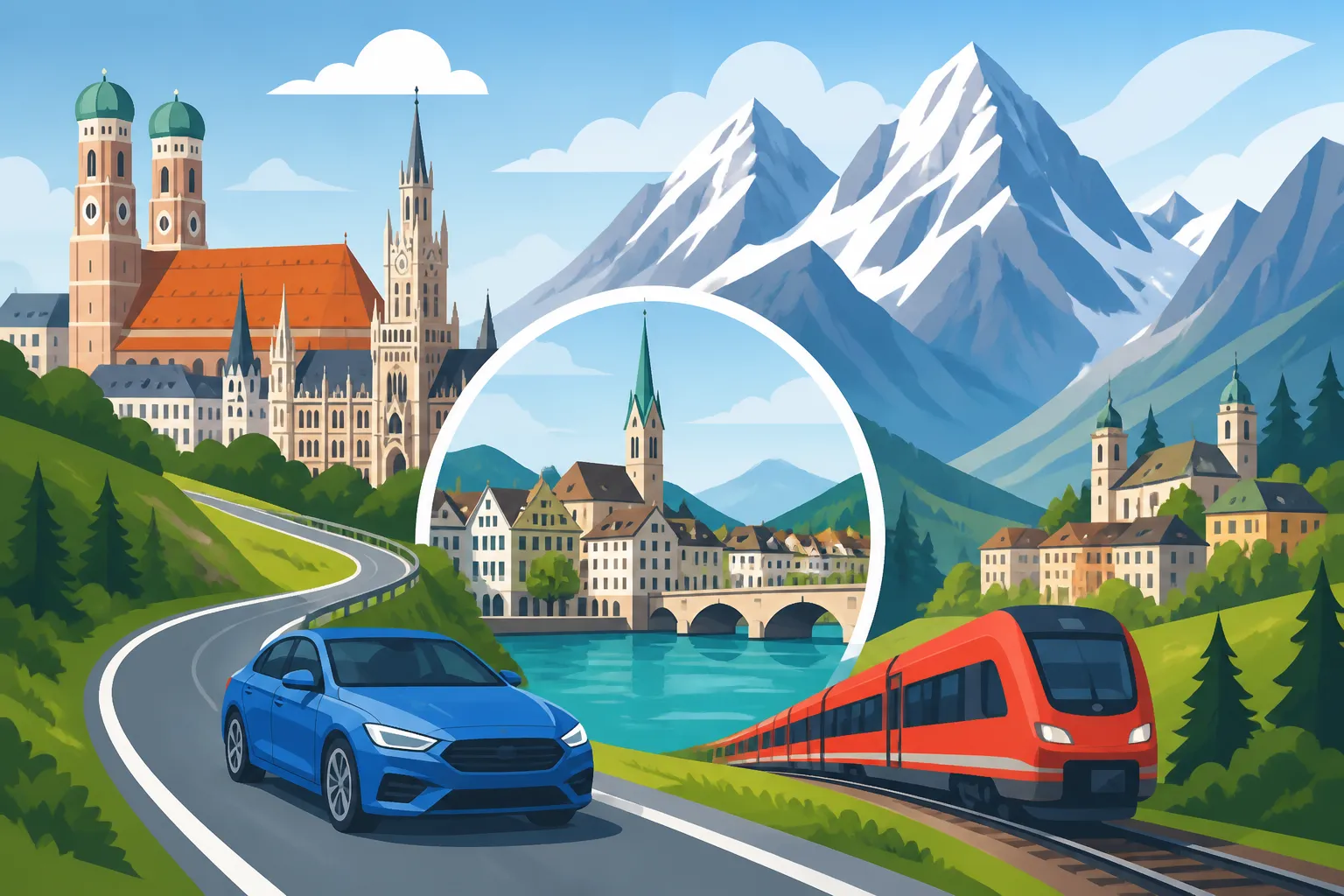
Munich to Zurich and Innsbruck: Alpine Cross-Border Routes
Ah, the siren call of the Alps! Living in Germany, especially down here in Bavaria, it's almost impossible not to dream of those majestic peaks and sparkling lakes just a stone's throw away. But I get it, venturing across borders, even within the Schengen Area, can feel like navigating a whole new layer of German bureaucracy. Different currencies, different train systems, even subtle changes in road rules – it's enough to give anyone a headache. So, if you're standing in Munich, gazing southward and westward, longing for the sophisticated charm of Zurich or the dramatic alpine beauty of Innsbruck, this guide is for you. We're going to cut through the confusion and show you how to make these incredible cross-border journeys effortlessly, especially with a fantastic tool like Omio that simplifies everything.
Disclosure: This post may contain affiliate links. We may earn a commission at no extra cost to you if you make a purchase through these links. Read full disclosure.
Why Embark on These Alpine Journeys from Munich?
Munich is a fantastic city, truly. But sometimes, even the most beloved home base inspires a craving for new horizons, especially when those horizons are as stunning as the Swiss Alps or the Tyrolean heartland. The beauty of Germany's central location is that it puts you right on the doorstep of so many diverse European experiences. Think of these journeys not just as trips, but as extensions of your expat adventure, offering a fresh perspective on European culture and landscapes without venturing too far.
The Allure of Zurich: Finance, Culture, and Lakeside Charm
Zurich, Switzerland’s largest city, is often associated with banking and pristine efficiency, and while that's certainly a part of its identity, it's so much more. This city, nestled at the northern tip of Lake Zurich, offers a vibrant cultural scene, a charming Old Town (Altstadt), and breathtaking natural beauty. Imagine strolling along the Limmat River, taking a dip in the crystal-clear lake during summer, or exploring world-class museums and art galleries like the Kunsthaus Zürich. For us expats, it's a taste of a slightly different Germanic culture, often feeling a bit more polished and precise, yet incredibly welcoming. The food scene is also fantastic, from traditional Swiss fondue to cutting-edge international cuisine. It's a city that effortlessly blends urban sophistication with a serene natural backdrop, making it an ideal weekend escape from Munich.
Innsbruck's Majestic Draw: Alpine City Meets Imperial History
Now, if Zurich is about sophisticated lakeside charm, Innsbruck is its rugged, majestic cousin. Tucked away in the heart of the Austrian Tyrol, it’s a city where you can literally feel the mountains looming over you. It's not just a ski resort town – though the skiing is incredible! Innsbruck offers a unique blend of imperial grandeur, thanks to its Habsburg history, and a youthful, sporty vibe. You can visit the Golden Roof (Goldenes Dachl), explore the Hofburg Imperial Palace, or simply get lost in the colorful Old Town with its narrow streets and medieval buildings. Then, within minutes, you can take a cable car up the Nordkette mountain range for panoramic views that will absolutely steal your breath away. It’s an adventure waiting to happen, whether you're into hiking, winter sports, or just soaking in the alpine atmosphere with a strong coffee and a slice of Apfelstrudel. The close proximity makes it an easy day trip or a cozy weekend getaway, offering a completely different flavor of European escape.
Navigating the Munich to Zurich Route: Your Best Travel Options
Okay, let's get down to the nitty-gritty of actually getting there. The journey from Munich to Zurich is a well-trodden path, and thankfully, there are excellent options available, whether you prioritize speed, budget, or scenic views. Many travelers find that using a platform like Omio really streamlines the decision-making process, as it lets you compare different modes of transport side-by-side.
By Train: The Scenic and Stress-Free Choice
For many, the train is the quintessential European travel experience, and the Munich to Zurich route certainly lives up to that reputation. Deutsche Bahn (DB) and Swiss Federal Railways (SBB) operate frequent, comfortable connections that whisk you across the border in reasonable time.
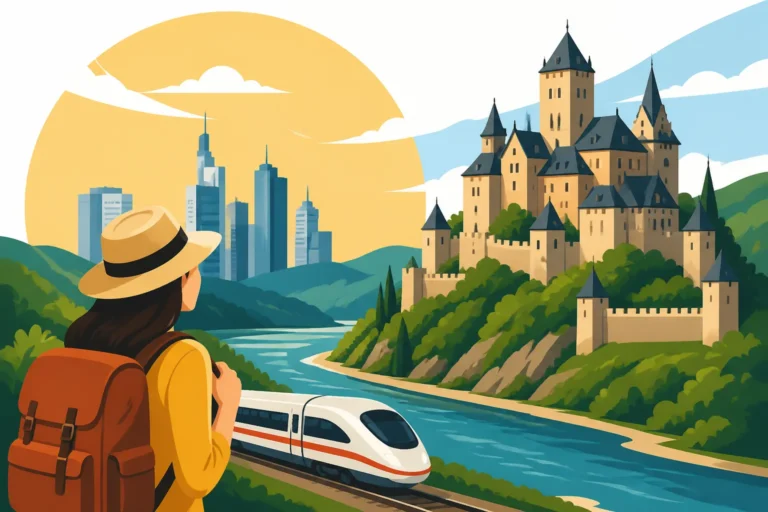
Typically, you'll find direct Eurocity (EC) trains connecting the two cities, making the journey incredibly convenient. These trains usually take around 4 to 4.5 hours. What I love about this route is the scenery, especially as you approach Switzerland. You'll see the landscape gradually transform, hinting at the alpine wonders ahead. You can sit back, relax, read a book, or just watch the world go by. There's no stress about traffic, parking, or navigating unfamiliar roads.
The direct EC trains from Munich Hbf to Zurich HB (Hauptbahnhof) are quite comfortable, offering both 1st and 2nd class seating, and often a dining car or bistro. This means you can grab a coffee or a meal as you travel, adding to the relaxed vibe. While tickets can sometimes be a bit pricier than buses, especially if booked last minute, early booking often yields significant savings. Websites like Omio are brilliant for this, as they allow you to easily compare prices across different times and even providers, ensuring you find the best deal. For those who want to really delve into the German rail network, understanding how to buy Deutsche Bahn tickets and save money can be a game-changer. Remember, the journey itself becomes part of the adventure.
By Bus: The Budget-Friendly Adventure
If you're keeping a keen eye on your budget, traveling by long-distance bus is often your most economical option from Munich to Zurich. Companies like FlixBus offer regular services that are surprisingly comfortable for the price.
Bus journeys generally take a bit longer than trains, typically ranging from 4.5 to 6 hours, depending on traffic and the number of stops. While you won't have quite the same legroom or amenities as a train, modern long-distance buses usually offer Wi-Fi, power outlets, and reclining seats, making the journey perfectly tolerable. I’ve taken my fair share of FlixBus trips, and while they can have their quirks (like occasional delays), they’re undeniably a fantastic way to save a few euros.
The bus stations in both cities are usually well-connected to public transport, making your onward journey easy. In Munich, the main bus station (ZOB) is a short walk from the central train station, and in Zurich, buses often arrive at the main train station (Busparkplatz Sihlquai) or nearby. It's a no-frills, get-you-there option that's particularly popular with students and savvy travelers. Again, Omio is a great tool for comparing these long-distance buses in Germany, showing you all the available options and allowing you to book directly. Just be aware that border checks, though usually swift within the Schengen area, can add a slight, unpredictable delay – always have your ID ready!
By Car: Flexibility for the Independent Traveler
For those who crave complete freedom and the ability to explore at their own pace, driving from Munich to Zurich is a fantastic option. The drive itself is beautiful, taking you through parts of southern Germany and then into the rolling hills of Switzerland.
The direct route is approximately 310 kilometers and takes around 3.5 to 4 hours of driving time, without stops. You'll primarily be on well-maintained Autobahns and Swiss highways. The major benefit of driving is the flexibility to stop whenever and wherever you want. Fancy a detour through Liechtenstein? Or a quick dip in Lake Constance (Bodensee) on the way? You can! This level of autonomy is invaluable for those who love to wander off the beaten path.
However, there are a few things to consider. In Switzerland, you need a "vignette" (a road tax sticker) to drive on their highways, which costs 40 Swiss Francs for a year and must be purchased before or at the border. You also need to factor in fuel costs, potential parking fees in Zurich (which can be quite high), and the environmental considerations. If you're planning on renting a car, Omio can sometimes integrate car rental options too, though its primary strength is public transport comparison. Remember to check your rental car company's policy on cross-border travel and always ensure your travel insurance for trips to and within Germany covers driving abroad. For more on navigating the German roads, check out our guide on renting a car and driving on the Autobahn.
| Travel Option | Estimated Time | Estimated Cost (One-Way) | Key Benefits | Considerations |
|---|---|---|---|---|
| Train | 4 – 4.5 hours | €40 – €80+ (Flex Price) | Comfortable, scenic, direct | Can be expensive last minute |
| Bus | 4.5 – 6 hours | €20 – €40 | Most budget-friendly | Longer journey, less comfort |
| Car | 3.5 – 4 hours | Fuel + Vignette (CHF 40 for CH) + Parking | Maximum flexibility, scenic detours | Vignette required, parking costly, fuel costs |
Note: Costs are approximate and can vary wildly based on booking time, demand, and specific routes.
Conquering the Munich to Innsbruck Route: Peaks and Palaces Made Easy
Moving on to Innsbruck, the journey from Munich is even shorter and, dare I say, even more dramatically scenic. You're heading directly into the heart of the Alps, and every travel option offers glimpses of stunning mountain vistas. This route is a favorite for quick getaways.
Rail Connections: Direct and Delightful
The train journey from Munich to Innsbruck is truly spectacular. It's one of those routes where you'll want to keep your camera ready. Austrian Federal Railways (ÖBB) and Deutsche Bahn (DB) collaborate to provide excellent connections, with direct Eurocity (EC) trains being the most common.
The trip usually takes around 1 hour 45 minutes to 2 hours, making it incredibly convenient for a day trip or a short weekend escape. As the train snakes its way through the Bavarian and then Tyrolean Alps, you'll be treated to views of charming villages, verdant valleys, and, of course, the ever-present towering mountains. It’s hard to beat the comfort and ease of rail travel here.
Like the Zurich route, early booking with Omio or directly through the train operators can save you a pretty penny. Flexible tickets tend to be more expensive, so if your dates are set, snap up those Sparpreis (saver) tickets as soon as they become available. It's a seamless and enjoyable way to travel, allowing you to relax and soak in the majestic landscapes. You can easily find your perfect connection from Munich Hbf to Innsbruck Hbf on Omio, which handles both DB and ÖBB tickets.
Bus Services: Affordable and Convenient
Again, if budget is your primary concern, bus services offer a very viable alternative for the Munich to Innsbruck route. FlixBus is once again the dominant player, providing frequent and affordable trips.
The bus journey generally takes between 2 to 2.5 hours, making it only slightly longer than the train in many cases. The route is direct and straightforward, offering decent views as you head south. Buses depart from the Munich ZOB and arrive at Innsbruck's main bus station (Südtiroler Platz or Innsbruck Terminal), both of which are centrally located and well-connected.
This can be a fantastic option, especially during peak seasons when train tickets might be pricier, or if you simply prefer bus travel. Just like with Zurich, Omio is an excellent resource for comparing prices and booking your bus ticket to Innsbruck. It lets you see all the departure times, compare costs, and pick what works best for your schedule and wallet, taking the guesswork out of your journey planning. Don’t forget to have your valid ID or passport handy for the border crossing into Austria, though physical checks are rare.
Driving Through the Alps: A Breathtaking Experience
Driving from Munich to Innsbruck is a journey in itself, an experience that many travelers rave about. The route takes you directly through the stunning Bavarian and Tyrolean Alps, offering unparalleled scenic beauty.
The drive covers about 160-170 kilometers and typically takes around 1.5 to 2 hours, assuming clear roads and no stops. The journey involves navigating the German Autobahn (A8 and A93) before transitioning to Austrian motorways (A12). What's truly special about this drive is the opportunity to pull over at scenic viewpoints, explore quaint villages like Mittenwald or Garmisch-Partenkirchen along the way, or even take a slight detour through the Brenner Pass region for even more dramatic vistas.
A crucial point for driving in Austria: you also need a "vignette" for Austrian motorways. It's available for 10 days, 2 months, or a year, and can be purchased at gas stations near the border or online. The 10-day vignette typically costs around €10-12. Failure to display one will result in a hefty fine, so don't forget it! Parking in Innsbruck, especially in the Old Town, can be tricky and expensive, so research your accommodation's parking options or look for park-and-ride facilities on the outskirts. Having access to a vehicle offers incredible freedom to explore the regions surrounding Innsbruck, making it a very appealing option for an adventure holiday.
Making Your Cross-Border Travel Smooth with Omio
Now, let's talk about the absolute game-changer for these kinds of cross-border trips: Omio. For anyone who's ever tried to piece together travel plans using multiple national rail or bus operator websites, you know the pain. Different languages, different booking systems, confusing connections. This is exactly where Omio shines and becomes your indispensable travel companion.
The Convenience of a Single Platform
Omio is essentially a one-stop shop for comparing and booking trains, buses, and even flights across Europe. Instead of jumping between Deutsche Bahn, SBB, ÖBB, and FlixBus websites, you simply input your departure and arrival points (Munich to Zurich, or Munich to Innsbruck) and your desired dates. Omio then pulls up all the available options, showing you train times, bus schedules, and estimated travel durations and prices, all in one clear, easy-to-understand interface.
This convenience cannot be overstated. As an expat, you’re already dealing with enough bureaucracy; your leisure travel shouldn’t add to it. Omio takes away the stress of translating pages, understanding foreign payment methods, or worrying if you’ve truly found the best deal. It’s designed to make European travel accessible and straightforward, allowing you to focus on the excitement of your trip rather than the logistics. Whether you’re looking for the fastest train or the cheapest bus, Omio lays out all your choices clearly.
Tips for Booking and Saving Money
Using Omio effectively can also help you save money and make smarter travel decisions. Here are a few tips:
- Book in Advance: This is the golden rule for most European train and bus travel. Prices for train tickets, especially for routes like Munich to Zurich or Innsbruck, tend to increase closer to the departure date. Omio will highlight cheaper "saver" fares if they're available, but they disappear quickly.
- Be Flexible with Dates and Times: If your schedule allows, check prices for different days of the week or even different times within the same day. Traveling mid-week or during off-peak hours can often lead to significant savings. Omio's flexible search feature makes this comparison effortless.
- Consider All Transport Modes: Don't just default to the train. While trains are often fastest, buses are frequently much cheaper, especially for last-minute bookings. Omio presents both options side-by-side, allowing you to make an informed decision based on your priorities.
- Check for Direct vs. Connecting Services: For routes like these, direct services are usually available and preferable. Omio clearly labels direct connections, but also shows connecting routes which might sometimes be cheaper, albeit longer.
- Use the App: The Omio app is incredibly user-friendly. You can book tickets, store them digitally, and even get real-time updates on your journey. It’s perfect for on-the-go planning and ensures you always have your tickets handy, even if you don't have good reception for your mobile phone plan in Germany.
Planning your next alpine adventure from Munich doesn't have to be a headache. With options ranging from scenic train rides to flexible car journeys and budget-friendly buses, there's a travel style for everyone. And by leveraging tools like Omio, you can cut through the complexity, compare your choices, and book your tickets with confidence, leaving you free to dream about Zurich’s tranquil lakefront or Innsbruck’s soaring peaks. So go on, start planning that cross-border escape – the Alps are calling!
Disclaimer
The information provided in this guide is for general informational purposes only and is subject to change. While we strive to provide up-to-date and accurate advice, travel regulations, prices, and services can vary. Always check the latest requirements and schedules with official sources (e.g., train operators, bus companies, governmental immigration sites) before making your travel arrangements. We are not responsible for any changes or inaccuracies.