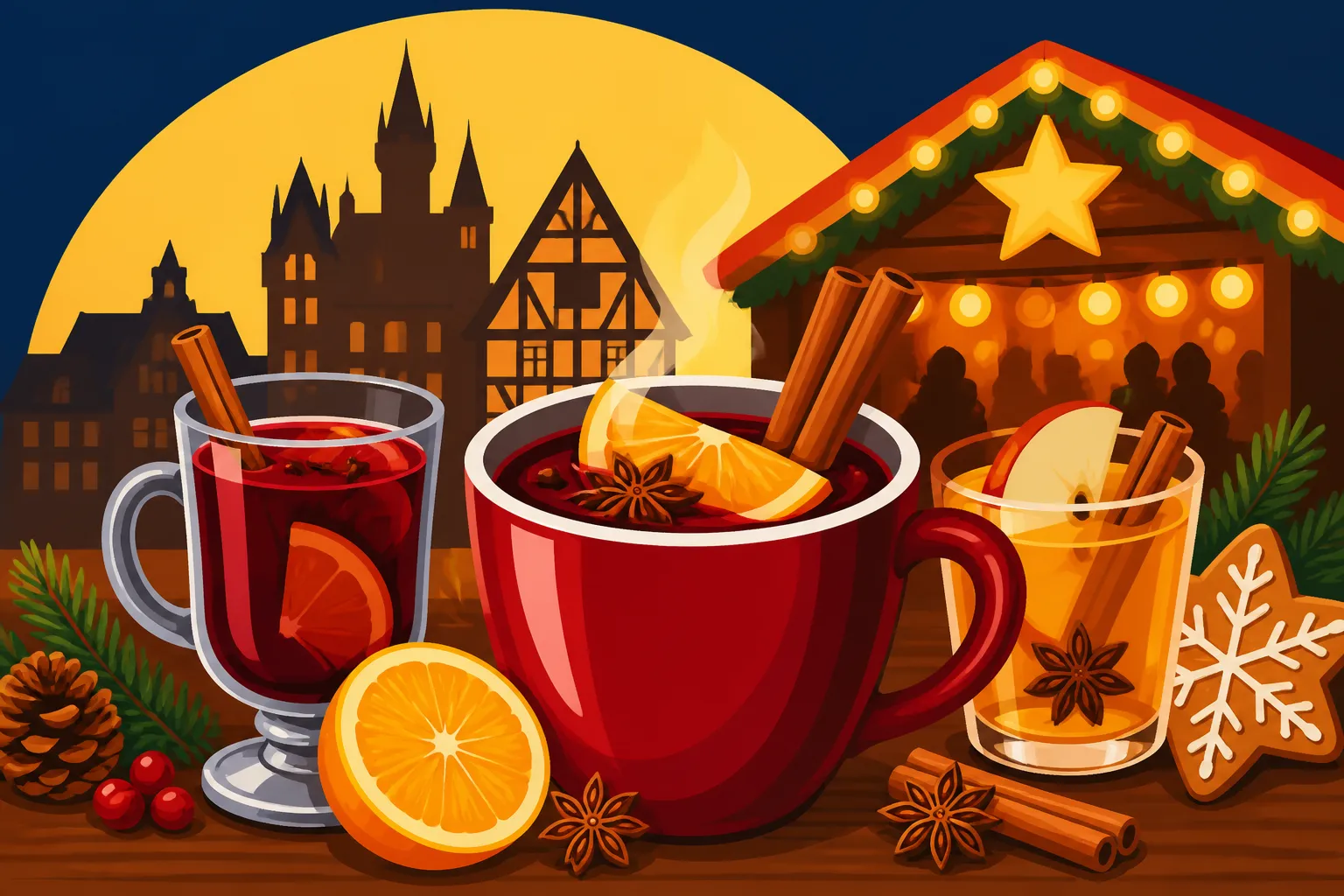
Glühwein and Festive Drinks in Germany
Ah, the crisp, twinkling air of a German winter, laden with the scent of pine, roasted almonds, and something wonderfully, deliciously spiced. If you've ever felt a chill deep in your bones after exploring a charming German city in December, you know the yearning for warmth that sets in. Navigating the festive season, especially its delightful array of warming drinks, can feel a bit overwhelming with so many options, but trust me, understanding these traditional sips is half the fun! This guide is here to demystify the magic in your mug, helping you savor every drop of Germany's festive spirit.
Disclosure: This post may contain affiliate links. We may earn a commission at no extra cost to you if you make a purchase through these links. Read full disclosure.
Glühwein: The Heartbeat of German Christmas Markets
Let's be honest, when you think of German Christmas markets, the first thing that often comes to mind (after the lights and stalls, perhaps) is a steaming mug of Glühwein. It’s more than just a drink; it's an institution, a warming embrace against the winter chill, and an essential part of the German festive experience. Missing out on Glühwein at a Weihnachtsmarkt is like visiting Rome without seeing the Colosseum – you just don't do it!
The Storied Past and Cultural Significance of Spiced Wine
The concept of mulled wine isn't unique to Germany, but Glühwein has carved out its own special place in the country's cultural fabric, especially during the Advent season. The tradition dates back centuries, with spiced wines being consumed by Romans to warm their bodies in colder climates. The earliest known recipe for spiced wine comes from a Roman cookbook in the 4th century. Fast forward to the Middle Ages, and similar drinks were popular across Europe, often believed to have health benefits or simply to make wine more palatable.
In Germany, the specific term "Glühwein" (literally "glow wine," referring to the glowing hot irons used to heat it in earlier times, or perhaps the warmth it brings to your cheeks) became popular much later. The oldest documented proof of Glühwein in Germany dates back to 1420, in a tankard owned by Count John IV of Katzenelnbogen, a German nobleman who was also a significant wine grower. However, the modern iteration, as we know and love it today, truly cemented its place in German holiday tradition in the 20th century, becoming synonymous with the Christmas market experience. It’s a symbol of Gemütlichkeit – that untranslatable German word meaning coziness, warmth, and good cheer – bringing people together in the chilly winter evenings. Whether you're catching up with friends or simply soaking in the atmosphere, a cup of Glühwein is the quintessential companion.
Varieties of Glühwein: A Spectrum of Spiced Delights
While red Glühwein is the most common and iconic, Germany's festive drink scene is far from a one-trick pony. You'll find several delightful variations, each offering a unique twist on the classic.
First, there's the classic red Glühwein, typically made from robust red wines like Dornfelder or Merlot, infused with a blend of spices. These usually include cinnamon sticks, cloves, star anise, orange peel, and a touch of sugar. Every vendor, every family, has their own secret recipe, making each cup a slightly different adventure. One year, I found a stall in the Nuremberg Christmas Market that added a hint of allspice – completely changed the game for me! You might also find variations where a shot of rum or Amaretto is added for an extra kick, turning it into Glühwein mit Schuss. Be warned, these can sneak up on you!
Then we have white Glühwein (Weißer Glühwein). Less common than its red counterpart but equally delicious, this version is made with white wines such as Riesling or Müller-Thurgau. It often features a lighter, more citrusy spice profile, sometimes with lemon, ginger, or vanilla complementing the traditional cinnamon and cloves. It’s wonderfully refreshing, even when hot, and can be a delightful change if you find red Glühwein a bit too heavy. I remember trying a fantastic Weißer Glühwein at a market in Cologne once, made with a local dry Riesling – it was bright and invigorating, perfectly cutting through the rich market food.
For those looking for something truly unique, keep an eye out for Heidelbeer-Glühwein (blueberry Glühwein). This regional specialty, particularly popular in areas like Saxony, uses blueberry wine as its base, creating a darker, fruitier, and intensely flavorful mulled wine. It's often sweeter than traditional red Glühwein and offers a distinct berry aroma. If you ever visit a market in Dresden, definitely seek this out. Another fruit-based option you might stumble upon is Kirsch-Glühwein (cherry Glühwein), which offers a tart, rich flavor that’s also quite delightful. You'll find these unique blends often at smaller, more local markets, or those specializing in regional products. If you're planning a trip to explore different cities and their markets, services like Omio can help you find affordable train tickets, making it easier to discover these regional specialties across Germany.
The Art of Preparation: What Goes Into a Perfect Mug
Creating Glühwein is surprisingly simple at home, though the magic of a roaring market fire adds an irreplaceable ambiance. The basic process involves gently heating, but never boiling, wine with a blend of spices and often some citrus.
The core ingredients for a traditional red Glühwein are:
- Red Wine: Choose a dry, fruity red wine that you enjoy drinking on its own, but nothing too expensive. A decent Dornfelder, Merlot, or even a dry Spätburgunder works beautifully. Avoid overly tannic wines, as heating can accentuate bitterness.
- Spices: Cinnamon sticks, whole cloves, star anise are standard. Some recipes include cardamom pods, a pinch of nutmeg, or even a vanilla bean.
- Citrus: Orange slices or orange peel are crucial for brightness and aroma. Lemon slices can also be added for a tangy lift.
- Sweetener: Sugar is common, but honey or maple syrup can also be used to taste. The amount depends on the wine's sweetness and your personal preference.
The trick is to let the spices infuse slowly. You combine all ingredients in a large pot and heat gently over low to medium heat. The moment small bubbles start to form around the edges, indicating it’s about to boil, reduce the heat to low. Boiling the Glühwein will cook off the alcohol and can also make the spices bitter, so it's a definite no-go! Let it simmer for at least 20-30 minutes, or even longer, to allow the flavors to meld. Some connoisseurs recommend letting it sit for a few hours (or even overnight) before reheating to serve, allowing for maximum infusion. This is particularly true if you are hosting a gathering, as it lets you prepare ahead. For instance, if you’re organizing a small Christmas get-together after a day of exploring local markets, having your Glühwein prepped means less stress and more enjoyment.
Beyond Glühwein: Other Warming Wonders of the Winter Season
While Glühwein holds the crown, it's certainly not the only festive warm drink to grace German winters. The markets and cozy homes offer a delightful range of alternatives, some with a potent kick, others offering alcohol-free comfort.
Eierpunsch: Germany's Creamy Eggnog Equivalent
Imagine a warm, frothy, spiced hug in a mug – that's Eierpunsch. Often described as Germany's answer to eggnog, it's a rich, creamy, and wonderfully indulgent festive drink that’s particularly popular in southern Germany and at many Christmas markets. Unlike traditional cold eggnog, Eierpunsch is served hot, making it perfect for a chilly evening.
It's typically made from egg yolk, sugar, white wine (often a dry white wine like Riesling), vanilla, and sometimes rum or brandy for an extra layer of warmth. The mixture is carefully heated until it thickens into a luxurious, custard-like consistency, then often topped with a generous dollop of whipped cream and a sprinkle of cinnamon or chocolate shavings. The taste is sweet, aromatic, and incredibly comforting, a bit like a dessert you can drink. My first Eierpunsch was at a market in Munich, and it felt like wrapping myself in a velvet blanket. It's truly a decadent treat, definitely one to savor after a long day of Christmas Market Shopping: Crafts and Gifts. Many vendors will make it fresh, so you get that lovely frothy top.
Feuerzangenbowle: The Fiery Spectacle
For those who love a bit of drama with their drink, Feuerzangenbowle (literally "fire tongs punch") is an absolute must-try. This isn't just a drink; it's an experience, a spectacle that captivates audiences at Christmas markets and private festive gatherings alike. If you've never witnessed it, you're in for a treat.
The preparation is part of the charm: a large punch bowl filled with red Glühwein (usually a bit stronger and less sweet) is prepared with spices. A special cone-shaped sugarloaf (Zuckerhut) is then placed on a metal grill (Feuerzange) positioned over the bowl. The sugarloaf is soaked in high-proof rum (often 54% ABV or higher, like Stroh Rum) and then set ablaze. As the sugar caramelizes and melts, it drips slowly into the Glühwein below, infusing it with a unique, smoky sweetness. The blue flames dancing over the bowl create an unforgettable atmosphere, especially in the dark.
Drinking Feuerzangenbowle is about more than just the taste; it’s about the communal experience, the warmth of the fire, and the shared anticipation. You'll find special Feuerzangenbowle events or large communal bowls at many major Christmas markets, like the one in Munich or Berlin. It's a wonderful way to warm up and enjoy a truly traditional German custom. Be careful though, the rum makes it quite potent, so sip slowly and enjoy the show! If you’re looking for unique local experiences, platforms like GetYourGuide might even offer tours that specifically include a Feuerzangenbowle tasting.
Kinderpunsch: A Treat for All Ages
No one should feel left out of the festive drink fun, especially the little ones or those who prefer to abstain from alcohol. That's where Kinderpunsch comes in. This delightful "children's punch" is the non-alcoholic equivalent of Glühwein, offering all the warmth and spice without the alcohol.
Typically made from a mix of fruit juices – often apple, cherry, or orange juice – Kinderpunsch is simmered with similar Glühwein spices like cinnamon, cloves, and star anise, and sometimes fresh fruit slices. It's sweet, fruity, and incredibly aromatic, making it a perfect winter warmer for kids and adults alike. It's also a fantastic option for designated drivers or anyone simply wanting to enjoy the festive flavors without the booze. Most Glühwein stalls at Christmas markets will offer Kinderpunsch, so everyone in your group can enjoy a special festive drink. My kids always look forward to their annual Kinderpunsch at the local Christmas market; it’s become a cherished tradition.
Cold Weather Cheers: Non-Alcoholic and Stronger Options
Germany's winter beverage landscape caters to every palate and preference, ensuring that whether you're seeking a comforting, alcohol-free sip or a robust, spirit-forward concoction, you'll find something to perfectly suit the frosty air.
Comfort Without the Kick: Non-Alcoholic Offerings
Beyond Kinderpunsch, the world of non-alcoholic warm drinks in Germany offers a surprising depth of flavor. These are perfect for those who are driving, don't drink alcohol, or simply want to warm up without the buzz.
Hot Apfelpunsch (Apple Punch) is a ubiquitous and beloved non-alcoholic option. It’s essentially warm apple juice, often spiced with cinnamon, cloves, and a hint of lemon. It's naturally sweet, wonderfully aromatic, and incredibly comforting. You'll find it alongside Glühwein at virtually every Christmas market stall, providing a wholesome and delicious alternative. Sometimes it's even made with sparkling apple juice for a bit of effervescence, though the heat usually flattens the bubbles a bit.
Another classic is a rich, decadent Heiße Schokolade (Hot Chocolate). This isn't just for kids! German hot chocolate, especially at festive markets, can be a truly gourmet experience. Many stalls offer it with a choice of toppings, from generous dollops of whipped cream (Sahne) to sprinkles of cocoa powder or chocolate shavings. Some even offer it mit Schuss (with a shot) of rum or an orange liqueur for the adults, but the basic version is a pure, unadulterated pleasure. Imagine a mug of this after an afternoon of exploring the beautiful Christmas lights – pure bliss.
Additionally, many cafes and even some market stalls will offer a variety of Teas (Tee), from classic black tea to fruit infusions and herbal blends. While perhaps not as "festive" as spiced punch, a piping hot cup of tea is always a reliable choice for warming up. Don't be surprised if your tea comes with a small plate of biscuits or a lump of rock candy (Kluntje) for sweetness, especially if you're in a more traditional tea-drinking region.
Potent Potions: Stronger Alcoholic Beverages
For those who desire a more potent warming effect, German Christmas markets and winter bars don't disappoint. These stronger drinks are often enjoyed in smaller quantities, designed to deliver a significant punch against the cold.
One popular choice is Jagertee (Hunter's Tea). While originating from Austria, Jagertee is widely enjoyed in Germany, particularly in ski resorts and mountainous regions. It's a concoction of black tea, red wine, rum (often Austrian Inländer Rum), and various spices. It's considerably stronger than Glühwein and offers a distinct, robust flavor. It's definitely a drink to be approached with caution and respect due to its high alcohol content, but it's incredibly effective at warding off the cold.
Another spirited option you might encounter is Lumumba. Named after Patrice Lumumba, this drink is a playful, rich combination of hot chocolate spiked with a generous shot of rum or brandy, often topped with whipped cream. It's essentially an adult hot chocolate, providing both warmth from the heat and the alcohol. It’s a popular choice in winter cafes and sometimes at larger Christmas markets. It offers a fantastic alternative to Glühwein if you’re a fan of rich chocolate flavors and a boozy kick.
For those simply looking to enhance their Glühwein, remember the Glühwein mit Schuss option. A shot of rum (Rum), Amaretto, or even a local fruit liqueur can be added to your regular Glühwein for an extra layer of flavor and potency. Just specify "mit Rum" or "mit Amaretto" when ordering. This is a very common way to customize your festive drink experience.
The Christmas Market Experience: Savoring Your Festive Drinks
Part of the joy of Germany's festive drinks is the setting in which they are traditionally enjoyed – the magical Christmas markets. Navigating these bustling hubs of cheer, from finding the perfect mug to understanding local customs, is all part of the adventure.
Finding the Best Markets and Their Unique Offerings
Germany is renowned worldwide for its incredible Christmas markets, or Weihnachtsmärkte. Each city, and often each district within a city, boasts its own unique market, character, and sometimes, its own special Glühwein blend. For example, the Dresden Striezelmarkt is one of the oldest and most famous, offering traditional crafts and, of course, delicious Glühwein. Nuremberg’s Christkindlesmarkt is another iconic choice, known for its festive atmosphere and regional specialties like Heidelbeer-Glühwein. Smaller towns and villages also host incredibly charming markets, often with a more intimate, local feel.
To truly discover the best drinks, don't be afraid to try different stalls at the same market. Many vendors pride themselves on their unique recipes, and you might find a hidden gem. Look for "Winzerglühwein," which indicates Glühwein made directly by a local winegrower, often signaling a higher quality and more authentic taste. Some markets even have themed stalls or specific areas dedicated to certain types of Glühwein or punch. A quick search on Booking.com can help you find accommodation near some of these famed markets, ensuring you're right in the heart of the festive action. Exploring Christmas Markets and Festive Germany is a full experience, and the drinks are a big part of it.
The Pfand System: Return Your Mug, Get Your Deposit Back
One of the first things you'll notice when ordering a festive drink at a German Christmas market is the Pfand system. This is an ingenious and eco-friendly way to manage reusable mugs, and it’s something you absolutely need to understand.
When you order a drink, you'll pay the price of the drink plus a small deposit, usually €2 to €4, for the mug. This deposit is called Pfand. The mugs are often beautifully designed, sometimes specific to that particular market, making them lovely souvenirs if you choose to keep one. However, if you return your empty mug to any stall selling drinks at the same market, you’ll get your Pfand back. This system significantly reduces waste and keeps the markets much cleaner.
So, don't just toss your mug! Always look for the return points, which are usually the same counters where you order your drinks. It's a simple process: hand over your empty mug, and you'll receive your deposit in return. It’s also good manners and part of the efficient German system. If you want to dive deeper into general German customs, reading up on German Etiquette and Social Life for Visitors can be helpful.
Etiquette and Tips for Enjoying Your Drinks
Enjoying festive drinks in Germany is generally a relaxed affair, but a few unwritten rules and tips can enhance your experience.
Ordering: Most vendors understand basic English, especially at larger markets. However, knowing a few German phrases can be helpful. "Ein Glühwein, bitte" (One Glühwein, please) or "Zwei Kinderpunsch, bitte" (Two Kinderpunsch, please) will serve you well. Don't forget your "Danke schön" (Thank you very much) and "Bitte schön" (You're welcome). You can learn more essential phrases for German Language and Everyday Communication for Visitors.
Cash is King: While some larger stalls might accept card payments, many smaller vendors, especially at Christmas markets, prefer or only accept cash. It's always a good idea to carry enough small bills and coins. Understanding Money for Travel in Germany: Cash, Cards, and ATMs is crucial for a smooth market experience.
Warm-Up Stations: Many markets, particularly in colder regions, offer designated indoor or covered seating areas where you can escape the elements and warm up with your drink. These can be a lifesaver on particularly frosty evenings.
Food Pairings: Glühwein and other festive drinks pair wonderfully with classic German Christmas market foods. Think roasted almonds (gebrannte Mandeln), gingerbread (Lebkuchen), or a hearty sausage (Bratwurst). Trying different combinations is part of the fun of German Regional Dishes Every Visitor Should Try.
Transportation: German Christmas markets can get very crowded, especially on weekends and in the evenings. Public transportation is often the best way to reach them. Many cities offer excellent networks of Getting Around German Cities: U-Bahn, S-Bahn, Trams, and Buses, making it easy to hop between markets without worrying about parking or driving after a few glasses of Glühwein.
Bringing the Festive Spirit Home: Crafting Your Own German Drinks
The magic of German festive drinks doesn't have to end when the Christmas markets pack up. Recreating these warming beverages in your own kitchen is a wonderful way to extend the holiday cheer, experiment with flavors, and share a piece of German tradition with friends and family. It’s also incredibly satisfying to make your own from scratch, tailoring the sweetness and spice levels to your exact preference.
Basic Glühwein Recipe: Your Gateway to German Comfort
Making Glühwein at home is surprisingly straightforward, allowing you to fill your home with those irresistible festive aromas. Here’s a simple recipe to get you started:
Ingredients:
- 1 bottle (750ml) dry red wine (e.g., Dornfelder, Merlot, or a dry German Spätburgunder)
- 1 orange, thinly sliced (or just the peel, without the white pith)
- 2-3 cinnamon sticks
- 8-10 whole cloves
- 2-3 star anise pods
- 2-4 tablespoons sugar or honey (adjust to taste)
- (Optional: a few slices of fresh ginger, a couple of cardamom pods, or a splash of rum/brandy at the end)
Instructions:
- Combine the wine, orange slices (or peel), cinnamon sticks, cloves, and star anise in a large, non-reactive pot or saucepan.
- Add 2 tablespoons of sugar or honey. You can always add more later if needed.
- Heat the mixture gently over low to medium heat. The key here is never to let it boil. Boiling will evaporate the alcohol and can make the spices bitter. You want it to be hot, steaming, and just about to bubble around the edges.
- Once it reaches the desired temperature (before boiling), reduce the heat to low, cover the pot, and let it simmer for at least 20-30 minutes. This allows the flavors to truly meld and deepen.
- Taste and adjust the sweetness. If you like it sweeter, add more sugar or honey, stirring until dissolved.
- For best results, let the Glühwein sit for an hour or two (or even overnight in the fridge, then reheat gently) to allow the spices to infuse even more deeply.
- Strain the Glühwein to remove the spices and fruit before serving, or leave some fresh slices and whole spices in the mugs for a more rustic presentation.
- Serve hot in heatproof mugs. If you're adding a Schuss, stir in a shot of rum or brandy just before serving.
Creative Variations and Sourcing Ingredients
Once you've mastered the basic Glühwein, don't hesitate to get creative with variations.
- White Glühwein at Home: Simply swap the red wine for a dry white wine like Riesling or Pinot Grigio. Adjust spices to a lighter profile, perhaps favoring lemon peel over orange, and adding a touch of vanilla or fresh ginger.
- Non-Alcoholic Spiced Punch: For a delicious Kinderpunsch or alcohol-free Glühwein at home, use a base of red grape juice, apple juice, or a cranberry-apple blend. Follow the same spice and heating instructions. This is a wonderful option for family gatherings.
- Boost the Flavor: Experiment with adding a few dried cranberries or cherries to your Glühwein for extra fruitiness, or a splash of cherry juice. A tiny bit of fresh grated ginger can also add a delightful zing.
Sourcing the ingredients is usually quite easy in Germany. Supermarkets like Edeka, Rewe, or even discounters like Aldi and Lidl will carry good, affordable red wines suitable for Glühwein. Spices are readily available in any grocery store or Drogeriemarkt like DM or Rossmann. During the Christmas season, you’ll even find pre-packaged Glühwein spice mixes (Glühweingewürz) which are convenient, though I personally prefer using whole, fresh spices for a more vibrant flavor. Local farmers' markets can also be a great place to find fresh, aromatic oranges and other fruits.
Making your own festive drinks is a lovely way to keep the spirit of the German Christmas markets alive long after the last stall has packed up. It's a taste of tradition, a moment of warmth, and a comforting reminder of your German adventures.
Disclaimer
Please remember that the information provided in this guide is for general informational purposes only and does not constitute professional advice. While we strive to offer accurate and up-to-date content, laws, regulations, and local customs in Germany can change. Always verify information with official sources or consult with relevant experts before making any decisions, especially regarding legal, financial, or health matters. Enjoying alcoholic beverages should always be done responsibly and in moderation.