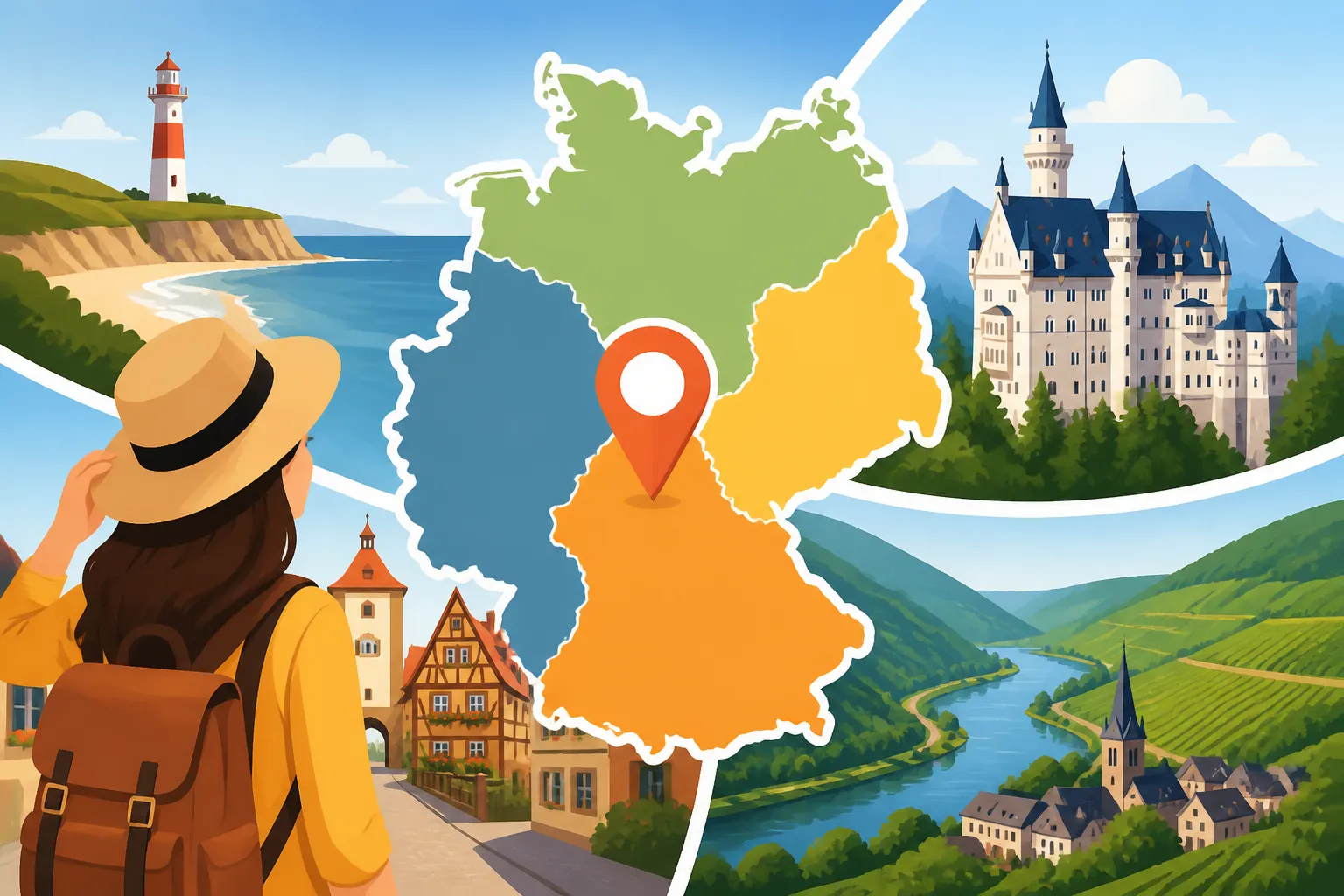
What’s the Best Region in Germany for a First-Time Visitor?
Oh, the age-old question that keeps so many aspiring expats and first-time tourists up at night: "What's the best region in Germany for my first visit?" Believe me, I've been there. You stare at the map, seeing all these incredible names – Bavaria, Berlin, the Rhine – and your head starts to spin. It’s not like picking between two similar cities; Germany is a tapestry of wildly different landscapes, histories, and vibes. This guide is here to untangle that beautiful mess and help you pinpoint the perfect starting point for your German adventure.
Disclosure: This post may contain affiliate links. We may earn a commission at no extra cost to you if you make a purchase through these links. Read full disclosure.
Understanding Germany's Diverse Landscapes and Cultures
Germany isn't a monolith. Far from it! It’s a country that boasts everything from jagged Alpine peaks to serene North Sea islands, from bustling metropolises to sleepy, ancient villages. Each region truly has its own distinct personality, and understanding these differences is key to figuring out where your heart will feel most at home.
Southern Germany: Fairytale Castles and Alpine Wonders
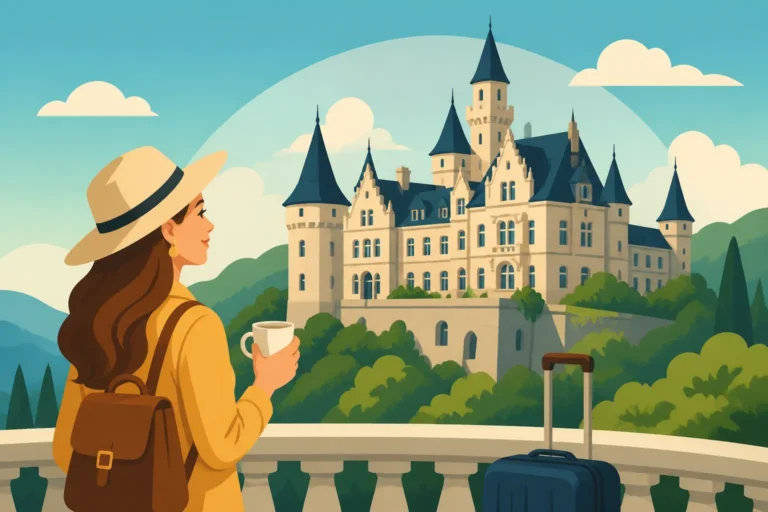
When most people picture "Germany," they're often conjuring images of Bavaria, whether they know it or not. Think majestic castles perched on hillsides, Lederhosen and Dirndl-clad locals, crystal-clear lakes, and the breathtaking Alps. This is Southern Germany, predominantly Bavaria and the neighboring state of Baden-Württemberg, and it's where many of those iconic, postcard-perfect scenes come to life.
Bavaria, the largest state, is truly a world unto itself. Its capital, Munich, offers a blend of grand architecture, world-class museums, and a legendary beer culture that culminates in the famous Oktoberfest. Beyond Munich, you'll find places like Füssen, home to the iconic Neuschwanstein Castle, which truly looks like it leaped out of a Disney movie. Then there's the truly stunning Berchtesgadener Land, tucked away in the German Alps, offering incredible hiking opportunities, the Königssee lake, and historical sites like the Eagle's Nest. If you're someone who dreams of outdoor adventures, dramatic scenery, and a generous dose of traditional charm, Bavaria could very well be your sweet spot.
Baden-Württemberg, to the west of Bavaria, offers its own unique allure, most notably the enchanting Black Forest. This region is famous for its dense evergreen forests, charming villages with half-timbered houses, cuckoo clocks, and delicious Schwarzwälder Kirschtorte (Black Forest cake). Heidelberg, with its romantic castle ruins and historic university, is another gem in this state, perfect for those who appreciate history and picturesque settings. Both Bavaria and Baden-Württemberg tend to be a bit more traditional and conservative compared to other parts of Germany, with a strong emphasis on regional customs and hearty cuisine.
Northern Germany: Coastal Charm and Hanseatic History
Shifting gears entirely, Northern Germany presents a completely different flavor. Here, the landscape flattens out, giving way to windswept coastlines, vast plains, and cities steeped in maritime history. This region, encompassing states like Schleswig-Holstein, Mecklenburg-Vorpommern, and the city-states of Hamburg and Bremen, offers a refreshing change of pace for many visitors.
Hamburg, Germany's second-largest city and a major port, is a vibrant, cosmopolitan hub with a distinct industrial-chic appeal. It boasts more bridges than Amsterdam and Venice combined, a stunning warehouse district (Speicherstadt) that's a UNESCO World Heritage site, and a thriving music and nightlife scene. If you're into modern architecture, bustling city life, and a more laid-back, international vibe, Hamburg is a fantastic choice. The city also serves as a great base for exploring the nearby coastlines.
Further north and east, you'll discover the North Sea and Baltic Sea coasts. Imagine strolling along expansive sandy beaches, breathing in the salty air, and exploring picturesque fishing villages. The islands of Sylt and Rügen offer upscale resorts and dramatic chalk cliffs, while the Wadden Sea National Park, another UNESCO site, provides a unique ecosystem to explore during low tide. This is the place for relaxation, nature walks, and perhaps a bit of sailing. The weather can be a bit more unpredictable than the south, but the charm is undeniable.
Central Germany: Historic Cities and Cultural Riches
Ah, the heart of Germany! This vast central belt offers a diverse array of experiences, from the pulsing energy of the capital to the serene beauty of river valleys, and cities brimming with centuries of history and art. This area includes iconic places like Berlin, the Rhine Valley, and the historical cities of Saxony.
Berlin, of course, is a category unto itself. As the capital, it's a dynamic, edgy, and incredibly diverse city, a living museum of 20th-century history. From the remnants of the Berlin Wall to the Brandenburg Gate, the Reichstag, and countless museums on Museum Island, Berlin is a must for anyone fascinated by history, art, and modern culture. It's a city that constantly reinvents itself, with an unparalleled nightlife, a thriving arts scene, and a laid-back attitude that often surprises first-time visitors. If you crave a city experience that's both educational and exhilarating, Berlin is an absolute contender. You'll find countless resources on Living in Berlin: Expat Guide to Neighborhoods and Lifestyle that can also give you a glimpse into the city's unique fabric.
Then there's the magical Rhine Valley, a UNESCO World Heritage site stretching between Bingen and Koblenz. This region is dotted with over 40 castles and fortresses, vineyards clinging to steep slopes, and charming riverside towns. A leisurely river cruise is perhaps the most iconic way to experience this fairytale landscape. For those who love romantic scenery, wine tasting, and a slower pace of travel, the Rhine and Moselle regions are simply unparalleled. You can learn more about how to explore the beauty of the region from our guide on The Rhine Valley: Castles, Wine, and River Towns.
East of Berlin, in the state of Saxony, you'll find the historically rich cities of Dresden and Leipzig. Dresden, famously rebuilt after WWII, boasts stunning Baroque architecture, including the Frauenkirche and the Zwinger palace. Leipzig is a city of music and trade, with a youthful energy and a vibrant cultural scene. These cities offer a deep dive into German history and culture without the overwhelming scale or tourist crowds of Berlin or Munich.
Factors to Consider When Choosing Your Region
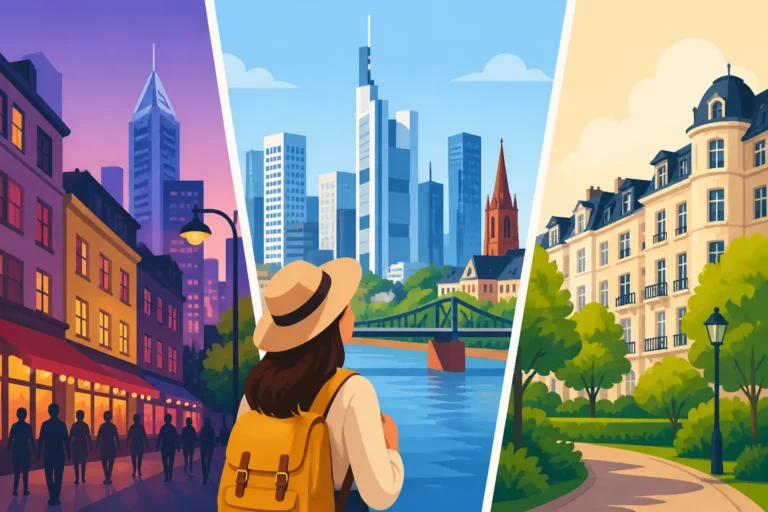
Deciding on the "best" region really boils down to what you want from your trip. There's no one-size-fits-all answer, so let's break down the key factors to weigh.
Interests and Travel Style
Are you a history buff who wants to walk through the annals of time, or an outdoor enthusiast yearning for mountain trails? Your core interests should be your compass.
- For the History Buff: If you live for museums, ancient ruins, and understanding pivotal moments in time, Berlin and the surrounding regions (like Potsdam with its palaces) or even the cities of Dresden and Leipzig are phenomenal. The concentration of historical sites, from the Holocaust Memorial to Charlottenburg Palace, will keep you enthralled for days.
- For the Nature Lover: The German Alps in Bavaria offer incredible hiking, skiing in winter, and stunning lakes. The Black Forest in Baden-Württemberg provides dense forests, charming trails, and tranquil villages. For coastal beauty, the North and Baltic Seas offer unique ecosystems and serene landscapes.
- For the City Explorer: If you thrive on urban energy, diverse dining, shopping, and nightlife, then Berlin, Hamburg, or Munich should be at the top of your list. Each offers a distinct urban character, from Berlin's edgy vibe to Munich's traditional elegance.
- For the Romantic Getaway Seeker: The Rhine and Moselle Valleys, with their castles, vineyards, and scenic cruises, are hard to beat. Quaint towns, wine tastings, and picturesque views create an idyllic backdrop.
- For the Foodie/Beer Enthusiast: Munich is synonymous with beer halls and hearty Bavarian fare. Cologne is known for its Kölsch beer, and the Rhineland boasts its own culinary traditions. Regional specialties are a delight everywhere, but some areas specialize more than others.
- For the Arts & Culture Vulture: Berlin is an undisputed leader with its vibrant arts scene, countless galleries, and theaters. Cities like Dresden and Leipzig offer incredible classical music and opera, while Hamburg has a thriving musical theater scene.
Duration of Your Trip and Budget Considerations
How long do you have, and how much do you want to spend? These practicalities will heavily influence your choice.
- Short Trips (3-5 days): For a quick immersion, focusing on a single major city and its immediate surroundings is usually best. Berlin or Munich would be excellent choices, allowing you to get a taste of Germany without feeling rushed. You can easily use platforms like Omio to compare train and bus options for quick day trips from these hubs.
- Medium Trips (5-10 days): With a bit more time, you could explore one main region in depth, combining a major city with some smaller towns or natural attractions. For example, starting in Munich and exploring Bavarian castles and the Alps, or beginning in Hamburg and venturing to the North Sea coast. You could also easily link Berlin with Dresden or Leipzig using Germany's efficient rail network.
- Longer Trips (10+ days): If you have ample time, you can comfortably combine two or even three distinct regions. Perhaps start in Berlin, then head south to the Rhine Valley, and finish with Bavaria, or mix city exploration with coastal relaxation. However, don't try to cram too much in, as Germany is much larger than it appears on a map, and travel time can eat into your precious vacation.
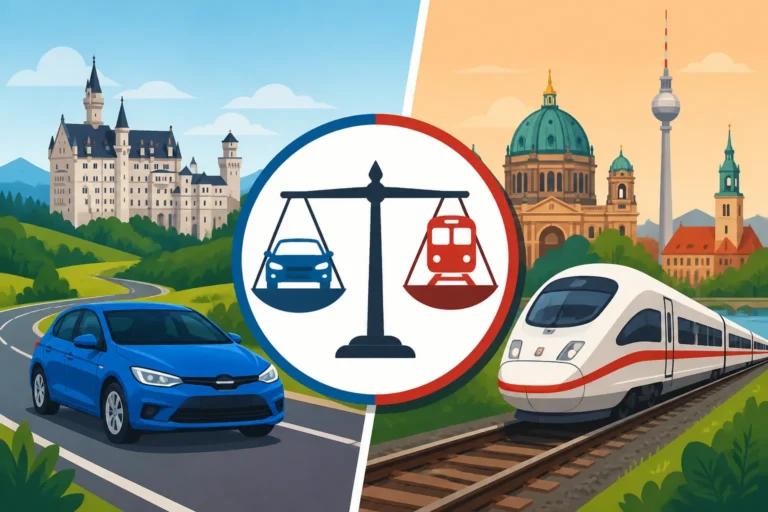
- Budget: Generally, major cities like Munich and Berlin can be pricier for accommodation and dining, especially during peak season or major events like Oktoberfest. Rural areas and smaller towns often offer more budget-friendly options. Transportation costs can add up if you're crisscrossing the country, so consider a Deutschland-Ticket if you plan extensive regional train travel, or look into booking long-distance trains and buses via Omio well in advance. Our guide on the Cost of Living in Germany: Budgeting Guide for Expats can also provide some context on general expenses, even if geared towards residents.
Time of Year and Seasonal Activities
Germany's charm changes dramatically with the seasons, and this is a crucial factor for your first visit.
- Spring (April-May): Mild weather, blooming flowers, and fewer crowds make spring a delightful time for city sightseeing, hiking in lower elevations, and enjoying the awakening landscapes of the Rhine Valley.
- Summer (June-August): The most popular tourist season, offering warm weather, long daylight hours, and a plethora of outdoor festivals. This is ideal for lake activities in Bavaria, beach trips to the North Sea, and all major tourist attractions. Expect larger crowds and higher prices. If you're planning any tours or specific experiences, consider booking ahead with platforms like GetYourGuide to secure your spots.
- Autumn (September-November): Often considered one of the best times to visit. The foliage is stunning, especially in wine regions like the Moselle and Rhine. Oktoberfest takes place in late September/early October, and the weather is generally pleasant for hiking and city exploration.
- Winter (December-March): Germany truly shines in December with its world-famous Christmas markets. Cities like Nuremberg, Dresden, and Cologne transform into winter wonderlands. January and February are ideal for skiing in the Alps, but many tourist attractions might have reduced hours. Prepare for cold weather, but also for a magical, festive atmosphere.
| Region Type | Best For | Ideal Trip Duration | Typical Vibe | Primary Activities |
|---|---|---|---|---|
| Bavaria & Alps | Fairytale lovers, nature enthusiasts, outdoor adventurers, traditionalists | 5-10 days | Picturesque, traditional, majestic | Castle tours, hiking, skiing, beer gardens, lakeside relaxation |
| Berlin & East | History buffs, culture seekers, urban explorers, nightlife aficionados | 3-7 days | Dynamic, edgy, modern, historical | Museum visits, historical tours, vibrant nightlife, art galleries |
| Rhine/Moselle Valley | Romantics, wine lovers, scenic travelers, castle enthusiasts | 4-6 days | Idyllic, charming, serene, historical | River cruises, wine tasting, castle hopping, scenic drives |
| Northern Coast/Hamburg | Maritime enthusiasts, modern city lovers, nature escapes, relaxed trips | 4-7 days | Cosmopolitan, industrial-chic, breezy | Harbor tours, modern architecture, beach walks, fresh seafood |
Recommendations for Specific First-Time Visitor Profiles
To help you narrow it down, let's consider a few common first-timer profiles.
For the Fairytale and Nature Lover: Bavaria
If your mental image of Germany involves sprawling green meadows, towering castles, and the sound of cowbells echoing through alpine valleys, then Bavaria is your undisputed champion. It’s got that quintessential "old-world charm" that many first-time visitors crave.
Start your journey in Munich. Spend a few days soaking in the city's rich history, from Marienplatz with its Glockenspiel to the opulent Residenz palace. Dive into the beer garden culture – it's an experience, not just a drink! From Munich, it’s incredibly easy to take day trips. A must-see is Neuschwanstein Castle, King Ludwig II's fantastical creation near Füssen. The approach to the castle itself, nestled in the mountains, is as breathtaking as the castle itself. You can find many guided tours on GetYourGuide that include transportation, making it a hassle-free day.
For a dose of nature, head further south into the Bavarian Alps. Garmisch-Partenkirchen is a popular base for exploring Germany's highest peak, the Zugspitze, which you can ascend by cogwheel train and cable car for absolutely unparalleled views. The serene Königssee, often called Germany's cleanest lake, near Berchtesgaden, offers tranquil boat rides to a secluded church. Whether you're hiking in summer or skiing in winter, Bavaria delivers on natural beauty and outdoor activity. Booking.com offers a fantastic range of accommodation, from cozy guesthouses in alpine villages to chic hotels in Munich, catering to every budget and style.
For the History and Urban Explorer: Berlin and Surrounding Regions
If you’re drawn to cities that hum with history, diverse cultures, and a pulsating contemporary scene, then Berlin is your spiritual home. It’s a city that has witnessed so much, and you can feel its stories embedded in every street and monument.
Dedicate at least 3-4 full days to Berlin, because there’s just so much to unpack. Start with the iconic landmarks: the Brandenburg Gate, the Reichstag (book your visit well in advance!), and the remnants of the Berlin Wall at the East Side Gallery and the Memorial on Bernauer Strasse. Then, immerse yourself in the world-class museums on Museum Island, covering everything from ancient art to Egyptian treasures. You simply cannot miss a visit to the Jewish Museum or the Topography of Terror to truly grasp Germany's complex past.
Berlin's urban landscape is incredibly varied. Explore the bohemian vibes of Kreuzberg, the chic boutiques of Mitte, or the historic charm of Prenzlauer Berg. The city’s nightlife is legendary, with clubs and bars catering to every taste. For a fantastic day trip, head to Potsdam, just a short train ride away. Here you'll find Sanssouci Palace, Frederick the Great's summer residence, surrounded by stunning gardens. It's a beautiful contrast to Berlin's urban grittiness. Transportation around Berlin is excellent, with a robust U-Bahn and S-Bahn network, making exploration a breeze. For longer journeys, you can check Omio for efficient connections across the region.
For the Romantic and Scenic Journey Seeker: The Rhine and Moselle Valleys
If your ideal trip involves breathtaking scenery, ancient castles, and sipping local wines in charming villages, then set your sights on the Rhine and Moselle Valleys. This region is pure, unadulterated romance, often feeling like a step back in time.
The Upper Middle Rhine Valley, a UNESCO World Heritage site, is particularly captivating. The stretch between Bingen and Koblenz is renowned for its sheer density of medieval castles – over 40 of them! The best way to experience this is often a river cruise, which allows you to sit back, relax, and watch the magnificent scenery glide by. Companies like KD offer various routes. Hop off at charming towns like Bacharach or St. Goar, explore a castle or two (Marksburg Castle is a popular choice as it was never destroyed), and enjoy a meal at a riverside restaurant.
Neighboring the Rhine, the Moselle Valley offers a slightly different, equally enchanting experience. The Moselle river snakes through dramatic, terraced vineyards, creating some of Germany’s most picturesque landscapes. This is prime wine country, especially known for its Riesling. Cochem, with its Reichsburg castle towering over the town, is a fantastic base. Rent a bike and cycle along the river, stopping at small wineries for tastings. The pace here is much slower than in the big cities, inviting you to unwind and savor the moment. Both Booking.com and GetYourGuide can help you find excellent tours and accommodations here, from boutique hotels in historical buildings to rustic guesthouses on vineyards.
No matter which region captures your imagination for your first German adventure, remember to embrace the journey. Germany has an incredible amount to offer, and your first visit is just the beginning of a lifelong love affair with this remarkable country.
Disclaimer
Please note that while this guide offers comprehensive advice based on general information, situations can change, and individual circumstances vary. Always check official government websites, local tourism boards, and current travel advisories for the most up-to-date information before making any travel plans. This content is for informational purposes only and does not constitute professional advice.