What Is the Best Order to See Berlin’s Museums?
Oh, Berlin and its museums! It’s like being a kid in a candy store, but instead of sweets, it's centuries of history, breathtaking art, and mind-boggling science, all spread across a city that’s constantly reinventing itself. The sheer volume can feel incredibly overwhelming, leaving even the most seasoned traveler wondering where on earth to begin. This guide is here to untangle that beautiful, intimidating mess, offering strategies and itineraries to help you navigate Berlin's incredible museum landscape and create a memorable visit tailored to your interests.
Disclosure: This post may contain affiliate links. We may earn a commission at no extra cost to you if you make a purchase through these links. Read full disclosure.
The Grand Challenge: Decoding Berlin’s Museum Labyrinth
When you first look at a map of Berlin's museums, it can feel like a daunting task. There isn't one single "museum district" in the way some cities have. Instead, Berlin's cultural treasures are scattered, reflecting its tumultuous history and vibrant, decentralized character. Trying to see everything is a fool's errand, and honestly, you'd burn out before you even scratched the surface. The key is to approach it with a strategy, understanding that a good museum visit is about quality, not quantity.
More Than Just a Museum Island: Understanding Berlin's Spread
Many visitors immediately think of Museum Island when planning their Berlin museum adventures, and for good reason! It’s a UNESCO World Heritage site and home to five world-renowned museums, truly a crown jewel of the city. Here you'll find the Pergamon Museum (currently under partial renovation, so check ahead!), the Bode Museum, the Neues Museum, the Alte Nationalgalerie, and the Altes Museum. It’s an incredible concentration of classical art, ancient artifacts, and archaeological wonders. However, limiting your visit to just this island would mean missing out on so much of what makes Berlin's museum scene unique.
Just off the island, often considered part of the broader area, is the German Historical Museum (Deutsches Historisches Museum) at the Zeughaus, which offers an expansive journey through German history. Then there’s the Kulturforum, home to the Gemäldegalerie (Old Master Paintings), the New National Gallery (Neue Nationalgalerie), and the Philharmonie, to name a few. And let’s not forget the emotional impact of the Topography of Terror, the chilling yet essential Jewish Museum, the innovative Futurium, or the various East German history museums like the DDR Museum. Each one offers a different lens through which to understand Germany and the world. The challenge isn't finding museums, it's choosing which ones to prioritize given your limited time and boundless curiosity. It's a delightful problem to have, but a problem nonetheless!
Knowing Thyself: Defining Your Museum Personality
Before you even think about opening times or ticket prices, take a moment to reflect on what genuinely excites you. Are you a history buff who revels in ancient civilizations or a modern art enthusiast captivated by contemporary expressions? Perhaps you're traveling with children and need interactive, engaging exhibits, or maybe you're simply looking for one or two profound experiences rather than a whirlwind tour. Berlin has something for every taste, but without a clear idea of your own "museum personality," you risk feeling overwhelmed and potentially disappointed.
Consider your energy levels, too. Some people can spend an entire day immersed in a single museum, soaking in every detail. Others prefer a quicker pace, moving between a few different locations to get a broader taste. There’s no right or wrong way to do it. Are you looking for a quiet, reflective experience, or do you thrive on bustling crowds and popular exhibitions? If you're someone who gets "museum fatigue" quickly, planning shorter visits to fewer institutions will be far more rewarding. Thinking about these factors beforehand will help you curate a truly personalized and enjoyable museum itinerary, rather than just blindly following a list of "must-sees" that might not align with your true interests.
Crafting Your Museum Journey: Thematic and Chronological Approaches
Berlin’s museums lend themselves beautifully to thematic or chronological exploration. Instead of trying to tick off every famous name, consider focusing your days on specific periods, styles, or even geographic regions. This provides a more coherent narrative to your visit and reduces travel time between disparate locations. It also allows for deeper immersion, which, let's be honest, is what museums are really about.
Diving into Antiquity and Art: Museum Island's Core
If your heart yearns for the grandeur of ancient civilizations, classical sculpture, and European masterworks, then Museum Island should be your primary focus. This magnificent ensemble of five museums, nestled on an island in the Spree River, is a monumental tribute to human creativity and history. You could easily dedicate an entire day, or even two, to this area alone.
Start with the Neues Museum, which houses the iconic bust of Nefertiti and extensive Egyptian collections, alongside prehistoric artifacts, creating a journey through early human history. From there, the Altes Museum (Old Museum) beckons with its impressive collection of Greek and Roman antiquities, particularly its stunning rotunda of classical sculptures. The Alte Nationalgalerie (Old National Gallery) is a must for lovers of 19th-century art, featuring Romantic, Impressionist, and early Modernist works by German and international artists like Caspar David Friedrich and Claude Monet. While the Pergamon Museum is undergoing major renovations, its remaining accessible sections still offer glimpses into the Ancient Near East and Islamic art – just be sure to check their official website for current accessibility. The Bode Museum, at the northern tip, is a treasure trove of sculpture, Byzantine art, and an impressive numismatic collection. Navigating Museum Island is best done with a Berlin WelcomeCard Museum Island pass or individual timed entry tickets, which you can often book in advance online, sometimes through platforms like GetYourGuide for convenience. It’s a dense, rich experience, so pace yourself and allow for breaks.
Confronting History: The 20th Century and Beyond
Berlin's modern history is raw, compelling, and utterly essential to understand the city and Germany today. If you're drawn to the tumultuous 20th century, the Cold War, and the path to reunification, then this theme offers a powerful and often sobering experience. These museums are typically located in different parts of the city, reflecting the events they commemorate.
A crucial starting point is the Topography of Terror, located on the site of the former Gestapo headquarters. This indoor and outdoor exhibition unflinchingly documents the horrors of the Nazi regime. It's a heavy but vital visit, often prompting deep reflection. Following this, the Jewish Museum Berlin offers a profound and moving exploration of Jewish history and culture in Germany, with its striking architecture adding to the powerful narrative. For a dive into Cold War history, the DDR Museum provides a fascinating, interactive look at daily life in East Germany, from Trabant cars to socialist housing. And of course, no visit to modern Berlin history is complete without seeing remnants of the Berlin Wall and visiting the Berlin Wall Memorial (Gedenkstätte Berliner Mauer), an open-air site that tells the story of the division and its victims. Considering these sites, it’s clear that Understanding Berlin's 20th-Century History: Wall, Memorials, and Museums is paramount for a comprehensive visit. These historical sites are generally less about art and more about direct engagement with the past, making them distinct from the classical focus of Museum Island.
Niche Interests and Hidden Gems: Beyond the Mainstream
Beyond the grand institutions, Berlin is teeming with smaller, more specialized museums that cater to incredibly specific interests. If you've already seen the main highlights or you're simply looking for something truly unique, these gems are waiting to be discovered. This is where your "museum personality" really comes into play.
Are you fascinated by technology and innovation? The Deutsches Technikmuseum (German Museum of Technology) is an expansive wonderland with everything from historic trains and planes to early computers and textile machinery. It's highly interactive and great for all ages. Perhaps you're into fashion? The Museum of Decorative Arts (Kunstgewerbemuseum) at the Kulturforum showcases design and fashion through the ages. For those with a love of urban history and a peek into daily life, the Markisches Museum offers insights into Berlin’s development from medieval times to the present. Even the Currywurst Museum (while temporarily closed at the time of writing, keep an eye out for its return!) offered a quirky and delicious dive into Germany's most popular fast food. The trick to finding these is often doing a bit of online digging based on your hobbies. Many of these smaller museums offer a more intimate experience, fewer crowds, and a chance to stumble upon something truly unexpected and delightful, making your Berlin adventure truly one-of-a-kind.
Strategic Itineraries: Sample Paths for Different Tastes
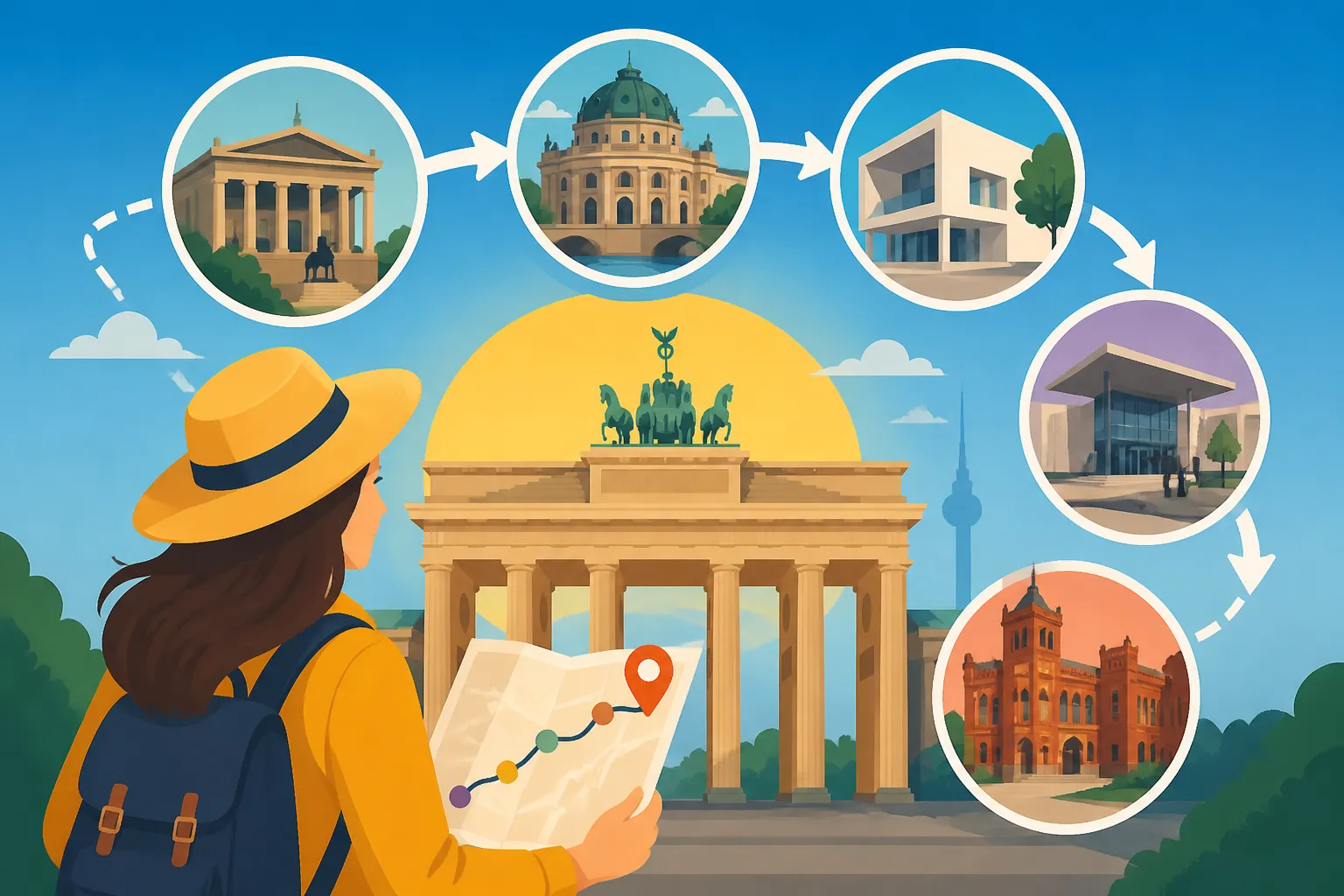
Trying to create a one-size-fits-all itinerary for Berlin's museums is like trying to catch smoke – impossible! Everyone has different interests, energy levels, and time constraints. Instead, let’s explore a few sample paths that cater to common visitor profiles, offering a logical flow and thematic coherence. Remember, these are starting points; feel free to mix and match to craft your perfect museum adventure.
The Art and History Buff's Two-Day Blitz
If you're an ambitious explorer with a passion for both ancient art and significant historical narratives, a two-day itinerary can provide a comprehensive, albeit brisk, overview. This approach prioritizes the major, must-see institutions, keeping geographical proximity in mind to minimize travel time.
Day 1: Museum Island Immersion. Start your morning bright and early at the Neues Museum, making a beeline for Nefertiti. Allow 2-3 hours here. Afterward, move to the nearby Altes Museum for its classical antiquities, spending another 1.5-2 hours. Have a quick lunch at one of the cafés on Museum Island or grab a bite from a nearby stand. In the afternoon, dive into the Alte Nationalgalerie to immerse yourself in 19th-century art for 2-3 hours. If you have any energy left, a brief walk through the exterior of the German Historical Museum just across the bridge can set the stage for day two. A Museum Island Pass or a Berlin WelcomeCard that includes museum access can be a savvy financial move here.
Day 2: Confronting Modern History. Begin your second day with a powerful and essential visit to the Topography of Terror. This site requires at least 2 hours for a respectful and thorough visit. From there, take public transport (the U-Bahn or S-Bahn are your friends, and understanding Using the Berlin U-Bahn and S-Bahn as a Visitor is key) to the Jewish Museum Berlin, allocating 2-3 hours for its poignant exhibits and unique architecture. These two museums are emotionally draining, so factor in a lighter, perhaps contemplative, lunch break in between or after. In the late afternoon, if time and energy permit, a visit to the outdoor Berlin Wall Memorial offers a sobering conclusion to your historical journey, reinforcing the city's incredible resilience. This intensive plan aims to hit the most impactful sites, giving you a broad understanding of Berlin’s cultural and historical significance.
The Deep Dive into German History
For those whose primary interest lies in understanding the complex tapestry of German history, from its early formation to its modern identity, a focused historical itinerary is the way to go. This often means less art, more narrative, and a deeper engagement with pivotal events and their legacies.
Kick off your historical exploration at the German Historical Museum (Deutsches Historisches Museum). Located in the magnificent Zeughaus (Old Arsenal), this museum provides an incredibly comprehensive chronological journey through German history from its earliest settlements to the present day. You could easily spend 4-5 hours here, possibly even more, absorbing the vast collections of artifacts, documents, and interactive displays. It's genuinely one of Germany's Great Museums: Museum Island and Beyond, even if technically just off the island. After a hearty German lunch, perhaps some classic Currywurst you learned about from the (hopefully re-opened) Currywurst Museum, head to the Memorial to the Murdered Jews of Europe and the Topography of Terror. While emotionally challenging, visiting these sites in conjunction provides a crucial understanding of the darkest chapters of German history. Dedicate 2-3 hours to the Topography of Terror, then spend some quiet time at the Memorial. For an even deeper dive into the Cold War era, consider adding the Allied Museum in the Zehlendorf district (check opening times, as it’s currently undergoing a transition) or the DDR Museum, which offers a more personal and interactive glimpse into East German life. This focused approach allows for a truly immersive historical experience, providing context for the city you're exploring.
Family Fun and Interactive Learning
Traveling with kids? Then your museum strategy shifts from intense intellectual absorption to engaging, interactive, and often hands-on experiences. Berlin has fantastic options that cater to younger audiences, proving that learning can be incredibly fun.
A fantastic starting point for families is the Deutsches Technikmuseum (German Museum of Technology). This place is a wonderland for all ages, with actual trains, planes, and ships, alongside countless interactive exhibits explaining scientific principles. Kids (and adults!) can spend hours exploring its vast halls, making it an ideal half-day or full-day outing. Pack snacks, as you’ll need to refuel! Another brilliant option, especially for older children and teens, is the Futurium. This museum focuses on future possibilities in technology, nature, and humanity, offering incredibly thought-provoking and interactive displays that spark curiosity about what's next. It's often free to enter, too! For something a bit quirkier, consider the MACHmit! Museum for Children in Prenzlauer Berg (check their specific age recommendations and opening hours), which is designed specifically for hands-on learning and play. When planning your routes between these locations, remember that Public Transport Tickets and Passes: Navigating German Transit Systems are usually very family-friendly, with kids often traveling at reduced rates or even free. The key here is to embrace the fun, prioritize engagement over exhaustive study, and build in plenty of breaks for play and ice cream.
Mastering the Visit: Practical Tips for a Seamless Experience
Visiting Berlin's museums can be a magical experience, but a little planning goes a long way in ensuring it's seamless and stress-free. From navigating ticket queues to finding a much-needed coffee break, these practical tips are born from years of getting around this incredible city.
Ticketing Tactics and Museum Passes
One of the biggest pitfalls for museum-goers is the ticketing process. Long queues, sold-out slots, and confusing options can quickly dampen your spirits. The first rule of thumb is always: book in advance, especially for popular museums. Websites like GetYourGuide often allow you to pre-purchase tickets or even book guided tours that include skip-the-line access, which can be a lifesaver during peak season.
Beyond individual tickets, consider a museum pass. The Berlin WelcomeCard, in its various iterations, often includes free public transport and discounts on many attractions, sometimes even museum entry. For serious museum buffs, the Berlin Museum Pass grants free entry to over 30 museums and exhibitions over three consecutive days, which can be a phenomenal value if you plan to hit many spots. Do the math to see if it makes sense for your itinerary. Check each museum's specific website for their own passes, like the Museum Island Pass, which is excellent if you're focusing solely on that area. Always verify opening hours, which can vary by season, day of the week, and public holidays, and if you’re traveling in summer, remember that Heatwave Health: Coping with Hot Summers in Germany (Hydration, Cooling) is important, and museums can offer a cool refuge! Don't forget to look for reduced prices for students, seniors, or families – just be ready to show valid ID.
Getting There: Navigating Berlin’s Public Transport
Berlin has an absolutely fantastic public transport system, making it incredibly easy to hop between museums. The U-Bahn (underground), S-Bahn (city train), trams, and buses cover virtually every corner of the city. Forget about renting a car; it's simply unnecessary and often a headache with parking.
Before you even step out of your accommodation, familiarize yourself with a public transport app like BVG Fahrinfo or Google Maps. These apps provide real-time connections, platform numbers, and journey times. For a first-timer, understanding how to use the Using the Berlin U-Bahn and S-Bahn as a Visitor is crucial. Buy a day ticket (Tageskarte) or a multi-day ticket if you plan on using public transport frequently, or consider the Deutschland-Ticket if you're staying longer and plan to explore beyond Berlin's city limits. For single journeys, make sure to validate your ticket before boarding to avoid hefty fines. Many popular museums, like those on Museum Island, are centrally located and easily reachable by multiple lines. Others, like the Deutsches Technikmuseum, are a bit further out but still well-connected. Platforms like Omio can also help you plan transport, not just for long-distance travel, but sometimes for city connections too if you're trying to combine multiple modes or look at broader travel options around your museum visits. Don't be shy about asking for help; most Berliners are happy to point you in the right direction if you're lost.
Fueling Your Exploration: Eating and Resting Between Exhibits
Museum visiting is surprisingly tiring! All that walking, standing, and intellectual absorption can leave you famished and in need of a break. Don't underestimate the importance of fueling your body and taking moments to rest your mind.
Most major museums have their own cafés or restaurants, offering everything from a quick coffee and cake (Kaffee und Kuchen is a German institution!) to a full meal. While these can be convenient, they sometimes come with a "museum price tag." If you're on a budget or prefer more local flavor, plan your breaks around external eateries. For instance, after exploring Museum Island, you could wander into the Mitte district for countless restaurant options. Near the Topography of Terror, you'll find plenty of casual spots in the Potsdamer Platz area. Don't forget the importance of staying hydrated, especially if you're visiting during warmer months. Beyond food, sometimes simply finding a quiet bench, stepping outside for some fresh air, or even ducking into a nearby park can work wonders for museum fatigue. Think of these breaks not as interruptions, but as essential parts of your immersive experience, allowing you to process what you've seen and recharge for the next masterpiece or historical revelation. When you're ready to dine, remember the nuances of German Dining Etiquette: Eating Out, Tipping, and Table Manners.
Disclaimer
Please note that while I strive to provide accurate and up-to-date information, museum opening hours, ticket prices, and specific exhibition details can change without notice. Always check the official websites of individual museums for the most current information before planning your visit. Travel requirements and local regulations can also change, so it's always wise to stay informed from official sources.