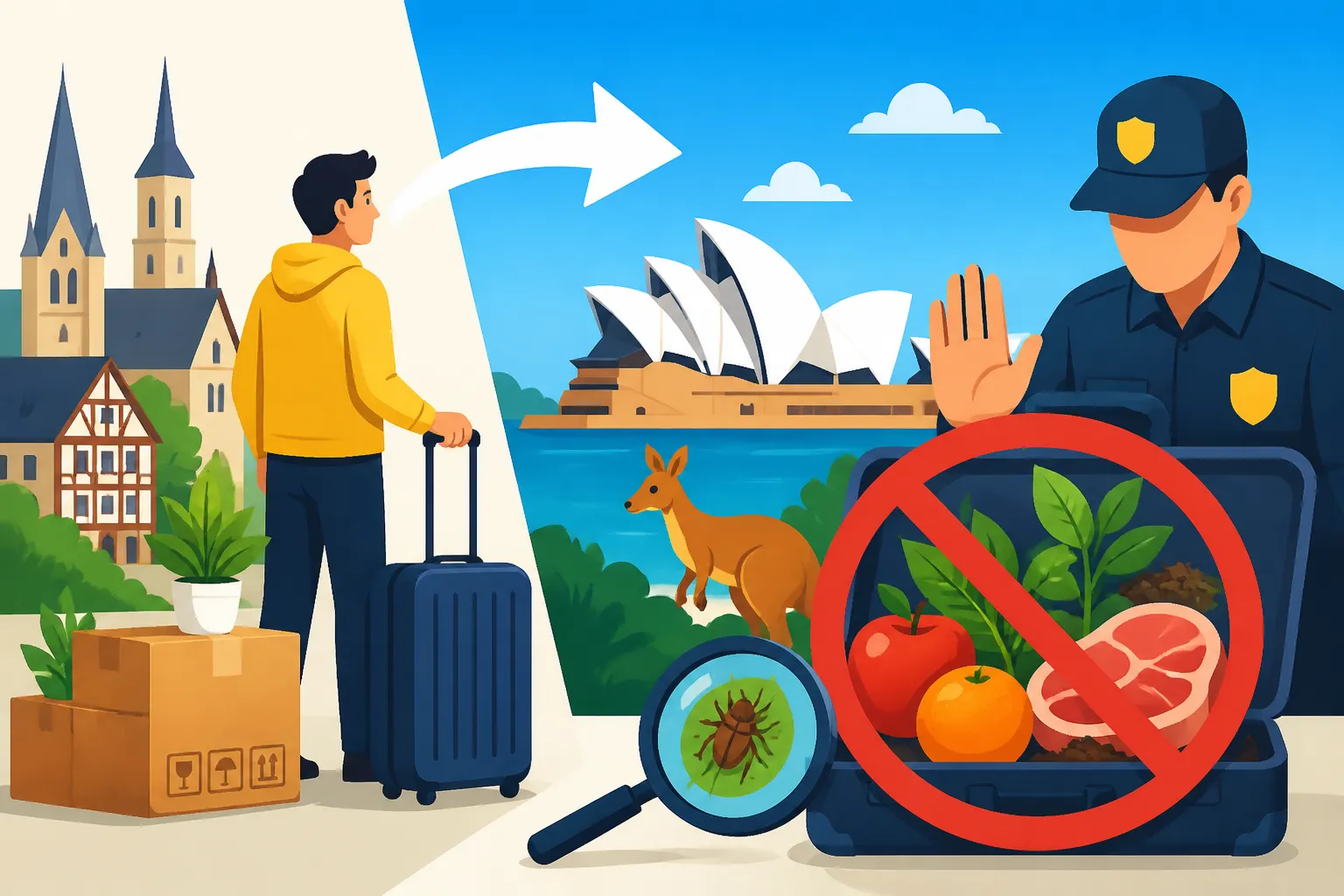
Moving From Germany to Australia: Biosecurity Checks and What Gets Rejected
So, you’ve fallen in love with the idea of sunshine, stunning beaches, and a fresh start Down Under, trading your beloved Feierabendbier in Germany for a frosty one in Australia. It’s a fantastic dream, one many expats here in Germany ponder. But before you start packing your favourite German Kaffeebecher and that gorgeous wooden cuckoo clock, let me tell you, moving from Germany to Australia isn't just about changing continents; it's about entering a whole new world of incredibly strict rules, especially when it comes to what you can bring with you. Australian biosecurity checks are no joke, and they can turn your meticulously planned relocation into a costly nightmare if you're not prepared. This guide is here to walk you through the labyrinth of Australian biosecurity, highlight what commonly gets rejected from Germany, and show you how to navigate this crucial hurdle without losing your sanity – or your sentimental belongings.
Disclosure: This post may contain affiliate links. We may earn a commission at no extra cost to you if you make a purchase through these links. Read full disclosure.
The Australian Biosecurity Juggernaut: Why It's So Strict (and Why You Should Care)
Trust me, as someone who’s lived through enough German bureaucracy to last a lifetime, I can tell you that Australia’s approach to protecting its borders is on a whole other level. It’s not just about stopping illegal drugs or dangerous goods; it’s about preventing any tiny speck of foreign organic material from entering their pristine, unique ecosystem. And when you’re moving your entire life from a European country like Germany, where farming and natural environments are vastly different, nearly everything you own becomes a potential risk.
The 'Why': Protecting Australia's Unique Ecosystem
Imagine a continent that developed in near isolation for millions of years. Australia is home to an incredible array of plants and animals found nowhere else on Earth. This unique biodiversity is incredibly fragile and incredibly vulnerable to foreign pests, diseases, and invasive species. The country has learned some harsh lessons from its history, where well-intentioned introductions like rabbits and cane toads wreaked havoc on native wildlife and agricultural lands. These historical blunders cost billions and caused irreversible environmental damage.
Because of this, Australia operates under a strict "clean and green" policy. Every item, every seed, every bit of soil has the potential to introduce a pathogen or an invasive species that could devastate their agriculture, natural bushland, or even their human population. Your lovely potted plant from your German balcony garden? That soil could harbour unseen insect eggs or fungi. Those delicious artisanal cheeses or cured meats from your favourite Metzgerei? They could carry animal diseases. Even a tiny piece of fruit tucked away in a backpack from your last hike in the Eifel could introduce a fruit fly that decimates Australian orchards. It’s a matter of national economic and ecological survival, which is why they are so unyieldingly thorough.
The 'How': Declaration, Inspection, and the Dreaded Rejection
When your household goods arrive in Australia, they don't just sail through. They face a rigorous inspection by the Australian Department of Agriculture, Fisheries and Forestry (DAFF). This process starts long before your ship even docks, with extensive documentation and declarations required from your side. You’ll be asked to declare everything that could possibly pose a biosecurity risk. And I mean everything.
The actual inspection can involve X-rays, sniffer dogs, and manual checks of your inventory. If an item is deemed a biosecurity risk – meaning it could contain pests, diseases, or prohibited materials – it faces a few potential fates, none of which are pleasant for you. Firstly, it might need to be cleaned or treated, such as fumigation for wooden items or a thorough washing for dirty outdoor gear. This isn't free; you bear all the costs, which can quickly add up. Secondly, if cleaning or treatment isn't feasible or successful, the item might be destroyed. Imagine your grandmother's antique wooden chest, lovingly shipped from Germany, being shredded because it had borer larvae. It's a heartbreaking and expensive thought. Lastly, in some extreme cases, items might be re-exported, again, at your expense. The key takeaway here is that honesty and meticulous preparation are your best friends. Failing to declare an item that is later found to be a risk can lead to hefty fines, delays, and even legal action. It’s far better to declare something and have it inspected than to risk the consequences of non-declaration.
Common Items from Germany That Trigger Biosecurity Red Flags
Having dealt with numerous expats moving from Germany, I’ve seen a pattern of common items that inevitably cause issues at Australian biosecurity. It’s often the things we don’t even think about as risky that land people in hot water.
Food, Plants, and Animal Products: The Biggest Culprits
This category is probably the most problematic when moving from Germany to Australia. Germans love their food, and rightly so! But many traditional German delights, along with everyday items, are absolute no-gos or require extreme vigilance.
- Meat and Dairy Products: Forget about bringing that exquisite Schwarzwälder Schinken or your favourite Bavarian cheese. Cured meats, sausages, any fresh or processed dairy products (beyond very specific shelf-stable, commercially packaged items with import permits) are almost universally prohibited. This is to prevent the introduction of devastating animal diseases like Foot and Mouth Disease. Even that small pot of honey from a local German beekeeper, no matter how pure, is a huge risk because of potential bee diseases.
- Plant Material and Seeds: This one catches a lot of people out. Remember those beautiful dried flowers you pressed from your German garden? Or that small bag of seeds you collected to grow your own tomatoes from a specific German variety? These are massive red flags. All plant material, seeds, bulbs, and even dried herbs (unless commercially processed and sealed) are highly restricted. They could introduce plant diseases, fungi, or invasive plant species. Your lovely German Christmas decorations made of natural pinecones or straw? Yep, potential pest carriers.
- Wooden Items: Ah, the German love for wood! From carved cuckoo clocks to antique furniture, wooden items are popular. Untreated wood, particularly, can harbour wood-boring insects like borers or termites, or even fungal spores. If you’re bringing wooden items, especially antiques or outdoor furniture made of wood, they often require fumigation or certification that they’ve been treated to international standards. Even decorative wooden bowls or souvenir items fall into this category.
- Leather, Animal Hides, and Feathers: That lovely leather jacket you bought in Berlin, or perhaps a decorative animal hide rug? These can carry animal diseases or pests. Any animal product, including hides, skins, furs, feathers (even in pillows or duvets), bones, or taxidermy, is subject to strict import conditions and often requires veterinary certificates and treatment. Even your trusty German hiking boots with leather elements need to be impeccably clean.
Outdoor Gear, Vehicles, and Muddy Memories
This is where the "clean and green" policy really hits home. Australia wants absolutely no soil, plant material, or foreign contaminants introduced via items used outdoors.
- Camping and Hiking Equipment: This is probably the number one offender. Your hiking boots from exploring the Bavarian Alps, your camping tent used in the Harz mountains, your backpack, and any outdoor cooking gear must be immaculately clean. This means literally no speck of dirt, no leaf residue, no mud, no insect remains. Even a tiny seed stuck in a velcro strap or a tent seam can lead to rejection. I’ve heard horror stories of people having their expensive hiking boots destroyed because they weren’t clean enough.
- Garden Tools and Equipment: Planning to bring your garden tools from your German allotment? Every single shovel, rake, trowel, even garden gloves, must be spotless. Soil can carry dangerous plant pathogens, nematode worms, and weed seeds that could devastate Australian horticulture. This often means dismantling, scrubbing, and sterilizing.
- Bicycles and Sporting Equipment: Your beloved German-engineered bicycle, your golf clubs, fishing gear, or even sports shoes – if they've been used outdoors, they need rigorous cleaning. Bicycles, in particular, accumulate dirt and grime in hard-to-reach places. Fishing gear might carry aquatic pests or plant fragments.
- Vehicles and Machinery: Bringing a car or motorcycle from Germany to Australia? The vehicle will undergo an extremely thorough inspection. Every nook and cranny, every wheel arch, the underside – everything must be free of soil, plant material, and insects. Any dirt, even a tiny amount, can lead to costly steam cleaning and re-inspection. This often means professional cleaning before it even leaves Germany. For guidance on general moving steps, you might find some useful principles in this guide on Moving Furniture and Belongings: Tips for an Easy Move to Germany.
Your Proactive Game Plan: Preparing for a Smooth Move Down Under
The good news is that with careful planning and a proactive approach, you can significantly reduce the risk of your items getting rejected. It requires diligence, yes, but it’s absolutely doable.
Declaring Everything: Honesty is the Best (and Cheapest) Policy
Let me be blunt: trying to smuggle something past Australian biosecurity is a fool's errand. They are incredibly good at what they do, and the penalties for non-declaration are severe. We're talking substantial fines, immediate destruction of the undeclared item, and potentially even visa issues or criminal charges. It's simply not worth the risk.
Instead, declare everything that could possibly be a biosecurity risk. When filling out your import declaration forms, err on the side of caution. If you’re unsure whether an item is restricted or requires treatment, declare it. For example, if you have a wooden item that might be untreated, declare it as such. If your hiking boots have seen dirt in their lifetime, declare them as "used outdoor equipment." The authorities appreciate honesty, and it gives them the opportunity to inspect and advise on cleaning or treatment rather than penalizing you for concealment. Keep meticulous records and, if possible, obtain certificates for any professional cleaning or fumigation performed in Germany. Sometimes, even from Germany, you might need to navigate some paperwork, so keep in mind tips from guides like Understanding German Bills and Letters: Decoding Official Mail.
Professional Cleaning and Pest Treatment: Don't Skimp!
This is where spending a little extra money upfront can save you a fortune in delays, fines, and heartache later. For any high-risk items – especially outdoor gear, garden tools, and wooden furniture – consider professional cleaning and treatment before they leave Germany.
- For Outdoor Gear: Look for specialized cleaning services that can deep-clean items like hiking boots, tents, and bicycles. They know how to get into all the nooks and crannies that you might miss. If you're doing it yourself, be absolutely ruthless. Scrub every thread, every tread, every buckle. Let everything dry completely to avoid mould.
- For Wooden Items: If you’re bringing wooden furniture, antiques, or decorative items, especially if they are old or appear untreated, discuss fumigation or heat treatment options with your international moving company. Reputable movers often have partners in Germany who can provide certified treatments. This certificate is gold, as it provides evidence to Australian biosecurity that the risk has been mitigated. Don't assume a quick wipe-down will suffice for that beautiful wooden Weihnachtsmarkt ornament. It truly needs to be pristine.
Remember, the goal is to present items that are demonstrably free of any organic contaminants. If in doubt, clean it again, or better yet, seek professional help. It’s an investment in a smoother, less stressful arrival in your new Australian home.
The Crucial Role of a Specialized International Mover (and Sirelo!)
Navigating an international move is already a Herculean task, but adding Australia's biosecurity requirements makes it even more complex. This is precisely why engaging a specialized international mover is not just a convenience, but an absolute necessity. And this is where a platform like Sirelo becomes your ultimate ally.
Navigating the Paperwork Maze and Regulations
A good international moving company that regularly handles shipments to Australia knows the ins and outs of the DAFF regulations. They understand what paperwork is needed, what declarations must be made, and how to properly prepare your inventory for the strictest scrutiny. They can guide you through the process, ensuring all German documents are correctly prepared and, if necessary, translated to meet Australian standards. Think of them as your personal bureaucracy navigators, helping you avoid common pitfalls that could lead to delays or rejections. They'll know which items need specific permits or certificates, and they'll ensure you fill out those dreaded forms correctly – something that can be a real headache, even for those of us who have become masters of German paperwork. For more general financial planning around your move, remember to check out resources like Money Matters in Germany: Complete Financial Guide for Expats.
Tailored Advice and Seamless Execution
Every move is unique, and your possessions from your life in Germany will present their own set of biosecurity challenges. A mover found through Sirelo won’t just move your boxes; they’ll provide personalized advice based on your specific inventory. They can tell you exactly what you can and cannot take, what needs special treatment, and what might be better left behind or professionally sourced in Australia. For instance, they might advise against bringing certain German garden soil or certain types of antique wooden items unless they can be certified as thoroughly treated.
They’ll also ensure that appropriate packing materials are used – for example, clean, new cartons free of pests or plant material – and that your items are packed in a way that facilitates inspection. Imagine the peace of mind knowing that someone knowledgeable is guiding you through packing that familiar German furniture, your favourite winter clothes, or even advising on items like appliances (though always check voltage requirements! See Household Appliance Guide: Voltage, Adapters, and Buying Electronics in Germany).
This is where Sirelo truly shines. They are not a moving company themselves but a brilliant platform that connects you with reliable, experienced international movers who understand the unique challenges of moving from Germany to Australia. Instead of you spending countless hours researching different companies and trying to vet their experience with Australian biosecurity, Sirelo does the heavy lifting for you. You can easily compare quotes from pre-vetted, professional movers who have a proven track record of successful moves to Australia, meaning they know exactly how to handle the biosecurity requirements.
By using Sirelo, you’re not just finding a service; you're finding a partner committed to making your move as smooth and stress-free as possible. They help you find companies that can arrange necessary fumigation services, advise on the cleanest packing methods, and manage the complex logistics, giving you confidence that your precious German belongings will clear customs without a hitch. Choosing a specialized mover through Sirelo means you're investing in peace of mind, saving potentially thousands in unexpected costs and avoiding the emotional toll of having your items rejected or destroyed. Don't underestimate the complexity of this journey; let Sirelo connect you with the expertise you need to get your German life safely to Australia. This way, you can focus on the exciting prospect of your new adventure, rather than getting bogged down in biosecurity fears. Thinking about the overall financial picture of your move is crucial, and comparing costs can be helped by resources like Cost of Living Comparison: Germany vs UK/USA/Canada, but don't forget the hidden costs of biosecurity.
A Quick Checklist for Biosecurity Success
To help you get started, here's a simplified table outlining some common German items, their biosecurity risk, and recommended actions:
| Item Category | Common German Examples | Biosecurity Risk Level | Recommended Action |
|---|---|---|---|
| Food & Perishables | Schwarzwälder Schinken, Käse, Brot (with seeds), Honey, Pickles | High | Do NOT import. Consume or dispose of these items before packing. Strict prohibitions apply. |
| Plants & Soil | Potted plants, plant cuttings, garden soil, seeds, dried flowers | High | Do NOT import. Dispose of all living plant material and ensure items are soil-free. Special permits needed for few items. |
| Outdoor Gear | Hiking boots, camping equipment, bicycles, golf clubs, garden tools | High | Thoroughly clean and disinfect. Absolutely no dirt, mud, plant material, or insects. Professional cleaning highly recommended. |
| Wooden Items | Antique furniture, wooden carvings, untreated timber, garden furniture | Medium to High | Declare all wooden items. Untreated or antique wood may require fumigation or heat treatment with certification. |
| Animal Products | Leather goods, furs, wool, animal skins, feathers, pet food | Medium to High | Declare all animal products. May require veterinary certificates, specific permits, or treatment. Ensure leather is clean. |
| Footwear | All used shoes, especially outdoor shoes, sports shoes | Medium | Clean thoroughly. Ensure no soil, seeds, or organic matter is present on soles or uppers. |
| Vacuum Cleaners/Bags | All used vacuum cleaners or vacuum cleaner bags | Medium | Empty and clean thoroughly. Ensure no dust, dirt, or organic debris remains. |
| Christmas Decorations | Natural wreaths, straw ornaments, pinecone decorations | High | Avoid natural materials. Opt for artificial decorations or ensure natural items are declared and perfectly clean/treated. |
This is just a starting point, of course. For any item you’re unsure about, declare it, and consult with your chosen international mover – ideally one found through Sirelo! They’re your best resource for navigating these specific, often confusing, Australian regulations.
Disclaimer
The information provided in this guide is intended for general informational purposes only and does not constitute legal, immigration, or professional moving advice. While we strive to provide accurate and up-to-date information, Australian biosecurity regulations are complex and subject to change. It is crucial to consult the official website of the Australian Department of Agriculture, Fisheries and Forestry (DAFF) or a qualified international moving specialist for the most current and specific requirements pertaining to your individual circumstances. Failure to comply with Australian biosecurity laws can result in significant penalties, including fines, seizure, or destruction of goods. We strongly recommend seeking professional guidance for your move from Germany to Australia.