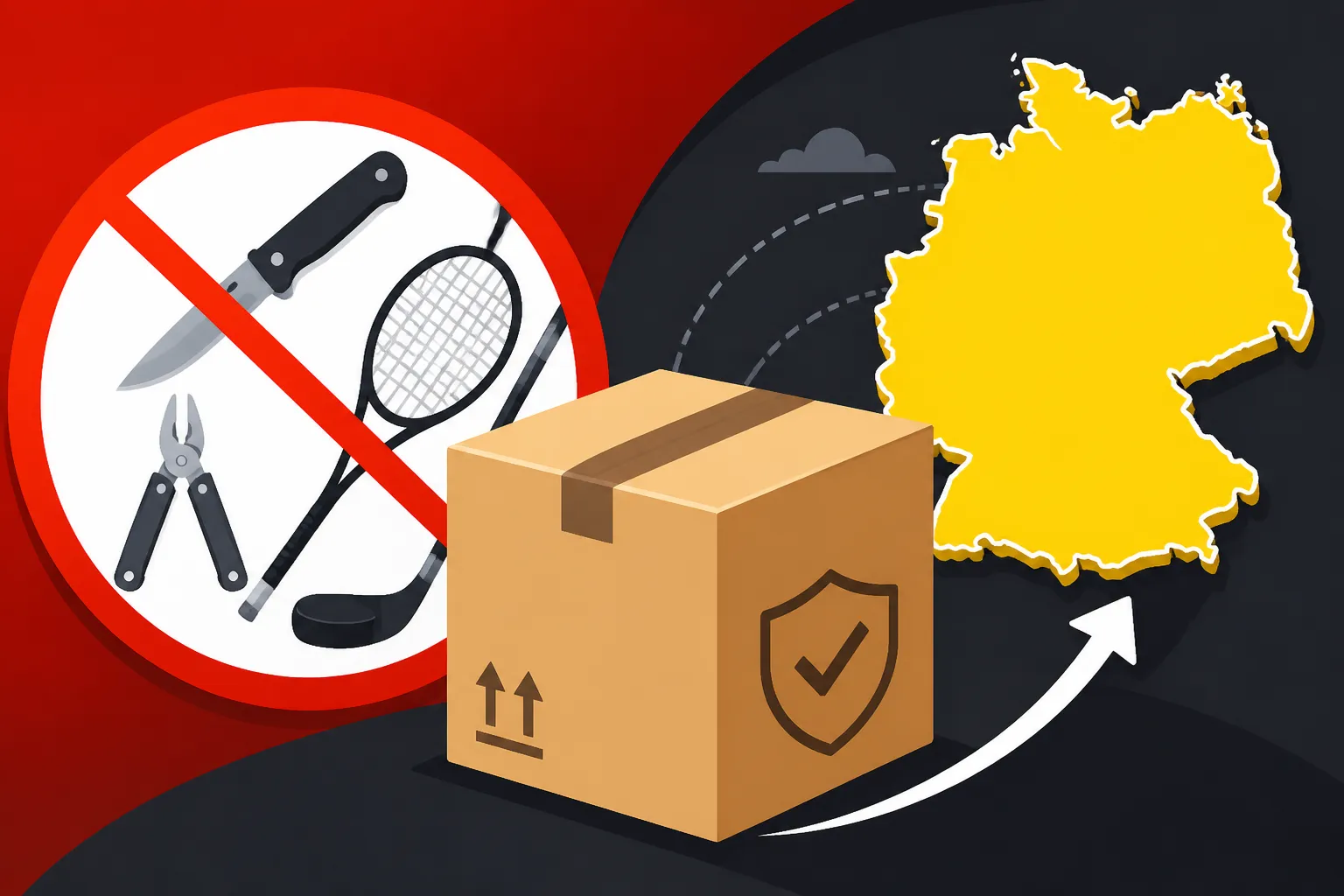
Shipping Knives, Tools, and Sports Equipment to Germany: Legal Limits
Moving to Germany is an exciting adventure, but the administrative hurdles can feel like a gauntlet. One common trap many expats fall into involves shipping what they consider everyday items – innocent kitchen knives, a trusty set of tools, or beloved sports gear – only to find them held up, confiscated, or even subject to hefty fines at German customs. This guide will meticulously break down Germany's legal limits and regulations for shipping knives, tools, and certain types of sports equipment, helping you navigate the process smoothly and avoid unpleasant surprises. And when it comes to finding reliable movers who understand these complexities, you'll find that a partner like Sirelo can make all the difference.
Disclosure: This post may contain affiliate links. We may earn a commission at no extra cost to you if you make a purchase through these links. Read full disclosure.
Unpacking Germany's Strict Import Regulations for Common Household Items
Germany operates under a legal framework that can feel incredibly strict, especially when compared to countries with more relaxed approaches to items that might be deemed "weapons." It's not just about obvious firearms; the German Waffengesetz (Weapons Act) has a broad scope, covering many items that could potentially cause injury, even if their primary purpose is benign. The key is understanding that customs officials interpret these laws rigorously, and ignorance is, unfortunately, no excuse. What might be perfectly legal to own and even carry in your home country could be highly restricted or outright prohibited upon entry into Germany.
The Fine Print on Knives: What's Allowed and What's Not
When it comes to knives, German law differentiates between owning, carrying (führen), and importing. While kitchen knives are generally fine for culinary purposes, the line gets blurry very quickly for anything that could be perceived as a weapon.
For instance, a standard set of chef's knives, butter knives, or steak knives for your kitchen is typically not an issue. These are clearly household items with an obvious, non-combative purpose. However, things like tactical knives, combat knives, or even certain large hunting knives can cause problems. The law particularly targets knives that are designed for quick deployment or that have features primarily intended for fighting rather than utility.
Specific types of knives that are generally prohibited for import and possession in Germany include:
- Switchblades (Springmesser): Knives where the blade automatically springs out of the handle through a button or similar mechanism, if the blade is longer than 8.5 cm (approx. 3.3 inches) or if the blade is double-edged. Smaller switchblades that only deploy horizontally and are single-edged may be restricted in carrying, but possession can sometimes be allowed under strict conditions.
- Gravity knives (Fallmesser): Knives where the blade opens or falls out of the handle by gravity or inertia.
- Butterfly knives (Balisongs): These folding knives with two handles rotating around the tang are explicitly forbidden.
- Push daggers (Stoßdolche): Knives with a T-shaped handle designed to be grasped in the fist.
- Faustmesser (Knuckle Knives): Similar to push daggers, designed to be held in the fist with the blade protruding between fingers.
Beyond these, even knives that are not outright prohibited might fall under "führt Verbot" (carrying prohibition) if they have a fixed blade longer than 12 cm (approx. 4.7 inches) or if they are "Einhandmesser" (one-hand opening knives) – meaning they can be opened with a single hand. While owning these in your home is generally allowed, openly carrying them in public is not. When shipping, the concern is often the perception and potential misuse rather than immediate intent. Customs might seize such items if they believe they are primarily designed for aggressive purposes or could easily be converted as such, especially if poorly declared.
It’s crucial to be meticulously honest and descriptive. If you have a collection of decorative or antique knives, you need to be prepared to prove their status as collector's items rather than functional weapons.
Tools and Machinery: More Than Just Hammers and Screwdrivers
Most common hand tools – hammers, screwdrivers, wrenches, measuring tapes – are perfectly fine. You can ship your toolbox with confidence. The issues arise when tools could potentially double as weapons or when they are highly specialized, restricted, or have significant power.
For power tools, general hand drills, saws, and sanders for household use are usually fine. However, industrial-grade equipment, specialized demolition tools, or anything that might raise a red flag due to its power or potential for large-scale destruction could come under scrutiny. It's not just about the tool itself, but also its context and potential application. While unlikely for a typical expat moving personal effects, importing items like certain types of pneumatic nail guns, large industrial cutters, or tools that have a specific, potentially dangerous use might require additional documentation or adherence to specific safety standards (like the CE mark, indicating conformity with European safety standards). If you're shipping older tools, especially power tools, ensure they meet current safety regulations.
Another often-overlooked category might be items like "Kubotans" or "Tactical Pens," which are technically tools or writing instruments but are also designed for self-defense. While not explicitly knives, their dual-purpose nature can lead to them being classified as forbidden objects if customs officials decide their primary intent is weapon-like. Again, the principle here is about potential misuse. If you have unique or specialized tools, it's always best to err on the side of caution and declare them explicitly and descriptively, or consider leaving them behind. A professional moving service, such as those found through Sirelo, can provide specific guidance on these types of ambiguous items.
Sports Equipment with a Catch: From Archery to Self-Defense
This is another area where many expats get caught off guard. Your sports equipment, intended for recreation and fitness, might fall under German weapon laws. It’s not just about actual firearms; replicas and items used in certain martial arts or combat sports can be problematic.
Items frequently flagged include:
- Bows and Arrows: While not generally considered firearms, bows and arrows are powerful projectiles. You can typically import personal archery equipment, but they must be declared. Storage and transport within Germany have specific rules to prevent misuse. Broadhead arrows (designed for hunting) might face stricter scrutiny than target arrows.
- Martial Arts Weapons: Nunchaku (or Nunchucks), throwing stars (Wurfsterne), and certain training swords are explicitly prohibited for import and possession in Germany. Even if you use them purely for sport or training, the law views them as dangerous weapons.
- Airsoft, Paintball, and Replica Firearms: This is a big one. Even if your airsoft gun shoots plastic BBs and is clearly a toy in your home country, German law treats it very seriously. Many airsoft guns are considered "Anscheinswaffen" (imitation weapons) or "freie Waffen" (free weapons, requiring no permit but subject to strict rules on carrying). If they look too much like real firearms, they can be prohibited from public carrying, and some models might be entirely illegal to import or possess without specific permits. The rules are complex and dependent on energy output (Joule), appearance, and whether they are marked with an "F-in-a-pentagon" stamp for models over 0.5 joules. It's highly advisable to not ship any airsoft, paintball guns, or realistic toy guns without thoroughly checking the specific German regulations, and generally, it's safer to acquire them within Germany if you absolutely need them.
- Fencing Equipment: While fencing foils and sabers are combat instruments, they are generally permitted when used in an organized sporting context. However, they must be declared and their purpose clearly stated.
The general rule of thumb is: if it's designed to simulate combat, could be used to inflict serious harm, or strongly resembles a prohibited weapon, it will likely be scrutinized by German customs. When you're making your preparations for your move, consulting with an experienced international mover, which you can easily find via Sirelo, can save you a lot of grief. They are well-versed in these nuances and can offer invaluable advice.
Navigating Customs: Declaration, Documentation, and Due Diligence
Germany's customs procedures are notoriously thorough, and the moment you start preparing for your big move, you'll realize that meticulous planning and accurate paperwork are your best friends. Attempting to cut corners or be vague in your declarations for items like knives, tools, or sports equipment is a recipe for disaster. This is where the German reputation for bureaucracy truly shines, and understanding how to play by the rules is paramount.
The Critical Role of Accurate Declarations
Simply put, honesty is not just the best policy; it's the only policy. Every item in your shipment must be accurately described on your customs declaration forms. This isn't just a formality; it's a legal requirement. If you attempt to disguise or misrepresent an item – for example, listing a prohibited butterfly knife as "kitchen utensil" or an airsoft gun as "toy" – you're looking at serious consequences.
The implications of misdeclaration can include:
- Seizure and Confiscation: The item will be immediately seized by customs and will not be returned to you.
- Fines: You could face significant fines, sometimes several times the value of the undeclared or misdeclared item. These can quickly add up and become a major unexpected cost of moving.
- Delays: Your entire shipment could be held up indefinitely while customs investigates the discrepancy, delaying your ability to settle into your new home.
- Legal Action: In severe cases, especially involving prohibited weapons, you could face criminal charges, which can have long-lasting effects on your residency status and future in Germany.
When describing items, be as detailed as possible. Instead of just "knives," write "kitchen knife set (chef's knife, paring knife, bread knife)" or "camping utility knife (folding, non-automatic blade less than 12 cm)." For tools, "electric drill and bit set for household use" is better than just "tools." For sports equipment, specify "archery bow (recurve) and target arrows" or "fencing foil and mask."
This level of detail not only helps customs process your shipment more efficiently but also demonstrates your good faith and understanding of the regulations. This is precisely why working with an international moving company found through Sirelo is so beneficial. Their expertise ensures that all your paperwork is in order and that your items are declared correctly, minimizing the risk of issues.
Required Documentation for Specific Items
For any item that could potentially fall under Germany's strict regulations, simply declaring it might not be enough. You might need to provide supporting documentation to prove its nature or legality.
This could include:
- Purchase Receipts: Proof of legitimate purchase can show that the item is not illicit or intended for illegal trade.
- Manufacturer Details and Specifications: For tools or sports equipment, providing a link to the manufacturer's website or a spec sheet can clarify its purpose and features. For airsoft guns, for example, proof of their energy output (Joule) and specific model details might be required.
- Certifications: For power tools, especially those not commonly sold in Europe, a CE mark or other safety certifications might be requested.
- Proof of Ownership: While less common for everyday items, for anything of significant value or ambiguity, proof of long-term ownership might be helpful.
- Permits (highly unlikely for typical expat items): While you won't need a permit for your kitchen knives, if you were, for example, importing a highly specialized or antique weapon that requires a permit, you would need that in advance. This is generally outside the scope of moving personal effects, but it highlights the bureaucratic depth.
The key is to have all relevant documents organized and readily accessible. Keep copies with your personal travel documents and ensure your moving company also has copies. This proactive approach significantly speeds up customs clearance and reduces potential headaches. Remember, when comparing moving companies through Sirelo, ask about their experience with these specific types of declarations and the support they offer in compiling necessary documentation.
Professional Movers: Your Best Ally in Complex Shipments
Navigating the labyrinthine world of international removals, especially with Germany's meticulous customs, is not for the faint of heart. This is where a professional international moving company truly earns its stripes. They are not just about packing boxes and driving trucks; they are experts in logistics, international law, and customs procedures.
A reputable moving service, like those you can find and compare through Sirelo, will:
- Advise on Restricted Items: Before a single box is packed, they can provide clear guidance on what items are typically problematic for import into Germany, helping you decide whether to ship, sell, or leave certain things behind.
- Guide Through Documentation: They have up-to-date knowledge of customs declaration forms, required codes, and specific terminology. They can help you fill out these forms accurately, ensuring no detail is overlooked. This might involve preparing an inventory list that goes beyond simple descriptions, adhering to strict customs categories.
- Handle Customs Communication: Should any questions arise from German customs, your moving company can often act as an intermediary, speaking their language (both literally and figuratively) and providing necessary explanations or additional documentation.
- Expert Packing for Compliance: While not directly related to legal limits, professional packers ensure that items are packaged in a way that aligns with customs expectations for inspection, should it occur. This minimizes damage and facilitates clearance.
Trying to manage these complexities yourself, especially if you're already juggling visa applications, address registration (Anmeldung), and setting up your new life, can be incredibly overwhelming and often leads to costly mistakes. Imagine the frustration of having your carefully packed belongings held up for weeks because of a simple misdeclaration! This is where investing in a reliable international moving partner, easily found and vetted through Sirelo, truly pays off, ensuring a smoother transition and peace of mind.
Practical Advice for a Smooth Move: Avoiding Pitfalls and Penalties
So, you've decided what you absolutely need to bring and what might be better left behind. Now, let's talk about the practical steps you can take to make sure your declared items actually make it through German customs without a hitch. It's about being smart, organized, and anticipating potential issues before they become real problems. Moving to Germany can be challenging, but it doesn't have to be a nightmare if you're prepared.
To Ship or Not to Ship? Assessing the Risk
This is perhaps the most crucial decision you'll make when it comes to questionable items. Before you even think about packing a particular knife, tool, or piece of sports equipment, ask yourself: Is this item truly indispensable?
Consider the following:
- Sentimental Value vs. Practicality: Is that antique hunting knife from your grandfather really worth the potential hassle, cost of confiscation, or even legal issues? Or could you find a perfectly good replacement kitchen knife set in Germany without the stress?
- Cost of Replacement: Sometimes, it's simply cheaper and easier to sell an item (e.g., an older airsoft gun) in your home country and buy a new, compliant one in Germany. Factor in potential customs duties, taxes, and the shipping cost itself.
- The "Headache Factor": Even if an item is technically permitted, if it's borderline or requires extensive documentation, it might just not be worth the potential delays or interrogations from customs. Your priority should be settling in smoothly.
- The "Black Market" Perception: Even if your item is legitimate, if it's something commonly associated with illicit activities (e.g., certain types of switchblades or highly realistic toy guns), customs officials might approach your entire shipment with a higher degree of suspicion.
Encourage yourself to critically evaluate each potentially problematic item. If in doubt, and if the item is not truly irreplaceable, leaving it behind (selling, donating, or gifting it) is often the path of least resistance. The peace of mind alone can be priceless during an international move. For large, complex moves, remember Sirelo offers connections to removal companies that provide pre-move consultations that can help you with these difficult decisions.
Packaging and Labeling for Compliance
Once you've decided an item is coming, how you package and label it can also influence its journey through customs. While you don't want to hide anything, you also don't want to unnecessarily attract negative attention.
- Secure and Safe Packaging: Any sharp objects, like knives or pointed tools, must be securely sheathed, wrapped, and protected to prevent injury to handlers and damage to other items. This is not just for customs, but for the safety of your moving crew!
- Separate and Group: It can be helpful to pack all potentially sensitive items together in a clearly marked box, separate from your general household goods. This makes it easier for customs to inspect them if needed, without rummaging through your entire life.
- Clear and Truthful Labels: On the outside of the box, use a clear, concise, and truthful label that corresponds to your detailed inventory. For example, "Box 17: Kitchen Utensils & Chef's Knives" or "Box 22: Household Tools & Drill." Avoid vague terms like "miscellaneous items." This transparency is key.
- Avoid Misleading Language: Do not use words like "toys" for airsoft guns or "decorations" for items that are clearly functional weapons. This immediately raises a red flag.
The goal here is transparency and safety. You want customs to be able to easily identify what's inside, see that it's declared accurately, and that it's packed safely. When you use an experienced moving company from the Sirelo network, they often provide professional packing services that take these considerations into account.
Understanding Penalties and the Appeals Process
Let's be blunt: you absolutely want to avoid being in a situation where you need to understand penalties or an appeals process. The best strategy is to prevent issues in the first place through diligent preparation and accurate declarations.
However, if an issue does arise, here's what typically happens:
- Confiscation: If an item is prohibited, it will be seized by customs and will not be returned. You will receive a notification of this action.
- Fines (Bußgeld): For undeclared or misdeclared items, or items that require specific conditions not met, you will likely face a fine. The amount can vary widely depending on the item's nature, value, and the severity of the violation.
- Storage Fees: If your entire shipment is held up due to problematic items, you may incur daily storage fees for your goods at the customs warehouse.
- Criminal Charges: In very serious cases, particularly with prohibited weapons or large quantities of undeclared goods, customs can initiate criminal proceedings. This is rare for a typical expat move but possible if extreme negligence or malicious intent is perceived.
If an item is confiscated or a fine is levied, you will receive an official letter (Bescheid) from the customs office (Zollamt). This letter will explain the decision and the legal basis for it. You generally have a limited time (e.g., two weeks) to appeal this decision (Einspruch einlegen). This appeal must be in writing and usually in German, stating your reasons why the decision should be overturned. This process can be complicated, time-consuming, and may require legal assistance.
The takeaway is clear: prevention is far, far better than trying to navigate the complex German legal system after the fact. Trusting in a professional moving service you've found through Sirelo is one of the most effective ways to mitigate these risks and ensure your transition to Germany is as smooth and worry-free as possible. From managing your Documents Required for German Visa Applications: Complete Guide to helping with the Settling in Quickly: A Newcomer’s Checklist for Your First Weeks in Germany, a comprehensive approach covers all bases.
Sirelo: Your Trusted Partner for International Removals to Germany
Navigating the intricacies of an international move to a country like Germany, especially when dealing with specific customs regulations for personal effects like knives, tools, and sports equipment, can feel like an impossible task. You're already juggling so much – from understanding the German Culture & Etiquette: A Guide to Social Life and Customs to sorting out your Cost of Living in Germany: Budgeting Guide for Expats – that the last thing you need is a hold-up at customs. This is precisely where Sirelo steps in as your indispensable partner.
Sirelo isn't just a directory of moving companies; it's a comprehensive platform designed to empower expats like you to make informed decisions and ensure a seamless relocation experience. We understand the unique challenges foreigners face when moving to Germany, and our goal is to simplify this complex process, connecting you with reliable, vetted international movers who specialize in routes to Germany.
How does Sirelo become the hero of your moving story, especially when facing strict German import laws?
- Expert Connections: Sirelo has built a robust network of experienced international removal companies that are well-versed in German customs regulations. When you request a quote through Sirelo, you're not just getting any movers; you're connecting with professionals who have a proven track record of successfully navigating shipments to Germany. These companies know the ins and outs of declarations, restricted items, and necessary documentation, minimizing the chances of your valuable items being delayed or confiscated.
- Streamlined Quote Comparison: Instead of spending countless hours researching and contacting individual movers, Sirelo allows you to quickly and easily receive multiple quotes from reputable companies. This means you can compare services, prices, and expertise, ensuring you choose the best fit for your specific needs, including any items that might require extra attention at customs. This efficiency allows you to focus on other crucial aspects of your move, like finding a place to live or sorting out your Moving to Germany: Comprehensive Visa & Immigration Guide.
- Peace of Mind: Knowing that you're working with a moving company sourced through Sirelo means you have an added layer of confidence. These partners are equipped to guide you on what you can and cannot ship, how to properly declare items, and what documentation you might need. They'll help you compile detailed inventories, ensuring that your descriptions are accurate and compliant with German law, protecting you from potential fines or legal issues. They even offer insights into how to handle situations like reading your Understanding German Bills and Letters: Decoding Official Mail, which could include customs correspondence.
- Comprehensive Support: Beyond just the physical move, Sirelo aims to be a resource for your entire relocation journey. We understand that items like specialized tools or specific sports gear, even if they seem minor, can be significant to your lifestyle and comfort in Germany. By connecting you with movers who are experts in this domain, we help ensure that these items arrive safely and legally, saving you time, stress, and potentially a lot of money. Whether you're considering shipping unique items or simply need advice on standard household goods, a Sirelo partner will provide the necessary guidance.
Don't let the nuances of German import laws for knives, tools, and sports equipment add unnecessary stress to your move. Empower yourself with knowledge and partner with a professional moving company. Using Sirelo to find your international mover is the smartest first step to a smooth and compliant relocation. Let us help you connect with the experts so you can focus on building your exciting new life in Germany, confident that your belongings will arrive safe, sound, and fully compliant. Even for seemingly simple things, like your Household Appliance Guide: Voltage, Adapters, and Buying Electronics in Germany, having expert help is a game-changer. Don't risk getting caught up in bureaucratic red tape; get your free moving quotes through Sirelo today and make your move to Germany a success!
Disclaimer
Please note that this guide provides general information based on current German laws regarding the import of personal effects. Laws and regulations are subject to change, and individual circumstances can vary greatly. This content should not be considered legal advice. It is highly recommended to consult directly with a qualified legal professional specializing in German customs law or to seek definitive advice from the German Customs Administration (Zoll) or your chosen international moving company (especially those vetted through Sirelo) regarding your specific items before shipping. The author and publisher are not liable for any actions taken based on the information provided herein.