Shipping Bicycles, Skis, and Outdoor Gear to Germany
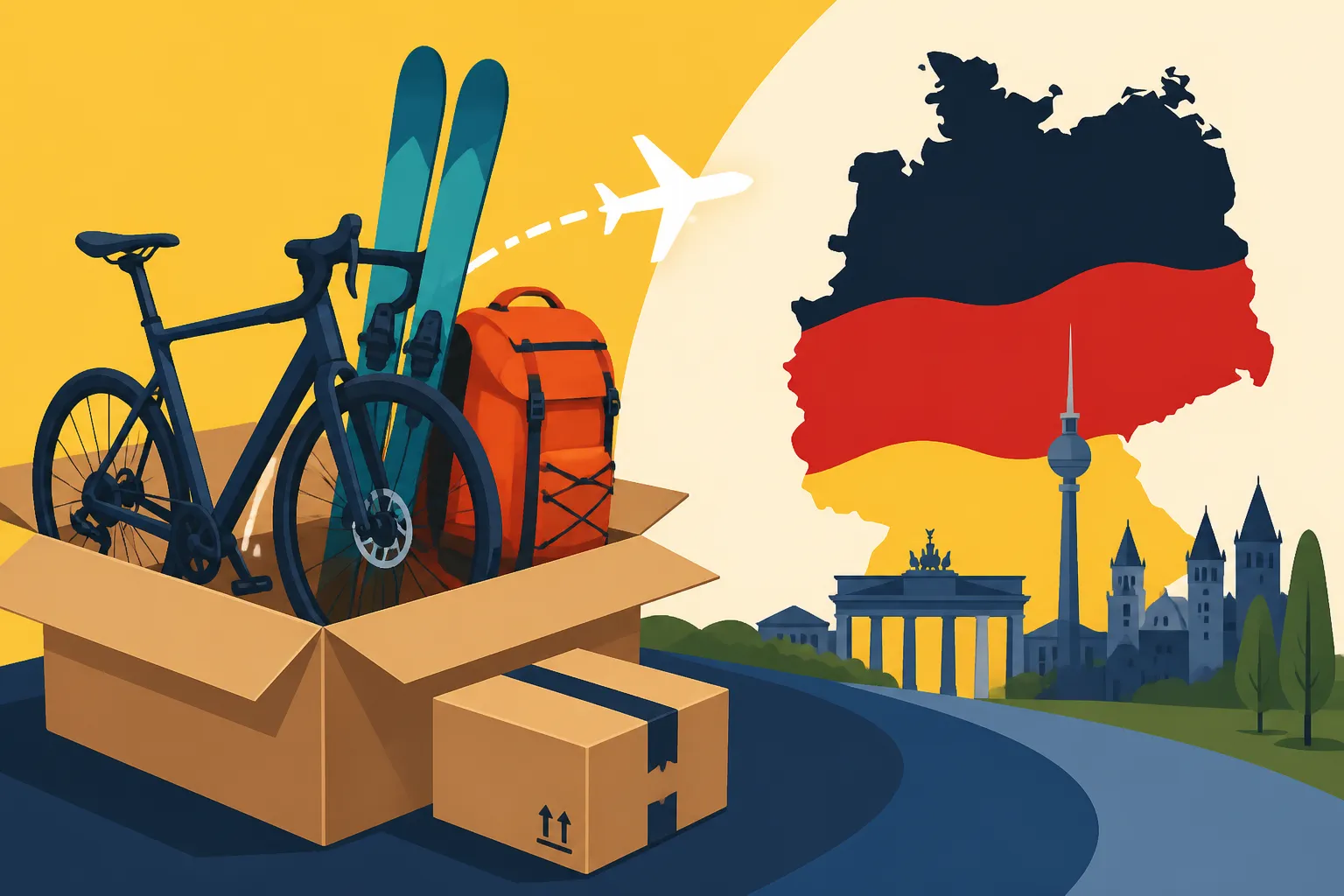
Moving to Germany is already a monumental task, filled with enough paperwork and logistical headaches to make anyone question their life choices. But what about those cherished possessions that aren't just things but extensions of your lifestyle, like your trusty mountain bike, that perfectly fitted pair of skis, or your beloved camping equipment? The thought of leaving them behind can be heartbreaking, and shipping them might seem like another bureaucratic nightmare. But don't fret! This guide will walk you through the ins and outs of shipping your bicycles, skis, and other outdoor gear to Germany, ensuring your adventure lifestyle doesn't get left behind.
Disclosure: This post may contain affiliate links. We may earn a commission at no extra cost to you if you make a purchase through these links. Read full disclosure.
Why Your Gear Deserves a Trip to Germany: The Emotional & Practical Case
When you're packing up your entire life to move to a new country, every item gets scrutinized. You weigh its monetary value against its sentimental worth, its size against the shipping cost. But for many expats, outdoor gear isn't just another box to check off; it’s a non-negotiable part of their identity. The decision to bring it along often comes down to both deeply personal reasons and sound financial logic.
Beyond Just "Stuff": Sentimental Value
Let's be real: your outdoor gear isn't just generic sports equipment. That bicycle? It's the one you've trained on for years, conquered countless trails with, and probably saved your sanity during stressful times. You know its quirks, its perfect fit, the way it responds to every turn. Those skis? They've been with you through epic powder days and memorable trips down challenging slopes. Your climbing gear has literally held your life in its hands, building a bond of trust and shared experiences. These aren't just items; they're companions, memory-keepers, and integral parts of your identity. The idea of replacing them, even if theoretically possible, often feels like a betrayal. You’ve invested time, effort, and sweat into breaking them in and making them yours. Leaving them behind feels like leaving a piece of yourself, especially when you’re already navigating a new life in Germany.
The thought of starting fresh with new equipment, trying to find something that fits just right, or just feeling 'off' on a new bike can be a real deterrent. Especially when you’re trying to build a new life in a foreign country, having familiar, comforting elements around you can make all the difference. Your gear represents continuity, a link to your past adventures, and a promise of future ones in your new German home. It's about maintaining a hobby, a passion, and a connection to who you are, which is incredibly important for mental well-being when settling into a foreign country. Trust me, I've been there, staring at my beloved hiking boots, wondering if they'd make the cut for the precious cargo space. Having that connection to your established passions can truly help ease the often intense experience of culture shock that many expats face in Germany.
Cost-Effectiveness and Quality: Buying New vs. Shipping Your Own
Now, let's talk brass tacks: money. You might think, "Oh, I'll just sell my old stuff and buy new in Germany." And sometimes, that's a valid option. But often, especially for specialized equipment, buying new in Germany can be surprisingly expensive. Import duties, local taxes (like the hefty 19% VAT), and sometimes just higher retail prices can make that new bike or ski set significantly pricier than what you'd pay back home. Plus, finding the exact make and model you love, or the same level of quality you're accustomed to, isn't always a given. The German market might have different brands, different specs, or simply less variety in your niche. While Germany has excellent outdoor stores, availability can vary, and specialized items might need to be ordered, incurring further delays and costs.
Consider your high-end bicycle. A good quality road or mountain bike can easily run into thousands of Euros. Even a decent ski setup isn't cheap. If you already own excellent gear, shipping it could be far more economical than shelling out for a brand-new replacement. The cost of shipping, especially when bundled with other household goods through a reliable service, often pales in comparison to the depreciation hit you’d take selling your current gear and the premium you’d pay for new equivalents in Germany. It’s about smart financial planning, especially for those larger, more valuable items that have a long lifespan. You’re already budgeting for the Cost of Living in Germany: Budgeting Guide for Expats and likely setting up your Money Matters in Germany: Complete Financial Guide for Expats; don't let unnecessary equipment purchases drain your funds when a perfectly good option is already sitting in your garage.
The Gauntlet of Shipping: What Makes it Tricky for Outdoor Gear
Bringing your beloved gear to Germany isn't as simple as tossing it in a box and sending it off. There are specific hurdles that need to be cleared, and these are often the points where many expats find themselves feeling overwhelmed. Understanding these challenges upfront will help you prepare and avoid costly surprises.
Customs, Bureaucracy, and the Dreaded Paperwork
Ah, German bureaucracy. It’s a rite of passage for every expat, and shipping items certainly won’t let you off the hook. When your prized possessions arrive at a German port or airport, they’re subject to customs checks. If you’re not careful, you could face unexpected duties and taxes, which can quickly add up for high-value items. The good news is that if you're moving your primary residence to Germany, you can usually import your personal belongings, including your outdoor gear, duty-free as 'transfer of normal residence' goods (Übersiedlungsgut). However, this isn't automatic; you have to actively apply for it and meet specific criteria.
You'll need to prove that you've owned and used the items for at least six months prior to moving, that you’re moving your permanent residence, and that you intend to use them in Germany for at least twelve months. The paperwork involved can be extensive – think detailed packing lists, proof of residency, visa documents, and sometimes even purchase receipts for high-value items. You'll often need forms like customs declaration Form 0350 for non-EU imports, along with your passport, visa or residence permit, and your Meldebescheinigung (proof of address registration) in Germany. Miss a step, provide incomplete information, or use incorrect German terminology, and your gear could be stuck in customs limbo, accruing storage fees while you frantically translate documents or try to understand the subtle nuances of German import regulations. This is where many DIY attempts falter, leading to immense frustration and unforeseen costs. Trying to decipher the forms alone is enough to make you wish you'd just bought a new bike.
The Logistical Labyrinth: Size, Weight, and Fragility
Unlike a box of books, bicycles, skis, and other outdoor equipment aren’t exactly standard, easy-to-ship items. They're often bulky, oddly shaped, and surprisingly fragile in places. A bicycle, for instance, typically needs to be partially disassembled – pedals removed, handlebars turned, and sometimes even wheels detached – to fit into a proper bike box. If not packed securely, the frame, spokes, or delicate derailleurs can easily be damaged. Skis, while long and relatively flat, are still prone to damage if not packed correctly, particularly their bindings, edges, and tips. Imagine your carbon fiber road bike arriving with a dented frame or your expensive ski boots cracked – it’s a nightmare scenario that can easily happen with inadequate packing and handling.
Weight can also be an issue. Specialized gear, especially for activities like mountaineering, diving, or even a full camping setup, can be heavy. Shipping costs are often calculated by both actual weight and volumetric weight (how much space an item takes up), so a large but seemingly light item can still cost a pretty penny. Then there’s the question of handling. These items need careful attention during loading, transport, and unloading. Generic cargo services might not have the specialized knowledge or equipment to ensure your gear arrives in one piece, treating a fragile carbon bike the same way they'd treat a box of non-breakable goods. This is precisely why choosing a mover with experience in handling personal effects, particularly delicate or oversized items, is paramount. You want them to treat your gear with the same reverence you do.
Navigating the Shipping Process: Your Gear's Journey to Germany
Once you’ve decided to bring your outdoor gear along, the next step is to figure out the actual logistics of getting it to Germany. This involves choosing the right method, preparing your items, and ensuring all the paperwork is in order.
Professional Movers vs. DIY: Weighing Your Options
When it comes to actually getting your outdoor gear from point A to Germany, you essentially have two main paths: brave it alone with standard postal or cargo services, or enlist the help of professional moving companies. The DIY route might seem cheaper on the surface. You buy a bike box, pack it yourself, and send it via a carrier like DHL or FedEx. However, this option often comes with hidden costs and significant risks. You’re solely responsible for meeting all customs requirements, ensuring the packing quality, and dealing with any transit damage or delays. If something goes wrong, you’re on your own, battling international customer service lines and potentially hefty fees, often in a language you might not yet be fully comfortable with. This can quickly turn a "money-saving" effort into a massive headache.
On the other hand, professional movers, especially those specializing in international relocations, offer a comprehensive, albeit usually more expensive, service. They handle the logistics, often provide professional packing services (crucial for fragile gear), manage customs documentation, and offer insurance options. This is where a platform like Sirelo truly shines. Instead of sifting through countless individual movers and trying to compare quotes and reputations, Sirelo connects you with vetted, reputable international moving companies that have experience with specific needs, like shipping sports equipment to Germany. They streamline the process, allowing you to get multiple competitive quotes from movers who understand the nuances of relocating personal effects, including your cherished gear. They know how important your bike or skis are to you. It takes a huge load off your plate, which is invaluable when you're already juggling Moving to Germany: Comprehensive Visa & Immigration Guide and Housing in Germany: Renting, Buying, and Finding Your Home as an Expat paperwork.
The All-Important Packing: Protecting Your Treasures
Proper packing is not just important; it's absolutely critical when shipping delicate and valuable items like bicycles or skis. This isn't just about throwing it in a box. For bicycles, you'll ideally need a dedicated bike box or case. You'll likely have to partially disassemble it: remove the pedals, turn the handlebars parallel to the frame, and potentially remove the front wheel (and sometimes the rear). Pad every single vulnerable point – the frame, derailleurs, fork, and handlebars – with foam tubing, bubble wrap, or even old towels. Secure loose parts with zip ties. Imagine the journey: multiple transfers, bumps, and varying temperatures. Your packing needs to withstand all of that. For high-end bikes, consider removing disk brake rotors and protecting them, and deflating tires slightly to prevent pressure issues at altitude.
For skis and snowboards, a padded ski bag is a must. Make sure your bindings are clean and well-secured, and consider wrapping the tips and tails with extra padding. Some people also tape the ski brakes in the 'up' position to prevent snagging. If you’re sending other outdoor gear like climbing harnesses, ropes, or camping equipment, ensure they are thoroughly cleaned and dry to prevent mold, rust, or unwanted biological contaminants that could cause customs issues. Disassemble anything that can be taken apart (like tent poles or camping chairs) and pack them tightly. Use robust, high-quality boxes and plenty of cushioning material for smaller, delicate items. If you opt for a professional service found through Sirelo, inquire about their specialized packing for sports equipment. Many will offer crating or specific packaging solutions for such items, providing an extra layer of protection and peace of mind. It’s an investment in the safety of your gear.
Customs Clearance: The Final Hurdle
Once your meticulously packed gear arrives in Germany, it faces the final boss: customs clearance. Even if you've shipped everything as 'transfer of normal residence' goods, you still need to present all the correct documentation to prove it. This usually includes: your passport, visa or residence permit, proof of registration in Germany (Anmeldung), a detailed inventory list (packing list), and customs forms (like Form 0350 if coming from outside the EU, along with supplemental declarations). You might also need proof of ownership for certain items, especially valuable ones like very expensive bikes, to avoid questions about new purchases or commercial imports. If you haven't been living in Germany for long, you might also be asked for your Abmeldebescheinigung from your previous country to show you genuinely moved.
The key here is accuracy and completeness. Any discrepancies, missing documents, or unclear descriptions can lead to delays, additional inspections, and even import duties. German customs officials are thorough, and they follow strict rules. If you’re working with a professional mover sourced through Sirelo, they will guide you through this entire process, ensuring all necessary forms are prepared correctly and submitted on time. They have experience dealing with German customs authorities and can often preempt potential issues, making the process smoother and faster. Imagine the relief of having an expert navigate the labyrinthine German customs instead of trying to do it yourself with a limited grasp of the language and legal jargon. It truly makes a world of difference, saving you both time and unnecessary stress.
Making the Smart Choice: Why Sirelo is Your Best Bet for Outdoor Gear
Navigating an international move, especially when it involves shipping beloved and often valuable outdoor gear, is a complex endeavor. Trying to manage all the details yourself can quickly become overwhelming. This is where a dedicated service designed to simplify the moving process, like Sirelo, becomes an invaluable resource.
Streamlining the Process with a Trusted Partner
Let's be honest, moving internationally is stressful enough without adding the complexities of shipping specialized sports equipment. There's so much to organize: your Healthcare in Germany: A Comprehensive Guide for Expats, your Understanding Taxes in Germany: An Expat’s Guide to the German Tax System, finding a job through Job Hunting in Germany: A Guide to Finding Employment for Expats, and simply adapting to German Culture & Etiquette: A Guide to Social Life and Customs. This is precisely why I recommend leveraging a platform like Sirelo. Instead of spending countless hours researching international movers, vetting their credentials, and requesting individual quotes, Sirelo does the legwork for you. It's designed to connect you with a network of pre-screened, reputable moving companies that have a proven track record of successful international relocations to Germany.
Think of it this way: you provide your details and the specifics of your move – including the fact that you’re shipping a bicycle, skis, or other outdoor gear – and Sirelo presents you with competitive quotes from movers equipped to handle these items. This saves you an enormous amount of time and effort, but more importantly, it gives you peace of mind. You’re not just picking a random mover; you’re choosing from a selection of professionals who understand the specific challenges and requirements of shipping personal effects to Germany. They know how to deal with the nuances of German customs, the best routes for Getting Around Germany: Trains, Buses, Flights, and Car Hire, and how to safely transport your precious gear. It’s a smart shortcut to finding reliable service without compromising on quality or security.
Cost-Effective and Secure Solutions
One of the biggest concerns for anyone shipping valuable items is the cost, followed closely by the security of their belongings. With Sirelo, you're not just getting convenience; you're also likely to find more cost-effective solutions. By comparing multiple quotes from different movers, you can choose the best balance of price and service that fits your budget. This competitive bidding process often results in better deals than if you were to approach movers individually. Plus, the transparency in quoting means you're less likely to be hit with unexpected fees later on.
Beyond cost, the security aspect is paramount. Reputable movers recommended by Sirelo typically offer robust insurance options specifically for household goods and specialized items. This means that in the unlikely event of damage or loss (which, let's be real, is a valid fear when shipping things across continents), you'll be covered. They also use professional packing materials and methods, often offering specialized crating for items like bicycles, ensuring they are protected against the rigors of transit. This level of care and accountability is invaluable, especially when you consider the cost of replacing a high-end bike or custom-fitted skis. It means your beloved gear arrives safely, ready for your next adventure in Germany, whether it's cycling through the Bavarian Alps or hitting the slopes in Garmisch-Partenkirchen.
Peace of Mind from Start to Finish
Ultimately, what you're really paying for when you use a service like Sirelo to find your mover isn't just transportation; it's peace of mind. Moving to Germany is a huge undertaking. There's so much to organize, from your new bank account to understanding German Language and Everyday Communication for Visitors. Knowing that your valuable outdoor gear is in capable hands, being handled by professionals who understand international shipping and German regulations, removes a significant source of stress. You can focus on settling into your new life, knowing that your adventure companions are on their way safely.
From the initial quote request to the moment your gear is delivered to your new home in Germany, Sirelo and its network of movers aim to provide a transparent and reliable service. They communicate clearly, handle the necessary documentation, and ensure that your items comply with German customs regulations. This comprehensive support means you don't have to become an expert in international logistics or German import laws overnight. You can trust that the process will be managed efficiently, allowing you to quickly get back to doing what you love – exploring Germany's beautiful landscapes with your favorite gear. That feeling of hitting the trails or slopes with your equipment? Priceless.
Comparing Your Shipping Options
To give you a clearer picture, here’s a breakdown of the key differences between handling your gear shipment yourself versus utilizing professional moving services, such as those found through Sirelo:
| Feature / Aspect | DIY Shipping (Postal/Cargo) | Professional Movers (e.g., via Sirelo) |
|---|---|---|
| Cost | Potentially lower upfront, but high risk of hidden fees (customs, storage, re-shipment if rejected). | Generally higher upfront, but transparent pricing and fewer hidden surprises. Cost savings often found through bundled services. |
| Packing Quality | Entirely dependent on your skill and materials. High risk of damage, especially for complex or fragile items. | Professional packing services available, often specialized for fragile/bulky items. Lower risk of damage and proper materials used. |
| Customs Management | Your sole responsibility. Requires deep understanding of German import laws, documentation, and specific forms. | Handled or guided by the mover. Expertise in international regulations, pre-empting issues, and managing declarations. |
| Documentation | Must prepare all paperwork accurately yourself. Error-prone, potentially leading to significant delays and penalties. | Mover assists with or completes all necessary customs documentation, ensuring accuracy and compliance. |
| Insurance | Basic coverage often limited or excluded for specific items. May require separate, costly third-party insurance with complex claims. | Comprehensive transit insurance usually offered or available, tailored for household goods and specialized items, with easier claims. |
| Tracking | Varies by carrier, may be less detailed or reliable for international shipments across multiple providers. | Often detailed, real-time tracking and dedicated customer support from a single point of contact. |
| Handling | Standard cargo handling, not specialized for fragile sports gear. Risk of damage during transfers and loading/unloading. | Experienced teams trained to handle delicate and oversized items with care. Specialized equipment for safe transport. |
| Time/Effort | Very high, involves extensive research, sourcing materials, packing, administrative tasks, and troubleshooting. | Much lower, as the mover manages most logistical aspects, freeing your time for other relocation tasks. |
| Peace of Mind | Low, constant worry about damage, delays, customs issues, or loss. High personal stress. | High, knowing experts are managing the complex process. Reduces personal stress significantly during a demanding move. |
Disclaimer
Please note that while this guide provides comprehensive information based on current knowledge and common experiences, immigration, customs, and moving regulations in Germany can change. Always verify the latest requirements with the official German customs authorities (Zoll), your chosen moving company, or a legal professional before making final decisions. We strive for accuracy, but this content is for informational purposes only and does not constitute legal or professional advice.